
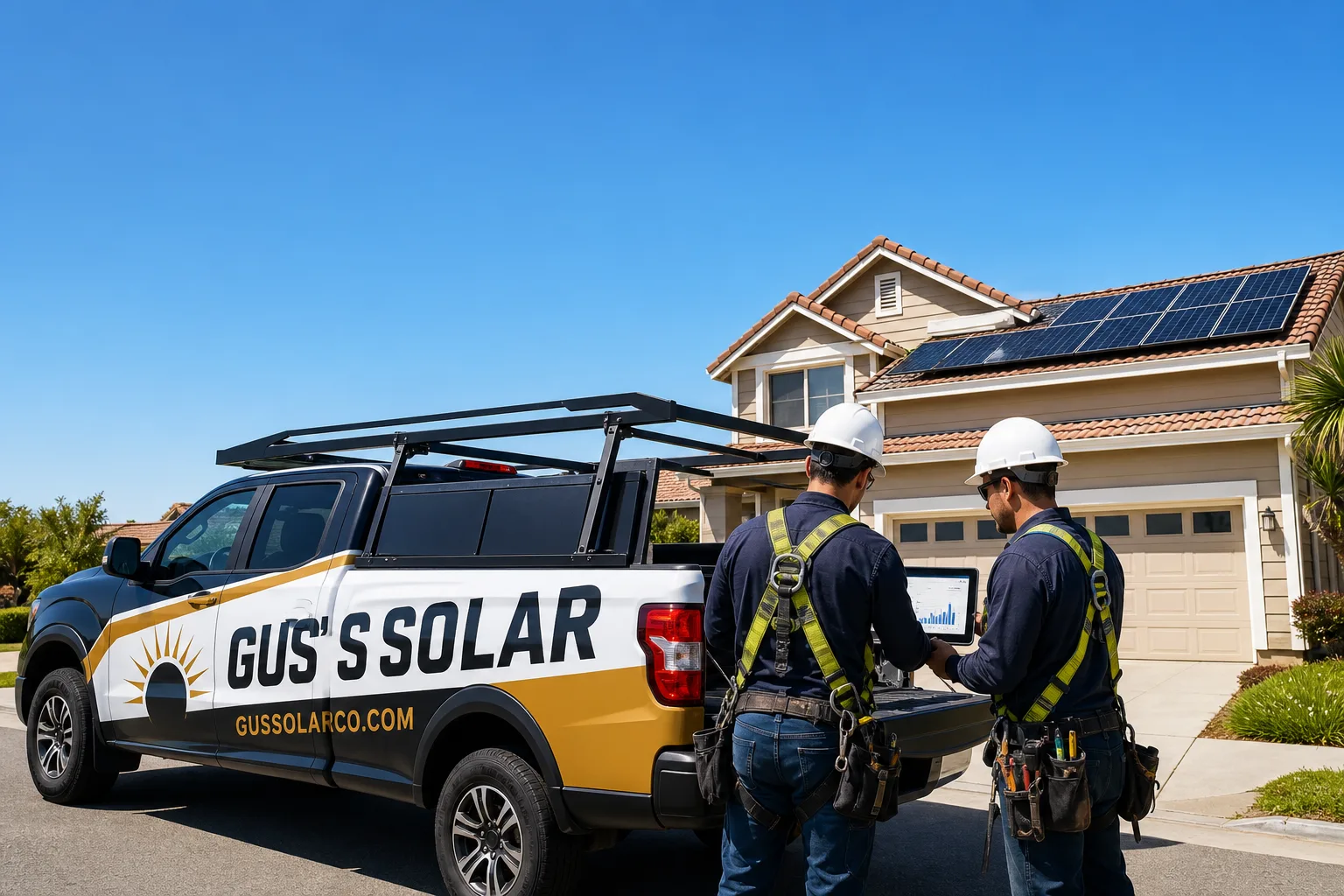
Free bill analysis - bring a power bill, get the production math for your actual roof, panel brands like Qcells and REC compared side by side
If the pitch starts at your door and ends with "sign tonight for the special," sleep on it. The sun will still be there tomorrow; so will we.
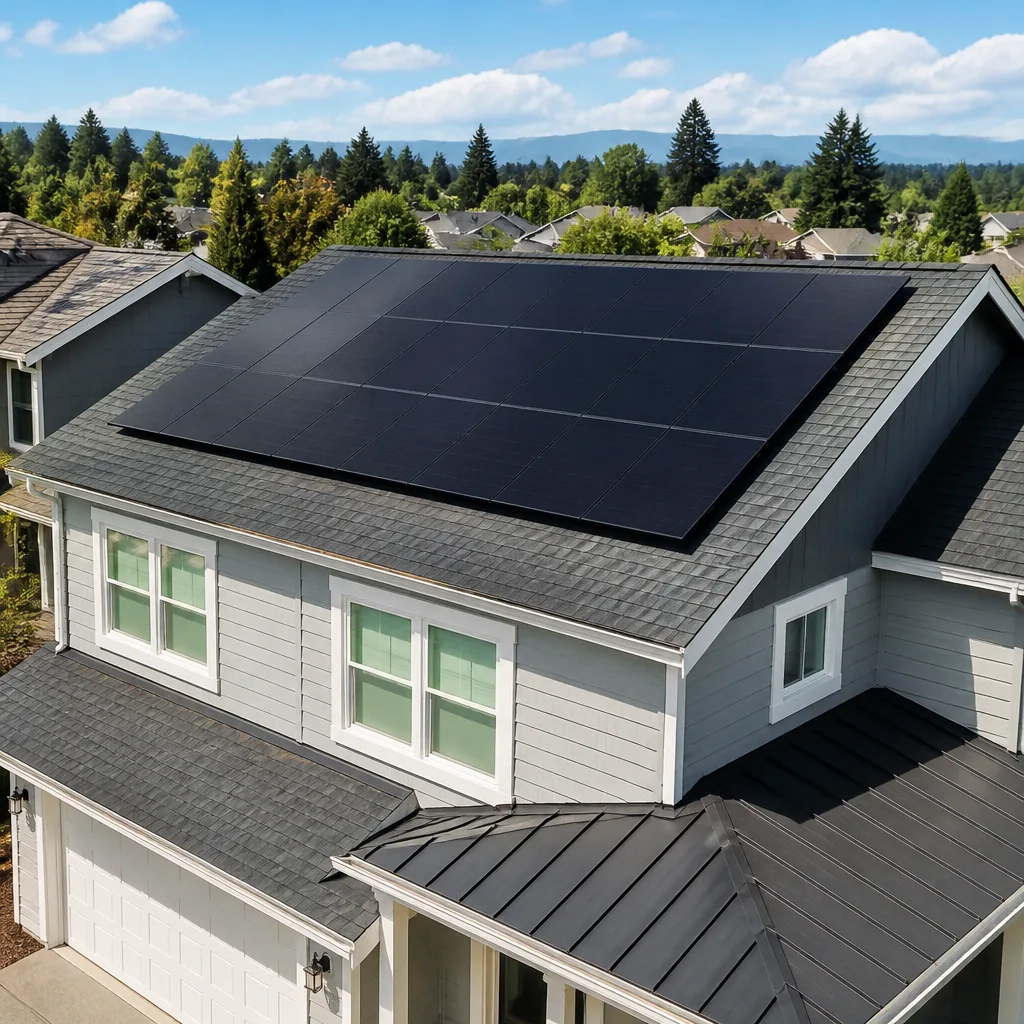
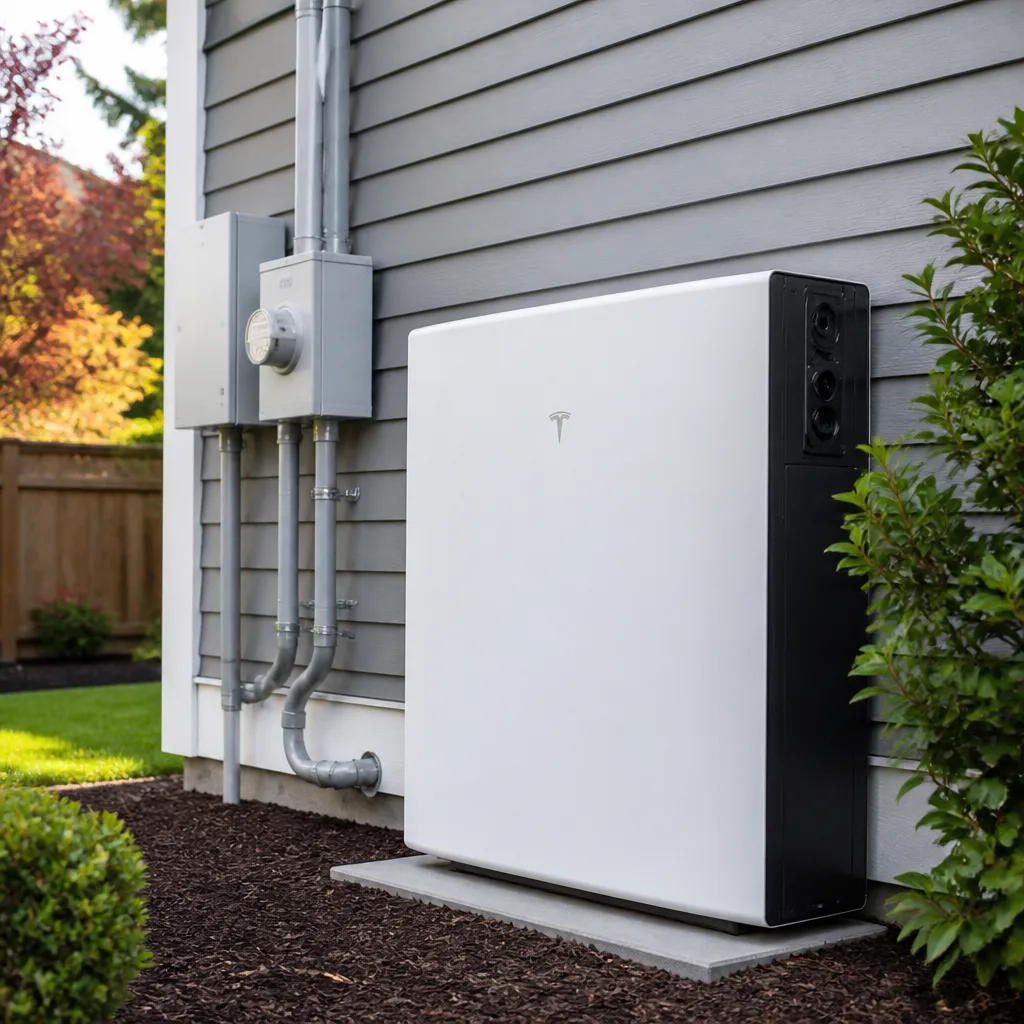
 Before
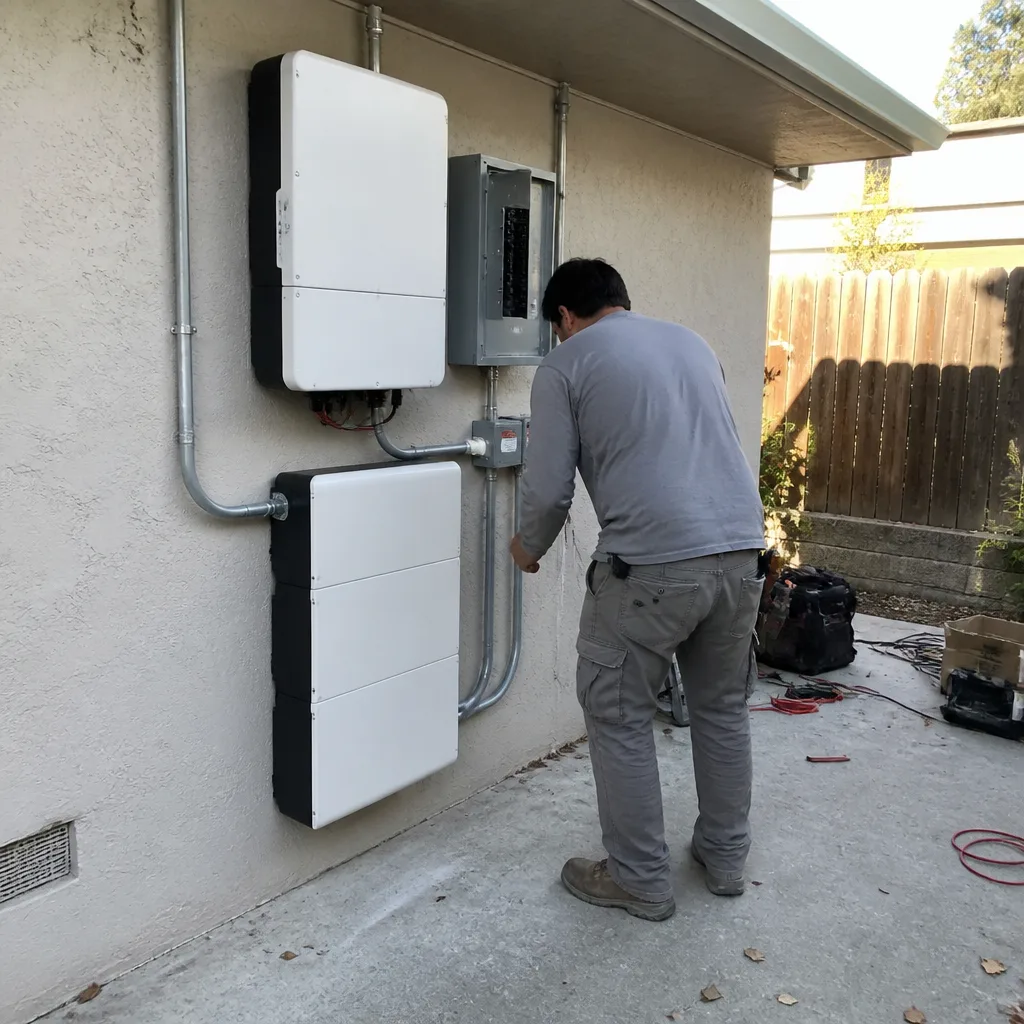 After
After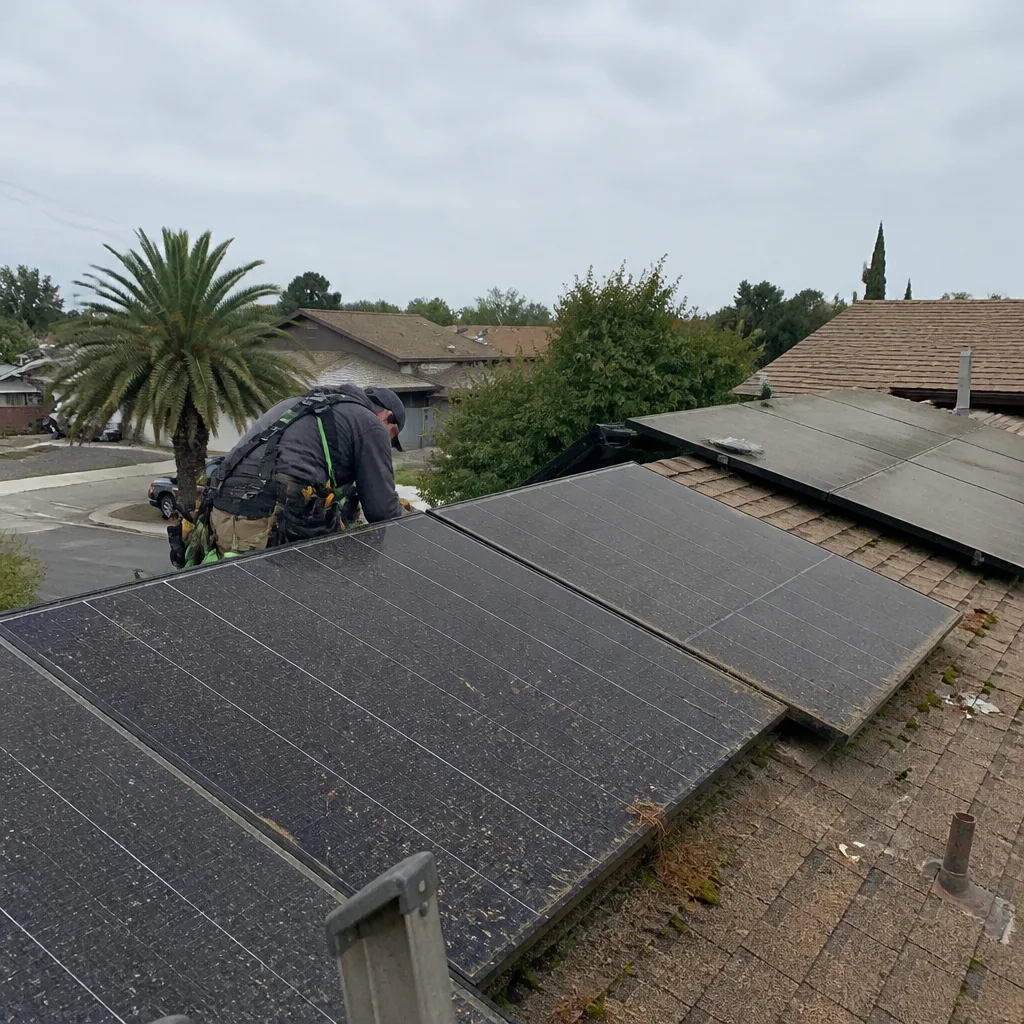 Before
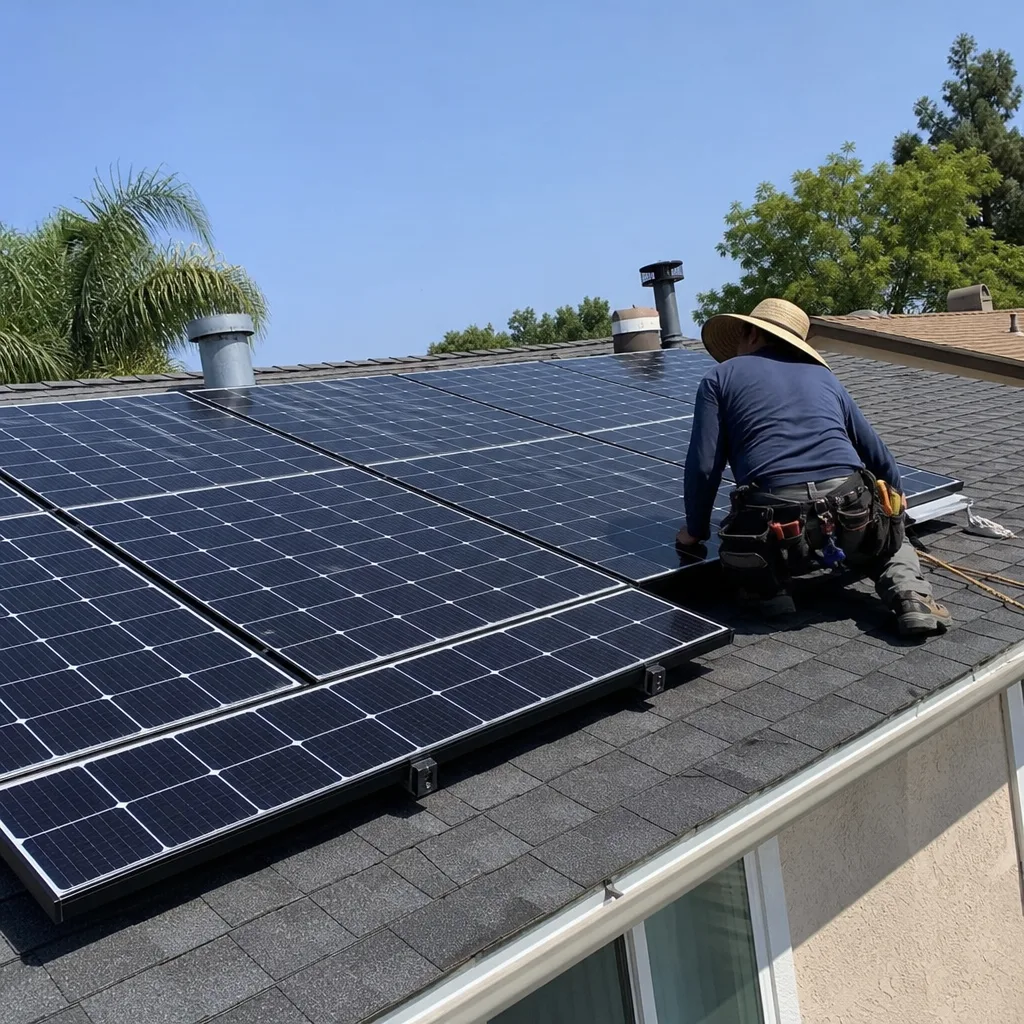 After
After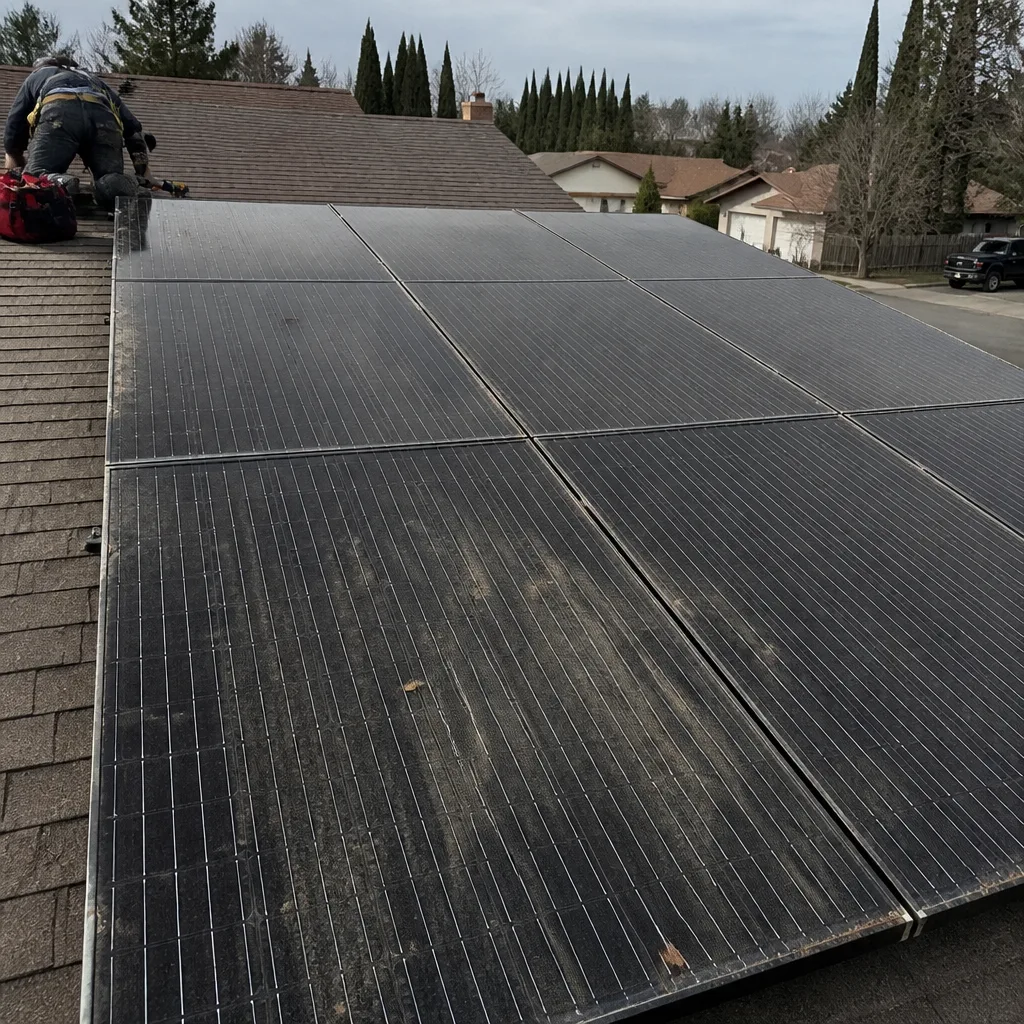 Before
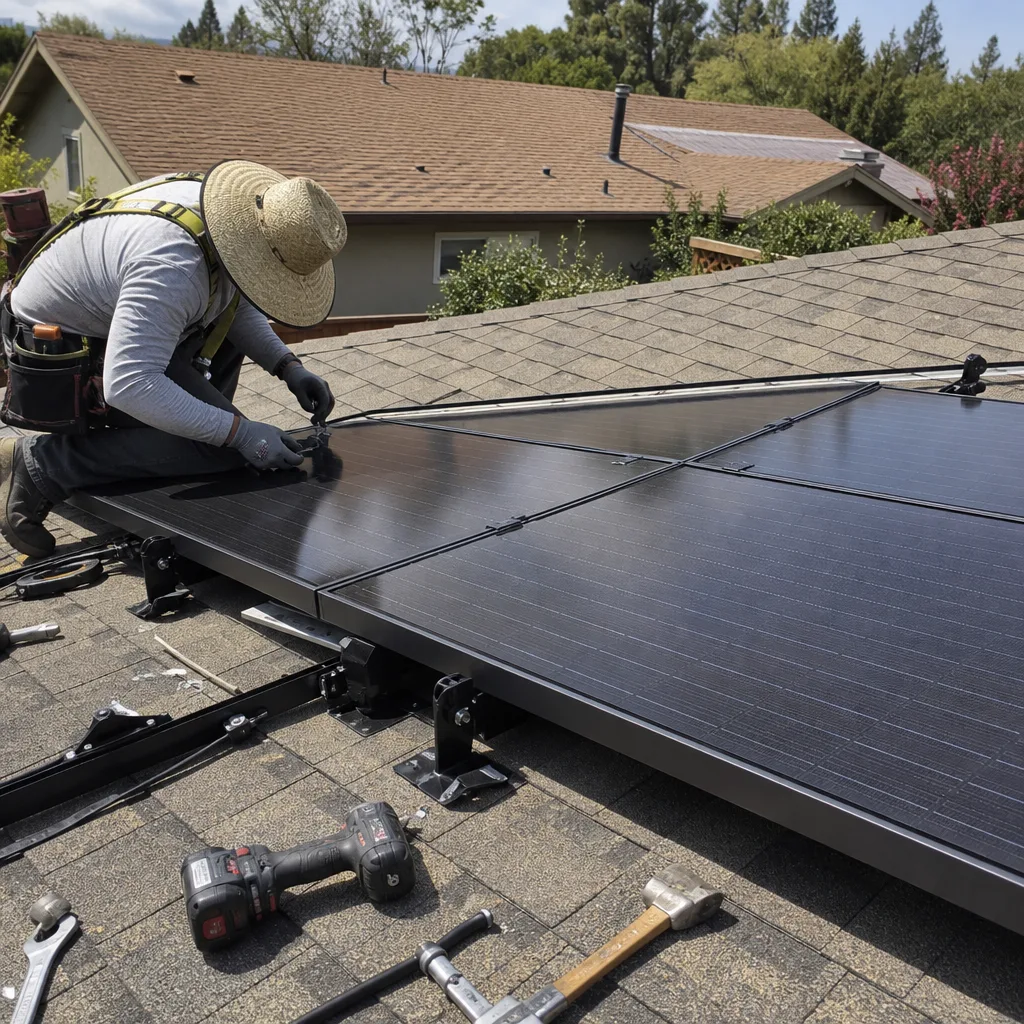 After
AfterChasing Tiny Rust Spots Before They Kill Your Rodeo Solar System
Solar panel repair in Rodeo runs $180 to $2,800 depending on whether you’re replacing a corroded MC4 connector or a dead inverter. Most repairs we do here are same-week, and the root cause is almost always the same thing: this town sits between a refinery and a bay, and the air eats aluminum. If your system is underproducing or throwing fault codes, call us at (877) 550-6892. We’ll come out, find what’s actually wrong, and tell you straight what it costs to fix.
Here’s what you need to know before you call anyone:
- Corrosion is the #1 killer of solar hardware in Rodeo - not panel defects.
- Most repairs here run $180-$650 for connectors, wiring, and rapid-shutdown devices. Inverters run higher.
- We can typically be on your roof within 48 to 72 hours of your call to Rodeo.
- The 90-Day Done Right Promise covers every repair we do - in writing.
Fast, Reliable Solar Panel Repair Across Rodeo
If your system was installed by a company that no longer answers the phone, you’re not stuck with a dead roof. Gus Petrakis founded Gus’s Solar in 2011 to do the opposite of what the out-of-state crews do: show up, fix the actual problem, and stand behind the work. We serve Rodeo directly, and our crew knows the local failure patterns because we see them week after week on homes along Parker Avenue, near the I-80 corridor, and in the older neighborhoods north of San Pablo Avenue. Call (877) 550-6892 and a live person answers, 24/7.
We don’t hand your repair off to a subcontractor. Gus’s own uniformed, background-checked crew does the work. When we tell you what’s wrong, we show you photos. When we quote a price, that’s the price. Take the two weeks Gus tells every customer to take before signing. The number won’t change.
Why Gus’s Solar Is Rodeo’s Preferred Solar Panel Repair Company
We have been repairing systems in Rodeo long enough to know what the refinery does to solar hardware. That matters more than it sounds. A technician who only works inland won’t spot early-stage racking oxidation until the panel mounts are loose and the system is arcing. Our crew knows where to look first: the aluminum rails, the MC4 connectors, the grounding lugs, and the disconnect contacts. All of them corrode faster here than they do five miles east.
Rodeo homeowners call us because we answer the phone and we come back if something isn’t right. The 90-Day Done Right Promise is not marketing language; it’s in writing on every invoice. If the repair isn’t done right, one call brings Gus back. No ticket queue. No call center. Just a local owner whose name is on the building.
We also give Rodeo customers something no national outfit will: a free second opinion on any written estimate, a senior and veteran 10% discount that never expires, and $40 off any repair over $200. Those offers are standing. They don’t expire next Tuesday.
Our Solar Panel Repair Services in Rodeo
What we repair most often here isn’t what you’d expect. It’s not the panels themselves. It’s the metal, the wire, and the electronics that live in a salt-and-sulfur atmosphere nobody in Concord or Walnut Creek deals with. Here’s what we handle in Rodeo, week in and week out.
Inverter Repair & Replacement
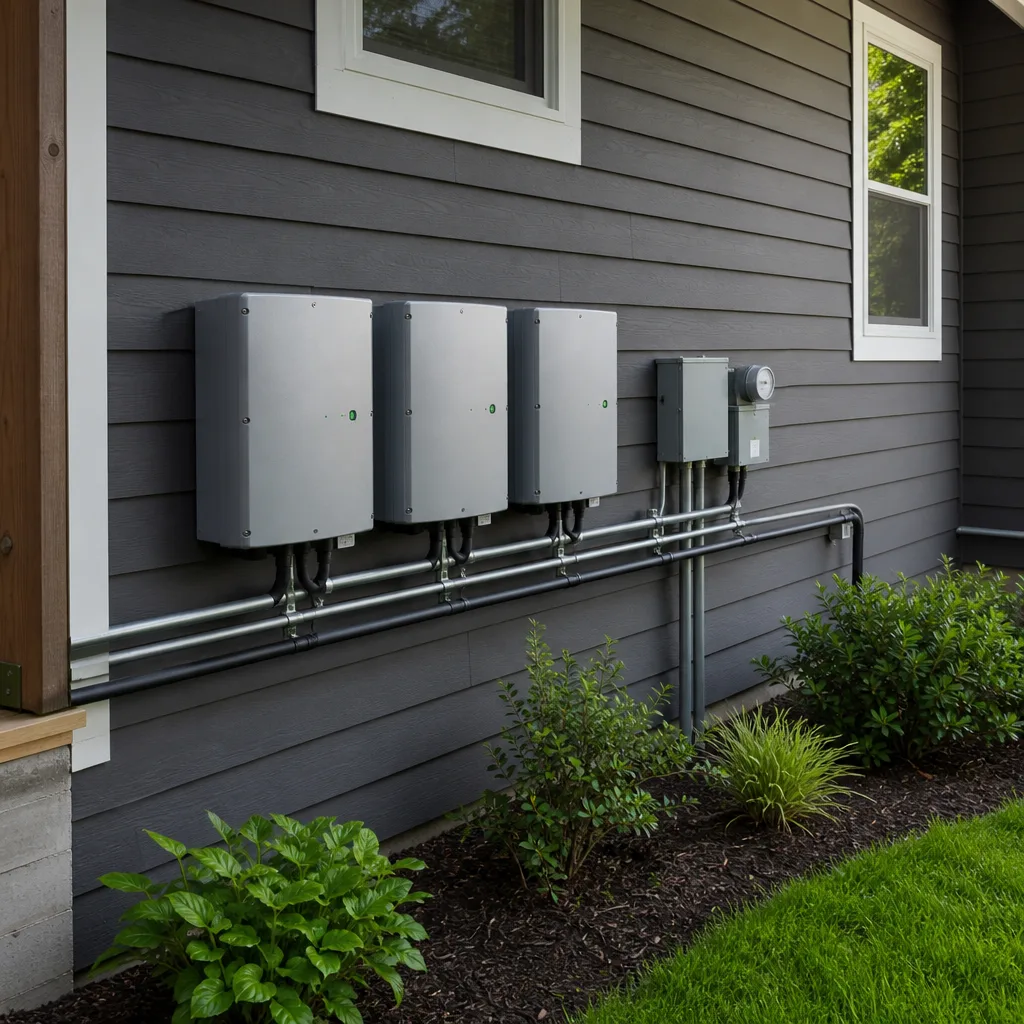
Inverters fail in Rodeo for a specific reason: corroded DC disconnect contacts. The refinery’s sulfur compounds plus the bay’s salt mist eat the contact surfaces until the inverter trips arc-fault errors or shuts down entirely. A string inverter replacement in Rodeo typically runs $1,800 to $2,800 including labor and hardware. We replace units with marine-rated models when the location demands it, and we re-terminate every connector with dielectric grease so the new one doesn’t follow the old one.
Wiring & Connector Repair
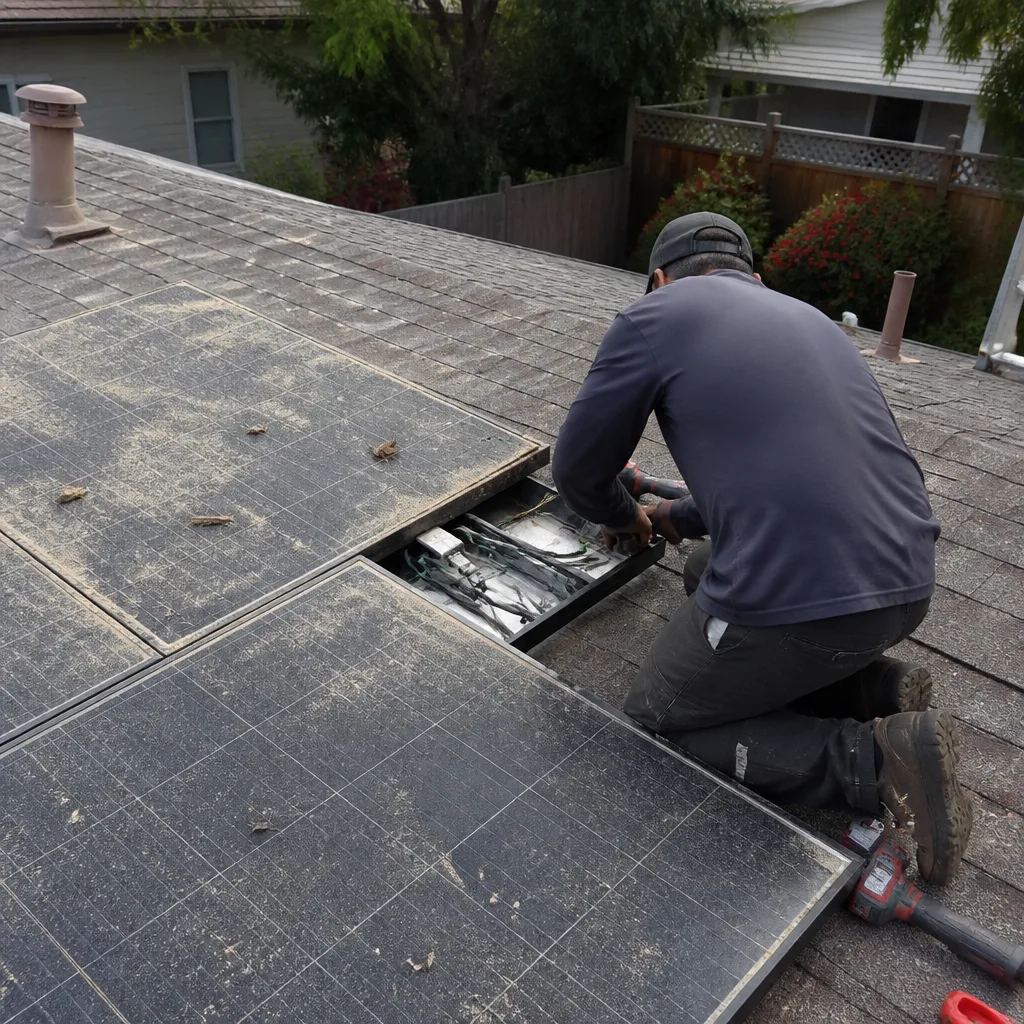
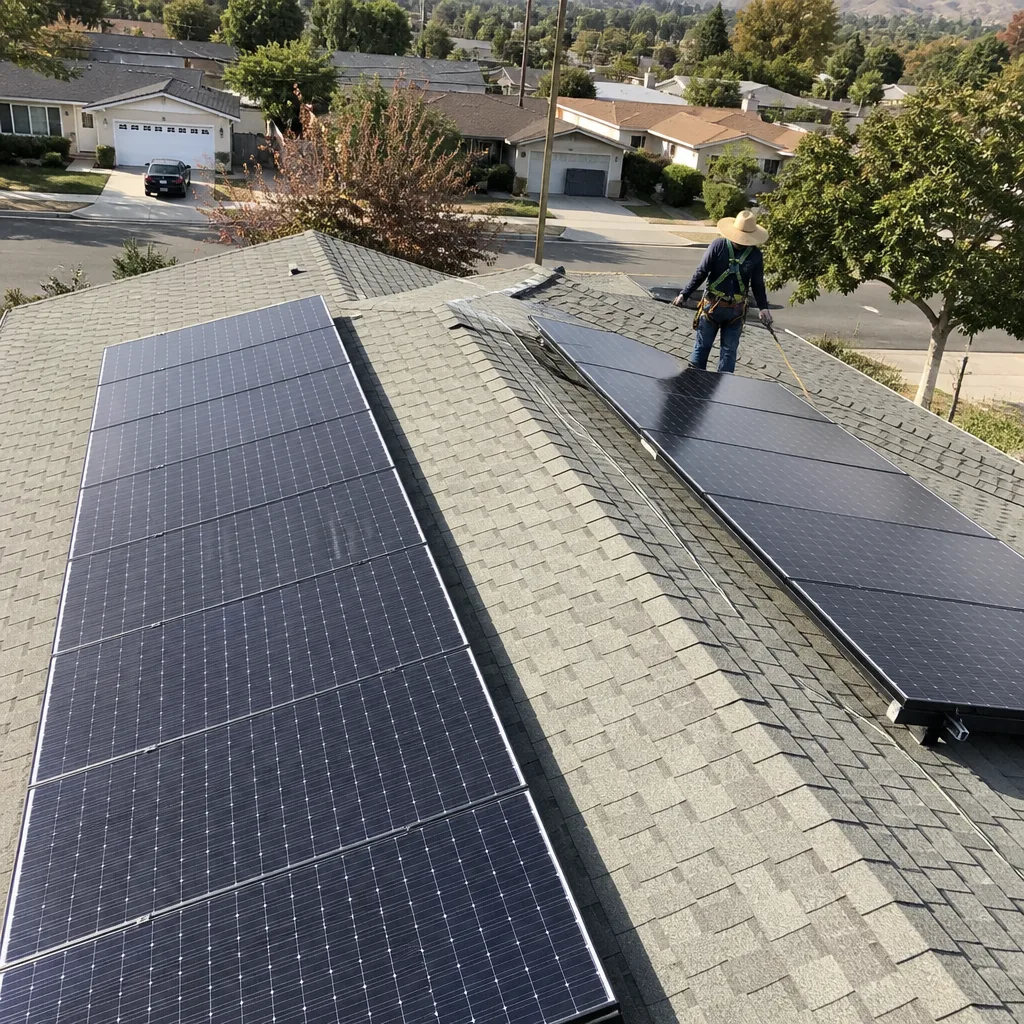
MC4 connectors are the single most common failure point we see on Rodeo roofs. The plastic housings hold up fine, but the metal contacts inside oxidize prematurely. That causes ground-fault errors and intermittent production drops that your monitoring portal shows as “alerts” without any obvious cause. Connector replacement and re-wiring typically runs $180 to $400 per string, depending on how many junctions need re-terminating. We use 316 stainless hardware and dielectric grease on every connection we touch.
Roof Leak Repair Around Mounts
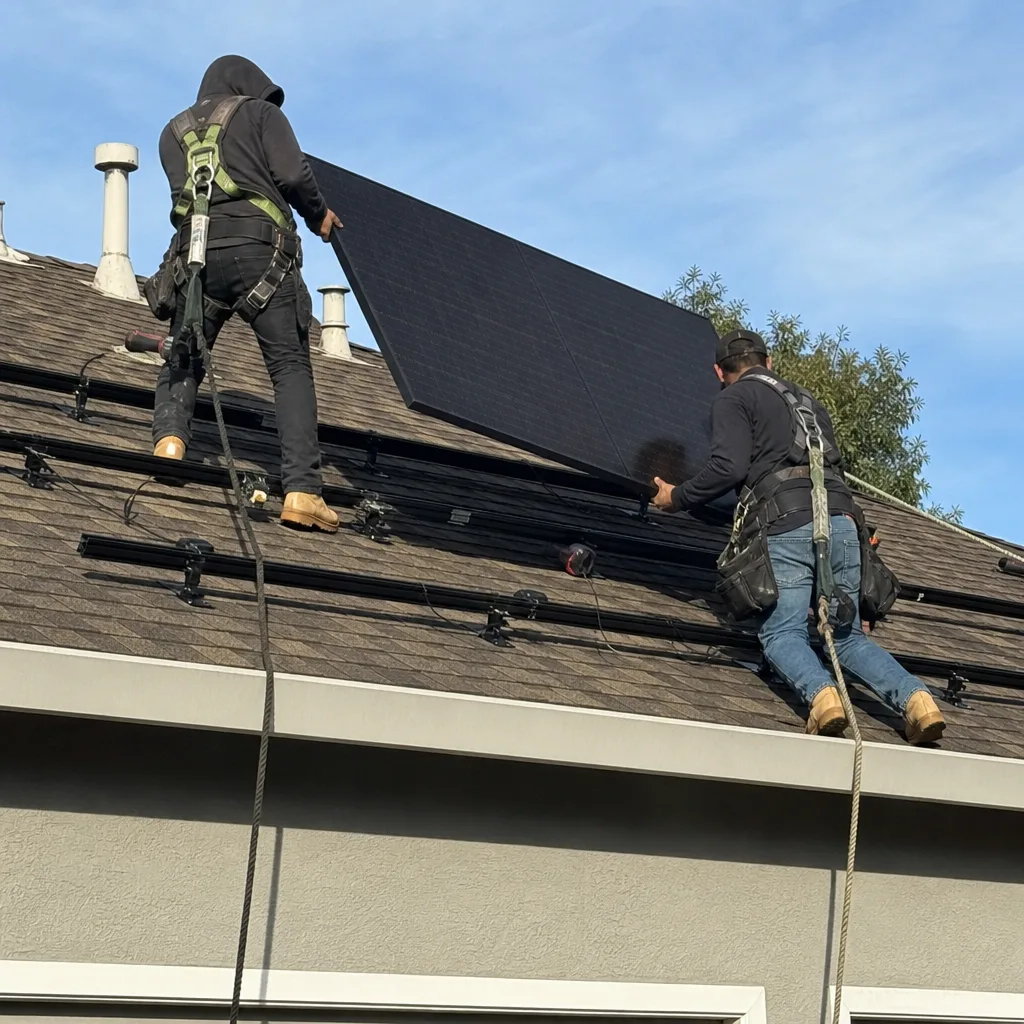
This is the repair that separates a real roofer-flash installer from a panel-on-a-rail crew. On Rodeo’s low-pitch 1940s and 1950s ranch roofs, accelerated weathering from the industrial-marine atmosphere means the flashing around roof penetrations fails sooner than the panels do. If you see water staining on interior ceilings near the panel array, call us before the decking rots. Leak repair around mounts in Rodeo typically runs $350 to $900 depending on how many penetrations need re-flashing and whether the decking is compromised.
Panel Replacement After Damage
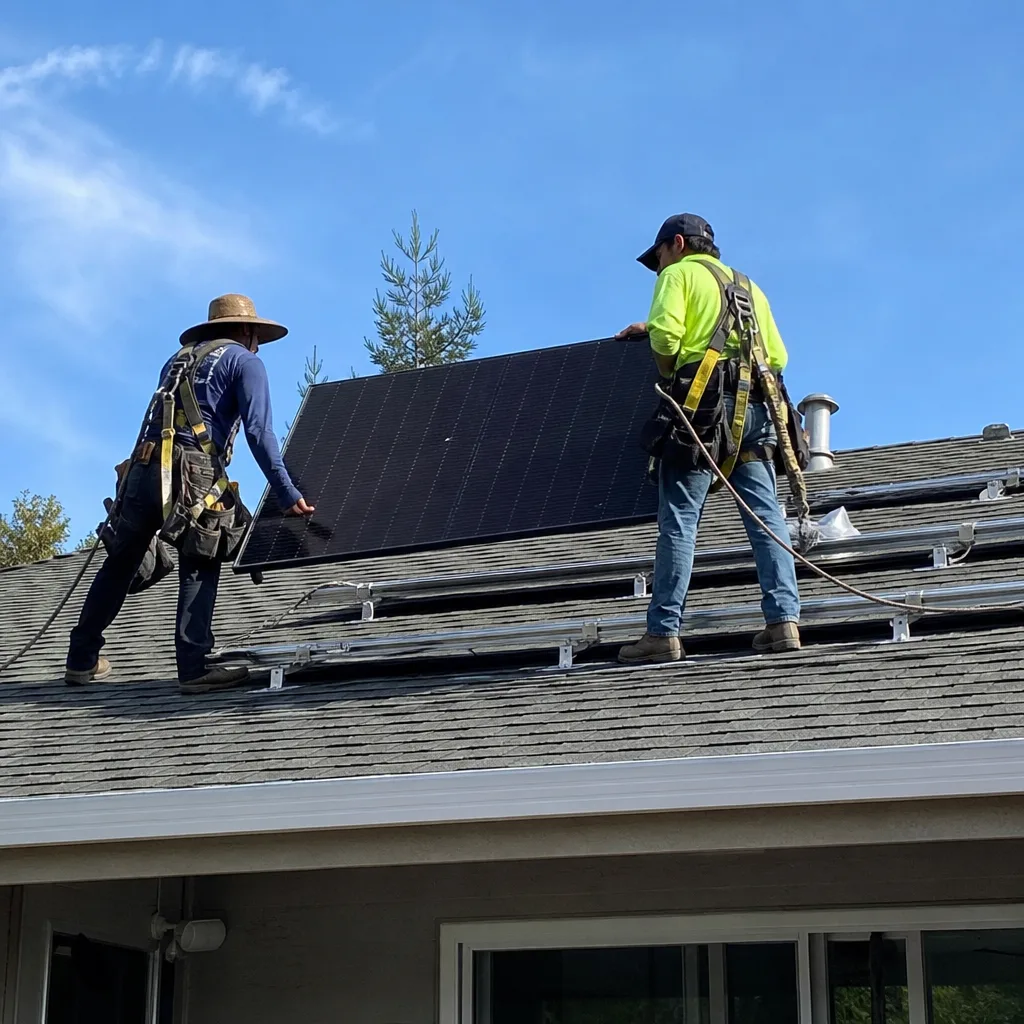
Physical panel damage here comes from two sources: wind-driven debris off San Pablo Bay and, less commonly, dropped tools from earlier service visits. If a panel is cracked, shattered, or showing hot-spot discoloration on the cell surface, it needs to come out. Panel replacement in Rodeo runs $250 to $700 per panel depending on the wattage and whether we need to match your existing string configuration.
What happens when you call
- 1
A real person answersNo phone trees - you reach a local pro.
- 2
You get an upfront price rangeHonest numbers before anyone is dispatched.
- 3
A background-checked tech heads outLicensed & insured, dispatched right away.
- 4
You approve before work beginsNothing starts until you say go.
Trusted Brands We Service in Rodeo
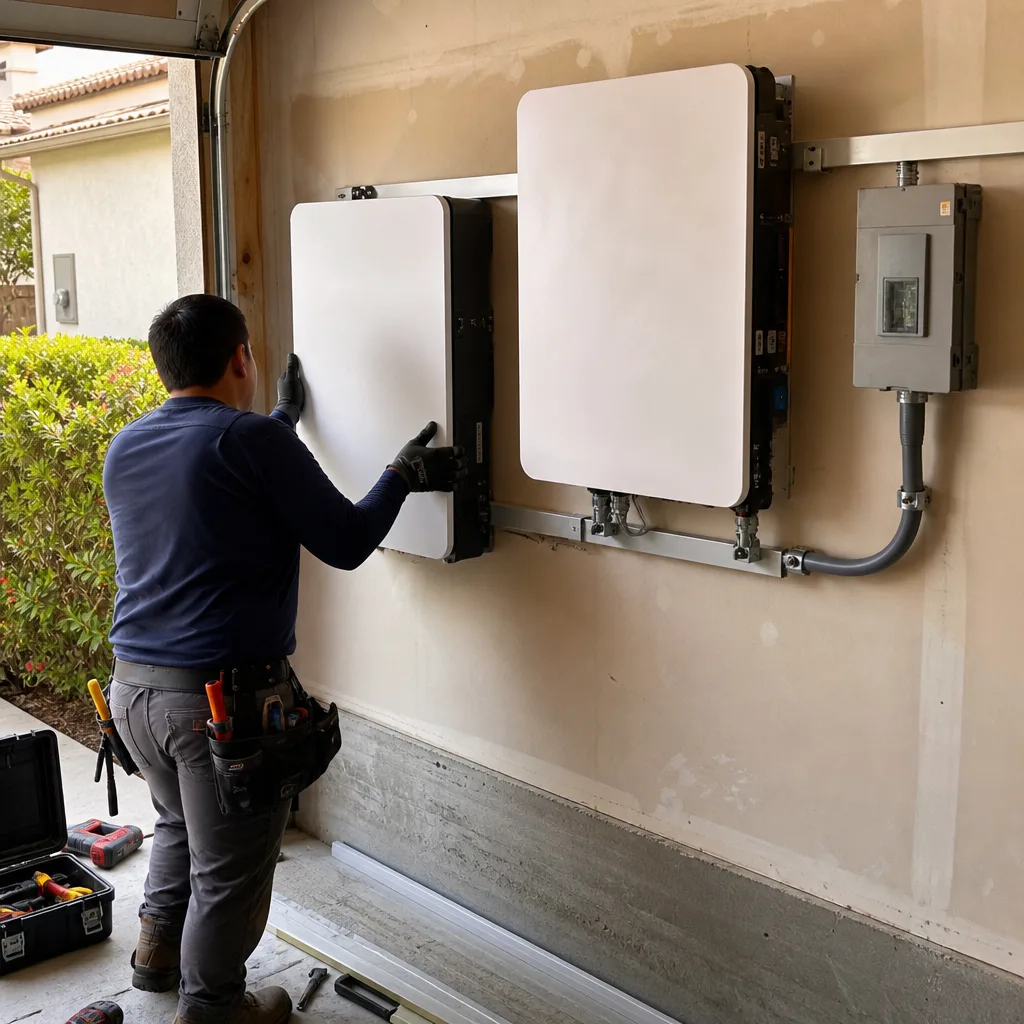
We work on systems built with Qcells, REC, SunPower, and Panasonic hardware, plus inverters and electronics from SolarEdge, Enphase, Tesla, and FranklinWH. If your system was installed in Rodeo before 2018, there’s a good chance it has SolarEdge optimizers or Enphase microinverters under those panels. We keep common replacement parts for both brands in stock so Rodeo customers don’t wait a week for a connector or an optimizer. We also take over orphaned systems - if your installer’s gone, we can adopt the whole thing, document every component, and put you on a proper maintenance schedule.
Common Solar Panel Repair Problems We See in Rodeo Homes
Here are the four failure patterns we see most often on Rodeo roofs, specific to this town’s industrial-marine environment:
- Aluminum racking oxidation within two to three years of install. The combination of refinery particulate fallout and bay salt mist attacks the raw aluminum rails that hold your panels. We see it as white powdery residue at fastener points. Left alone, the fasteners lose grip and the panels start shifting in high wind.
- Petroleum-based soiling that cuts production up to 10% between cleanings. The refinery emits fine particulate that settles as a slightly tacky film on panel glass. It doesn’t wash off with rain the way ordinary dust does. When it builds enough, your system’s kWh offset drops and inverters can trip undervoltage alarms on cloudy mornings.
- MC4 connector oxidation causing ground-fault errors. The little plastic connectors that join panel strings together corrode from the inside in Rodeo. Your inverter shows a “ground fault” or “arc fault” alarm, and the fix is re-terminating the affected connectors. Ignore it and the heat buildup can melt the housing.
- Rapid-shutdown device failures on older systems. Rodeo’s older roof systems, especially those installed between 2014 and 2019, often used module-level rapid-shutdown devices that were never designed for this kind of air. They corrode, they fail, and the inverter shuts down the whole array until we replace them.
Pricing for Solar Panel Repair in Rodeo, CA
Here’s what you can expect to pay for common repairs in Rodeo, based on what we’ve actually billed over the last few years:
- MC4 connector replacement / re-termination: $180-$400 per string
- Wiring repair (ground fault or arc fault): $250-$650 depending on access and severity
- Microinverter replacement: $350-$800 per unit installed
- String inverter replacement: $1,800-$2,800 with marine-rated hardware
- Roof leak repair around mounts: $350-$900 per area re-flashed
- Panel replacement after damage: $250-$700 per panel
What changes the price: whether your roof is single-story or two-story, whether we need to re-flash existing penetrations, and whether the original install used hardware we need to replace outright. We don’t charge a trip fee inside our own county. Estimates are free. Call (877) 550-6892 and Gus will quote you a number based on your actual system, not a brochure.
What the Rodeo Renewed Refinery Conversion Means for Your Panels
Rodeo is the only city in Contra Costa County where solar panels accumulate both petroleum-based particulate soiling from the Phillips 66 refinery and salt-laden marine air off San Pablo Bay at the same time. That combination creates a dual-corrosion environment that doesn’t exist even a few miles east in Hercules or Pinole. We see aluminum racking oxidation within two to three years of installation on homes here, a failure pattern that would be unusual in Pinole and almost unheard of in El Sobrante.
The Phillips 66 facility is now undergoing conversion to a renewable fuels operation under the Rodeo Renewed project. For homeowners, the practical question is whether the conversion changes the soiling rate on their panels. It likely will reduce the heavy hydrocarbon particulate over time, but the salt air isn’t going anywhere, and the existing film already baked onto your panel glass won’t wash off by itself. If your system has been underproducing, the time to assess it is now, before the new fuel cycle starts and the soiling pattern shifts. A semi-annual cleaning and corrosion inspection is the minimum we recommend for any system within sight of the refinery fence line.
We recently repaired a SolarEdge inverter on a 1950s ranch near the refinery fence line where the combination of refinery fallout and bay mist had corroded the DC disconnect contacts and triggered repeated arc-fault shutdowns. Our crew replaced the inverter with a marine-rated unit, swapped the original aluminum racking fasteners for 316 stainless hardware, and re-terminated all connectors with dielectric grease before scheduling semi-annual soiling inspections. That job is now a template for how we approach every repair in Rodeo.
Why Marine-Grade Hardware Matters Here
If your system was installed with standard aluminum racking and zinc-plated fasteners, you’re fighting a losing battle in Rodeo. The refinery’s sulfur compounds plus the bay’s salt mist strip the protective oxide layer off aluminum faster than the manufacturer’s warranty assumes. In practice, that means panel mounts loosen, grounding lugs oxidize, and eventually the whole array is bouncing on its rails in a winter windstorm. The fix is specific: 316 stainless steel fasteners, coated or anodized racking where possible, and dielectric grease on every electrical connection. It costs a little more upfront, and it’s the difference between a system that lasts 25 years and one that starts throwing errors at year three.
It’s also why specifying marine-grade components matters. If your original installer treated Rodeo like any other town, the hardware likely wasn’t spec’d for this environment. We can walk your roof, photograph what’s there, and tell you what’s going to fail next and when. That’s the kind of assessment that saves you a $2,800 inverter replacement by catching a $300 connector problem first.
We Also Serve Cities Near Rodeo
Our crews serve the whole I-80 corridor along San Pablo Bay. If you’re in Rodeo and we’re already out your way, we also take repair calls in Hercules, Pinole, Tara Hills, and El Sobrante. The corrosion patterns differ by a few miles - Hercules and Tara Hills see less refinery fallout, Pinole gets more wind, El Sobrante is more protected - but the same marine-rated hardware applies along the whole bay front.
Serving Rodeo, CA - Our Local Coverage Area
We’re based in the Rodeo area and know this community well. Use the map below to see our service coverage - if you’re nearby, we can almost certainly help.
FAQs - Solar Panel Repair in Rodeo
The conversion likely reduces heavy petroleum particulate over time, but your panels won’t magically clean themselves. The existing residue from years of refinery operation is already baked onto the panel glass and will continue blocking light until you clean it. The salt mist off San Pablo Bay is permanent. Schedule a soiling inspection and cleaning now, before the new fuel cycle shifts the fallout pattern, so we can establish a baseline. Call (877) 550-6892 to set one up.
It depends on the repair. If we’re replacing connectors, re-terminating wiring, or swapping a microinverter, your 100-amp panel usually doesn’t matter. If we’re replacing a string inverter with a larger unit or adding battery storage, that original 100-amp service likely becomes the limiting factor and an electrical panel upgrade rolls into the project. Most 1940s and 1950s Rodeo homes were built with 60-amp or 100-amp panels, and many weren’t touched during the original solar install. We’ll tell you if yours is safe to leave alone. Estimates are free.
Because the same corrosion attacking your racking gets inside the microinverter housings. Enphase microinverters are sealed, but the connectors on either side aren’t, and the refinery’s sulfur compounds plus bay salt accelerate oxidation at those connection points. When a connector fails, it takes the microinverter with it. We see premature microinverter failures more often within two miles of the refinery fence line than anywhere else in Contra Costa County. Replacing the failed unit with a new one and re-terminating the connectors properly is the fix.
Fog changes two things. First, it keeps your panels cooler and wetter, which sounds good for production but accelerates corrosion on every metal surface. Second, it suppresses your annual kWh output compared to inland cities, so when something breaks, the production loss is more obvious on your utility bill. A Rodeo system that’s down 8% from a failed connector operates at a lower baseline than a Concord system with the same flaw, so the damage compounds faster. We account for that when deciding whether to repair or replace a component.
Call us for a full system assessment before the corrosion becomes a dead system. We take over orphaned systems in Rodeo all the time, and the process is simple: we document every component, photograph the corrosion, and give you a written list of what needs fixing now and what can wait. If the original installer used non-marine hardware, we replace it with 316 stainless. You get a working system, a name to call when something breaks, and a schedule that keeps it running. The first estimate is free. Call (877) 550-6892 and ask for the orphaned-system takeover assessment.
Call Gus’s Solar for Solar Panel Repair in Rodeo
If your system is underproducing, throwing codes, or you can see white powder on the racking from the street, don’t wait for a small corrosion issue to become a $2,800 inverter replacement. Call Gus’s Solar at (877) 550-6892. A live person answers, 24/7. We’ll send our own background-checked crew, give you a free estimate, and charge exactly what we quote. If it’s not done right, the 90-Day Done Right Promise means Gus comes back and makes it right. That’s the whole deal.
Written by Gus Petrakis, Owner at Gus’s Solar, serving Rodeo since the company’s founding in 2011.