
Free bill analysis - bring a power bill, get the production math for your actual roof, panel brands like Qcells and REC compared side by side
If the pitch starts at your door and ends with "sign tonight for the special," sleep on it. The sun will still be there tomorrow; so will we.
 Before
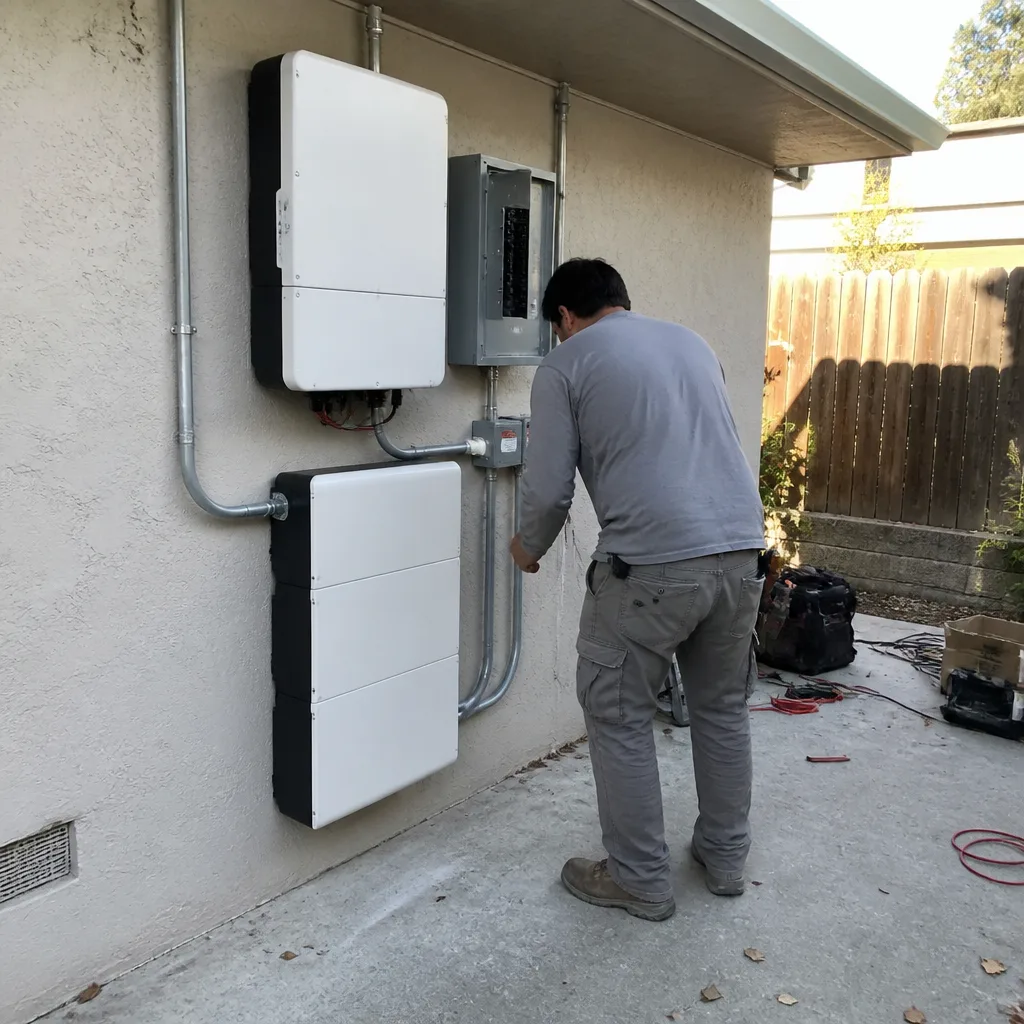 After
After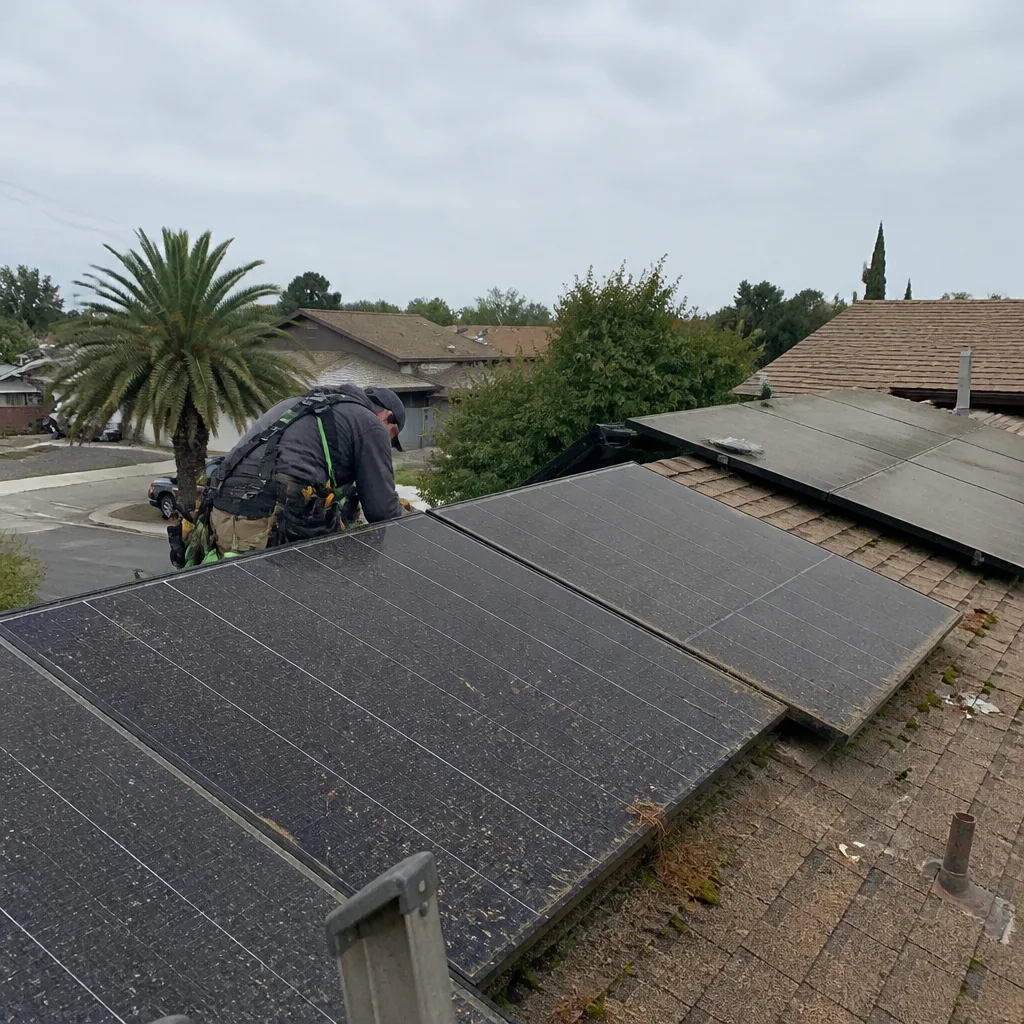 Before
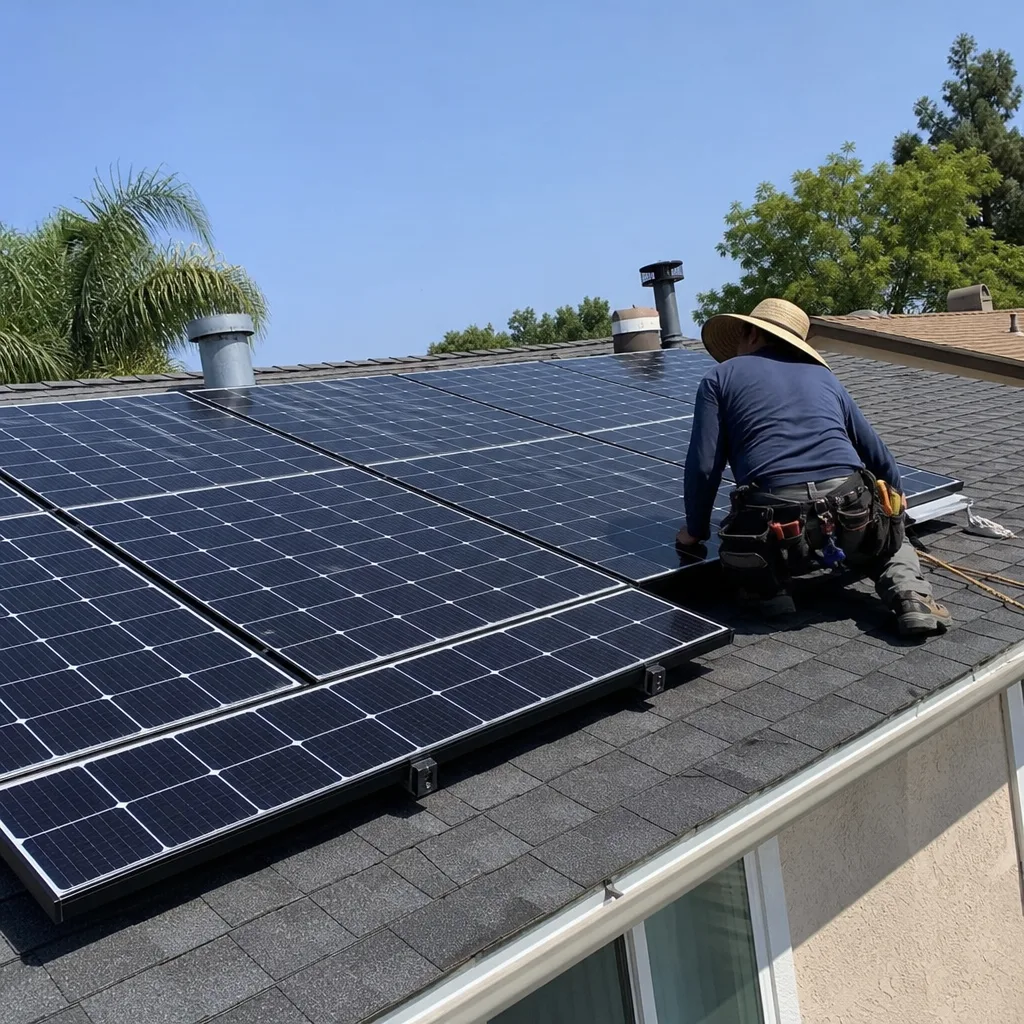 After
After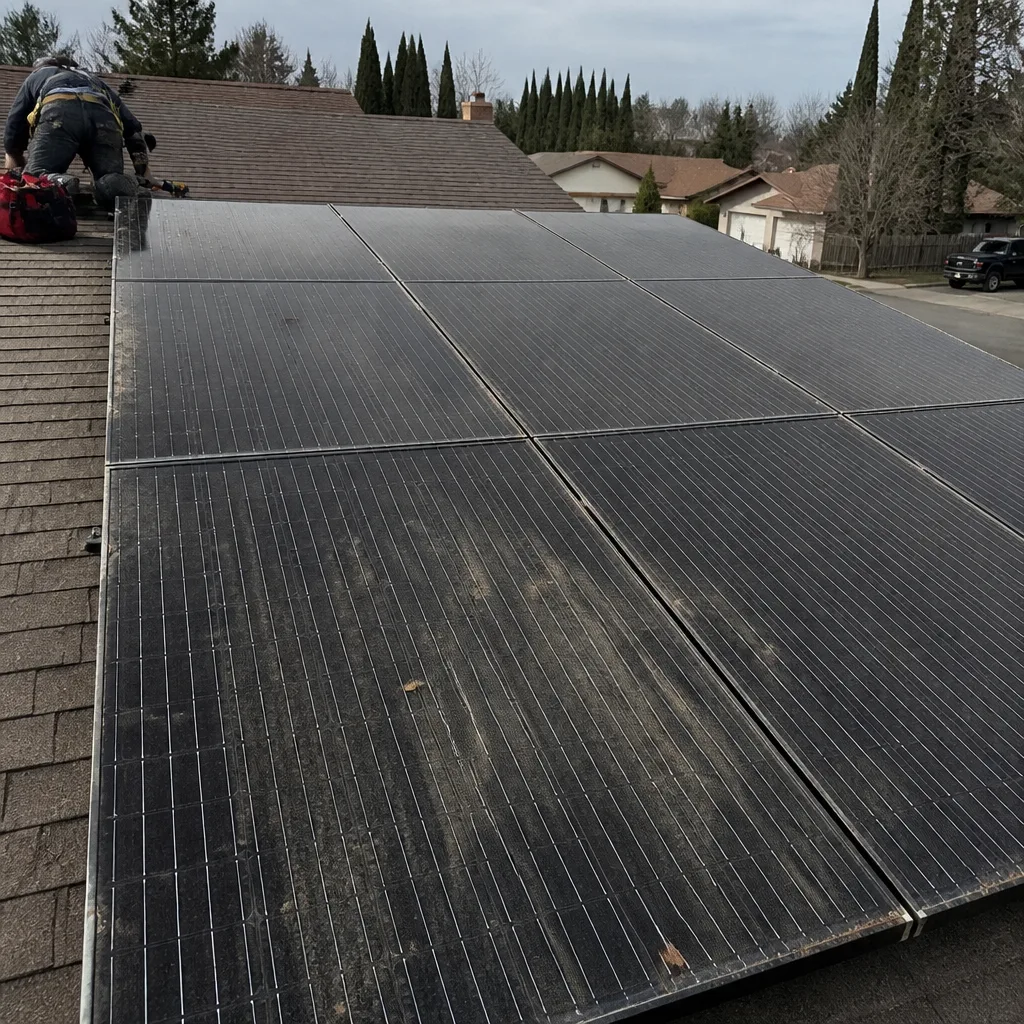 Before
 After
AfterFast, Reliable Solar Panel Repair Across Mission District
Solar panel repair in Mission District usually means one of three things: a microinverter that quit, a corroded connector tripping your system offline, or a roof leak where mounts meet a century-old flat roof. Most Mission District repair calls we handle are diagnosed the same day and fixed within the week, often same day if it’s a simple connector swap. Gus Petrakis has been doing solar repair long enough to know that a Mission District roof presents problems the Sunset doesn’t face, and the Sunset’s got its own list. If your array is underproducing, throwing fault codes, or leaking around its feet, call us at (877) 550-6892 and we’ll tell you straight what you’re dealing with.
Why Gus’s Solar Is Mission District’s Preferred Solar Panel Repair Company
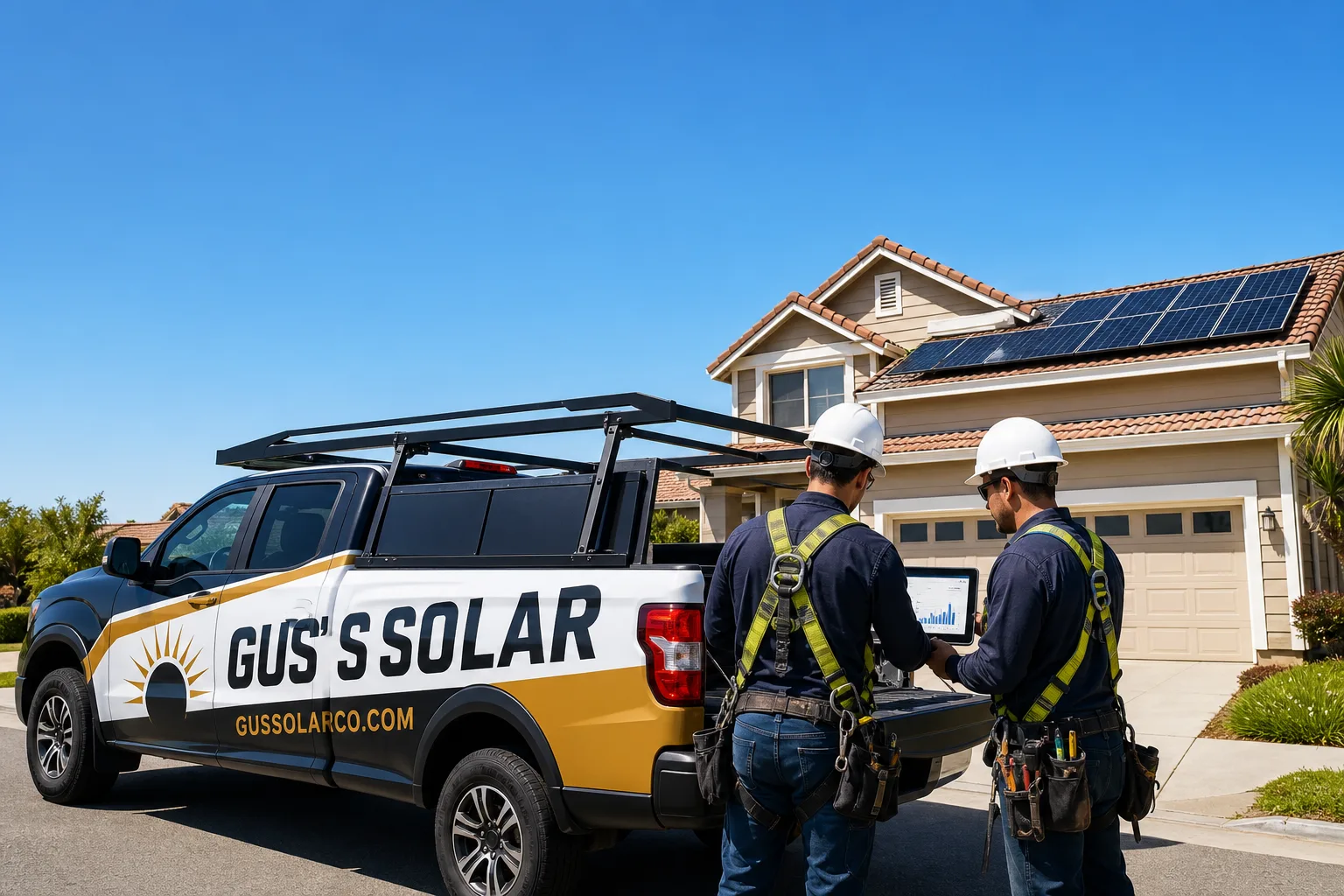
Gus started Gus’s Solar in 2011 and put his name on the truck, the building, and every invoice. That’s not marketing. That’s the operating manual. When Mission District homeowners call, a live person answers, 24/7, not a ticket queue three states away. Gus or one of his own background-checked, uniformed crew members will be on your roof, not a subcontractor he met last week. The 90-Day Done Right Promise applies to every repair: if it’s not right, one call brings Gus back, in writing, no questions.
We work on all the main Mission District building types because we’ve been in and around them for years. The 2-unit Edwardian on Shotwell with the rear-only array. The 4-unit Victorian on Guerrero where the landlord owns the roof but three tenants pay the bills. The condo building on Valencia with an orphaned Enphase system nobody has touched since 2019. If you already have a written estimate from another company, bring it to us for a free second opinion. We won’t pressure you to sign tonight. Take two weeks. Think about it. The price will be the same.
Response time to Mission District? If you’re inside the 94110 ZIP, we can often be there same day for an emergency repair and always within 1 to 2 business days for standard diagnostics. We know which streets have what panel age, which roofs hide what surprises, and which permitting quirks apply depending on which side of Mission Street you’re on.
Our Solar Panel Repair Services in Mission District
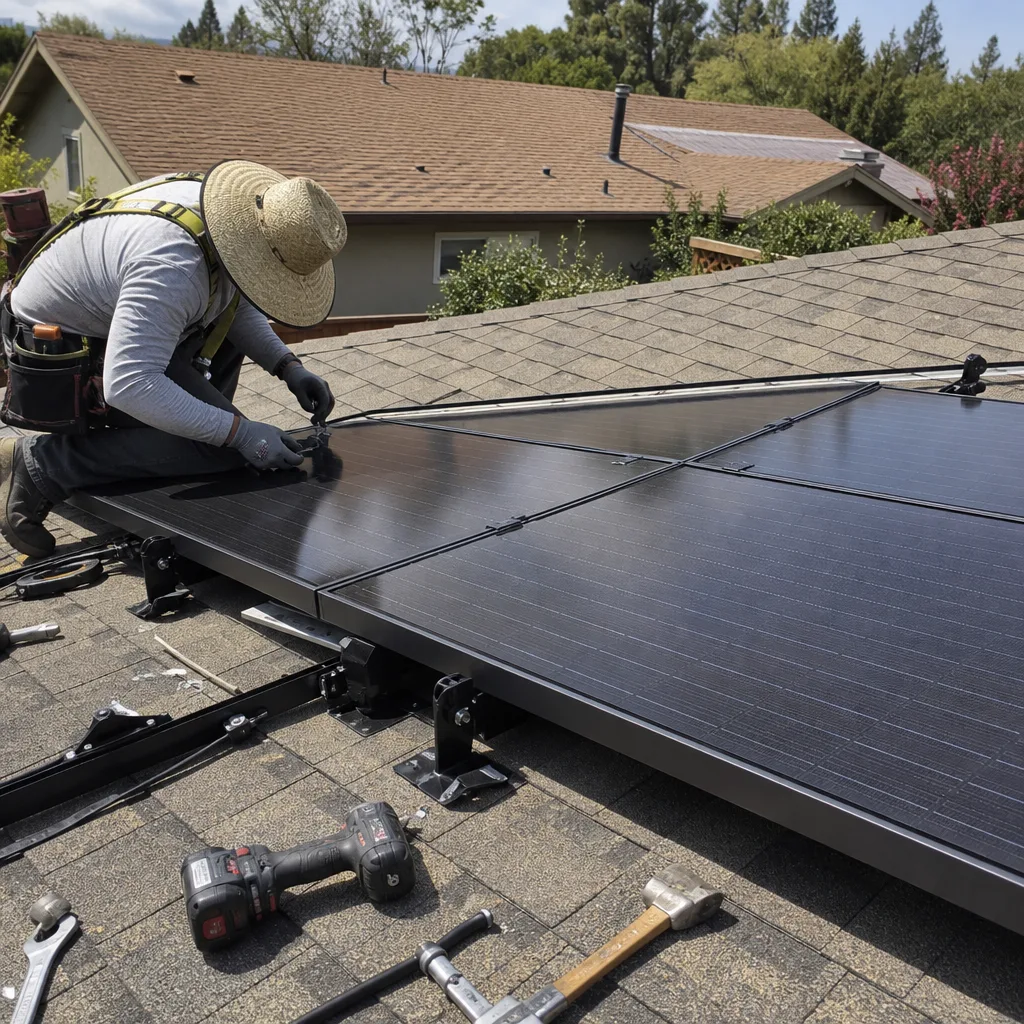
Microinverter Replacement
Microinverters are the workhorses of Mission District solar, and they fail in a pattern here that you don’t see inland. Salt-laden air gets into the housing, moisture follows, and the unit stops communicating with your monitoring app. On a shared-roof flat near Garfield Square, an entire string can show zero production while the panels themselves are fine. We replace failed Enphase and SolarEdge microinverters with new units, confirm the array is back to its original production estimate, and seal the new housing with corrosion-resistant fittings.
Wiring & Connector Repair
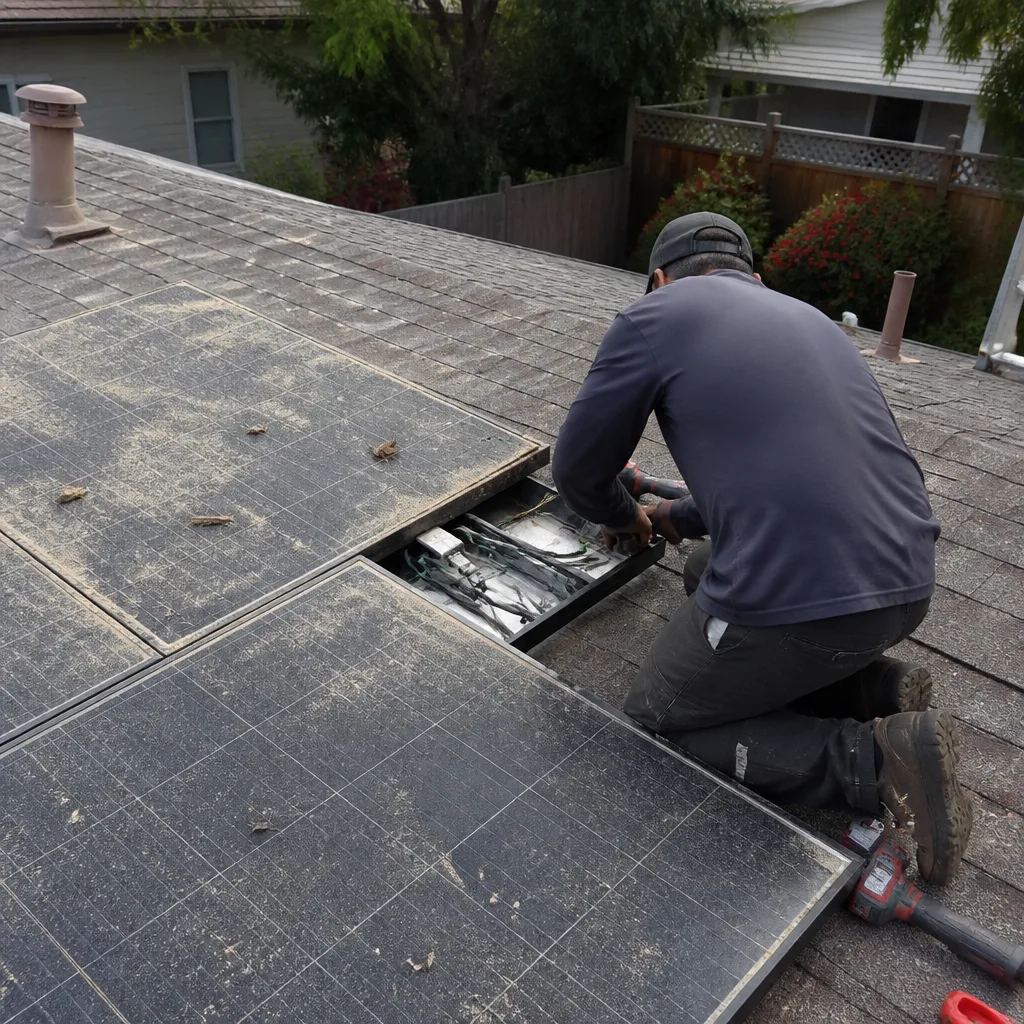
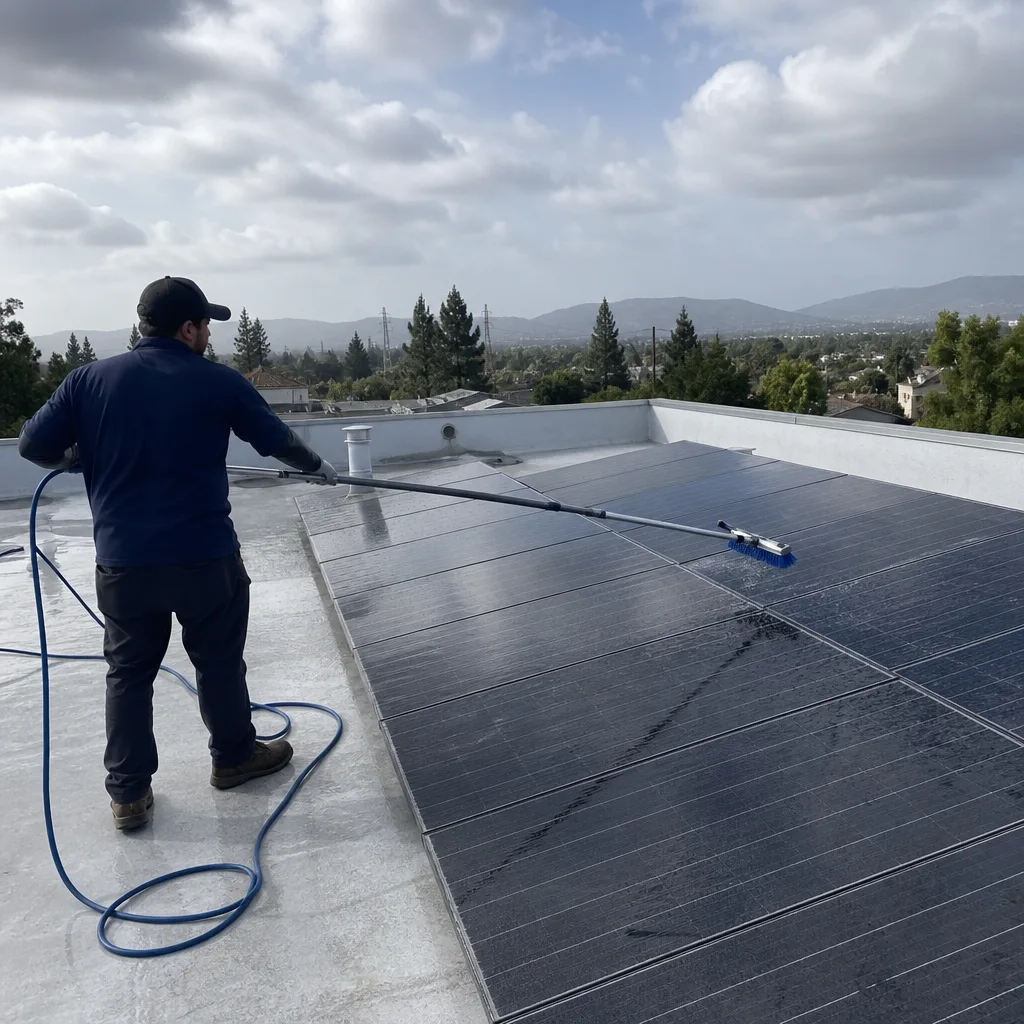
This is the number one repair we perform in Mission District, and it’s not close. MC4 connectors corrode. Terminals on inverters and microinverters loosen. DC wiring chafes against century-old parapet flashing in the wind. Salt air accelerates every one of these failure modes. When a Mission District system throws intermittent ground faults or rapid shutdown errors, the culprit is almost always a corroded connector or a compromised wire, not the panel itself. We replace connectors with corrosion-resistant models and re-torque every terminal we touch.
Panel Replacement After Damage
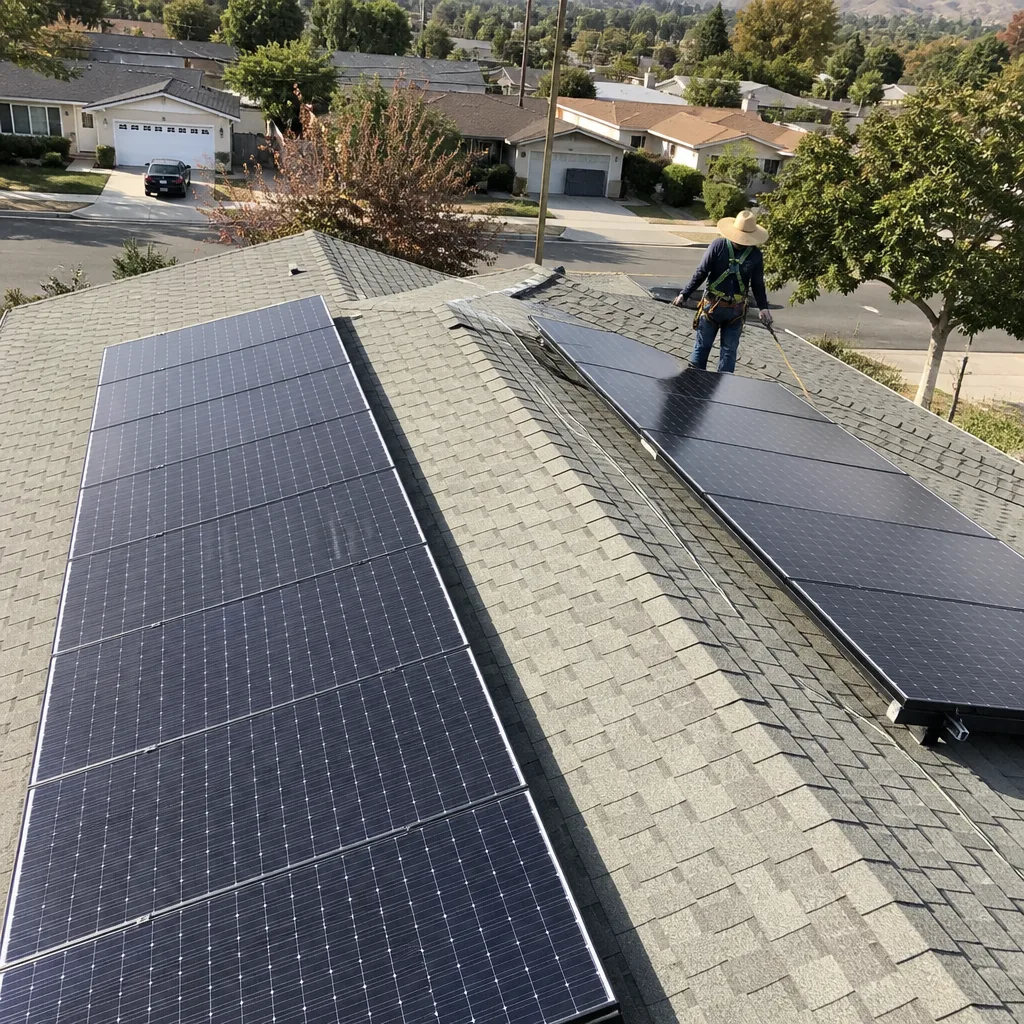
Mission District roofs get hit by more than fog. Debris from eucalyptus and cypress trees along the 24th Street corridor, gull activity along the old industrial edges, and the occasional wind gust off Twin Peaks all take their toll. A cracked panel doesn’t just lose production. It can drag down the whole string if the damage shorts a bypass diode. We source matching panels or equivalents, swap them out, and confirm the system performs to spec before we leave.
Roof Leak Repair Around Mounts
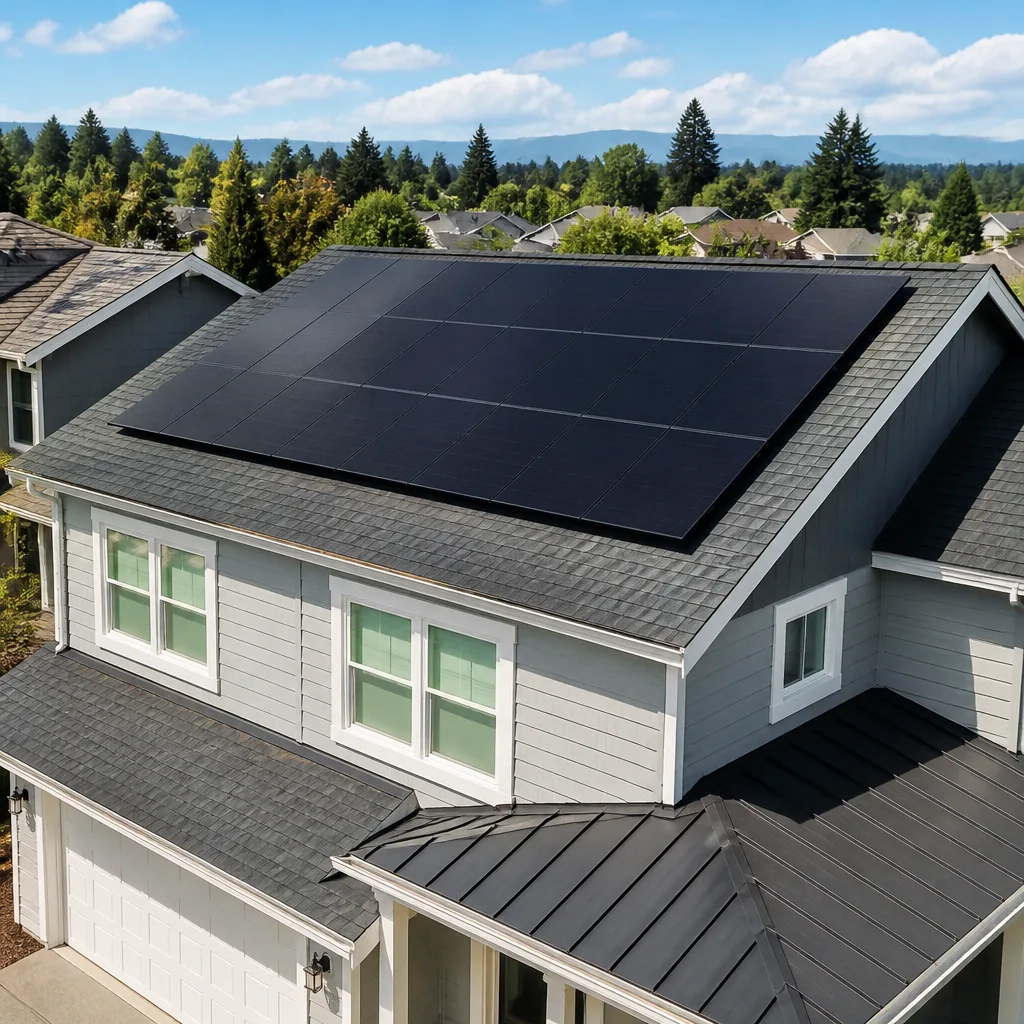
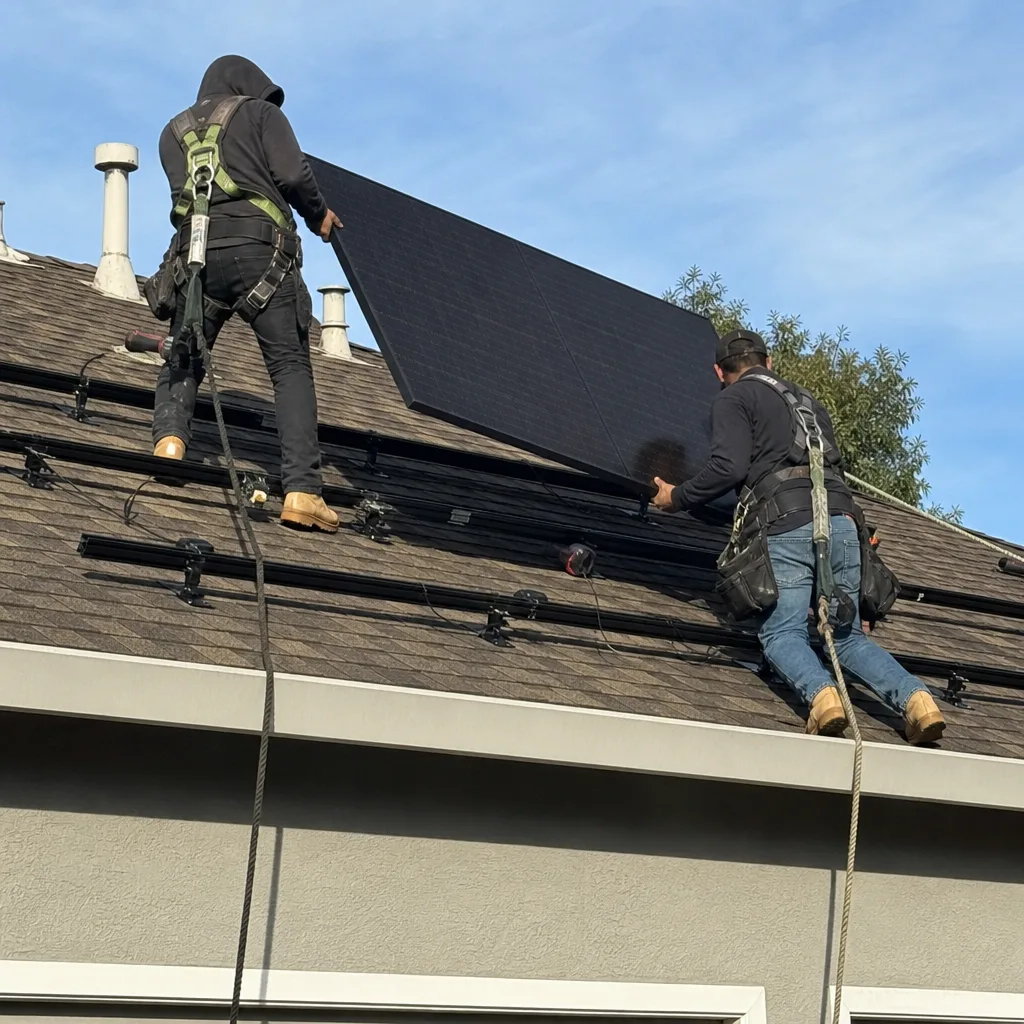
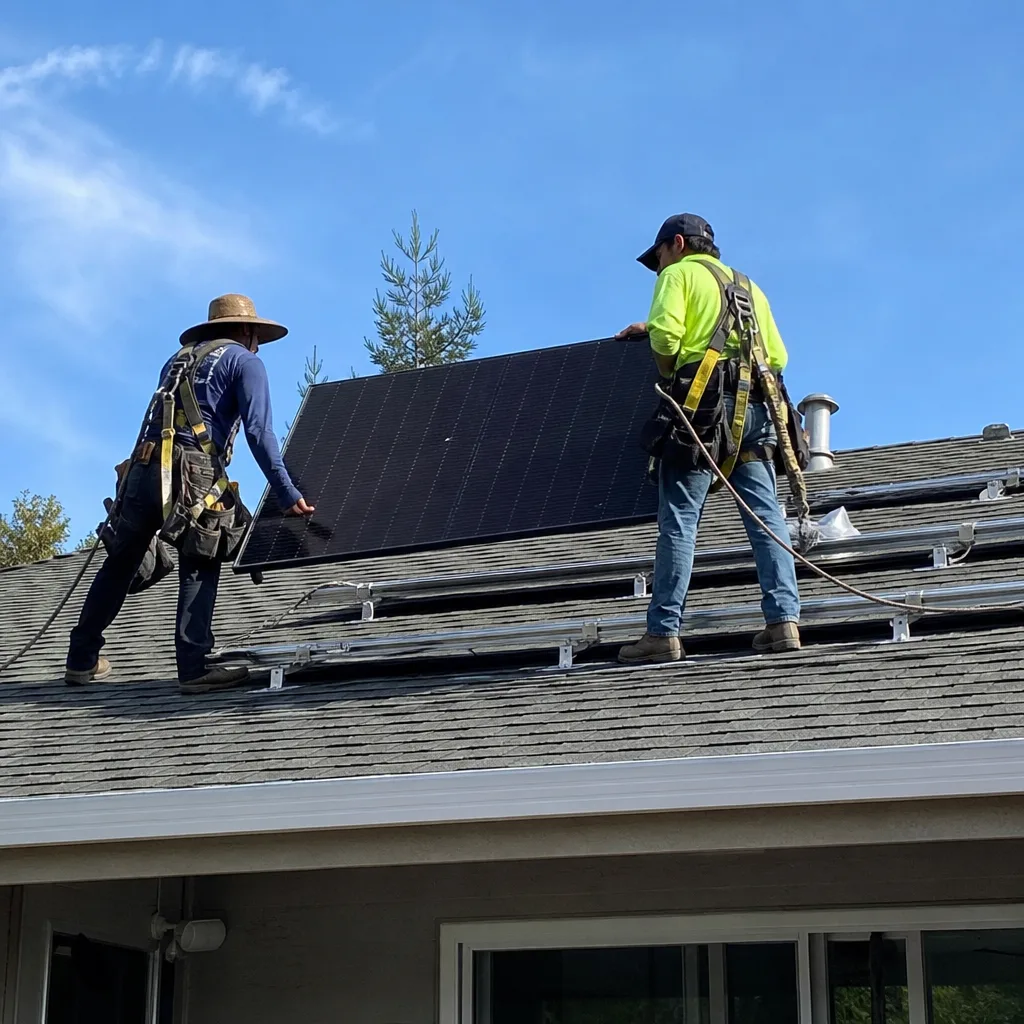
This is the repair that matters most on a Mission District building. Your roof is probably older than your solar system by 80 to 100 years. When a mount flashes improperly, or when salt corrosion eats at the flashing seal, water finds the path between tar and tin and ends up in the ceiling of the top-floor tenant. On a 1912 Edwardian near 24th and Shotwell, our crew diagnosed a solar array showing 18% underproduction. The culprit was salt-corroded MC4 connectors and microinverter housing on the rear roof section, the only place SF Planning allowed the panels. We replaced every connector with corrosion-resistant models, swapped in new Enphase microinverters, and applied anti-corrosion coating to the racking. The system came back to its original production estimate, and the roof stayed dry. If you suspect a leak, don’t wait. Call (877) 550-6892 and we’ll inspect the mount points and the array on the same visit.
What happens when you call
- 1
A real person answersNo phone trees - you reach a local pro.
- 2
You get an upfront price rangeHonest numbers before anyone is dispatched.
- 3
A background-checked tech heads outLicensed & insured, dispatched right away.
- 4
You approve before work beginsNothing starts until you say go.
Trusted Brands We Service in Mission District
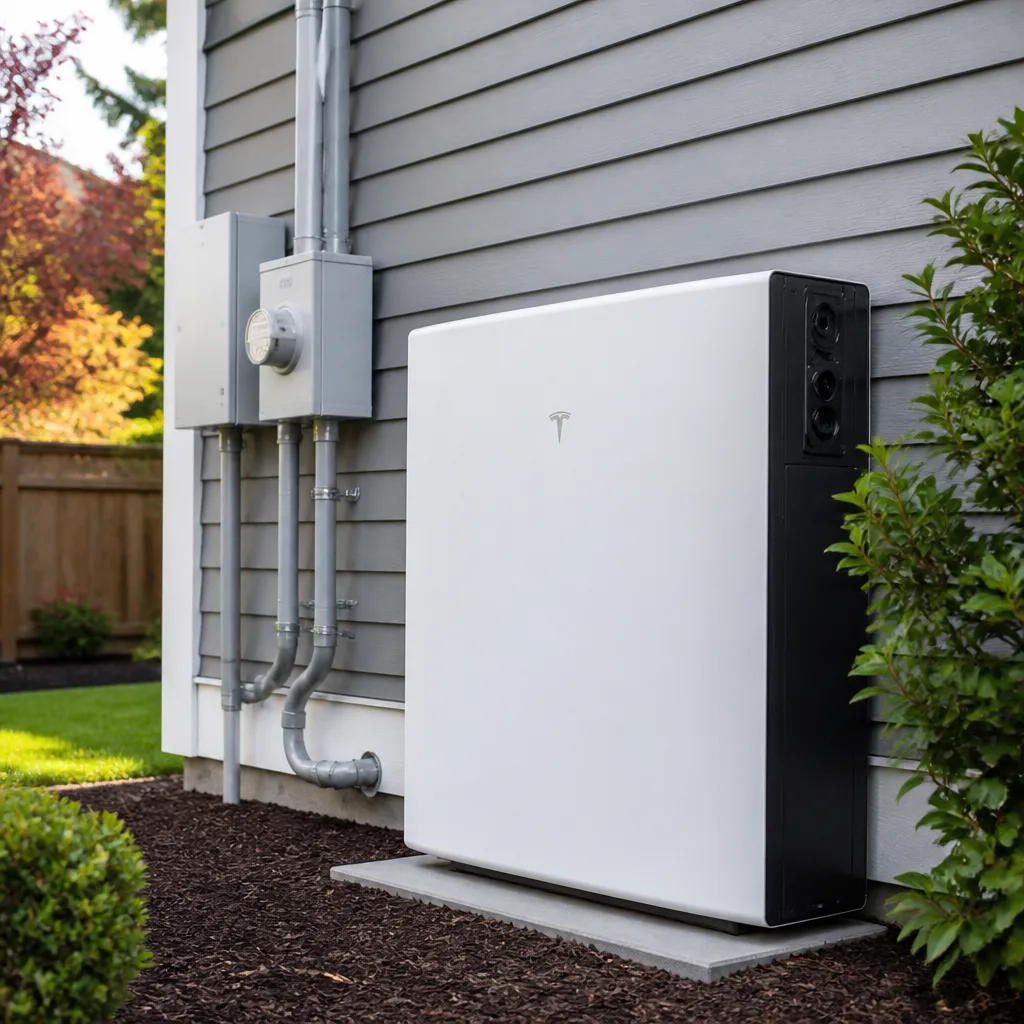
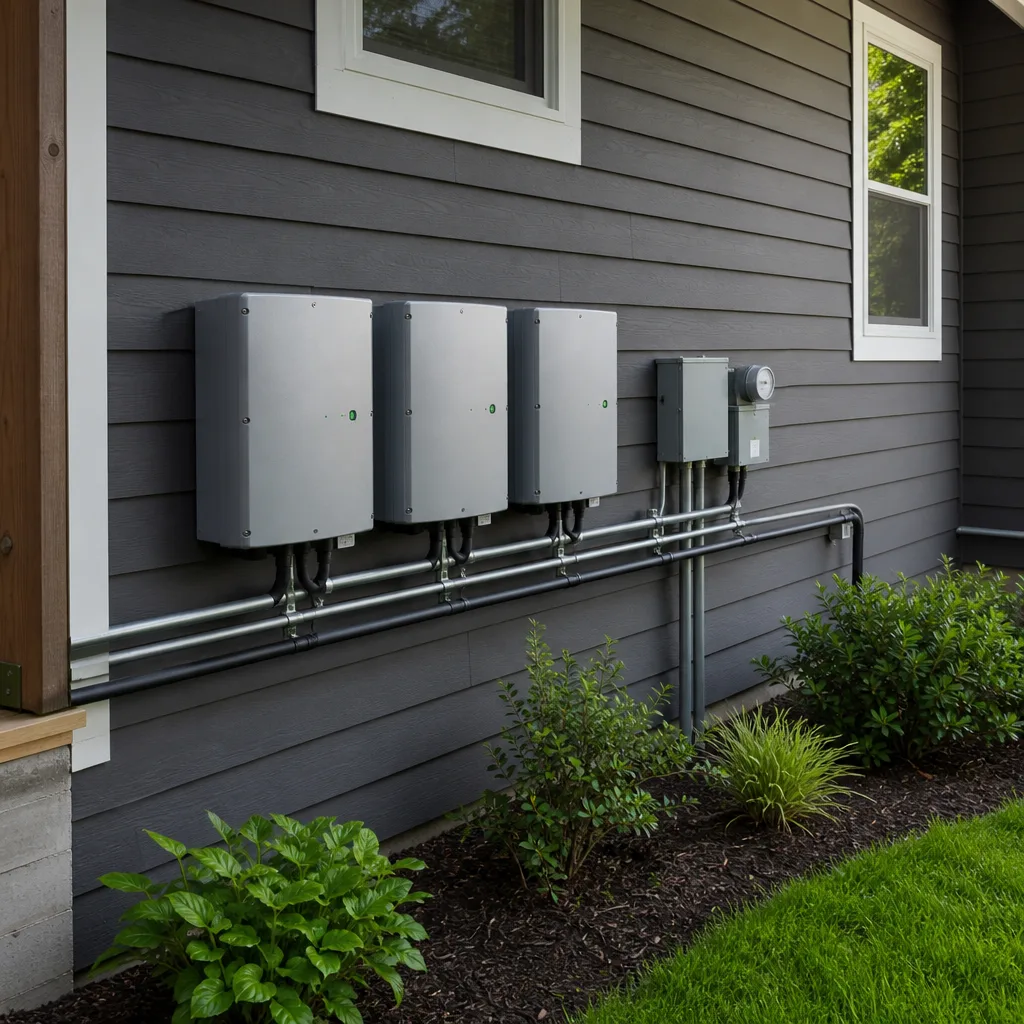
We service and repair the equipment Mission District roofs actually carry. Enphase microinverters on the shared-roof flats. Tesla Powerwalls in the garages of newer single-family infill. SolarEdge inverters hung on the back walls of mixed-use buildings along Mission Street. We keep common replacement parts stocked locally so a connector swap or microinverter replacement doesn’t wait on a freight truck. If your system carries a FranklinWH battery or a SolarEdge inverter and something’s not right, we can diagnose it without calling the manufacturer first.
Common Solar Panel Repair Problems We See in Mission District Homes
- Salt-corroded MC4 connectors and inverter terminals. The same marine layer that kisses the hills blocks the fog but leaves a fine salt residue on everything metal. Connectors that fail here fail because of corrosion, not age, and they fail years earlier than they would in Noe Valley or Glen Park.
- Microinverter failures on rear-roof arrays. SF Planning restrictions on street-facing facades force nearly all Mission District arrays to rear roof sections. Rear roofs get less afternoon sun and more trapped moisture, which stresses microinverter housings and shortens their life.
- Roof leaks around mounts on 100-year-old flat roofs. Original tar-and-gravel roofs with added solar mounts are a recipe for slow leaks. The mount doesn’t fail. The 1915 flashing under it gives way. We see this on Victorians, Edwardians, and the occasional 1940s infill building.
- Orphaned systems on multi-unit flats. A previous owner installed solar. Then the building sold. Then the new owner didn’t know who to call when the inverter started throwing fault codes. Then the system sat dead for two years. This is the most common phone call we get in Mission District: “I bought the building and the solar doesn’t work and I don’t know who installed it.” We take over those systems, document what’s there, fix what’s broken, and set up monitoring under the current owner’s name. We call this an Orphaned-System Takeover, and we do a lot of them around the 94110.
Pricing for Solar Panel Repair in Mission District, CA
Here are the real numbers for Mission District, not a brochure estimate. A corroded MC4 connector replacement on a typical rear-roof array runs $150 to $400, depending on how many connectors and how much of the wiring is compromised. A single microinverter replacement, including the part and roof labor, runs $350 to $650. A roof leak diagnosis and re-seal around a mount point runs $300 to $800; if the flashing has corroded through and needs to be replaced around multiple mounts, you’re looking at $800 to $1,800. Panel replacement after damage runs $550 to $1,100 per panel, including disposal of the old panel and matching hardware. The Mission District factor is corrosion. Repairs that are simple inland are simply more involved here, and the price reflects the parts and sealing work, not the sales pressure. We carry a standing offer: $40 off any repair over $200. Seniors and veterans get 10% off, and that discount never expires. Free estimates, and the number we quote is the number you pay. Call (877) 550-6892 and we’ll walk through your specific system.
We Also Serve Cities Near Mission District
Our crews are in and around Mission District daily, so we regularly take repair calls from Mission District neighbors in Noe Valley, Visitacion Valley, Chinatown, and other San Francisco neighborhoods. If you’re a few blocks outside the 94110 and your inverter is beeping, call us. We’ll send someone from our local Solar Panel Repair team before the week is out.
Serving Mission District, CA - Our Local Coverage Area
We’re based in the Mission District area and know this community well. Use the map below to see our service coverage - if you’re nearby, we can almost certainly help.
FAQs - Solar Panel Repair in Mission District
The fog shadow east of Twin Peaks gives Mission District roofs more peak sun hours than the Sunset or Richmond, but it doesn’t reduce the salt in the air. That salt settles on connectors, racking, and inverter housings and causes corrosion-related failures that inland neighborhoods like Noe Valley rarely see. Expect more connector and microinverter repairs in Mission District, and expect them even on systems less than 10 years old if the original install wasn’t sealed for salt exposure. If your system is underproducing or throwing errors, call (877) 550-6892 for a diagnostic.
Yes. Most Mission District Victorian and Edwardian flats can only have arrays on rear roof sections due to SF Planning design review. That means repairs happen on rear roofs, often accessed from a narrow light well or an alley, not the street. We’ve done enough of these jobs to know which buildings on which blocks have what access constraints. We repair the equipment wherever it sits, even if the original installer had to fight the planning department to put it there.
Moisture intrusion into the housing from salt-laden air is the most common microinverter failure we see in Mission District. The housing seal degrades, condensation forms inside, and the unit stops communicating with the monitoring system while the panel itself is fine. Enphase units from the early M- and IQ-series are the most common on Mission roofs. We replace them with new sealed units and confirm your monitoring app is reading production before we pack up.
Look at where the water appears. If the leak is directly under a mount point, or if you see water staining running from a penetration down a rafter or a top-floor ceiling joist, the mounts are the likely path. Mission District roofs are overwhelmingly original or early-upgraded flat or low-slope roofs, and they were never designed for modern penetrations. Water can travel inches from the actual breach. We do a visual inspection of every mount, pull the boots, check the flashing, and water-test if needed. If it’s the roof’s age, not the solar, we’ll tell you that too. We won’t sell you a mount repair if the 1910 tar paper is the problem.
Neither meaningfully, in terms of panel silicon. The fog shadow gives you more production hours, but panel degradation rates are driven by heat and UV, and Mission District stays mild. What degrades faster here is everything metal around the panels: connectors, fasteners, racking, and inverter enclosures. Salt corrosion shortens the life of those components by years compared to inland SF. A Mission District array may produce well for 25 years, but its connectors and microinverters will likely need attention at years 8 to 15. That’s the repair cycle, and that’s why corrosion-resistant parts and sealing matter. Call (877) 550-6892 if you’re seeing production drop or fault codes.
Written by Gus Petrakis, Owner at Gus’s Solar, serving Mission District since the day we opened our doors in 2011.