
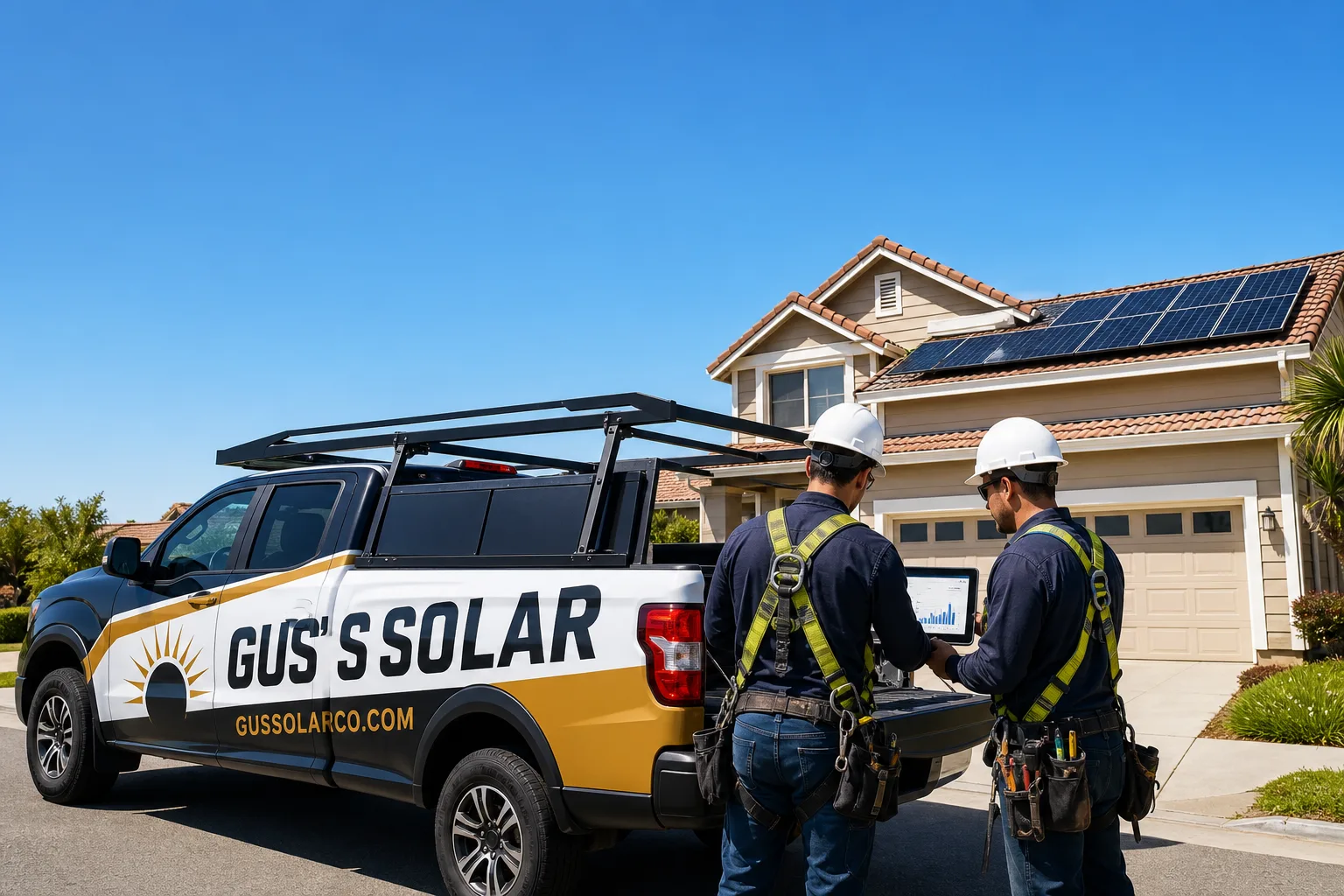
Free bill analysis - bring a power bill, get the production math for your actual roof, panel brands like Qcells and REC compared side by side
If the pitch starts at your door and ends with "sign tonight for the special," sleep on it. The sun will still be there tomorrow; so will we.
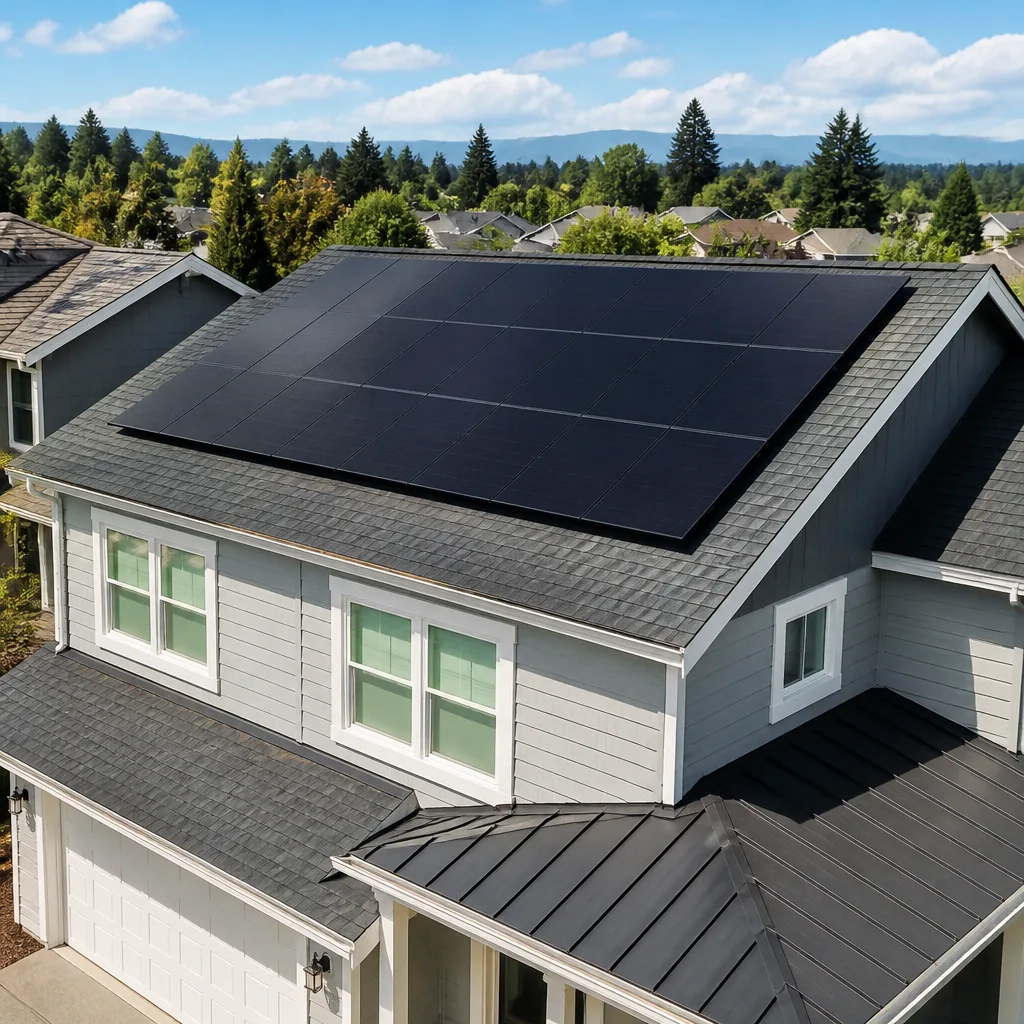
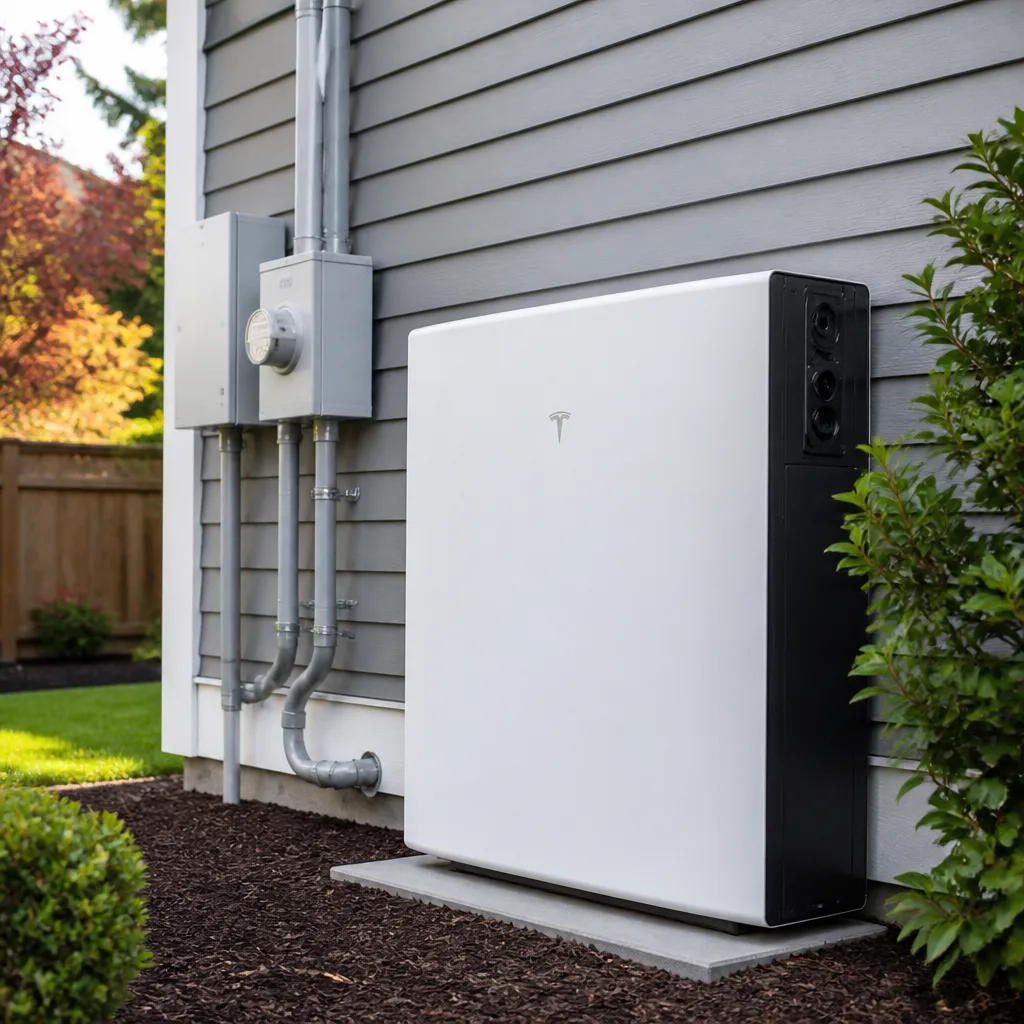
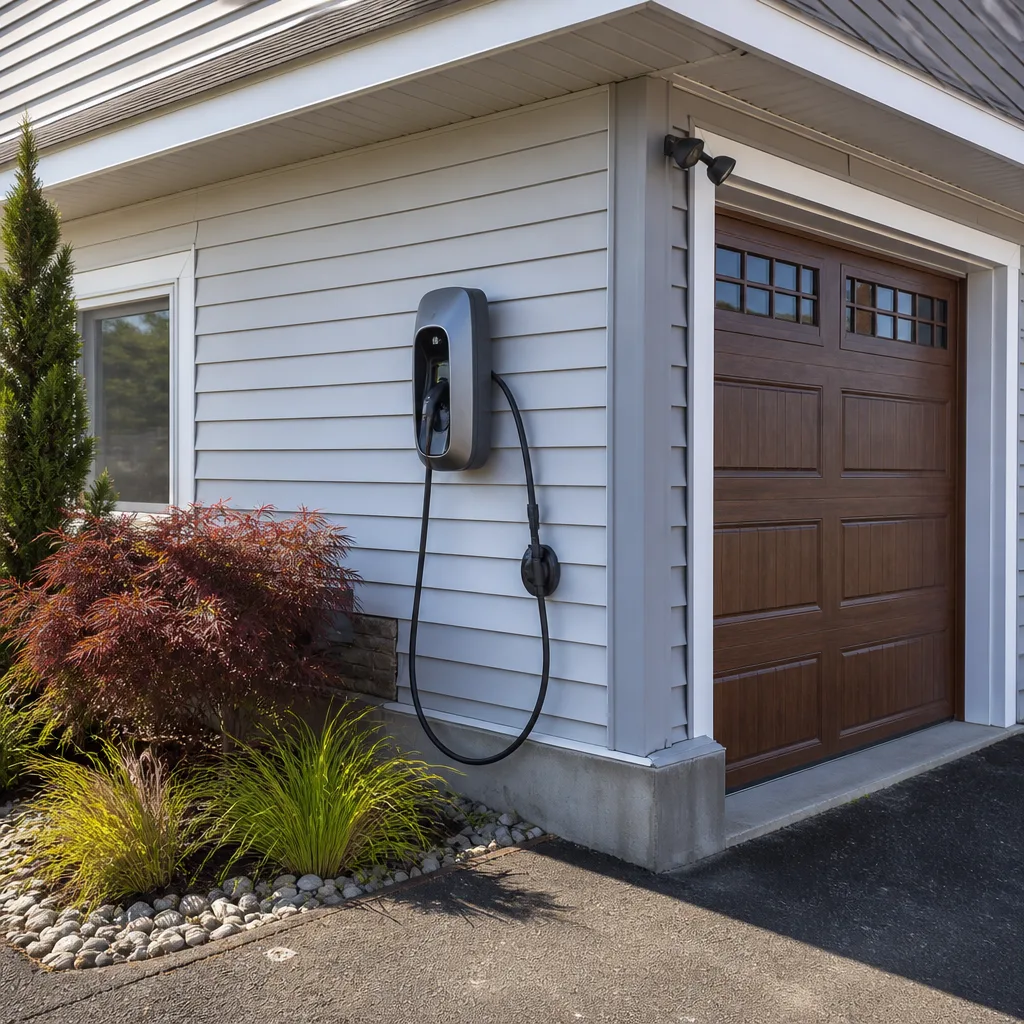
 Before
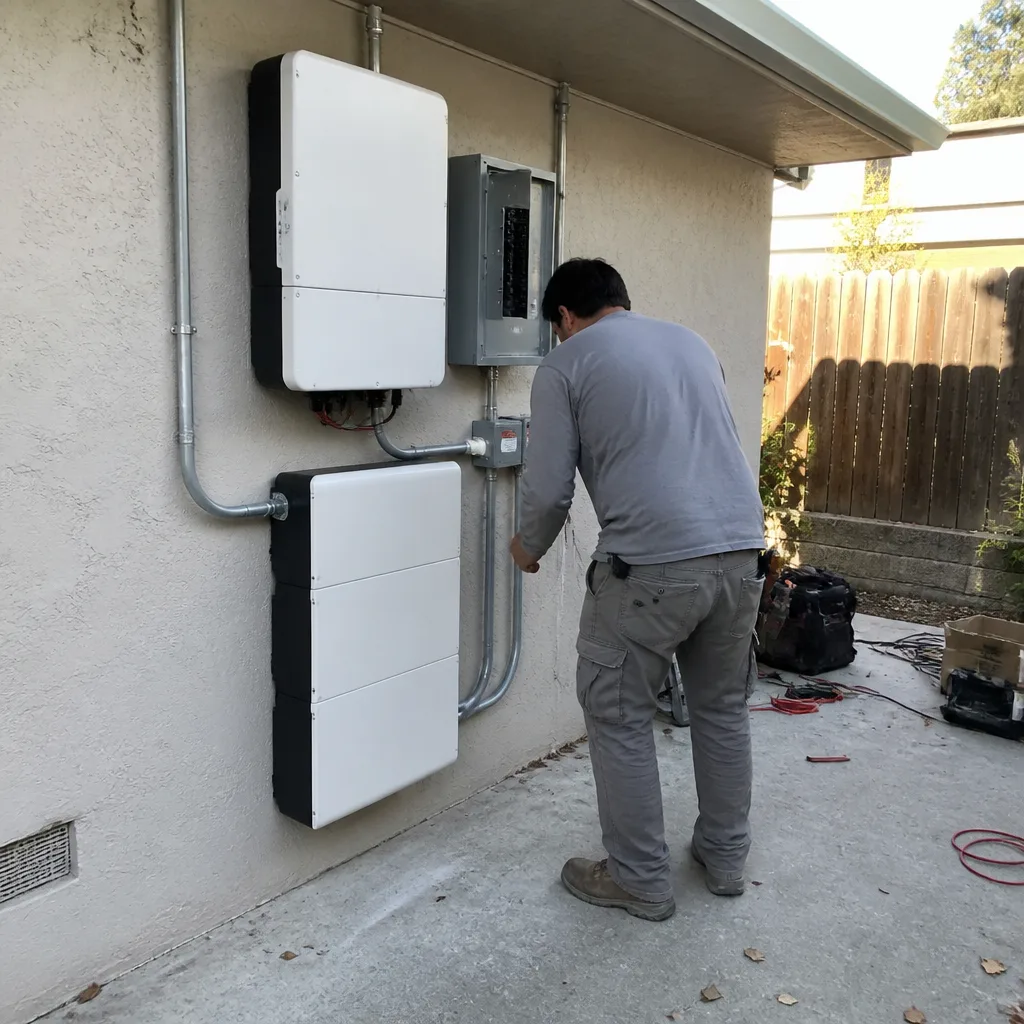 After
After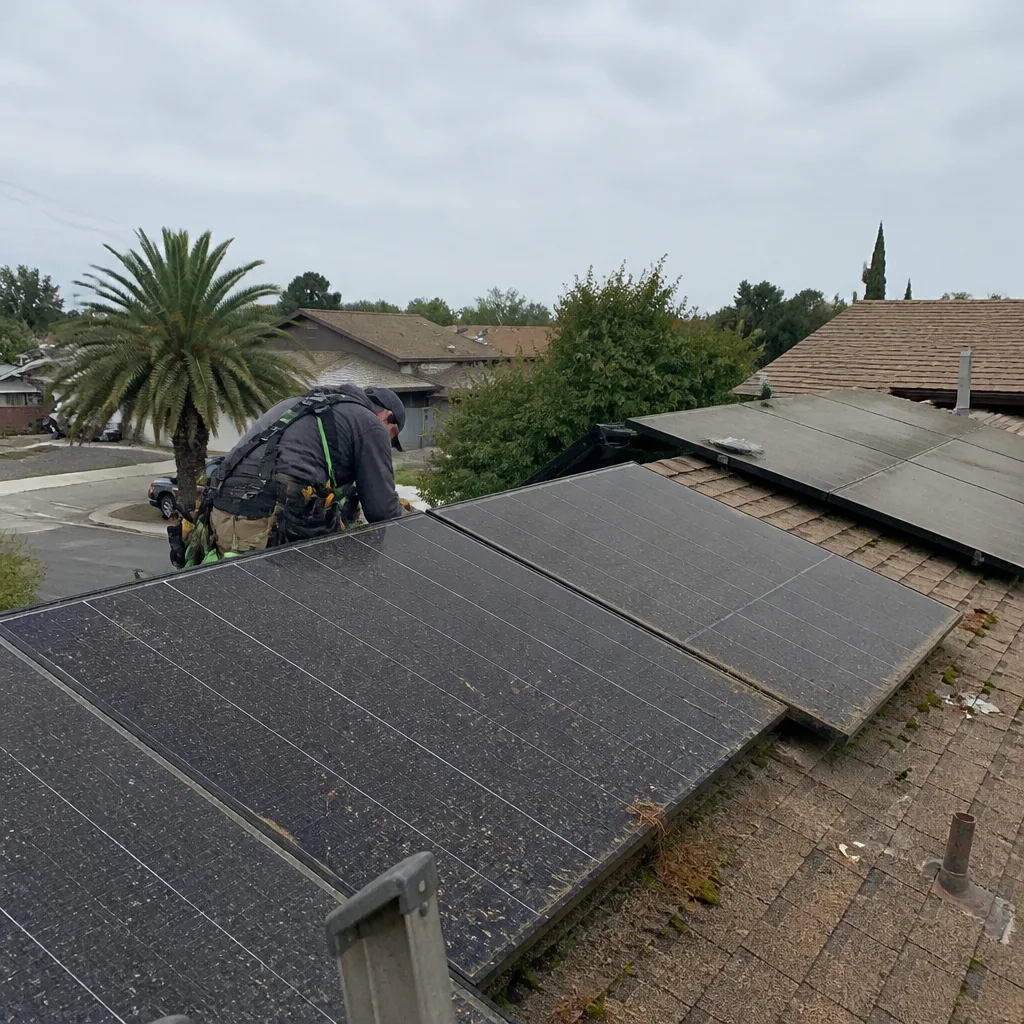 Before
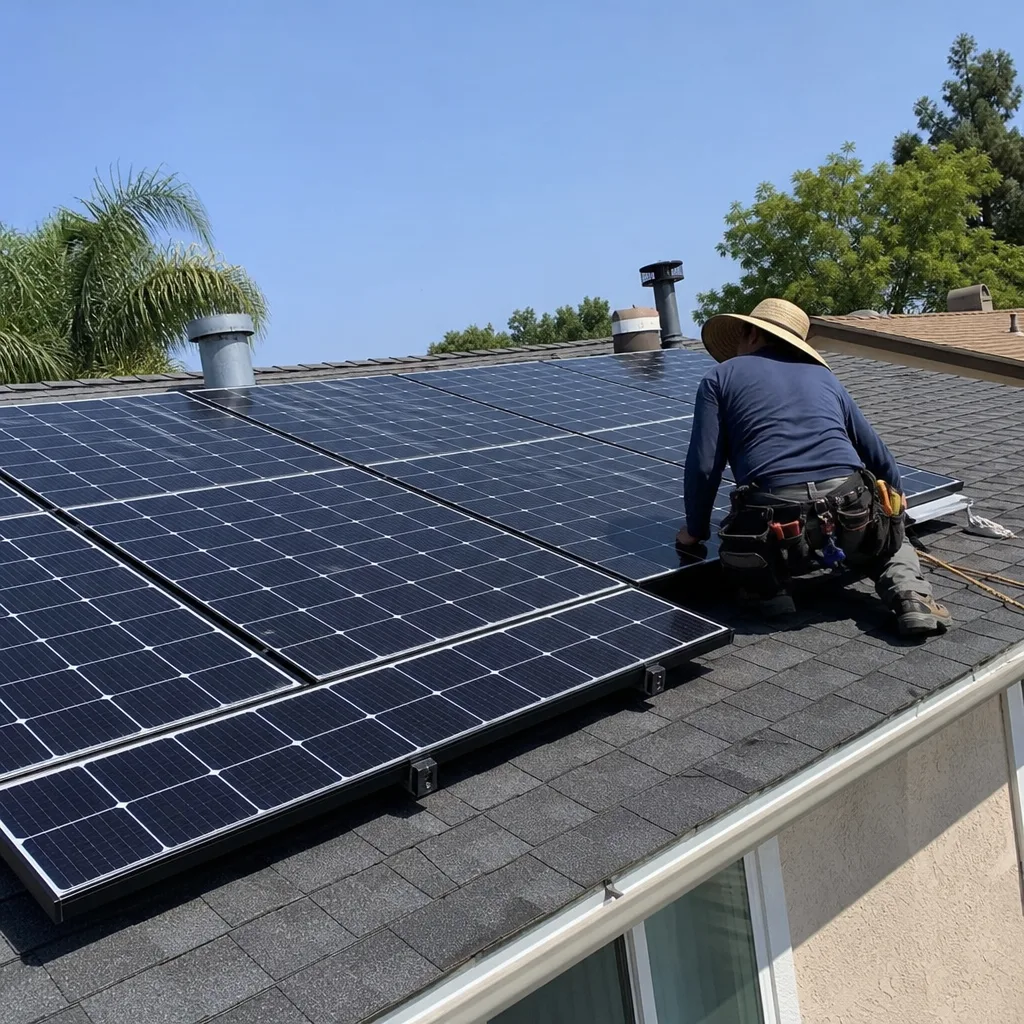 After
After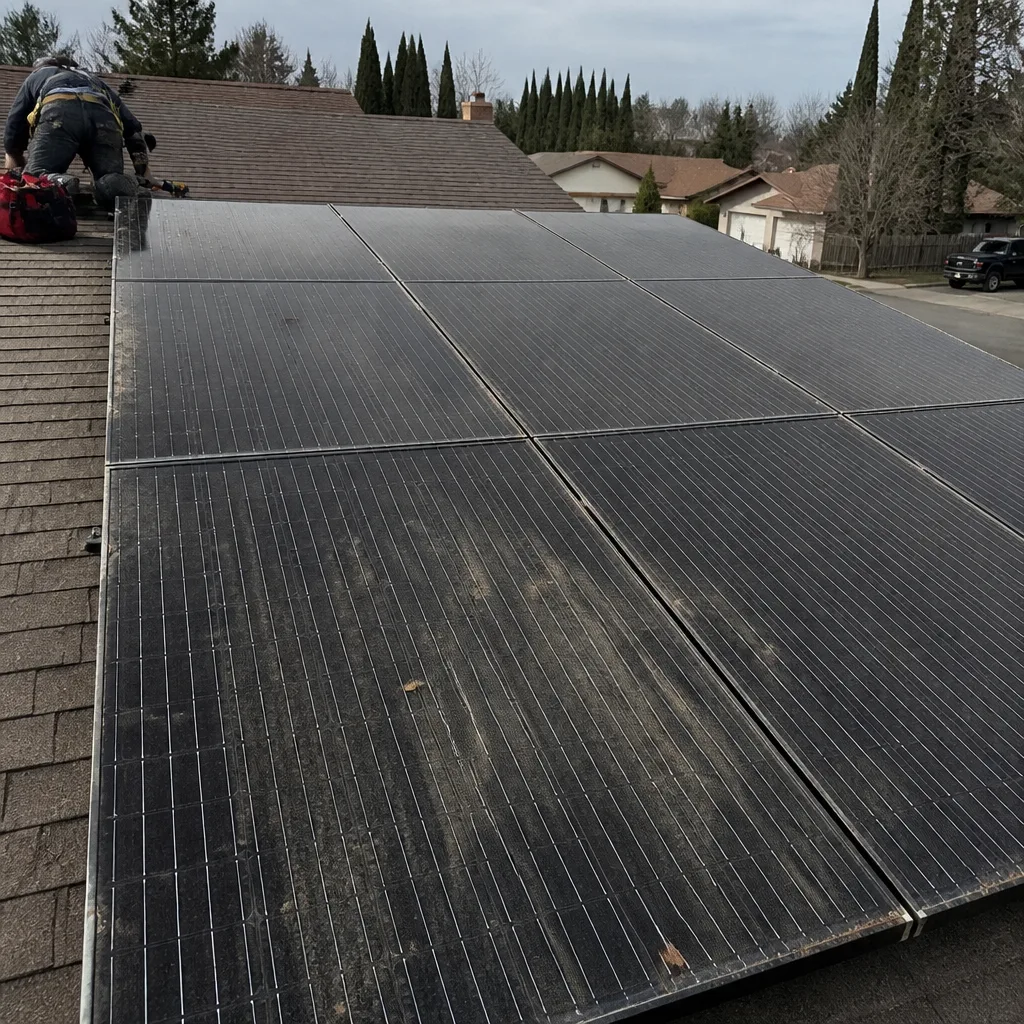 Before
 After
AfterFast, Reliable Solar Panel Repair Across Live Oak
Solar panel repair in Live Oak usually starts with a simple question: is your system actually broken, or is the valley fog just doing what it does every winter? Most repair calls we get from the 95953 zip code turn out to be a combination of both. A loose connector from storm wind plus a week of tule fog reads like a dead array, but the fix is often a $200 connector replacement, not a $3,000 inverter. We know Live Oak’s weather patterns because we work here every week. Call (877) 550-6892 and we’ll send a tech who can tell the difference before you spend a dime.
Why Gus’s Solar Is Live Oak’s Preferred Solar Panel Repair Company
Gus Petrakis started this company in 2011 and never handed it off to a sales team or a call center. When you call about a repair in Live Oak, a live person answers. Not a ticket queue. Not a voicemail that says “we’ll get back to you within two business days.” Gus’s crew does the work, background-checked and uniformed, and the 90-Day Done Right Promise applies to every panel repair, connector swap, and inverter replacement we touch. If it’s not right, one call brings the team back. No arguing, no fine print.
Live Oak homeowners between Pennington Road and the Sutter County line keep our number saved for one reason: we show up with honest numbers. We don’t quote a phone estimate that doubles at the door, and we don’t pressure you to sign a replacement contract the same afternoon. Take two weeks to think about it. The price will be the same. That’s how we’ve done it for over a decade, and it’s why word spreads from one ranch-style street to the next out here.
Our Solar Panel Repair Services in Live Oak
Roof Leak Repair Around Mounts
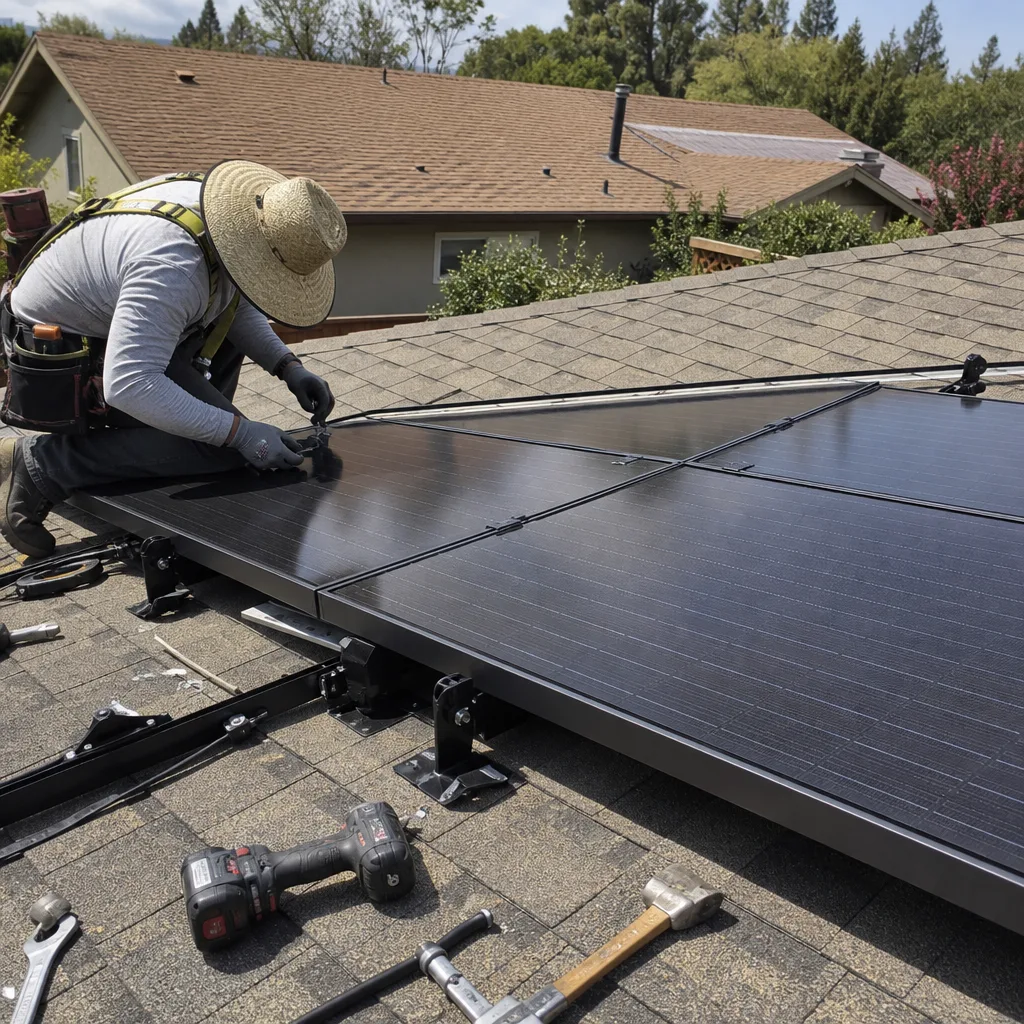
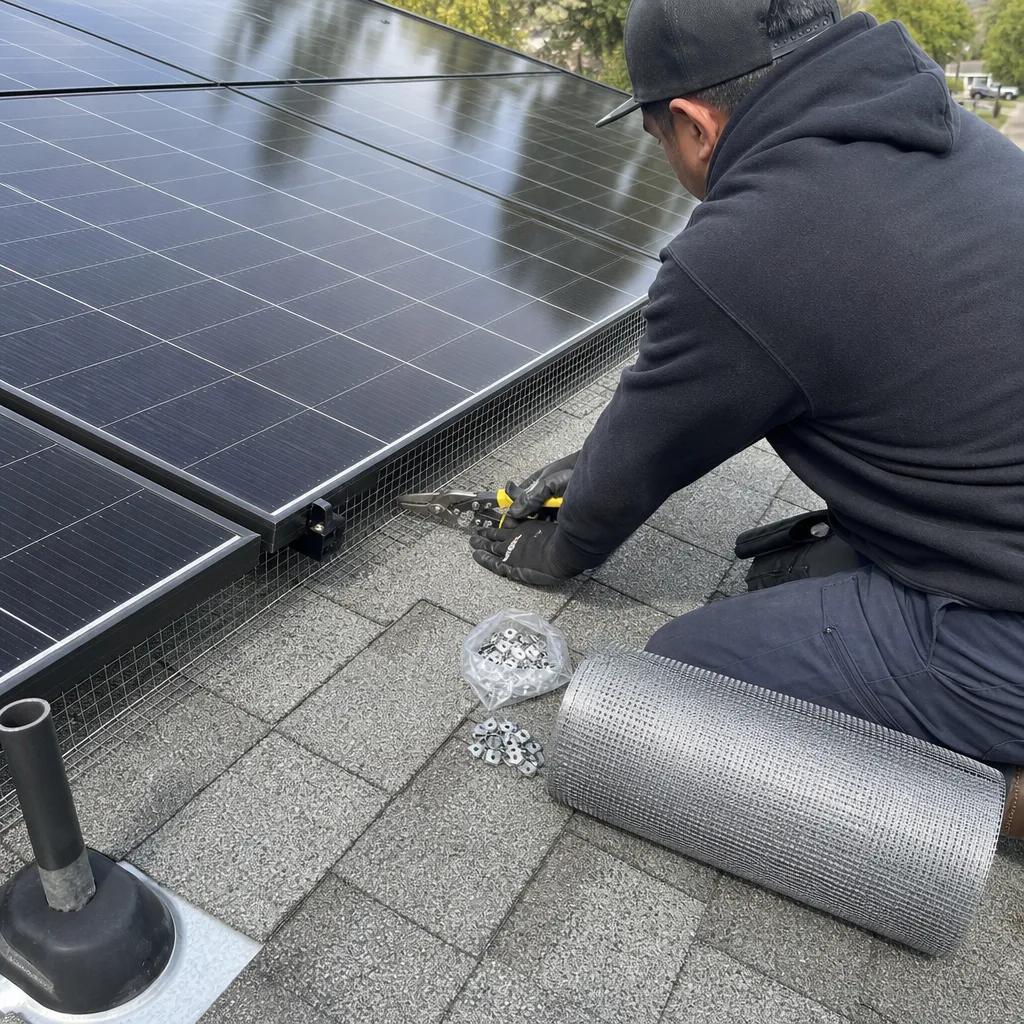
Older ranch homes in Live Oak have roof decks that were built before modern flashing standards. Add 40 mph winter gusts and years of thermal expansion, and a mount that looked fine in June becomes a slow drip by February. We remove the affected shingle or tile, inspect the lag bolt penetration, replace the flashing with a properly sealed boot, and re-secure the rail. Most roof-leak repairs around mounts on Live Oak homes run $350 to $800, depending on whether the decking underneath needs patching. If your ceiling stain lines up with where the panels sit, don’t wait for the next storm.
Inverter Repair & Replacement
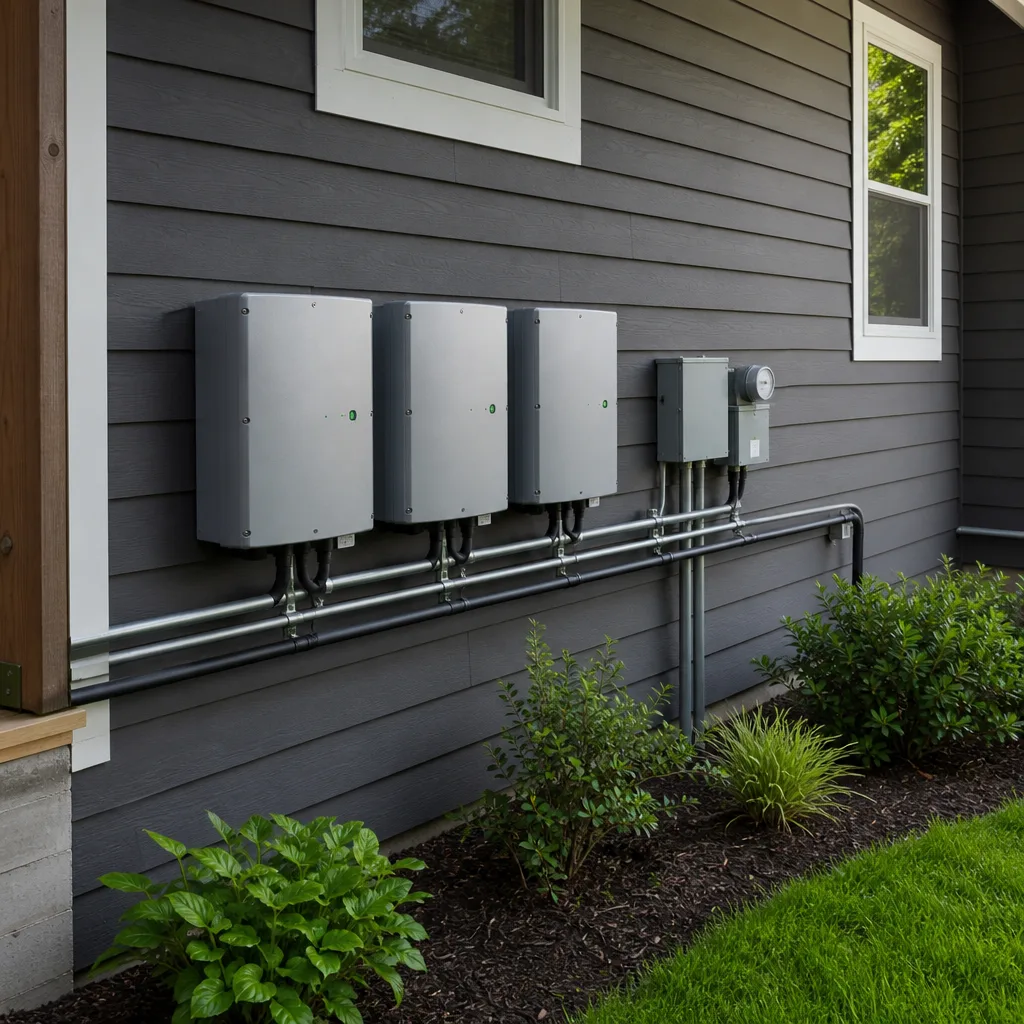
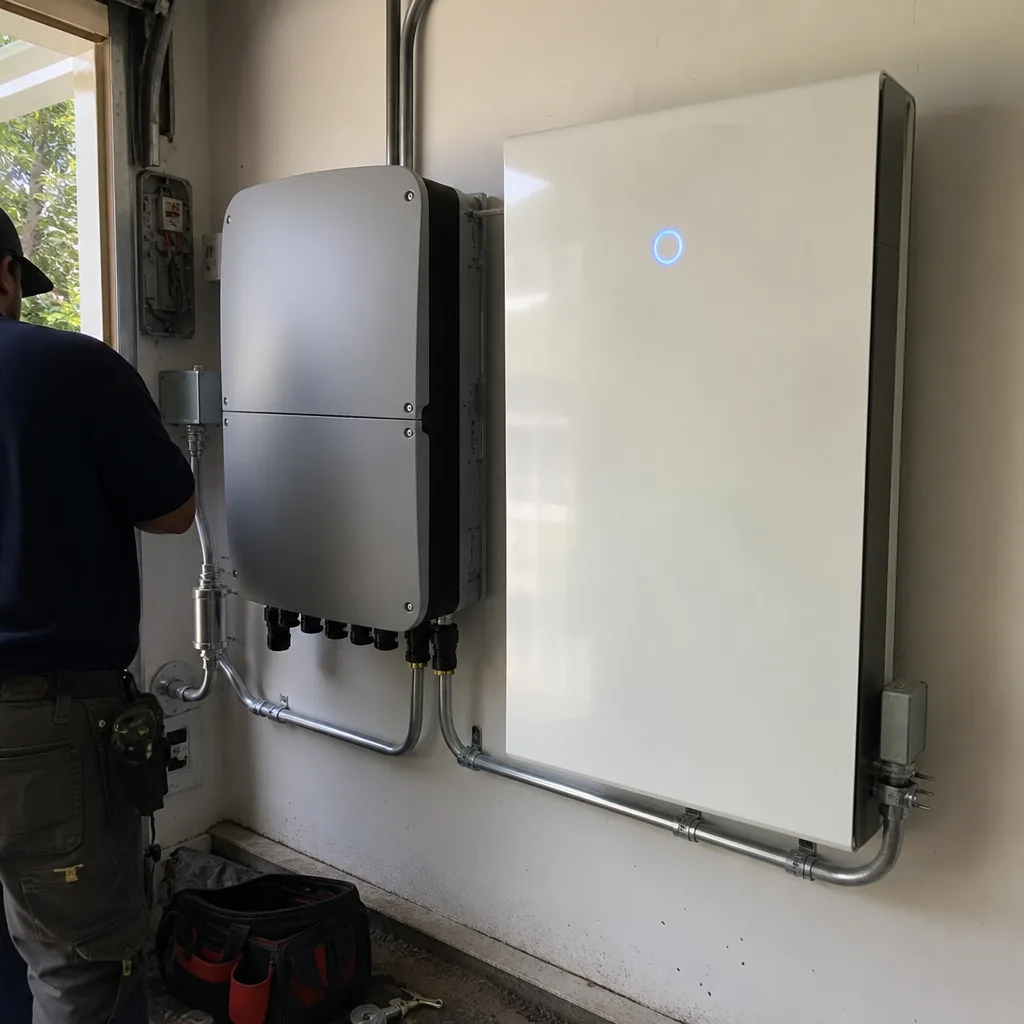
SolarEdge and Enphase inverters fail in patterns. In Live Oak, the most common failure we see is a ground-fault alarm that trips after weeks of fog condensation inside the enclosure. Sometimes it’s a capacitor replacement and a re-seal. Sometimes the unit is beyond saving and you need a new one, which typically runs $1,800 to $3,200 installed here. We’ll diagnose it on the spot and give you a straight answer with no upsell pressure. Live Oak’s humidity cycle is tough on outdoor enclosures, so we also check the cooling fan and the AC disconnect while we’re there.
Wiring & Connector Repair
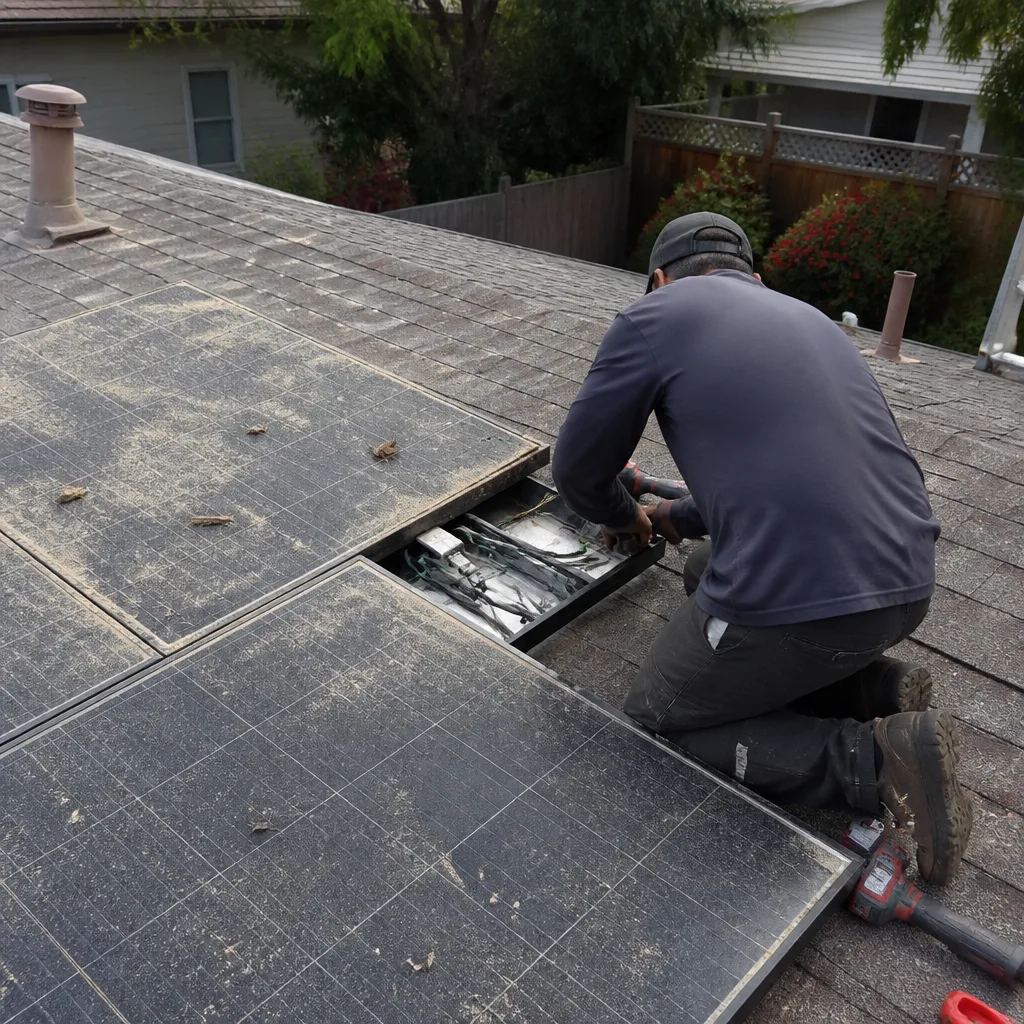
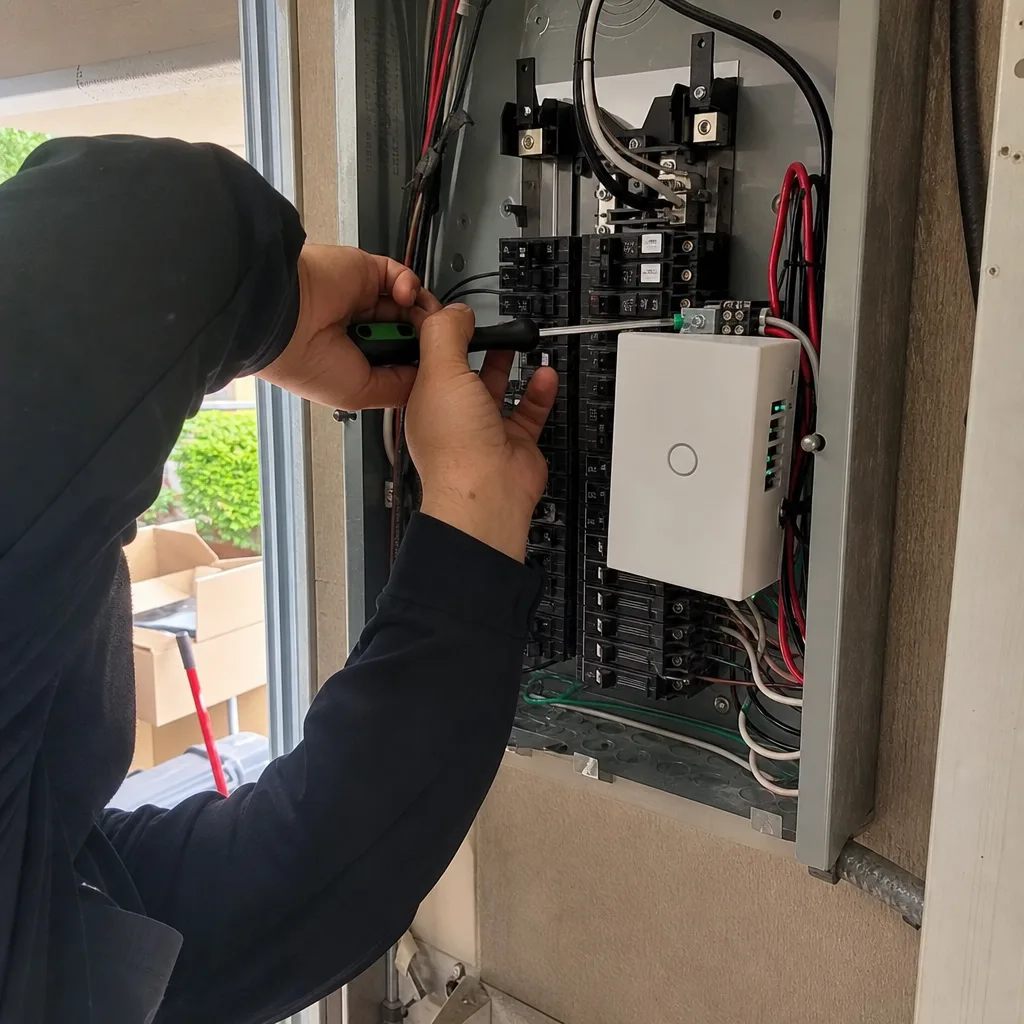
Loose MC4 connectors and corroded junction boxes account for a large share of the repair calls we run in Live Oak. The flat, open terrain means wind hits rooflines without any hills to break it up, and vibration works connectors apart over time. A single failed connector can drop a whole string offline, and the fix is often under $200. We trace the arc-fault code, test each connection along the string, and replace any connector or wire run that shows moisture intrusion or heat damage.
Microinverter Replacement
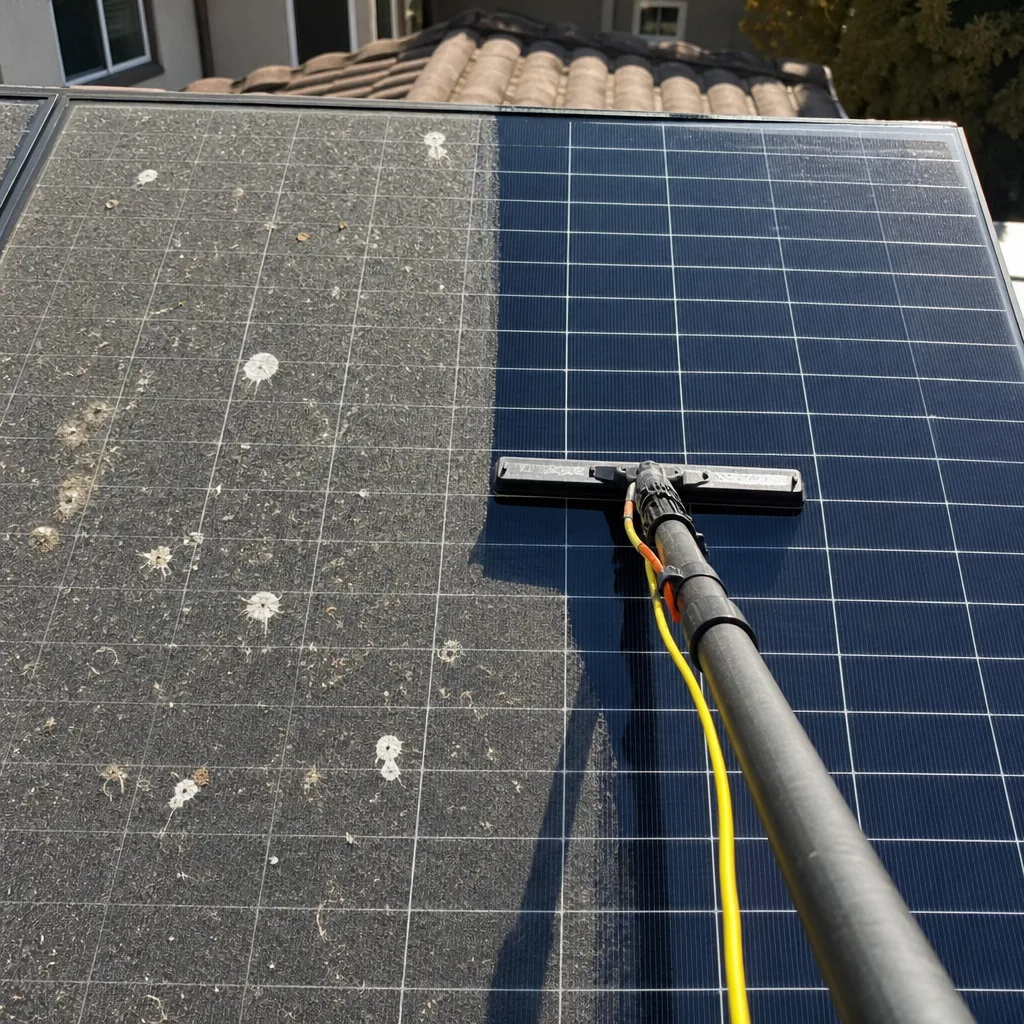
Microinverters sit under each panel and take the full brunt of Sacramento Valley summer heat and winter fog moisture. When one fails, the rest of the array keeps running, which is why a single-panel output drop is the tell. Replacement in Live Oak typically runs $400 to $750 per unit including labor, with Enphase and Tesla units both in our local parts stock. Note that pre-1980 homes with original 100-amp panels sometimes need a service upgrade before a microinverter swap is worth doing. We’ll tell you if that’s the case on your house, and we’ll quote the panel upgrade separately so you know the full number before approving anything.
For the full scope of what we do, see our Solar Panel Repair page.
What happens when you call
- 1
A real person answersNo phone trees - you reach a local pro.
- 2
You get an upfront price rangeHonest numbers before anyone is dispatched.
- 3
A background-checked tech heads outLicensed & insured, dispatched right away.
- 4
You approve before work beginsNothing starts until you say go.
Trusted Brands We Service in Live Oak
We service and repair systems built on Panasonic, Canadian Solar, JinkoSolar, and FranklinWH equipment, among others, and we keep common replacement parts within a day’s reach for Live Oak customers. For example, FranklinWH battery integration issues on a fog-affected system are easier to resolve when the tech arrives with the right firmware tooling rather than ordering parts after the first visit. We don’t push you toward a brand switch just to make a sale. If your existing equipment can be repaired safely and cost-effectively, that’s what we recommend. If a part is known to fail repeatedly, we’ll show you the failure-rate data and let you decide with real numbers, not fear.
Common Solar Panel Repair Problems We See in Live Oak Homes
- Fog-season production dips mistaken for failure: Live Oak sits in the Sacramento Valley’s tule fog belt. From November through February, dense radiation fog can suppress daily solar output to near zero for multi-day stretches. A homeowner sees zero kWh on the monitoring app and assumes the system broke. Our first step is always to check PG&E’s historical data for the week and compare it to prior fog seasons before testing hardware.
- Storm winds loosening mid-clamps and rail feet on 1950s-70s ranch roofs: The older the roof deck, the more play there is in the original penetration points. Winter gusts riding off the flat valley floor work those fasteners loose gradually. By summer, when the system pulls full load, a loose mid-rail shows up as microcracks or persistent arc faults.
- Moisture inside AC disconnects and inverter enclosures: Fog isn’t rain, but it is airborne water. Week after week of condensation inside a disconnect switch or an inverter cabinet leads to corrosion and ground faults. We see this most often on homes near the Feather River and the western edge of town where fog sits longest.
- Original 100-amp panels blocking repair work: Many Live Oak homes built before 1980 still carry their original 100-amp main panel. When these homes need a modern microinverter replacement or an inverter upgrade, PG&E interconnection rules often require a 200-amp panel first. Out-of-area contractors quote the inverter and never mention the panel. We bake the full scope into the first number you see.
Pricing for Solar Panel Repair in Live Oak, CA
Here’s what we’ve actually charged for recent Live Oak jobs, so you have real ranges rather than a vague “it depends.”
| Repair Type | Typical Range in Live Oak |
|---|---|
| Wiring or connector repair | $150 - $400 |
| Roof leak repair around mounts | $350 - $800 |
| Microinverter replacement (per unit) | $400 - $750 |
| Inverter repair (component-level) | $250 - $600 |
| Full inverter replacement (incl. labor) | $1,800 - $3,200 |
| Panel replacement after storm damage | $650 - $1,400 depending on panel wattage and racking reuse |
What moves a Live Oak job to the upper end: roof height, older decking that needs reinforcement, a 100-amp-to-200-amp panel upgrade triggered by the repair, or damage from a fallen branch that also bent rails. We offer free second opinions on any written estimate you’ve received, a no-trip-charge policy inside Sutter County, and a $40 discount on any repair over $200. Senior and veteran customers get 10% off, no expiration. Call (877) 550-6892 for an exact quote. Estimates are free.
Key Takeaways for Live Oak Solar Owners
- Fog-related production drops in Live Oak are often misread as hardware failure. Check true-up history before authorizing a repair.
- Loose connectors and corroded disconnects are the most common real faults we find after fog season.
- Pre-1980 ranch homes frequently need a 200-amp panel upgrade before a repair can be interconnected. Get that quote upfront.
- Roof leaks around mounts are fixable without pulling the whole array, but early intervention saves the decking.
We Also Serve Cities Near Live Oak
Beyond Live Oak, our crew regularly handles Solar Panel Repair in Live Oak and the surrounding Sutter County communities of Gridley, South Yuba City, Tierra Buena, and Marysville. If you’re a few minutes up Highway 99 or off Township Road, the same live-answer phone line and the same 90-Day Done Right Promise apply.
Serving Live Oak, CA - Our Local Coverage Area
We’re based in the Live Oak area and know this community well. Use the map below to see our service coverage - if you’re nearby, we can almost certainly help.
FAQs - Solar Panel Repair in Live Oak
The fastest check is to look at PG&E’s public solar production data for your area during the same week in previous years. If your system reliably drops to near zero during fog weeks and recovers after, that’s weather, not hardware. If production stays low after the fog clears on a sunny day, or if only one panel or one string is down while the rest produce normally, call us. We’ll run a component-level test and tell you within the first visit whether there’s actually a fault or whether the fog was the whole story. Call (877) 550-6892 to set up a diagnostic visit.
Fog is airborne water, and weeks of it condenses inside inverter enclosures and AC disconnects, especially on homes near the Feather River or low-lying parcels west of Griffith Avenue. The moisture creates a path to ground that triggers the alarm. The fix is usually a drying-out and re-sealing with a new gasket, plus testing the DC-side insulation. In some cases we replace corroded terminal blocks. The repair typically runs $250 to $600. If the alarm repeats after drying, we’ll check for water ingress through the conduit or a compromised enclosure and quote the repair honestly.
Yes, in most cases we can remove the affected panel, lift the rail section, replace the flashing and sealant around the lag bolt, and reinstall without dismantling the entire array. The cost runs $350 to $800 depending on whether the decking underneath has started to rot. The key is getting to it before the next winter storm cycle. A small drip now becomes a waterlogged deck and a mold problem by spring. Call us and we’ll inspect the mount, test the seal, and give you a fixed quote the same day.
First, shut off the AC disconnect and the inverter breaker so the system isn’t trying to re-energize damaged wiring. Then call us at (877) 550-6892. We’ll ask you to describe the monitoring-app status, check for visible panel damage from the ground, and then send a tech. Do not get on the roof yourself after a storm. Loose rails, damaged racking, and exposed conductors are dangerous, especially on steep or wet roofs. Our crew is trained and equipped for post-storm repair in Live Oak and we can usually be out the same day.
Because December in Live Oak is peak fog season. The Sacramento Valley’s tule fog can sit on the flat terrain for three or four days straight, cutting solar irradiance to nearly nothing. Your panels aren’t broken and your inverter isn’t failing. When the fog burns off, production returns. We see this pattern every year, and we’d rather tell you that over the phone than sell you a repair you don’t need. If you want confirmation, we can pull a month-by-month production comparison and show you the fog signature. That diagnostic is free with any repair estimate, or part of a regular maintenance visit. If your system is still at zero after the fog clears, that’s a different conversation, and we’ll find the real fault.
Storm and Fog Resilience: Your Local Repair Playbook
Live Oak’s tule fog belt creates a seasonal production blackout that neighboring foothill towns largely escape. Here’s what that means for solar owners: a “small” drop in panel output from November through February is often not a panel failure at all. It’s moisture-and-fog suppression of daily irradiance. A repair tech who doesn’t know this pattern will chase a ghost and likely sell you a part you don’t need. Our entire repair approach in Live Oak starts with this reality. We read your true-up statement and your production history before we touch a single component.
But fog isn’t the only thing working against your system out here. Storm winds on older ranch-home roof penetrations gradually loosen mid-clamps and rail feet. You won’t notice it during the fog season, when nothing is producing anyway. You’ll notice it in July, when the system finally gets full sun and a microcrack or an arc fault trips the inverter. By then the damage has been compounding for months. We rebuilt a SolarEdge inverter and resecured three REC panels on a ranch-style home near the Sutter County line after a winter storm tore a mid-rail loose. The homeowner had noticed zero kWh offset for four straight fog days and assumed the system was dead. Our tech checked the true-up statement, isolated a loose wiring connector and a failed rapid shutdown switch, and restored generation once the fog lifted. That’s the Local roots, On time, Community first, Accountable, Loyal operating code in practice.
This page isn’t a generic “we fix solar” pitch. It’s a fog-and-storm-specific repair playbook for Live Oak: where to look for moisture faults, which roof mounts fail first on 1950s-70s ranches, and how to read a PG&E NEM true-up when winter production goes dark. If you bought your system from a national outfit and haven’t seen a familiar face since the day the salesman left, we’re happy to take over the monitoring and maintenance. Orphaned-system takeover is a regular part of our week. Bring us a bill, we’ll bring you the math. And if you’re not ready to decide, don’t. Take two weeks. The price will be the same.
Written by Gus Petrakis, Owner at Gus’s Solar, serving Live Oak and Sutter County with honest solar repair since 2011.