
Free bill analysis - bring a power bill, get the production math for your actual roof, panel brands like Qcells and REC compared side by side
If the pitch starts at your door and ends with "sign tonight for the special," sleep on it. The sun will still be there tomorrow; so will we.
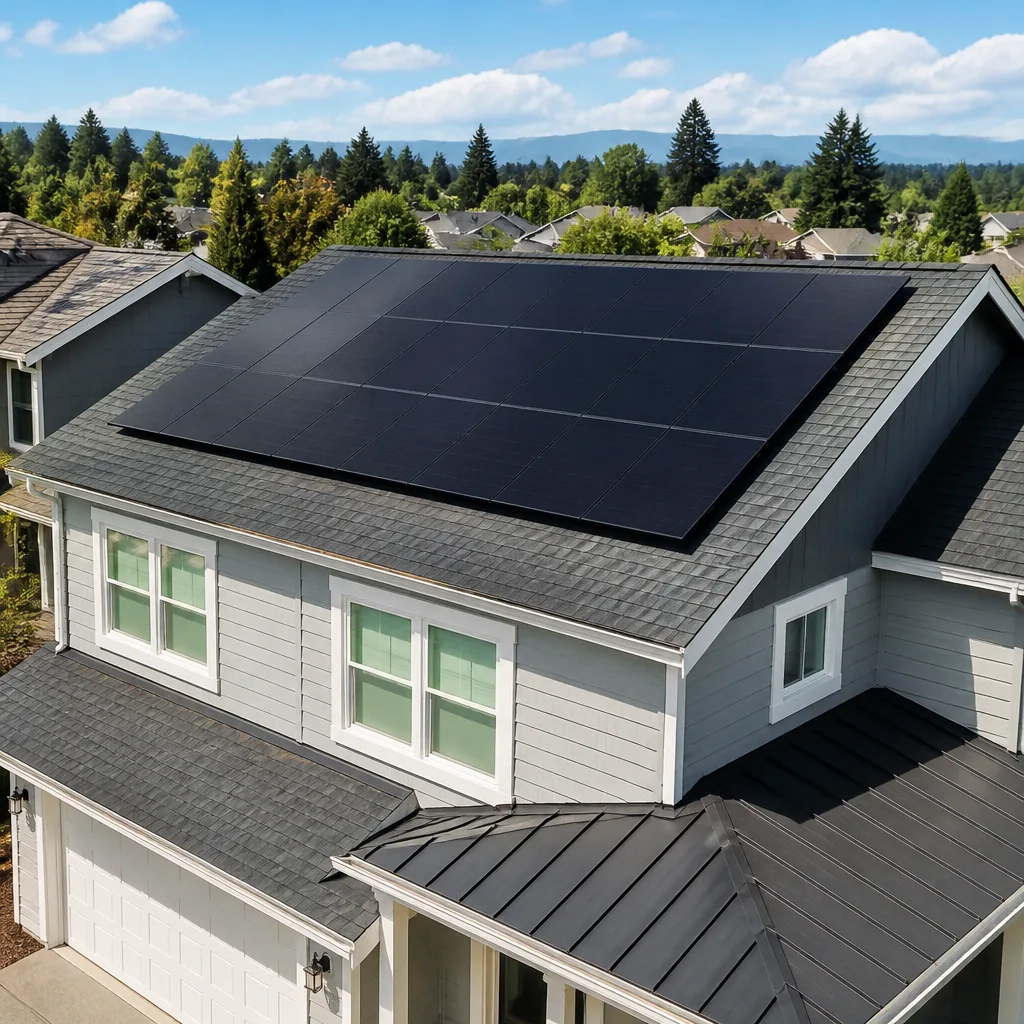
 Before
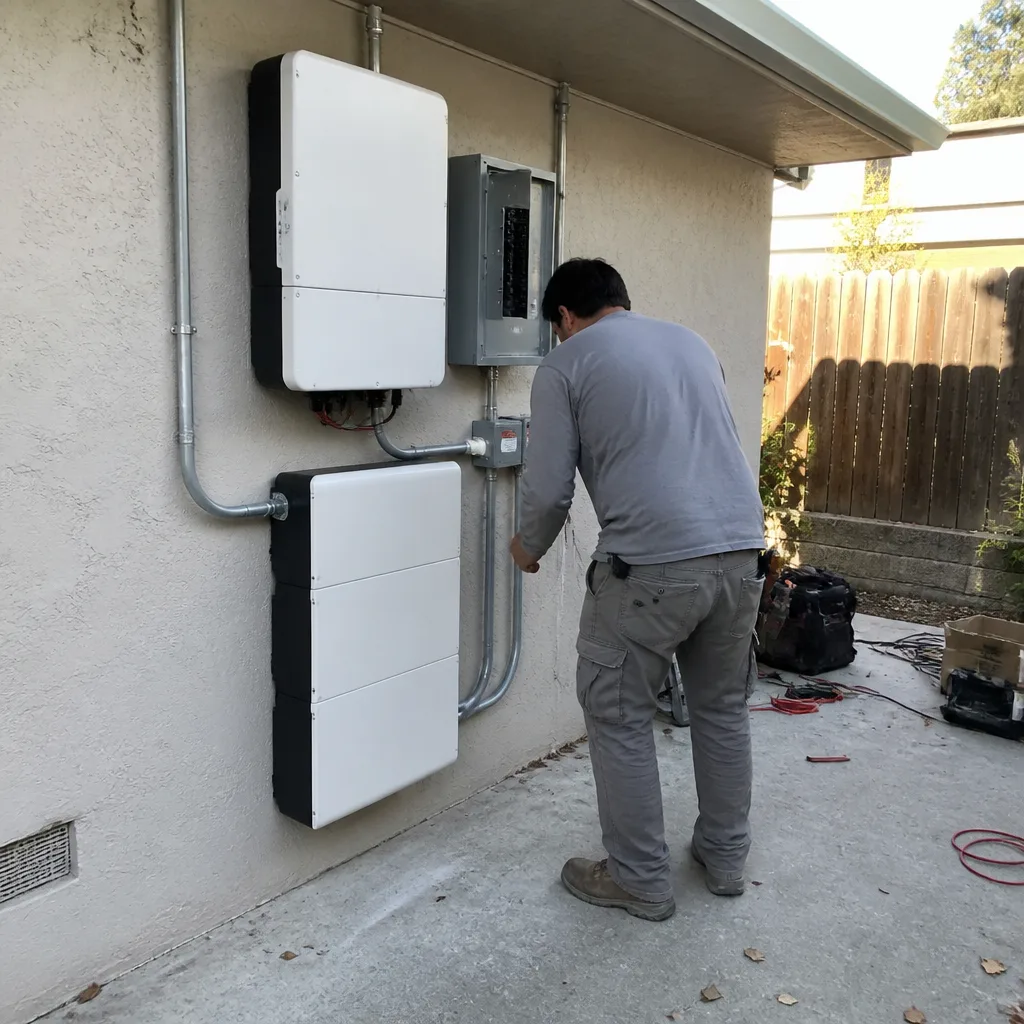 After
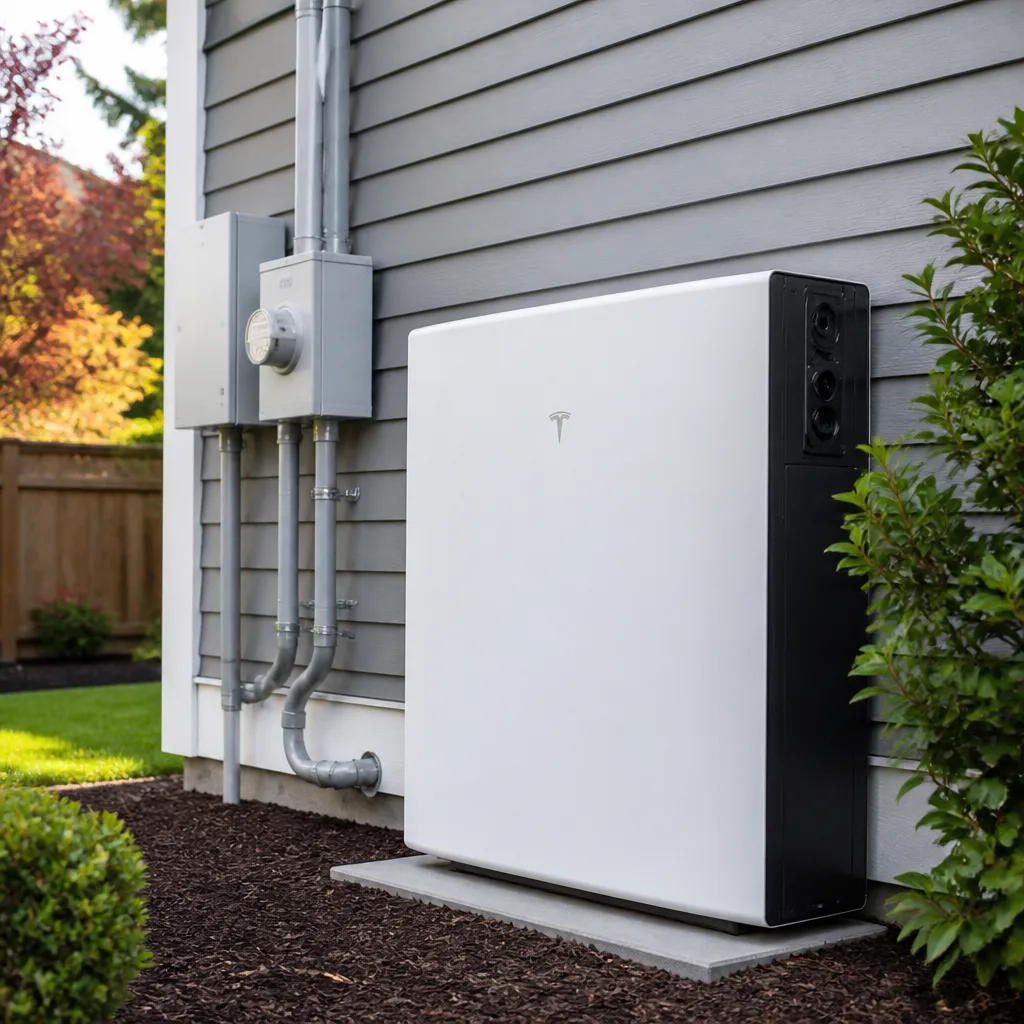
After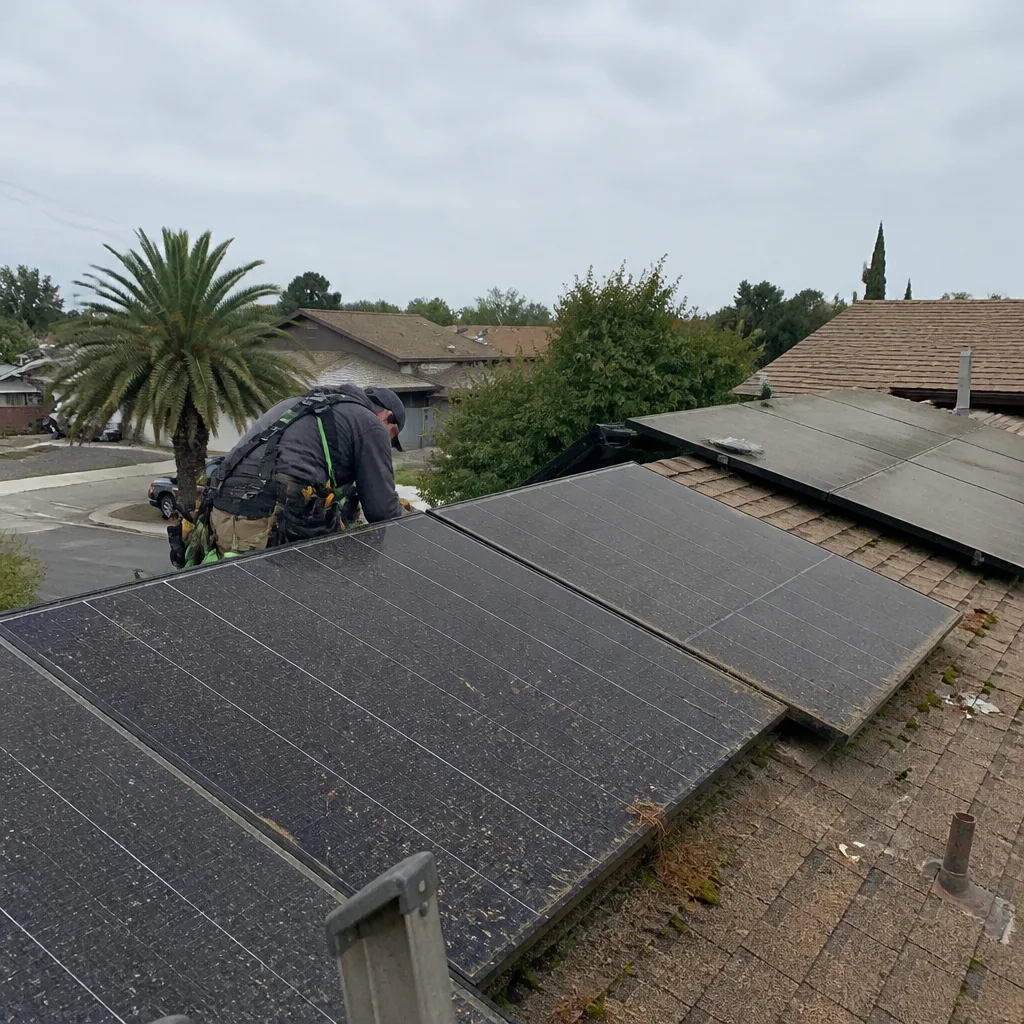 Before
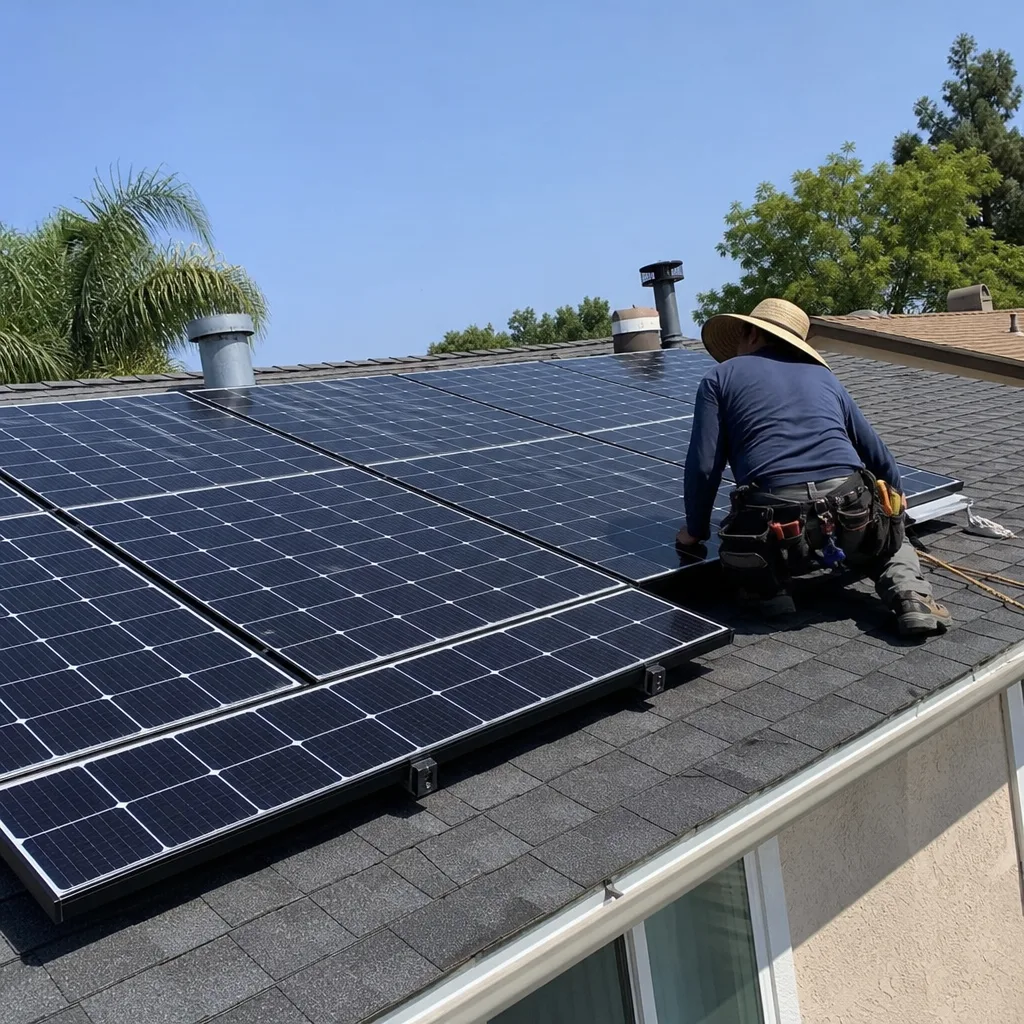 After
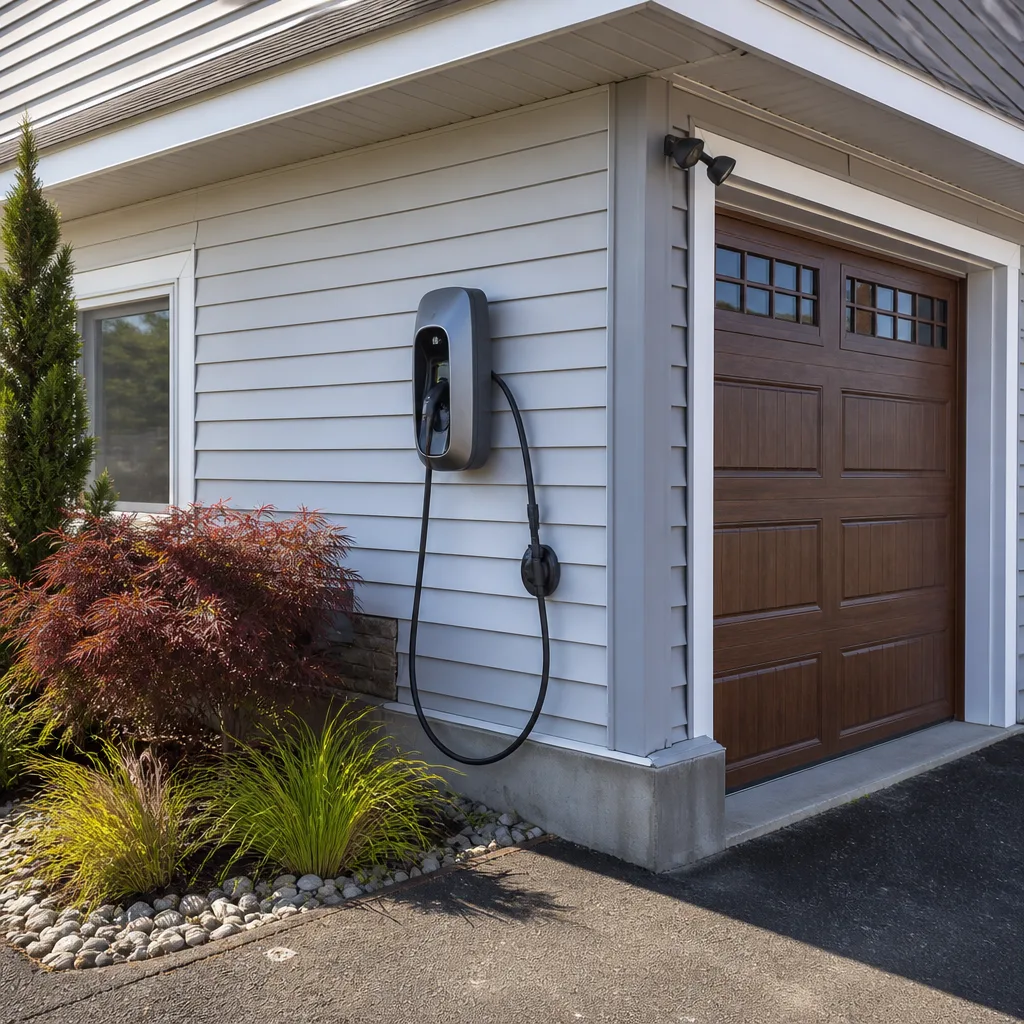
After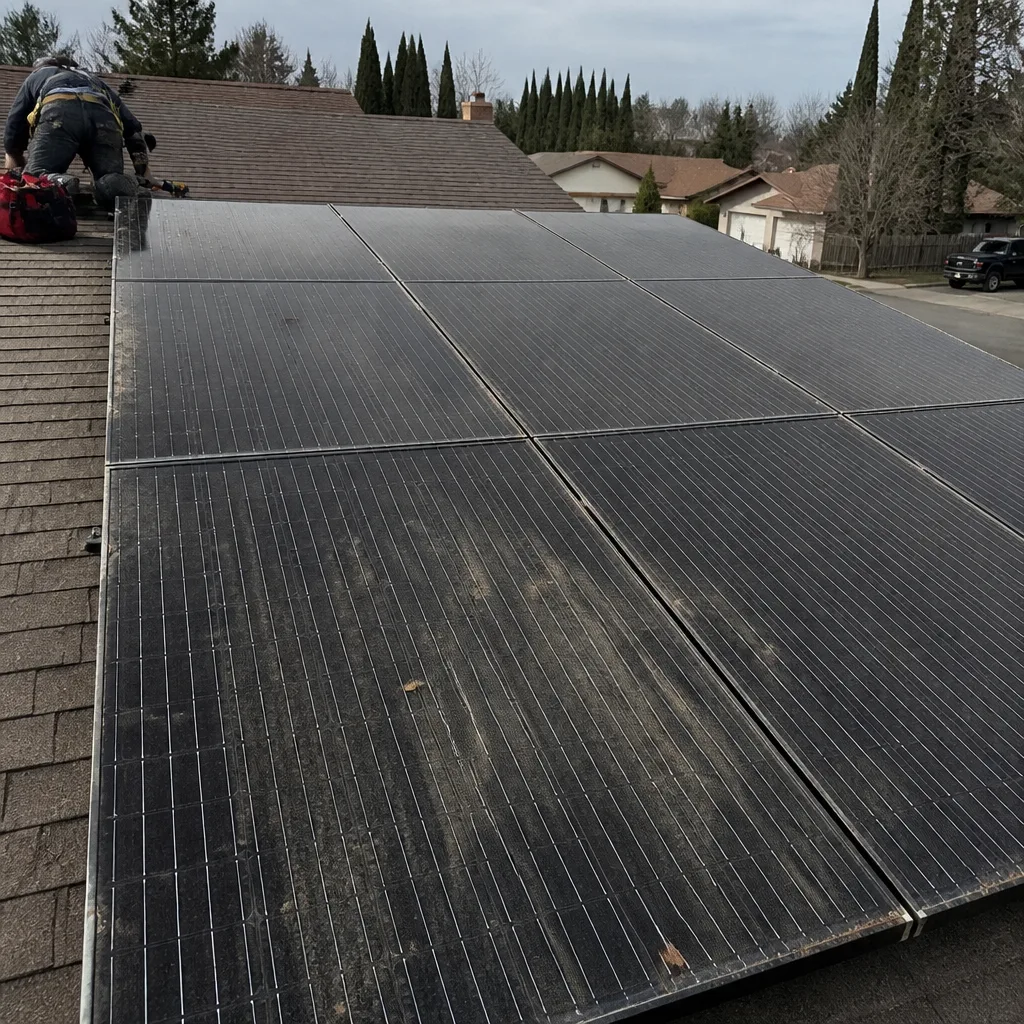 Before
 After
AfterFast, Reliable Commercial Solar Installation Across Chinatown
Commercial solar in Chinatown is not a suburban rooftop job. The neighborhood’s post-1906 masonry buildings, narrow alleys, and dense mixed-use footprints mean every project starts with two questions most installers never ask: how much of this roof actually sees sun, and will the structure hold the panels. Gus’s Solar has been answering both questions for property owners across 94133, from Grant Avenue storefronts to the residential-over-commercial buildings along Stockton Street. We handle the engineering, the permits, the alley access, and the interconnection paperwork. Call (877) 550-6892 and you’ll get Gus or a live person on the line, not a call center.
Why Gus’s Solar Is Chinatown’s Preferred Commercial Solar Installation Company
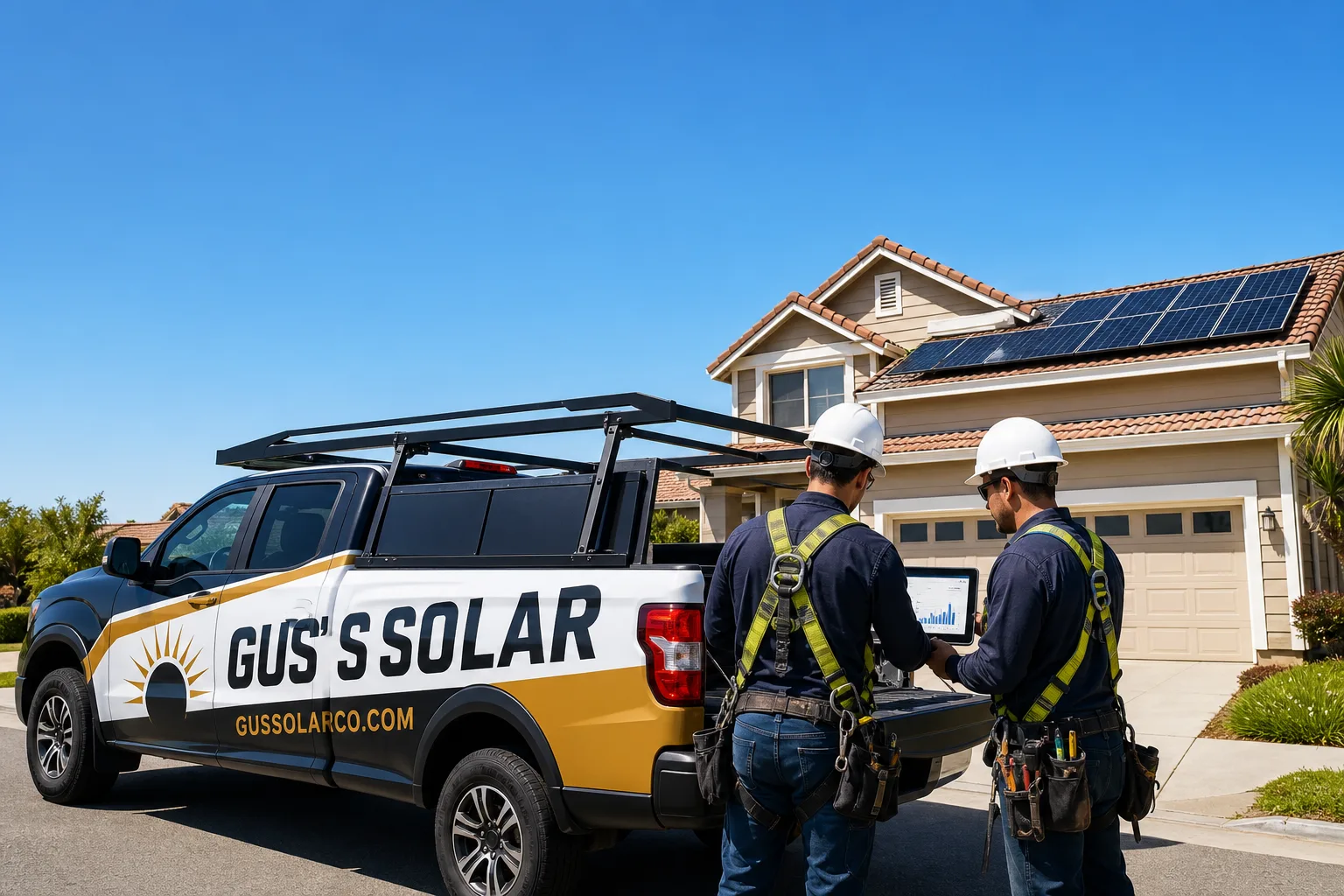
We’re a locally owned, owner-operated shop. Gus Petrakis founded the company in 2011 and puts his own name on the truck, not a franchise logo. When you call about a commercial system in Chinatown, the person who answers has actually walked Waverly Place and knows that Ross Alley runs 15 feet wide between four-story walls.
Our crews have worked on mixed-use buildings off Grant Avenue where the rooftop has 1,100 square feet of usable area after you subtract mechanical clutter and shade from the building across the alley. That’s not a detail you learn from a satellite map. It’s a detail you learn by standing on the roof at 7 a.m. with a solar pathfinder.
Every job is backed by the 90-Day Done Right Promise. If something isn’t right, one call brings Gus back. That’s in writing. And a live person answers the phone 24/7, which matters when PG&E’s interconnection review stalls or a crane permit gets flagged.
The tone we bring to Chinatown is the same one we bring everywhere: bring us a bill, we’ll bring you the math. Take two weeks. Think about it. The price will be the same. If a salesman needs an answer tonight, the answer is no.
Our Commercial Solar Installation Services in Chinatown
Our Commercial Solar Installation team covers the full scope of work this neighborhood requires. Here’s what that looks like in practice.
Commercial Rooftop Solar
Chinatown’s commercial rooftops are almost all post-1906 construction: 3-5 story masonry and wood-frame mixed-use buildings with small footprints and mechanical equipment competing for space. We start every rooftop solar project in Chinatown with a manual shading analysis that maps horizon obstructions from adjacent buildings. Standard solar software will badly overstate output on rooftops near Waverly Place or Ross Alley. We enter the obstructions manually so the production estimate matches what the roof will actually deliver over year 25.
Warehouse & Industrial Solar
Chinatown has fewer true warehouse footprints than the city’s southeast quadrant, but some older industrial buildings remain on the neighborhood’s edges. For these projects we focus on structural roof-load engineering first, because the Department of Building Inspection will require a stamped engineer’s review on any masonry building built before modern code. We handle that review as step one, not step ten.
Solar Carport Installation
A carport is often the most practical option for Chinatown properties where the building roof is either too shaded or too structurally constrained to justify panels. We design carports around the same tight access conditions: alley-loaded sites, narrow driveways, and the need to preserve every parking space a building has. The structural review is the same rigor we apply to rooftops.
Commercial Battery Storage
For Chinatown businesses that lose revenue every time PG&E’s public-safety power shutoffs or an underground cable fault kills the lights, a commercial battery changes the math. We pair Enphase and FranklinWH storage with existing or new solar arrays so the building keeps running when the grid doesn’t. On a mixed-use building with residential tenants above a ground-floor commercial space, battery backup can mean the difference between a restaurant fridge full of spoiled inventory and a normal Tuesday.
Commercial Solar Maintenance
Chinatown rooftops collect more than dust. Pigeons, marine air, and debris from neighboring buildings all shorten panel life and cut output. We offer scheduled maintenance and monitoring that alerts us when a string underperforms. If a building owner across Ross Alley adds a rooftop mechanical unit that suddenly shades your array, we’ll see the production drop and come find out why.
What happens when you call
- 1
A real person answersNo phone trees - you reach a local pro.
- 2
You get an upfront price rangeHonest numbers before anyone is dispatched.
- 3
A background-checked tech heads outLicensed & insured, dispatched right away.
- 4
You approve before work beginsNothing starts until you say go.
Trusted Brands We Service in Chinatown
We install and service systems built on REC, Qcells, and Panasonic panels, paired with Enphase IQ8 microinverters. The microinverter choice matters in Chinatown specifically because of the shading problem: when one panel on a Waverly Place roof goes dark in the canyon shadow, the rest of the array keeps producing at full power. With a string inverter, one shaded panel drags the whole string down. For a neighborhood where inter-building shading is the defining constraint, that’s not a minor detail. We quote the year-25 output, not the day-one brochure number.
Common Commercial Solar Installation Problems We See in Chinatown
- Canyon shading on named alleys. Waverly Place and Ross Alley run as narrow as 15-20 feet between four-story walls. A nominally south-facing rooftop can lose three or more peak sun hours daily to the building directly across the alley, and standard solar software with default shading assumptions will miss this entirely.
- Skipped structural engineering on post-1906 buildings. The Department of Building Inspection almost always requires a stamped structural review before it issues a permit for a masonry-and-wood-frame building. When a contractor skips that step, the permit sits idle for two months and the owner is paying a mortgage on a roof that isn’t producing.
- String inverters without rapid shutdown compliance. On a 4-story Chinatown building, the fire department will verify rooftop-level shutdown within 10 seconds. If the system can’t demonstrate that, the inspection fails and the project stalls.
- Overstating output on partially fog-sheltered roofs. Chinatown’s northeast quadrant gets marginally better sun than the Sunset or Richmond, but we’re still talking about 2,700-2,800 peak sun hours a year, far below California’s inland norm. A system sized on a generic California production factor won’t hit its kWh offset here.
Pricing for Commercial Solar Installation in Chinatown, CA
We Also Serve Cities Near Chinatown
Along with work throughout Chinatown, our crews serve commercial properties in San Francisco’s Mission District, Noe Valley, and Visitacion Valley. Scheduling and dispatch are coordinated from our Los Angeles office, but the crew that shows up in Chinatown works locally and knows the alleys and the permit office.
Serving Chinatown, CA - Our Local Coverage Area
We’re based in the Chinatown area and know this community well. Use the map below to see our service coverage - if you’re nearby, we can almost certainly help.
FAQs - Commercial Solar Installation in Chinatown
How much roof area on a Chinatown mixed-use building can actually be used for solar after shading from adjacent buildings?
On a typical Chinatown mixed-use building, we find that 40-60% of the gross roof area is usable after mechanical clutter and inter-building shading are mapped. On a building just off Grant Avenue, our crew worked with a roof that had only 1,100 square feet of usable area out of nearly 2,000 gross square feet because of a 5-story building across Ross Alley. A manual horizon obstruction analysis is the only way to know your real number. Call (877) 550-6892 and we’ll run that analysis before you spend a dollar on equipment.
Does Chinatown’s partial protection from the Sunset’s fog actually make commercial solar worth it here?
Chinatown sits in San Francisco’s northeast quadrant, where afternoon fog is thinner than it is in the Sunset or Richmond. That means roughly 2,700-2,800 peak sun hours a year, better than the city’s western half but still far below inland California. The implication is simple: you need higher-efficiency panels like REC or Qcells to hit a reasonable payback horizon. We quote the year-25 output, not the day-one brochure number.
What does the Department of Building Inspection require for a structural review on Chinatown’s old masonry buildings?
DBI almost always requires a stamped structural engineer’s review for any panel installation on a post-1906 masonry or masonry-and-wood-frame building. That review confirms the roof can handle the added load of panels, racking, and the occasional service visit. We coordinate that review as step one, before we file the permit, so your project doesn’t sit idle for two months.
How do you handle installation access on an alley as narrow as Waverly Place without blocking local businesses?
We schedule crane and lift work for early morning hours, typically 6 a.m., and coordinate temporary no-parking permits for the specific spots we need. On a project just off Grant Avenue, we secured a temporary permit for three spots on Waverly Place and finished the lift work before the lunch rush. We plan access around the businesses that depend on those alleys, not in spite of them.
Can net metering credits from a commercial system in Chinatown offset a different meter in the same building?
In most cases, net metering credits apply to the meter the system is connected to, not a different meter in the same building. If you have multiple meters in a mixed-use building and want credits to offset more than one, we’ll walk you through PG&E’s aggregation rules and design the system so the credits land where they do you the most good. Call (877) 550-6892 and bring a bill. We’ll bring you the math.
Written by Gus Petrakis, Owner at Gus’s Solar, proudly serving local communities since 2011.
Get a Free Commercial Solar Evaluation in Chinatown
If you own or manage a commercial building in Chinatown, call (877) 550-6892 for a free evaluation. We’ll walk the roof, map the shading, and give you a written estimate built off your actual PG&E bill. No pressure, no follow-up calls at 8 p.m., no signature wanted tonight. Just the math, the engineering, and a name on the truck that answers when you call.