
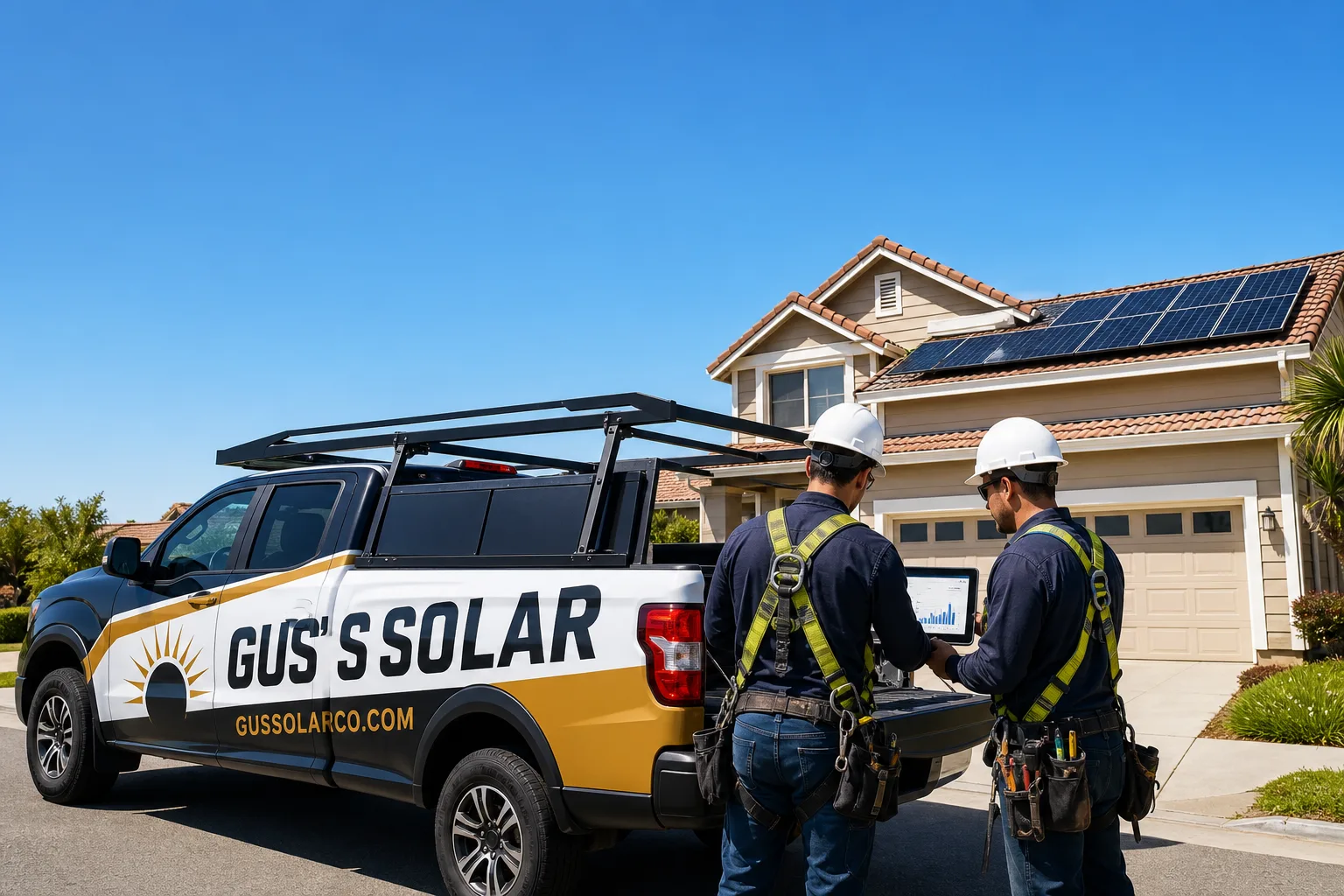
Free bill analysis - bring a power bill, get the production math for your actual roof, panel brands like Qcells and REC compared side by side
If the pitch starts at your door and ends with "sign tonight for the special," sleep on it. The sun will still be there tomorrow; so will we.
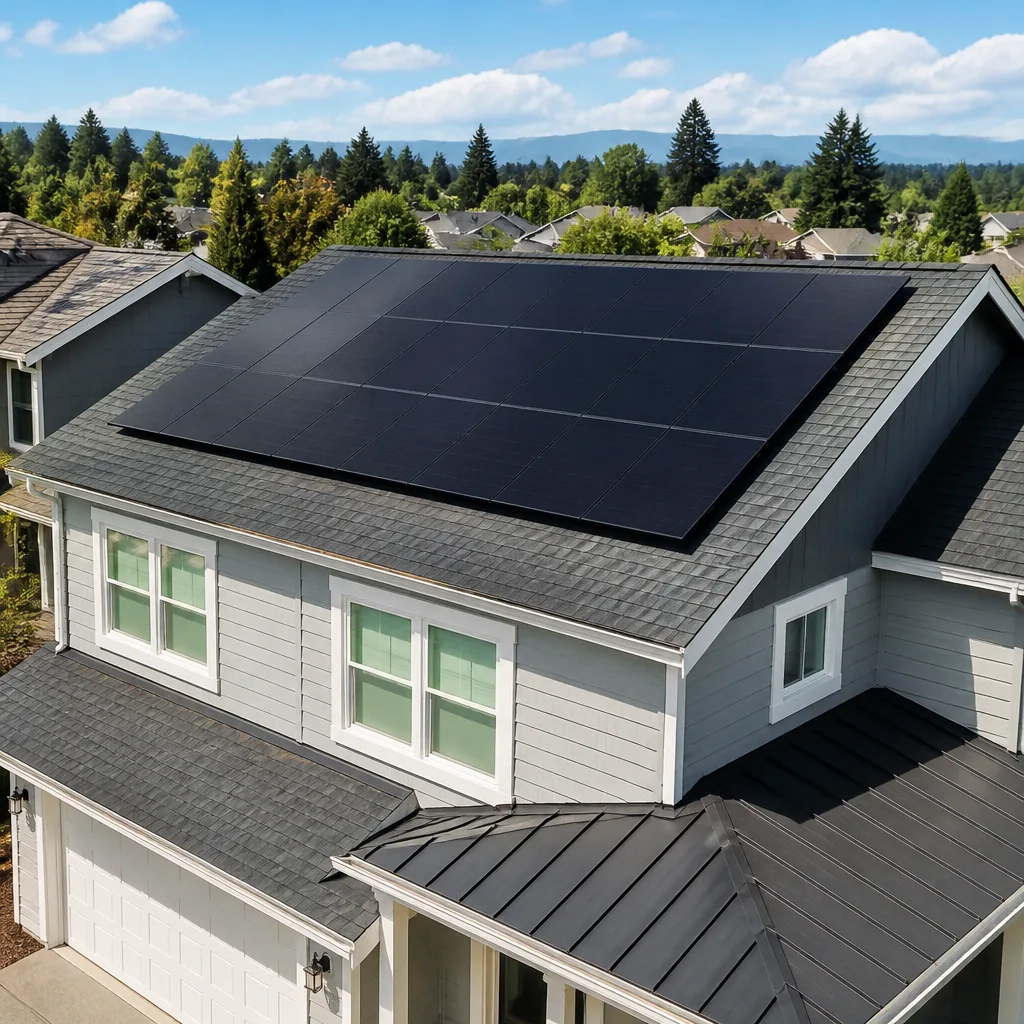
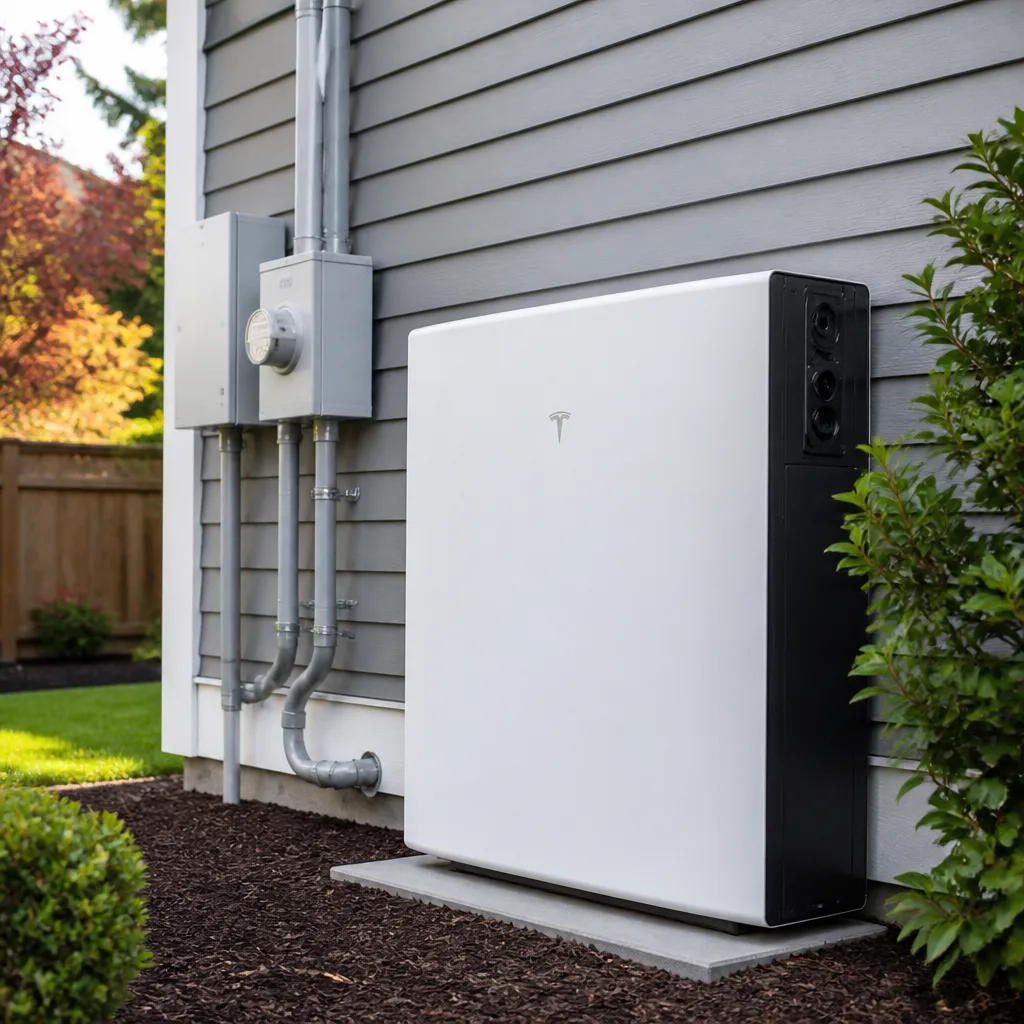
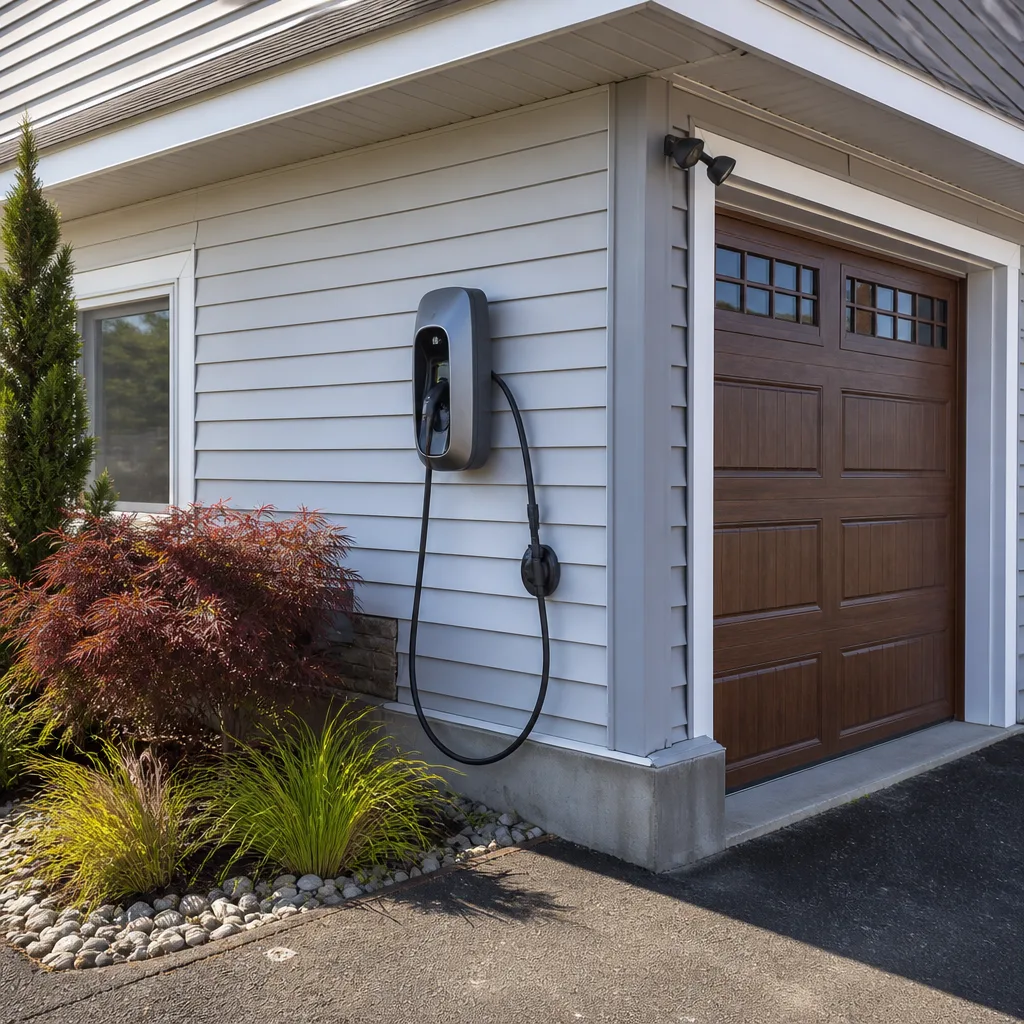
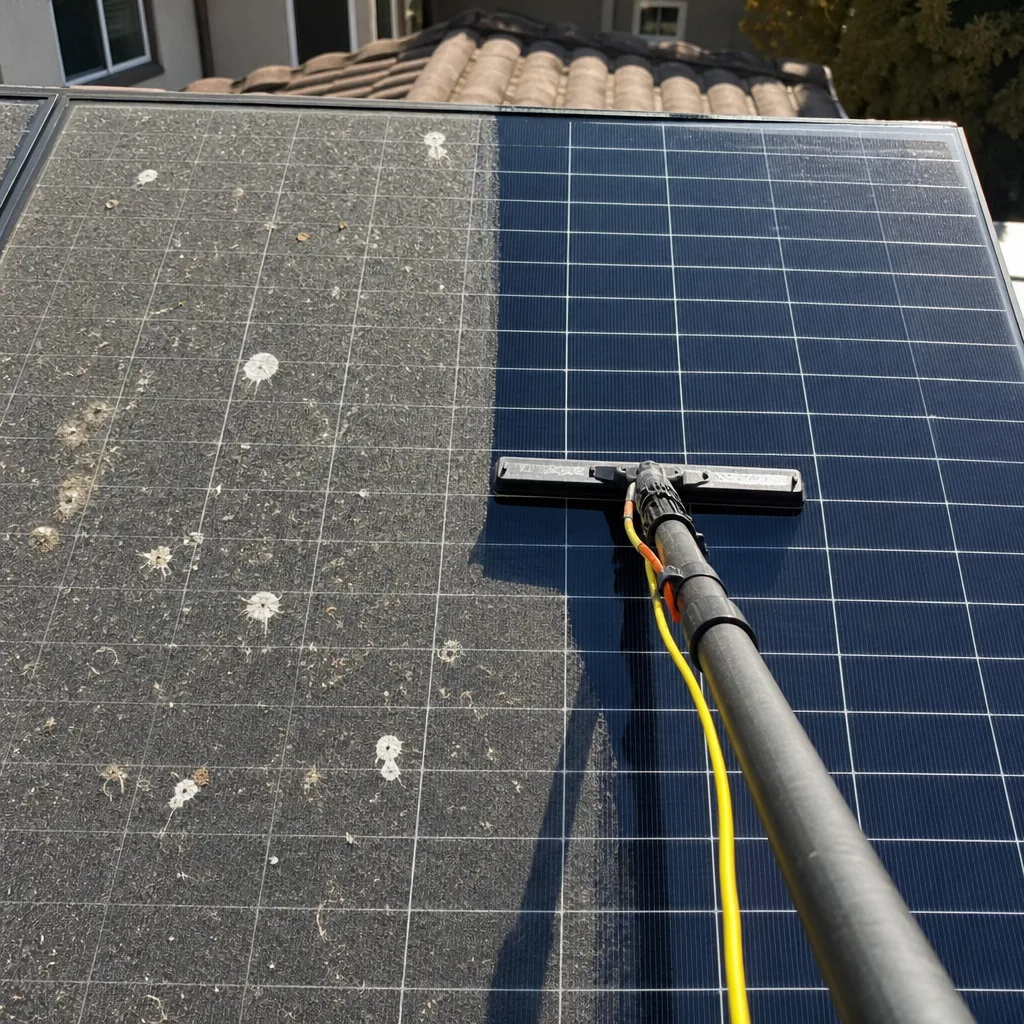
 Before
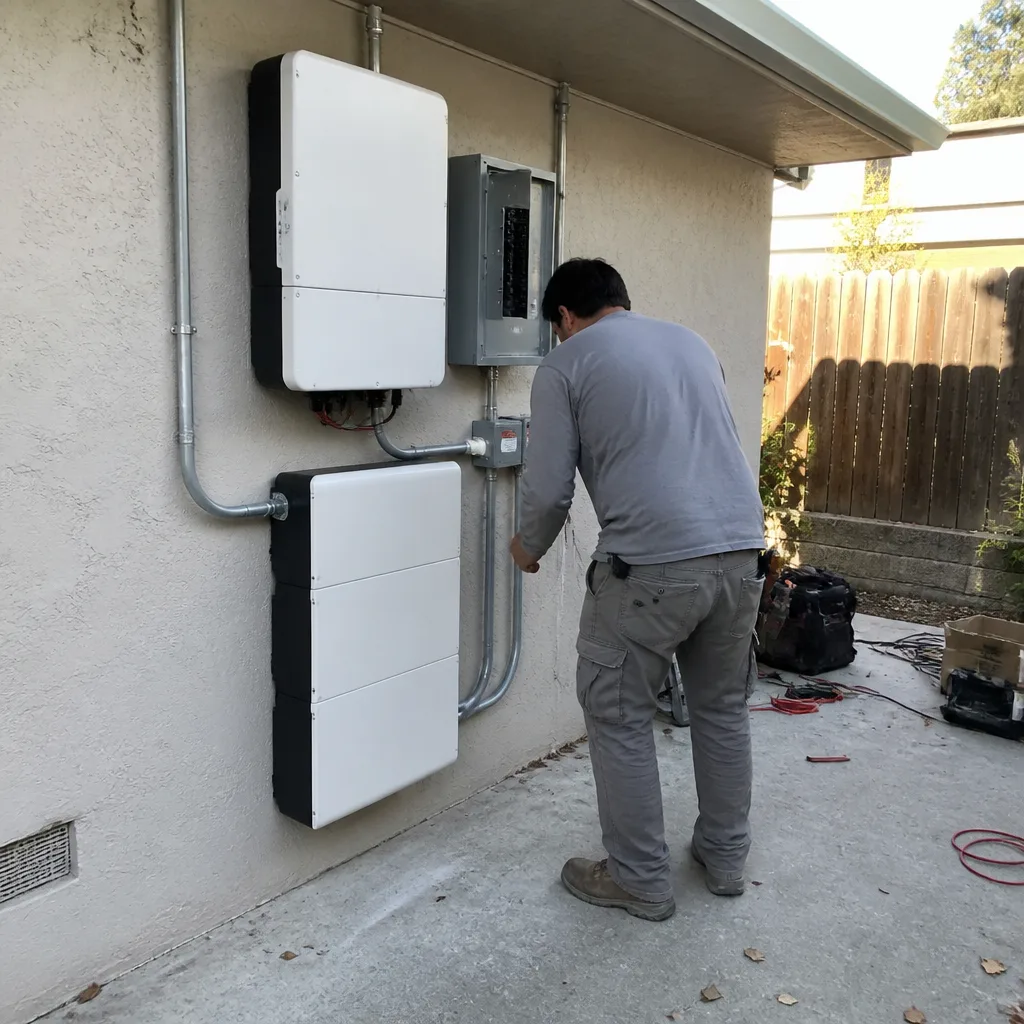 After
After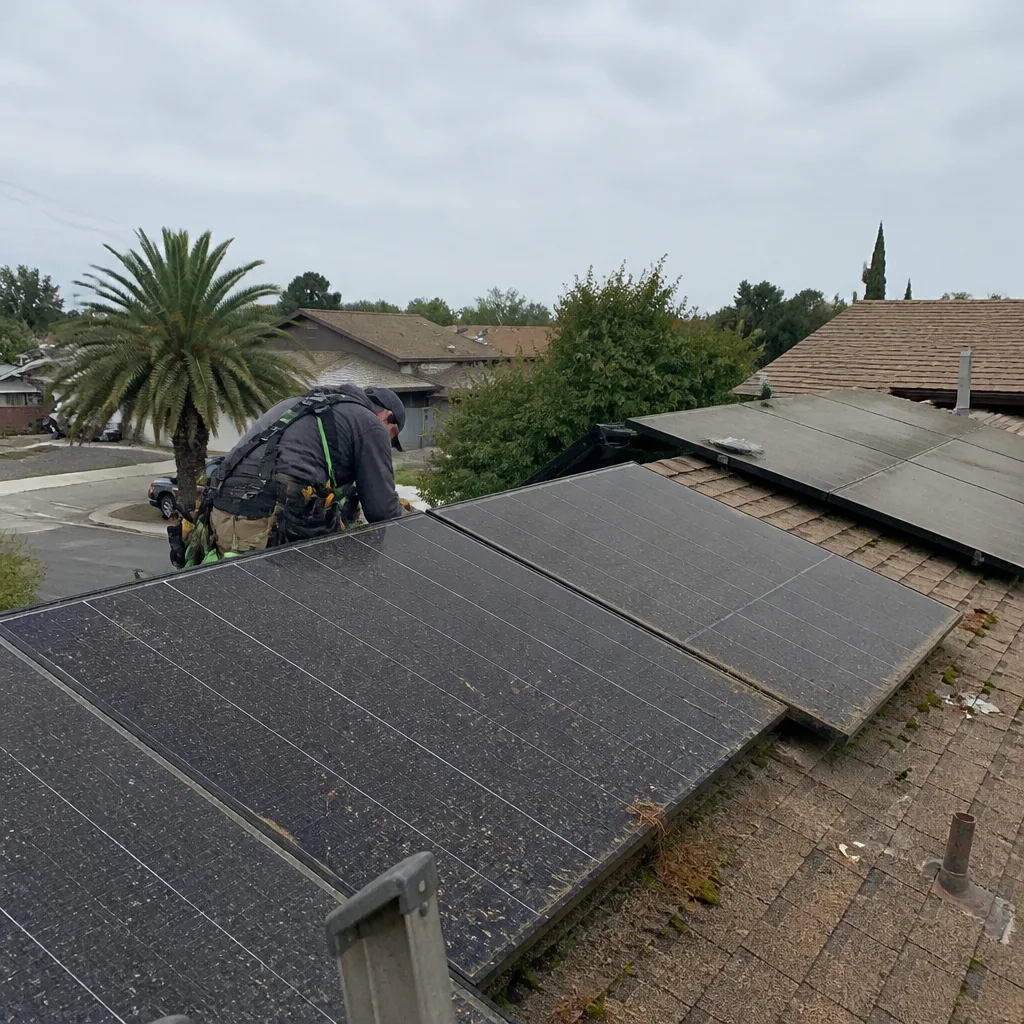 Before
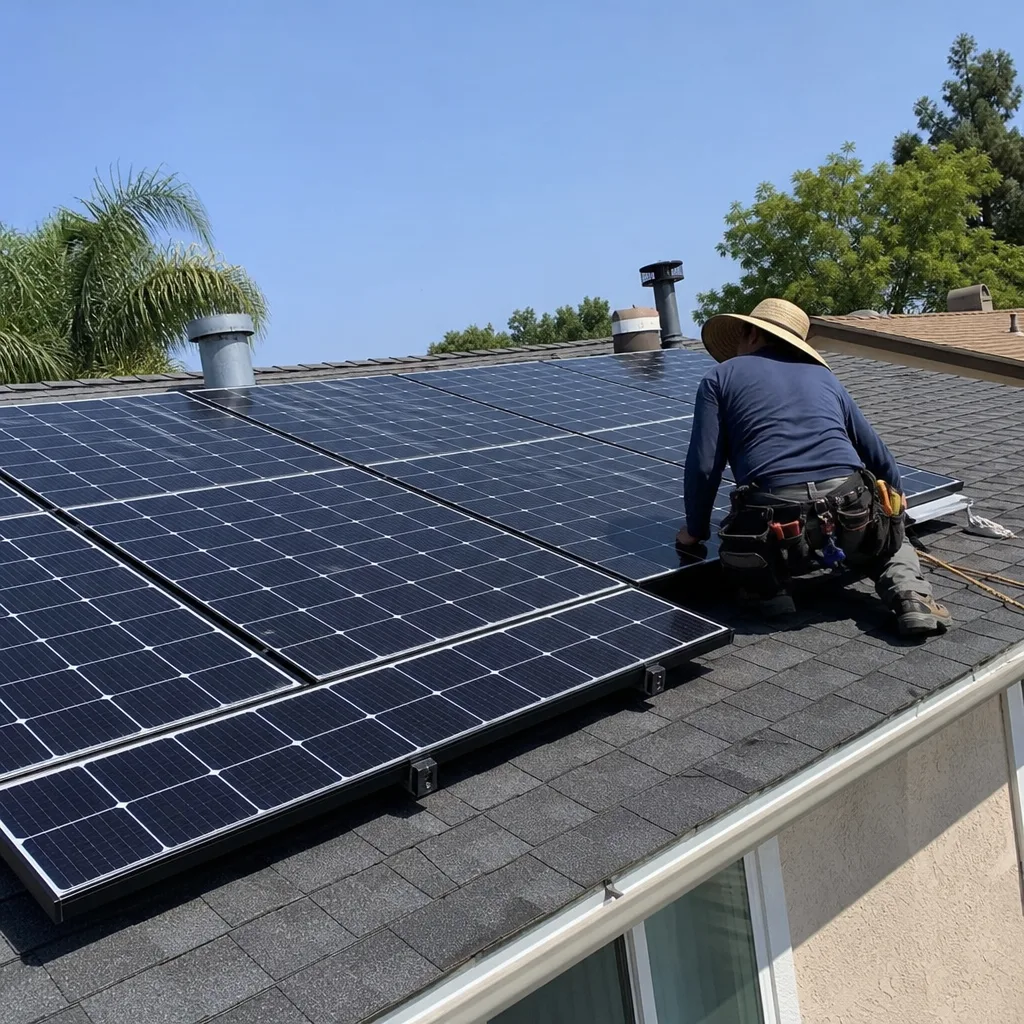 After
After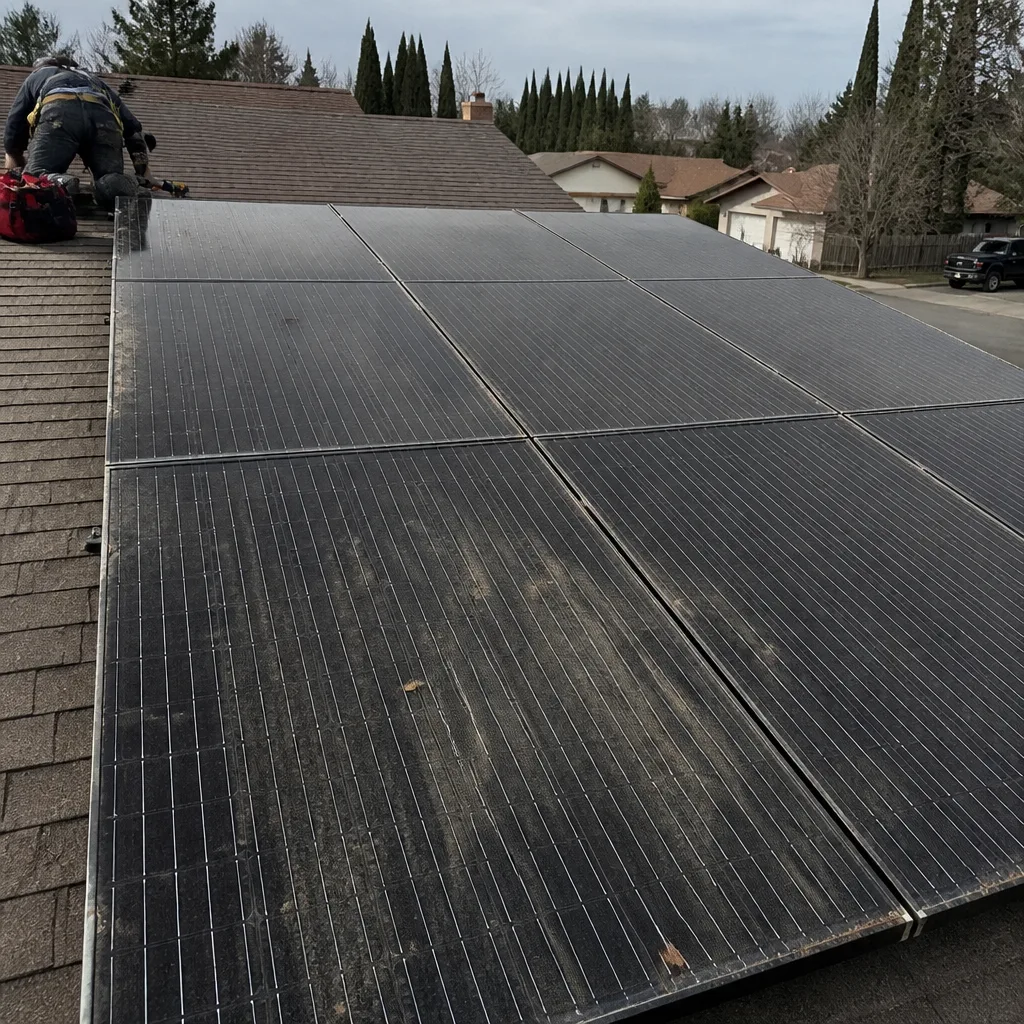 Before
 After
AfterFast, Reliable Solar Panel Repair Across Auburn
Solar panel repair in Auburn typically runs $180-$340 for common fixes like microinverter replacement or wiring repair, while a full inverter replacement lands between $1,400-$3,200 depending on your system’s brand and age. Most Auburn homeowners get a same-week visit, and since we keep Enphase, SolarEdge, and Tesla parts stocked locally, we’re often back in one trip. If your panels aren’t producing like they should, call Gus at (877) 550-6892 and he’ll give you a straight answer before anyone climbs a ladder. You’ll talk to a live person, not a ticket queue.
We know Auburn’s hills. We know the older ranch homes off Highway 49, the acreage parcels with detached workshops and well pumps, and the way a Red Flag shutoff changes how urgently a solar repair actually matters here. This is not a Roseville-style grid. When your system drops production in the middle of fire season, it’s not an inconvenience. It’s the difference between a charged battery and a dark house on a multi-acre parcel with a well that won’t pump.
That’s why Gus’s Solar schedules Solar Panel Repair calls across Auburn with the understanding that every day your system underproduces, you’re losing offset against rising PG&E rates. Our crew has been through enough Auburn winters and PSPS seasons to know which failure modes actually show up on these hillside roofs, and we bring parts for the fix on the first run whenever we can.
Why Gus’s Solar Is Auburn’s Preferred Solar Panel Repair Company
Gus Petrakis puts his name on the building, the truck, and the estimate. That’s not marketing language. It’s how he’s run the company since 2011, and it’s the reason Auburn homeowners call us after a national installer goes quiet, changes hands, or stops answering the phone entirely. When a homeowner in the 95603 ZIP tells us they’ve been waiting six weeks on a warranty claim from an out-of-state outfit, we’re not surprised. We’re just glad they called someone with a local shop and a license they can look up.
Every repair we do is backed by the 90-Day Done Right Promise, in writing. If we replace a microinverter or reseal a roof mount and it’s not right, Gus comes back. One call. That’s the whole promise. We also answer phones 24/7 with a live person, because solar systems don’t only fail during business hours, and a hot attic or a tripped inverter at 9 p.m. in July isn’t something you should have to sit on until Monday.
Our technicians are background-checked, uniformed, and they’re Gus’s own crew. No subcontracted strangers on your roof. No third-party crew showing up in an unmarked van. You’ll know who’s coming before they arrive, and they’ll have walked an Auburn hillside roof enough times to know what that pitch and that rafter spacing demand.
Our Solar Panel Repair Services in Auburn
Inverter Repair & Replacement
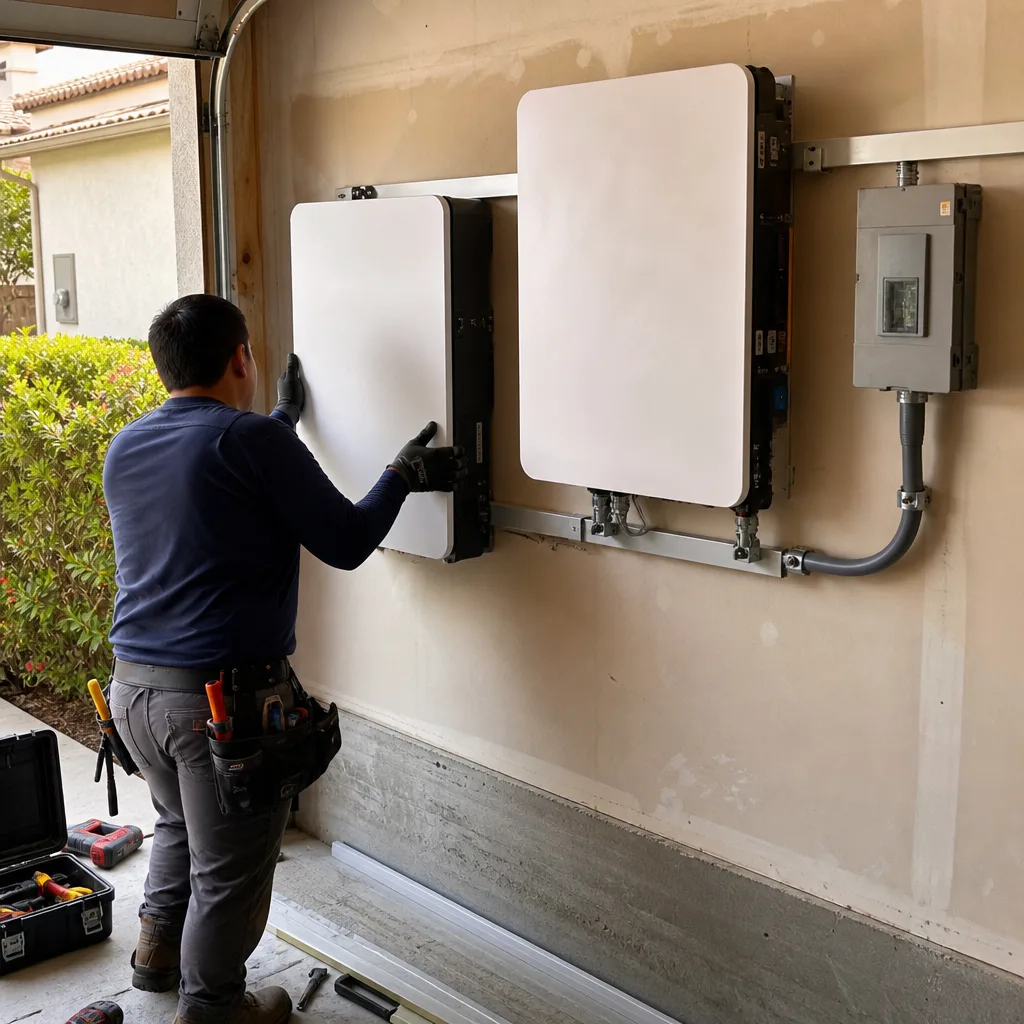
A failing inverter is the most common reason an Auburn system stops sending power to the house, and it’s also the repair that hurts most to defer. On a hillside parcel with a well pump and a battery, a dead inverter means no grid offset and no battery recharge. We replace SolarEdge, Enphase, Tesla, and FranklinWH inverters, and in most Auburn homes, we can have the new unit in place the same week. If you’re seeing error codes or no production at all, call before the next Red Flag event.
Microinverter Replacement
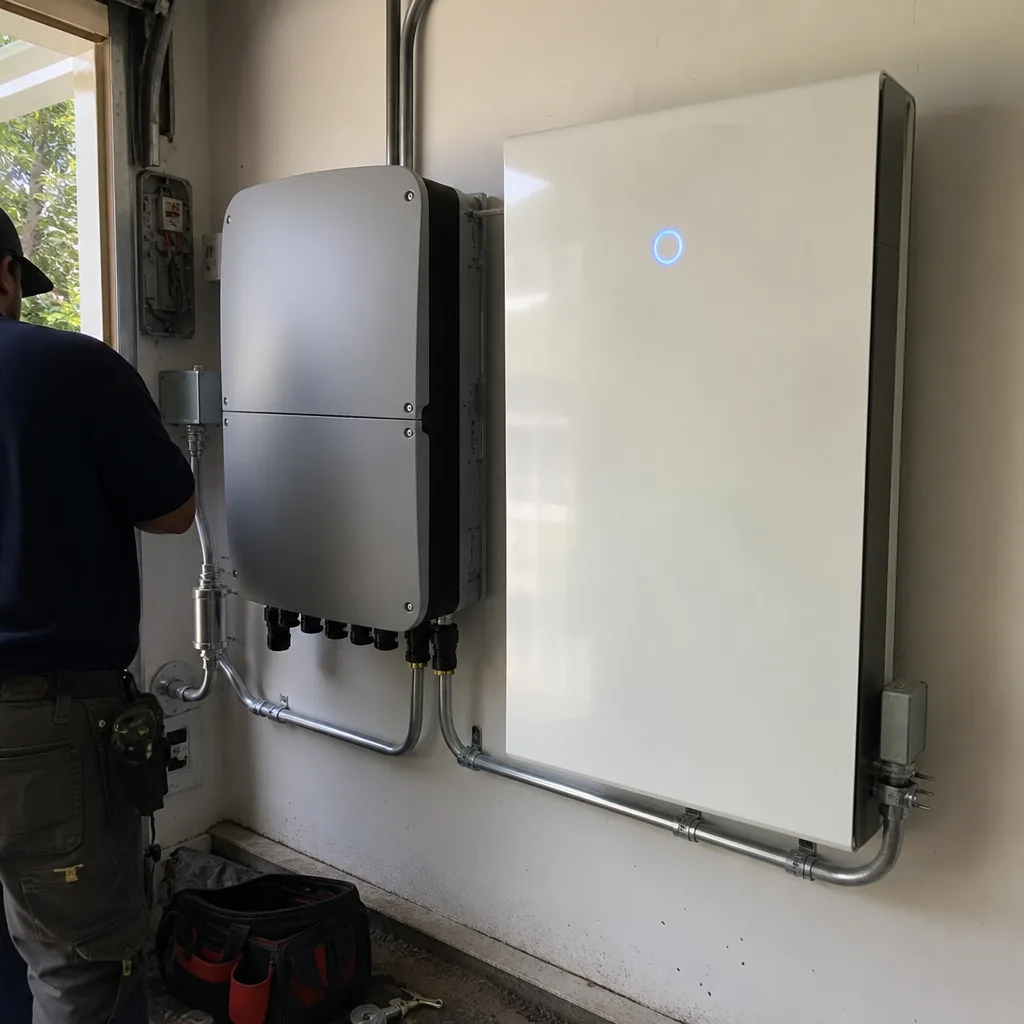
Microinverters fail one panel at a time, which means your system loses production gradually and quietly. You’ll see it on your monitoring app as one or two panels underproducing for weeks before you ever notice it on the bill. On Auburn’s 1970s and 1980s ranch homes, we see microinverter failures paired with wiring runs that were never sized for the distance from a steep hillside array to the main panel. We replace the microinverter and check the whole run while we’re up there.
Wiring & Connector Repair
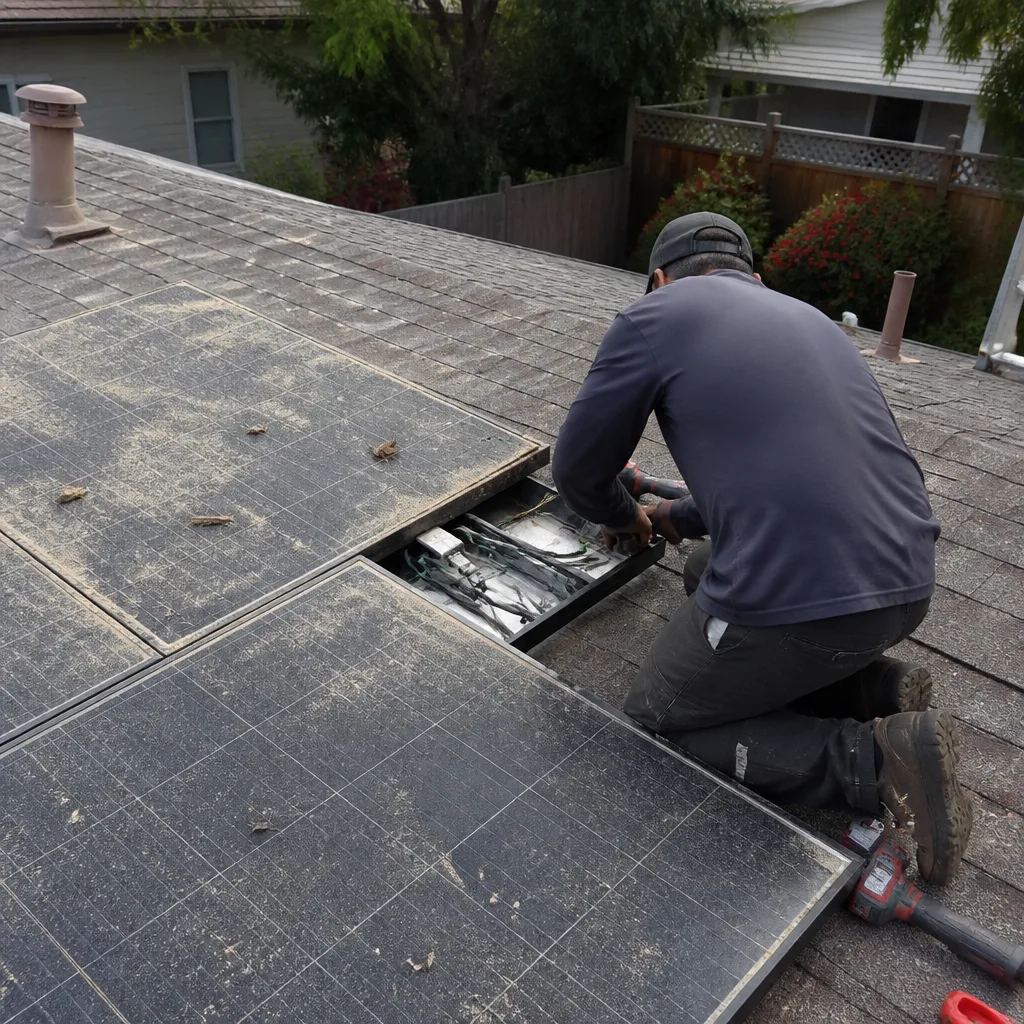
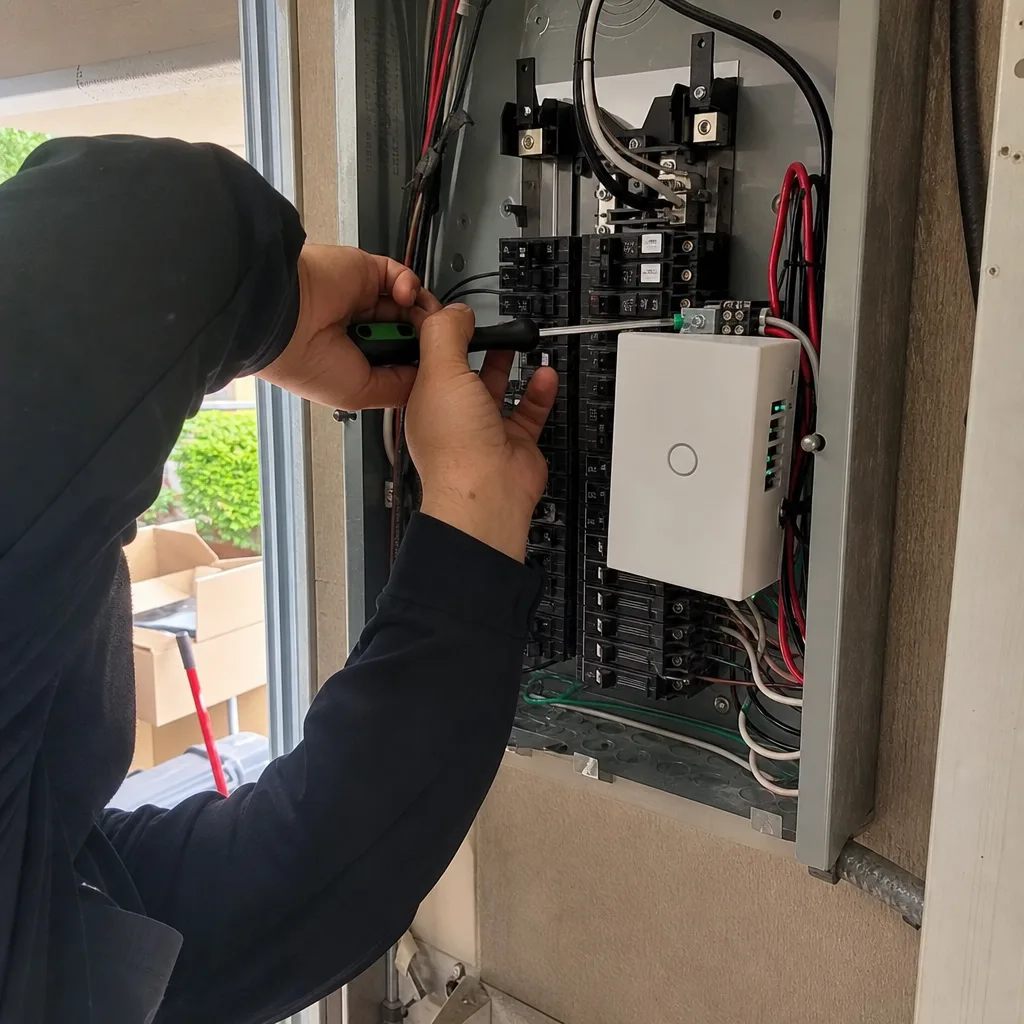
Foothill weather does a number on rooftop connections. Winter storms, summer heat cycles, and the occasional snow load all stress MC4 connectors and array wiring. Squirrels and roof rats in Auburn’s tree-heavy neighborhoods chew through jacket insulation too. We’ll trace the fault, replace the damaged section, and use outdoor-rated connectors that hold up to the temperature swings we see between a 20-degree winter morning and a 105-degree August afternoon at 1,300 feet.
Panel Replacement After Damage
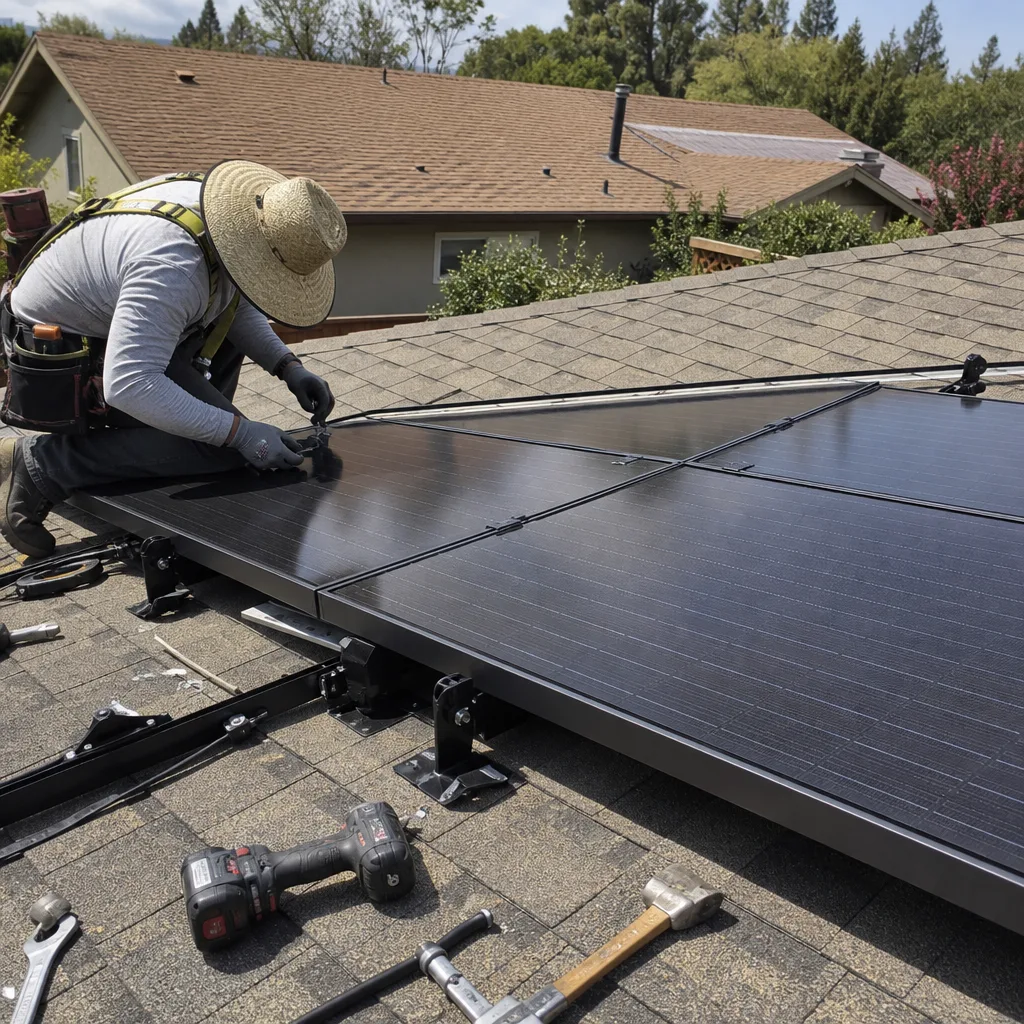
Snow, tree limbs, and the occasional errant rock from a hillside mower all take panels out in Auburn. When we replace a damaged panel, we also check the roof mounts and flashing around it. Placer County’s fire hazard severity zone rules mean panels on many Auburn homes need specific setbacks from the roof ridge and edges. A generic contractor who doesn’t know that can replace the panel and leave you with a code violation or a leak that shows up with the first heavy rain.
What happens when you call
- 1
A real person answersNo phone trees - you reach a local pro.
- 2
You get an upfront price rangeHonest numbers before anyone is dispatched.
- 3
A background-checked tech heads outLicensed & insured, dispatched right away.
- 4
You approve before work beginsNothing starts until you say go.
Trusted Brands We Service in Auburn
We work on the systems Auburn homeowners actually have on their roofs. That means Enphase microinverters on 2015-era installs, SolarEdge string systems from the mid-2010s, Tesla Powerwall pairings on newer builds, and the occasional older SunPower array that’s still limping along. Because Auburn is dense with Enphase and SolarEdge systems, we stock common replacement parts locally, which means fewer return trips and no waiting on a part to ship from Texas. If your system uses something we don’t stock, Gus will tell you that on the phone, not after he’s on your roof.
Common Solar Panel Repair Problems We See in Auburn Homes
- Inverter failures surfacing during PSPS events. A slow-degrading inverter often goes unnoticed until the first Red Flag shutoff, when the homeowner realizes the battery isn’t recharging and the well pump is pulling from a reserve that’s draining fast. On multi-acre parcels, that’s not an annoyance, it’s a water problem.
- Roof leak repairs done without respecting FHSZ setbacks. Placer County’s fire zone rules require specific panel placement on many Auburn roofs. When a panel is replaced or a mount is resealed by someone who doesn’t know those rules, the repair can leave the array non-compliant and the flashing vulnerable to the next Sierra storm.
- Undersized wiring on steep-roof microinverter replacements. Auburn’s 1970s split-levels and ranch homes often have long wiring runs from a steep hillside array to a distant sub-panel. Use the wrong gauge and the whole string can trip offline under load. We size the run properly and test it before we leave.
- Snow-damaged panels on north-facing secondary arrays. It doesn’t happen every winter, but when Auburn gets a wet, heavy snow at 1,300 feet, panels on secondary or outbuilding arrays take the brunt. Homeowners with detached workshops and barns often don’t notice the damage until spring, when production on the auxiliary array has been dead for months.
Pricing for Solar Panel Repair in Auburn, CA
Here are the numbers Gus quotes Auburn homeowners, straight off the truck:
- Microinverter replacement: $180-$320 per unit, depending on brand and roof access.
- Inverter replacement (full unit): $1,400-$3,200, including labor and recommissioning.
- Wiring or connector repair: $150-$400, depending on location and run length.
- Panel replacement after damage: $350-$700 per panel, plus any mount or flashing work.
- Roof leak repair around mounts: $200-$600, depending on how many penetrations need resealing.
What changes the price in Auburn specifically is roof pitch and access. A steep 1970s hillside roof with a 22-degree pitch takes longer and needs different safety rigging than a flat suburban roof in Sacramento. That’s factored into the quote up front, not added on after the job. No signature wanted tonight. Take two weeks, think about it, the price will be the same. And remember, $40 off any repair over $200 and a senior and veteran 10% discount that never expires.
We Also Serve Cities Near Auburn
Our crews cover the whole Auburn foothill corridor, including Auburn proper, North Auburn, Loomis, Lincoln, and Rocklin. If you’re on a hillside parcel off a winding road between any of those towns, you’re in our service area. We route a local crew, not a Sacramento dispatcher with a map and a guess.
Serving Auburn, CA - Our Local Coverage Area
We’re based in the Auburn area and know this community well. Use the map below to see our service coverage - if you’re nearby, we can almost certainly help.
FAQs - Solar Panel Repair in Auburn
If you live in Auburn’s PG&E PSPS corridor, a solar repair that’s deferred until “sometime next month” can mean facing the next Red Flag shutoff with a battery that can’t recharge and a well pump that’s draining reserve power. The transmission lines serving Auburn cross high-fire-risk terrain and get de-energized several times most fire seasons, so a system that’s already down when the shutoff hits leaves you dark for days, not hours. We recommend calling the same week you notice a production drop. Call (877) 550-6892 and we’ll get someone out before the next wind event.
Yes, and it’s a big part of what we do in Auburn. We call these orphaned-system takeovers. When a national installer goes under, changes hands, or just stops answering Auburn service calls, the homeowner still has a roof full of panels and no one to fix them. We’ll take over monitoring, diagnose the fault, and repair it. We don’t need the original installer’s permission or their proprietary monitoring portal. If it’s an Enphase, SolarEdge, Tesla, or similar system, we can work on it. That includes correcting rapid shutdown errors and recommissioning systems that have been offline for months.
If your array predates the current Placer County FHSZ setback requirements, you’re not required to move the panels during a repair. But if we’re already up there resealing mounts, we’ll tell you whether your current layout meets today’s code and what it would cost to bring it into compliance while we’re there. Most Auburn homeowners in the older 95603 and 95602 neighborhoods were grandfathered in. The bigger immediate concern is making sure the flashing is sealed correctly so the next Sierra storm doesn’t send water into your attic.
Auburn sits at roughly 1,200-1,400 feet, above the tule fog belt that blankets the Sacramento Valley from November through February. That means Auburn gets measurably better winter sun hours than the valley floor. Your panels also run cooler in summer at elevation, which improves efficiency. The tradeoff is occasional winter snow, which valley homeowners never deal with. If your production numbers are lower than they should be for Auburn’s winter sun, the problem is usually a failing component, not the season.
With PG&E’s current net metering rates, an inverter that’s running at 60% efficiency is quietly bleeding you every sunny day. Repairing a failing inverter usually pays for itself faster than most Auburn homeowners expect, because every lost kilowatt-hour is one you’re buying back from PG&E at full retail. If your inverter is over 10 years old and showing repeated faults, replacement is often the better long-term call. Gus will quote you the year-25 output math off your actual utility bill, not a brochure estimate. Bring a bill, he’ll bring the math.
If you’re in Auburn and your system isn’t producing, call (877) 550-6892 for a free estimate. A live person answers, even at midnight during a PSPS event. And if you have a written estimate from another company, bring it in. Gus will give you a free second opinion, no charge, no pressure, no signature tonight. If a salesman needs an answer tonight, the answer is no.
Written by Gus Petrakis, Owner at Gus’s Solar, serving Auburn and the surrounding foothill communities.