
Free bill analysis - bring a power bill, get the production math for your actual roof, panel brands like Qcells and REC compared side by side
If the pitch starts at your door and ends with "sign tonight for the special," sleep on it. The sun will still be there tomorrow; so will we.
 Before
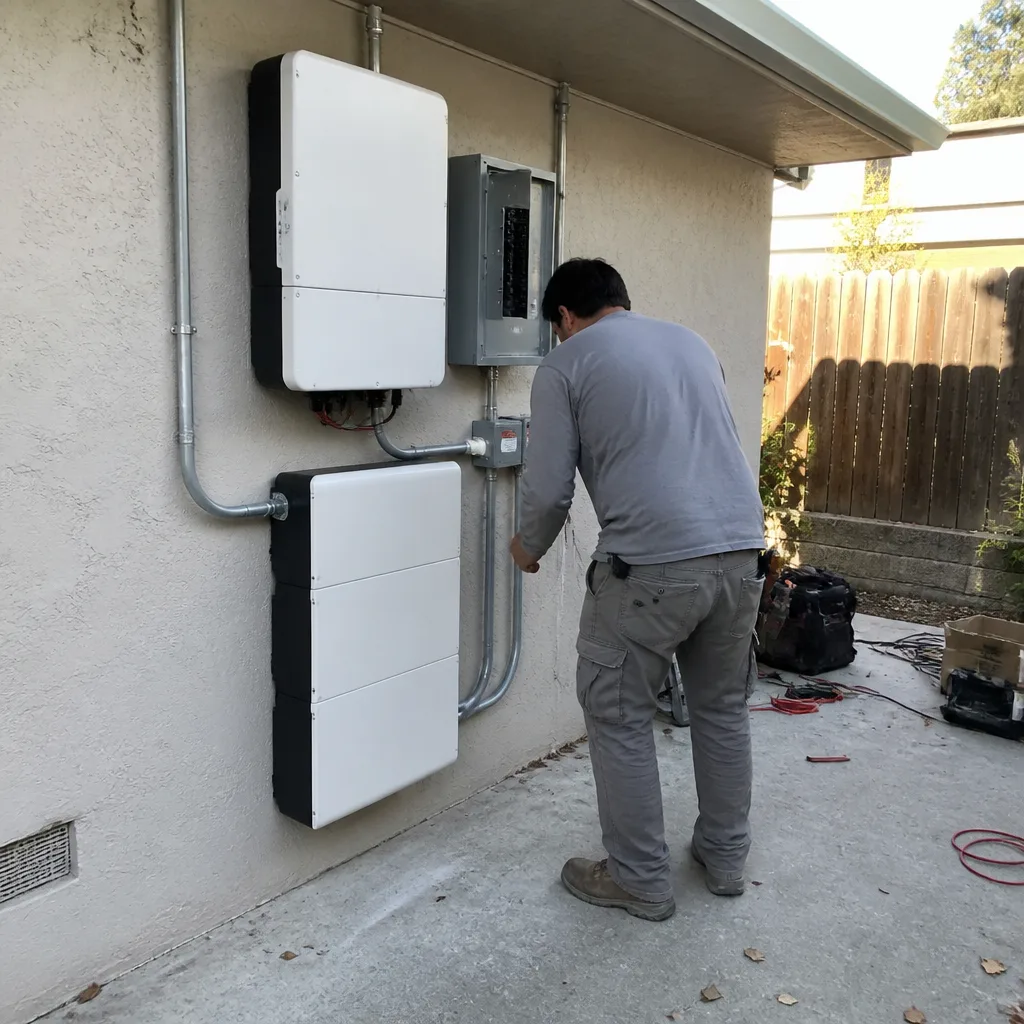 After
After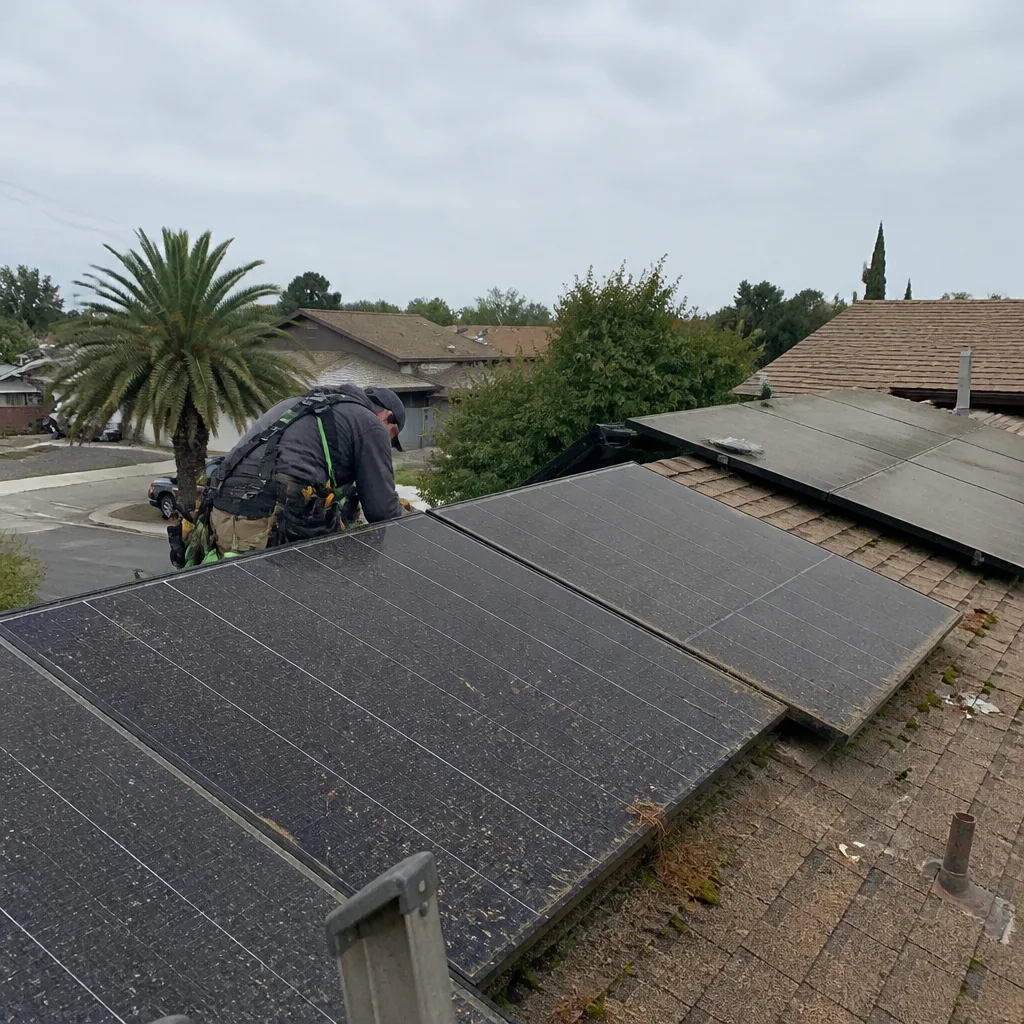 Before
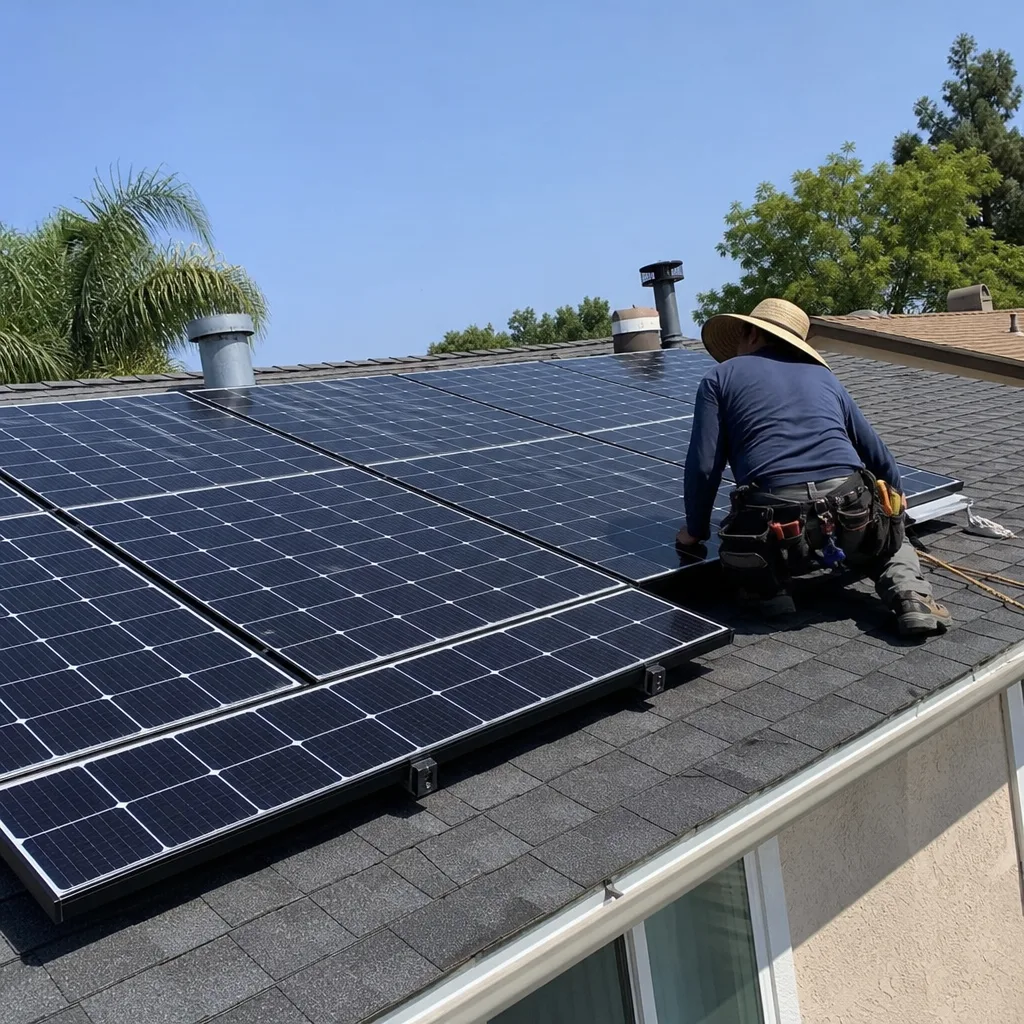 After
After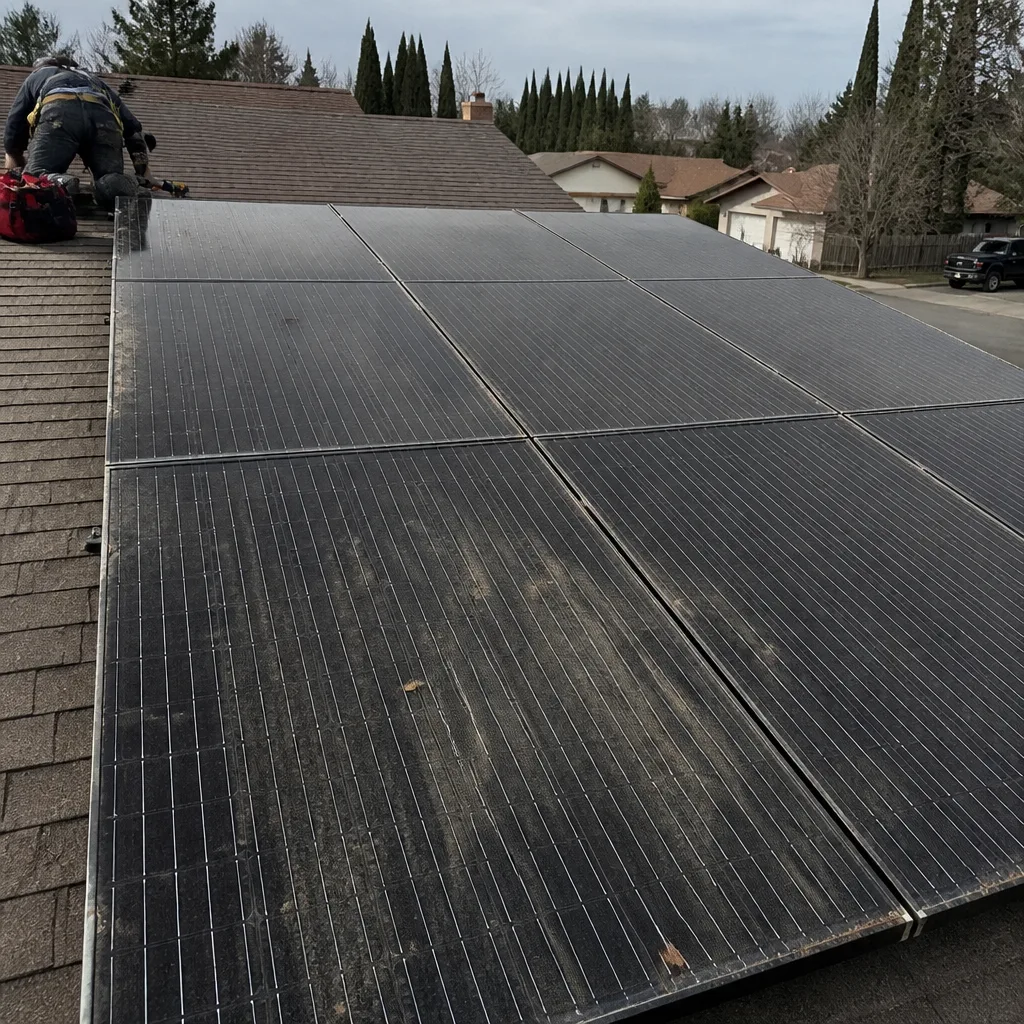 Before
 After
AfterFast, Reliable Solar Panel Repair Across Atwater
Solar panel repair in Atwater usually costs between $180 and $1,600, depending on whether you’re fixing a microinverter, replacing wiring, or addressing roof leaks around mounts. Gus Petrakis and his crew reach most Atwater homes within 24 to 48 hours, often same-day when a system has gone dark during a 100°F stretch. Call (877) 550-6892 and a live person answers, not a voicemail tree.
We work on systems across 95301, from the Castle Homes corridor to the tract neighborhoods off Atwater Boulevard. Atwater’s housing stock has a quirk most repair companies never mention: many of these homes were built for Air Force families decades ago, and their electrical panels were never designed for modern solar loads. That changes how we diagnose problems here, and it’s why this page covers things a generic repair site from Fresno won’t tell you.
Why Gus’s Solar Is Atwater’s Preferred Solar Panel Repair Company
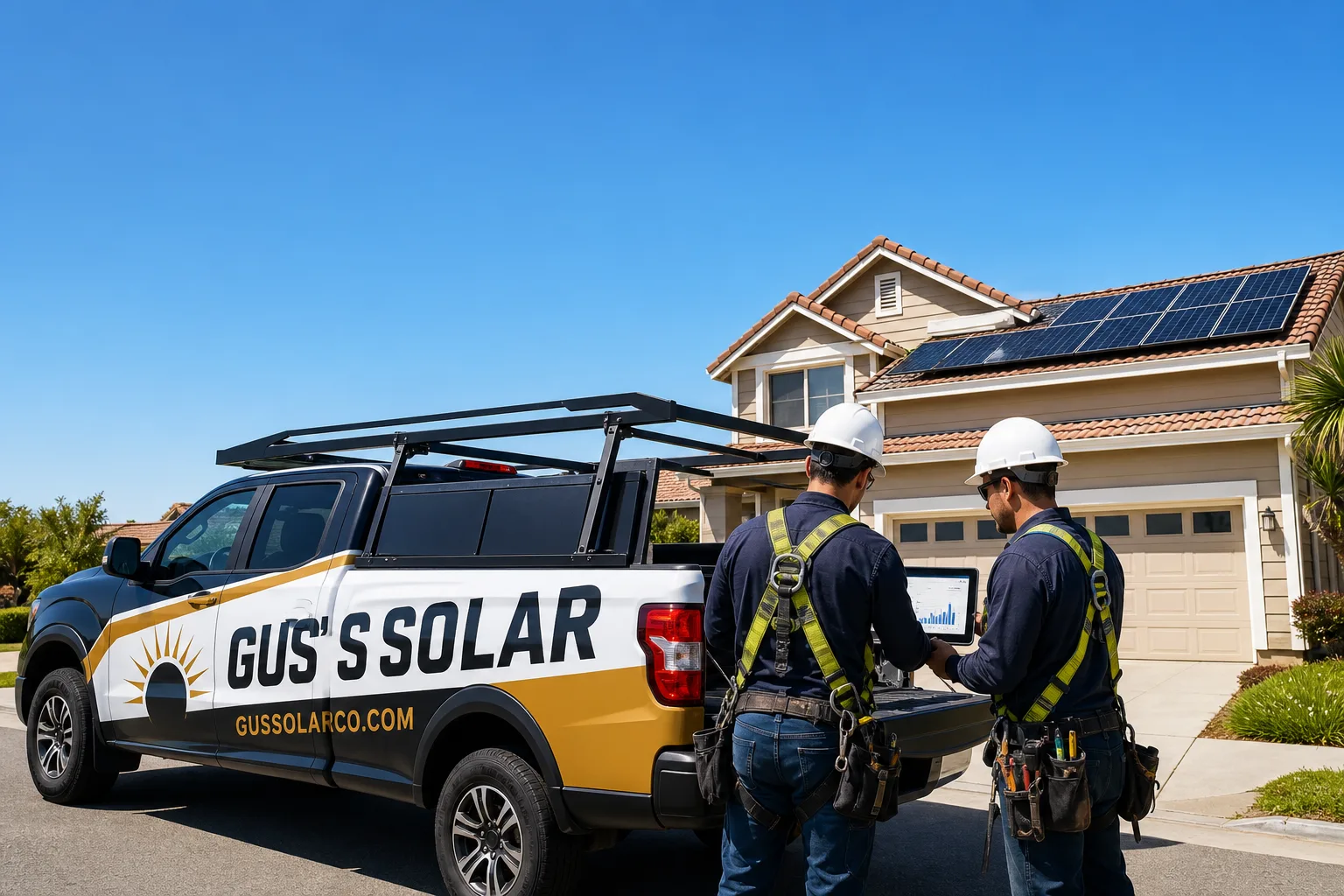
Gus Petrakis founded Gus’s Solar in 2011 and has been answering his own phone ever since. He’s not a franchise, not an out-of-state installer, and not a door-knocker. Atwater homeowners call us because we show up when we say we will, and because the name on the truck is the name on the work. Every solar repair job comes with the 90-Day Done Right Promise: if it’s not right, Gus comes back and makes it right. In writing, on every job.
Our crews know Atwater’s specific challenges. We’re not learning your neighborhood from a GPS on the day of the job. We know that homes in the Castle Homes corridor often run 100-amp panels that trip under summer load. We know that tule fog from November through February makes December production numbers look broken when they aren’t. We know which roof pitches on those 1950s and 1960s base-era homes cause recurring leaks around mounts. That local knowledge means we diagnose faster and fix the actual problem, not a guess.
Key Takeaways:
- Live person answers calls 24/7, including nights and weekends
- 90-Day Done Right Promise on every repair, in writing
- Background-checked, uniformed crew, never subcontracted work
- Free estimate and no trip charge for Atwater homeowners in our county
- Senior and veteran 10% discount that never expires
Our Solar Panel Repair Services in Atwater
Inverter Repair and Replacement
A failed string inverter is the most common reason an entire Atwater array stops producing. We test the unit, check for fault codes, and tell you honestly whether a repair makes sense or a replacement is the smarter money. On many Atwater homes, especially older base-era houses, the inverter tripping repeatedly points to a 100-amp service panel that can’t handle the load after a repair. We’ll tell you that upfront, with a real number for the electrical upgrade if it’s needed.
Microinverter Replacement
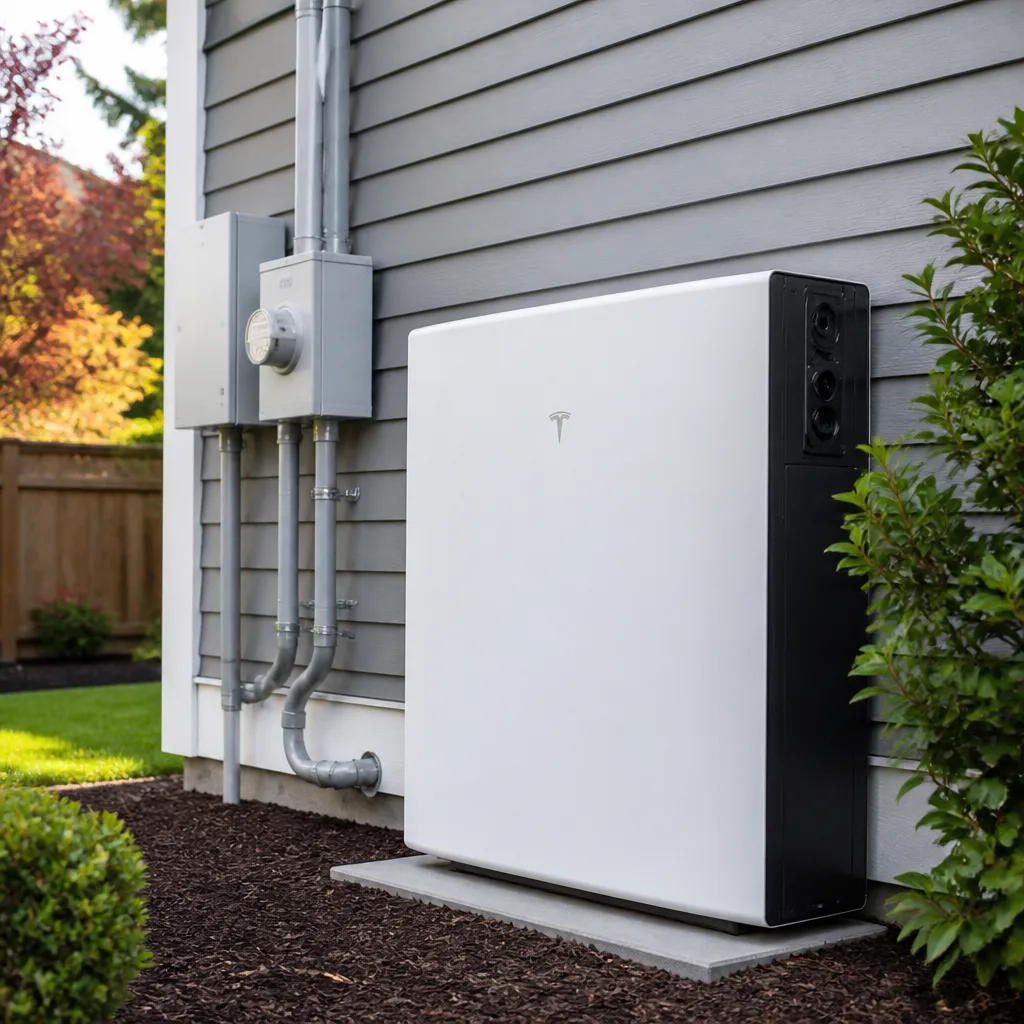
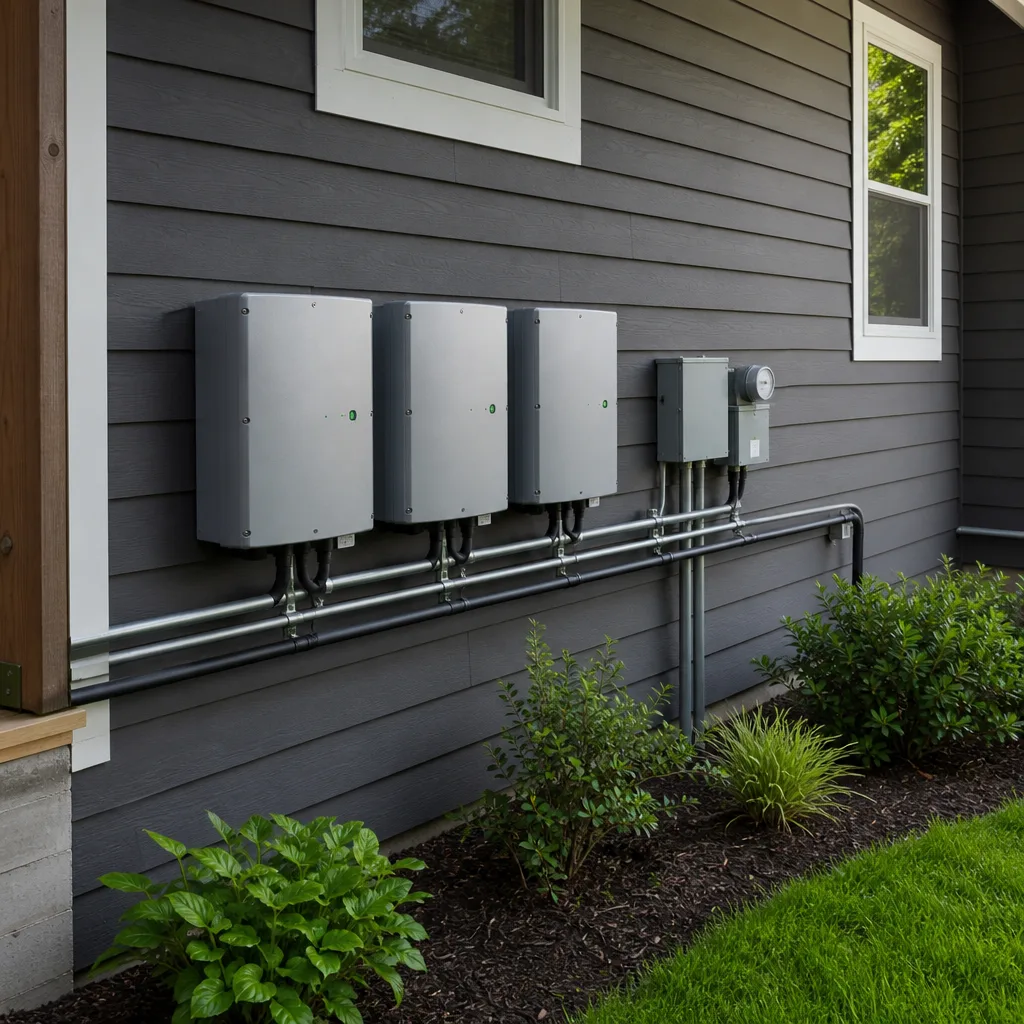
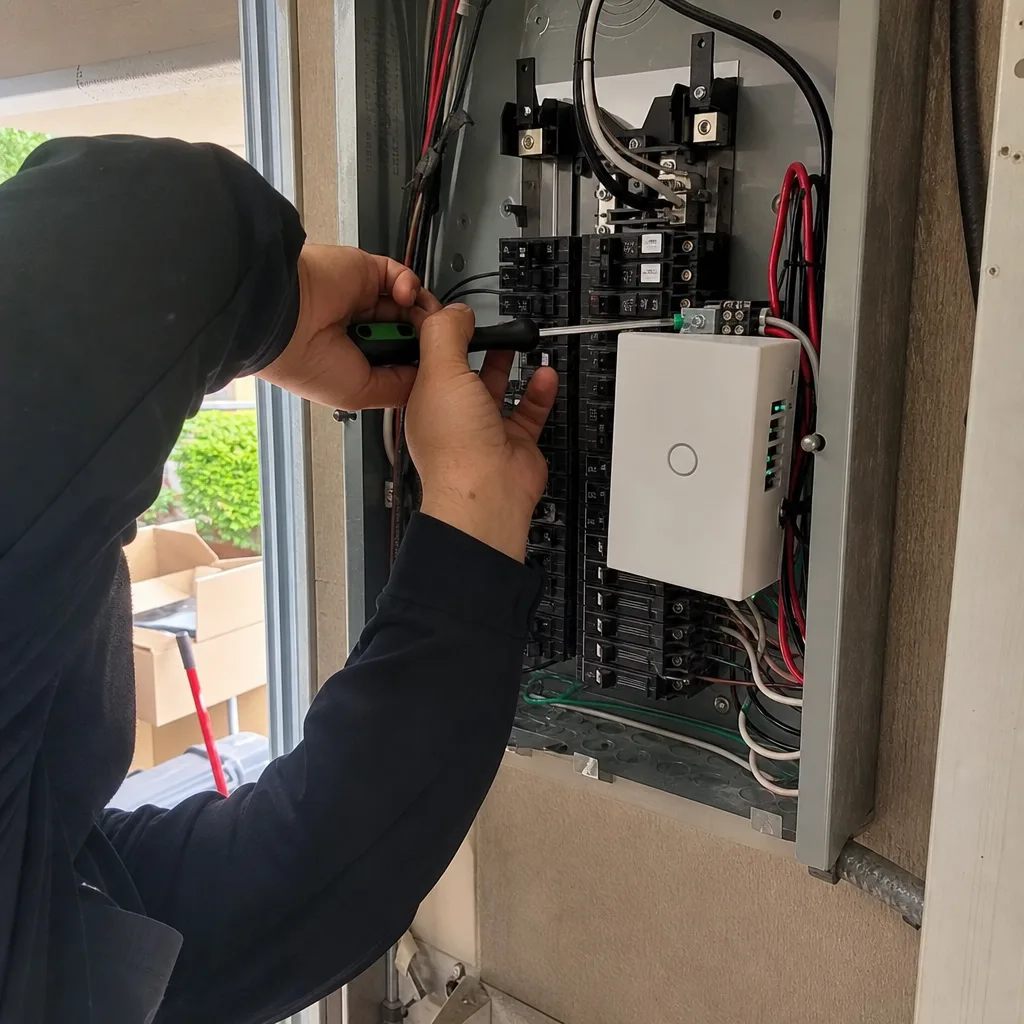
If you have an Enphase system and one microinverter fails, the whole module goes offline while the rest of the array keeps producing. That’s actually good news, because it means one bad component, not a system failure. We stock Enphase, SolarEdge, and Tesla microinverters and can swap most of them in under two hours at Atwater addresses. The catch on older Atwater homes is the same: undersized panels from the Castle-era housing boom can struggle when a repaired microinverter draws full current during July heat.
Wiring and Connector Repair
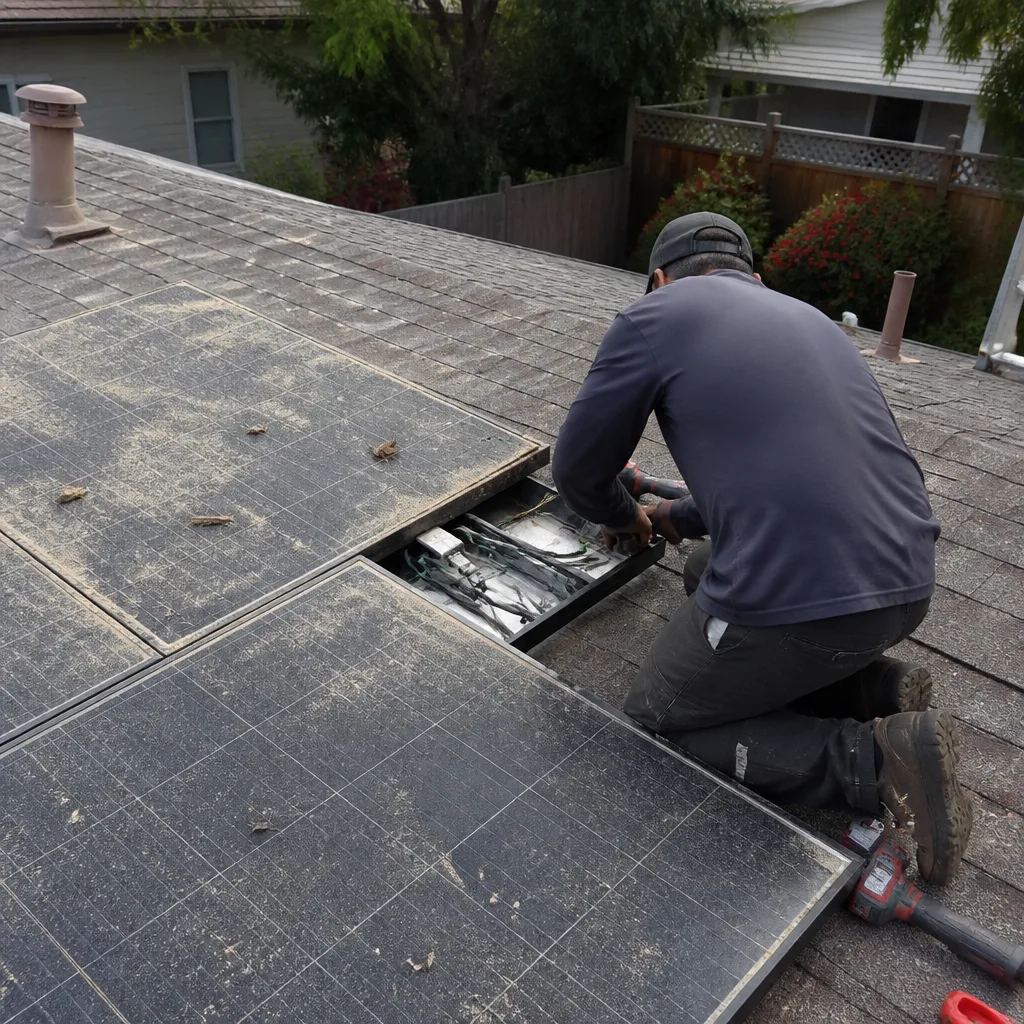
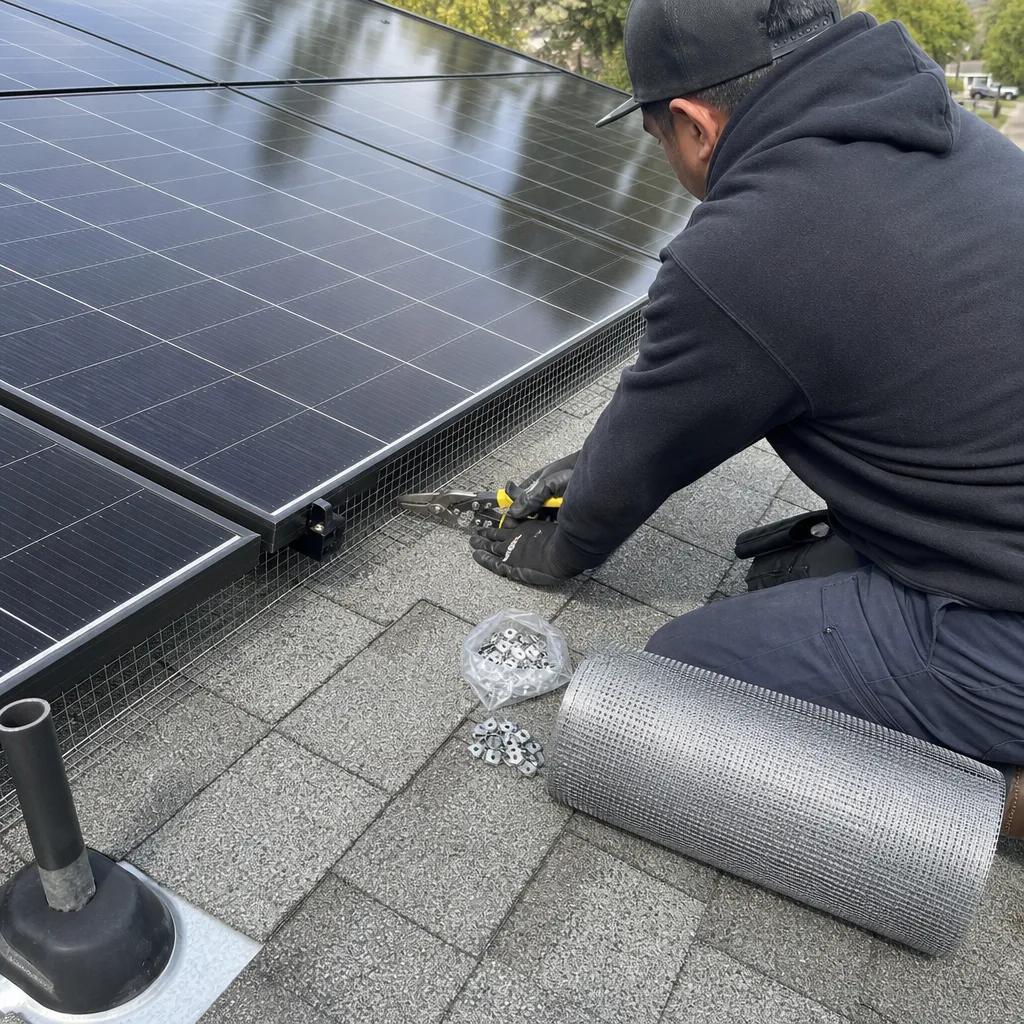
Rodents, heat fatigue, and poor original terminations cause most wiring failures we see in Atwater. Squirrels love attic spaces in the older housing stock, and their chewing around DC runs creates arcing faults that shut down entire strings. We trace the fault, replace damaged conductors, and re-terminate connectors using weatherproof MC4 fittings rated for Central Valley heat. You’ll get a clear explanation of what failed and what we did, not a vague “we fixed some wiring” summary.
Panel Replacement After Damage
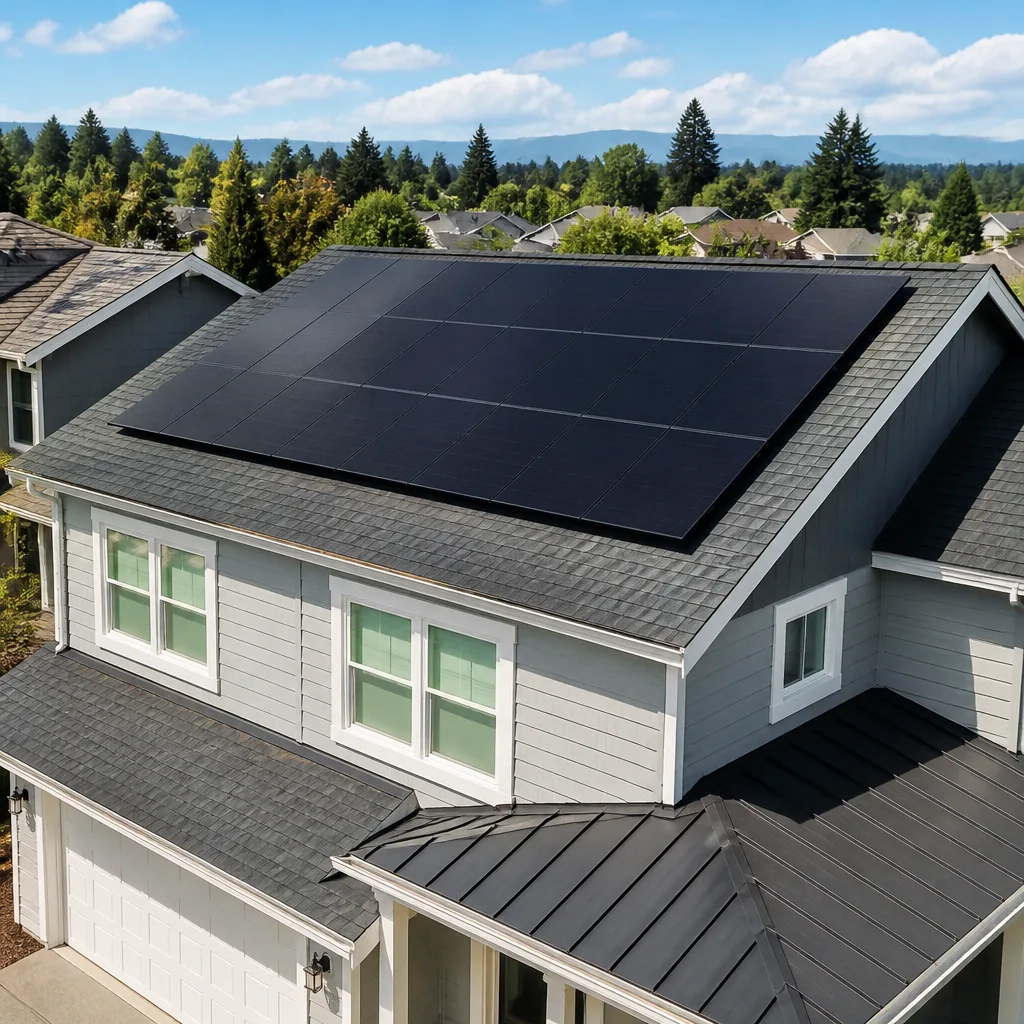
Hail, wind-blown debris, and years of 100°F-plus temperatures take a toll on Atwater panels. We match your existing array’s output class and replace cracked or shattered modules without charging for a full system redesign. If your panels are 12-plus years old and several are cracked, we’ll walk you through the math of replacing just the broken ones versus the whole array, with year-25 output numbers based on your actual utility bill history, not a brochure.
Two other services matter in Atwater specifically. Roof leak repair around mounts is a recurring issue on the shallow-pitch, composite-shake roofs common to base conversion homes, especially after winter tule fog leaves moisture sitting against flashing for weeks. And orphaned-system takeover is something we do a lot: homeowners whose original installer went out of business or stopped returning calls. We assess the system, fix what’s broken, and take over monitoring. More on both below.
What happens when you call
- 1
A real person answersNo phone trees - you reach a local pro.
- 2
You get an upfront price rangeHonest numbers before anyone is dispatched.
- 3
A background-checked tech heads outLicensed & insured, dispatched right away.
- 4
You approve before work beginsNothing starts until you say go.
Trusted Brands We Service in Atwater
We work on systems built with Enphase, Tesla, SolarEdge, FranklinWH, SunPower, Panasonic, Qcells, REC, Canadian Solar, and JinkoSolar equipment. For Atwater repairs, we keep common microinverters, optimizers, connectors, and flashing kits stocked locally, which means faster turnaround on most fixes. If you have a system from an installer who’s no longer around, we can take over service on any of these brands. Our Solar Panel Repair team handles orphaned systems regularly across Merced County.
Common Solar Panel Repair Problems We See in Atwater Homes
- Undersized 100-amp legacy panels from military-era homes. Castle-AFB conversion houses built in the 1950s through the 1970s often have 100-amp service that wasn’t designed for solar. After a repair, the panel can trip repeatedly on hot days when the inverter and the air conditioner pull current at the same time. We spot this before you spend money on a repair that won’t hold.
- Roof leaks around mounts on shallow-pitch shake roofs. The original composite and shake roofing on those older Atwater homes doesn’t always bond well with modern flashing. After winter tule fog leaves moisture pooled against mounts for weeks, leaks appear. We use high-temp flashing kits rated for this climate and re-seal every penetration we touch.
- Winter production drop-offs homeowners mistake for failure. Tule fog sits over Atwater from roughly November through February, and production can drop 60-80% for days at a time. Panels aren’t broken. We pre-empt a lot of unnecessary service calls by showing fog-adjusted monthly output graphs so you know what your system should actually produce in December and January.
- Rodent damage to DC wiring in older attics. Base-era homes often have easy access points rodents find before we do. Chewed wiring causes arcing faults and whole-string shutdowns. We repair the conductors, seal entry points where we can, and recommend a simple mitigation if the problem recurs.
A Field Note From Atwater
We replaced a microinverter on a 2018 Enphase system in the Castle Homes corridor off Buhach Road. The homeowner’s 100-amp panel had tripped repeatedly during summer heat, and they’d been told by another company the whole array needed replacing. Our tech rerouted the array feed through an upgraded subpanel and re-sealed the roof penetration with a high-temp flashing kit. Full production restored before the next 103°F afternoon. The fix cost a fraction of what they’d been quoted for a new system.
Pricing for Solar Panel Repair in Atwater, CA
Here’s what Atwater homeowners can expect to pay, based on the jobs we’ve done across 95301:
| Repair Type | Typical Atwater Price Range |
|---|---|
| Microinverter replacement (single unit) | $180 - $450 |
| Inverter replacement (string inverter, full swap) | $1,200 - $2,800 |
| Wiring and connector repair (per string) | $150 - $400 |
| Roof leak repair around mounts | $350 - $900 |
| Single panel replacement (installed) | $250 - $550 |
| Orphaned-system assessment | Free with any repair |
These are real ranges for the Atwater market. The biggest cost variable on older homes is whether your 100-amp panel needs an upgrade before the repair will hold. That typically adds $1,800 to $3,500, and we’ll tell you during the estimate, not after we’ve started. We also offer $40 off any repair over $200, and a free second opinion on any written estimate you’ve received. Call (877) 550-6892 for an exact quote. Estimates are free, and we don’t ask for a signature tonight.
We Also Serve Cities Near Atwater
Beyond Atwater, our crews regularly handle Solar Panel Repair in Atwater and nearby communities including Winton, Livingston, Merced, and Delhi. If you’re just outside 95301, call and ask. If we’re already in your area that week, you still get the no-trip-charge treatment. Same crew, same 90-Day Done Right Promise, same live person on the phone.
Serving Atwater, CA - Our Local Coverage Area
We’re based in the Atwater area and know this community well. Use the map below to see our service coverage - if you’re nearby, we can almost certainly help.
FAQs - Solar Panel Repair in Atwater
That’s tule fog. Dense fog sits over Merced County from roughly November through February and cuts production by 60 to 80 percent for days or weeks at a time. Your panels are fine. Before you call for a repair, pull your system’s daily output graph and compare it to a fog-adjusted expectation. If you’re not sure what that looks like, call us at (877) 550-6892 and we’ll help you read the data before scheduling a service visit. A lot of Atwater homeowners save a truck roll this way.
Sometimes the microinverter swap alone is fine. But if your panel has been tripping on hot days or when the AC and the solar system run at the same time, a straight swap may not hold. We’ll check the actual load during the estimate and tell you what’s needed. The panel upgrade, if required, typically runs $1,800 to $3,500 on Atwater’s older homes, and we’ll give you that number in writing before any work starts. No surprises, no upsell.
Most leaks around mounts on Atwater homes trace back to shallow-pitch composite or shake roofing from the base-conversion era, combined with winter tule fog that keeps moisture against the flashing for weeks. We remove the affected mount, inspect the decking beneath, replace any rotted section, and re-seal with a high-temp flashing kit rated for Central Valley summers. The repair is localized. You don’t need a new roof unless the decking damage has spread well beyond the mount area, and we’ll show you photos either way before we proceed.
Yes, we take over orphaned systems regularly across Merced County. The first thing we check is whether the system is actually producing at spec right now, by pulling inverter-level production data and comparing it to a fog-adjusted baseline for Atwater’s climate. Then we inspect every roof penetration, test each microinverter or string, verify grounding, and check for rodent damage. From there we give you a clear list of what’s fine, what’s wearing out, and what needs fixing now versus later. Call (877) 550-6892 and we’ll schedule the assessment.
If the rest of the array is producing within 10 percent of its original spec and only one or two panels are cracked, replacing just those panels makes sense at around $250 to $550 installed per panel in Atwater. If several panels are degrading and the array has lost 20 percent or more of its output, the math shifts. We’ll show you the year-25 output numbers for each option based on your actual utility bill, not a generic estimate. You decide, and you can take two weeks to think about it. The price will be the same.
Written by Gus Petrakis, Owner at Gus’s Solar, serving Atwater and Merced County since 2011.