
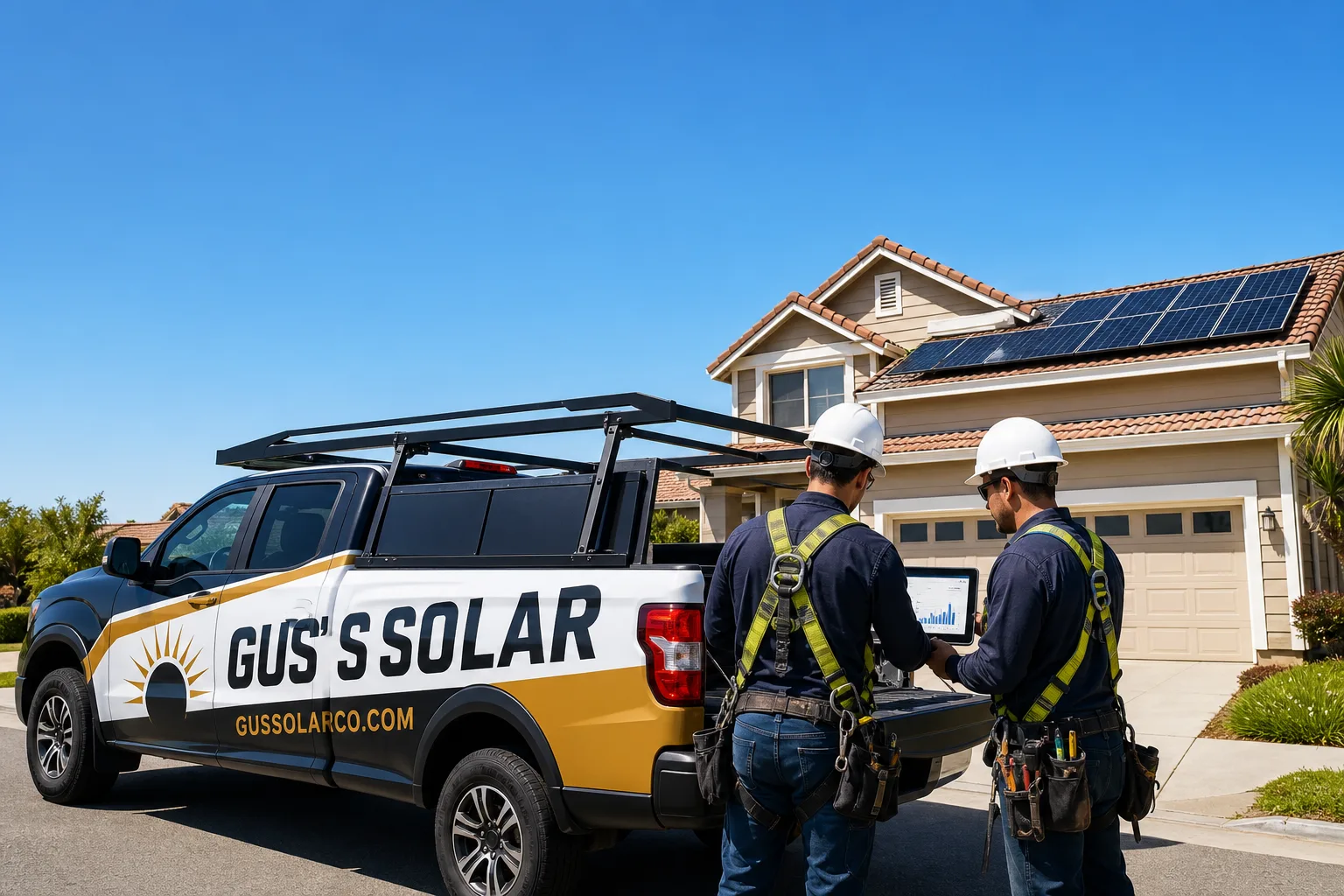
Free bill analysis - bring a power bill, get the production math for your actual roof, panel brands like Qcells and REC compared side by side
If the pitch starts at your door and ends with "sign tonight for the special," sleep on it. The sun will still be there tomorrow; so will we.
 Before
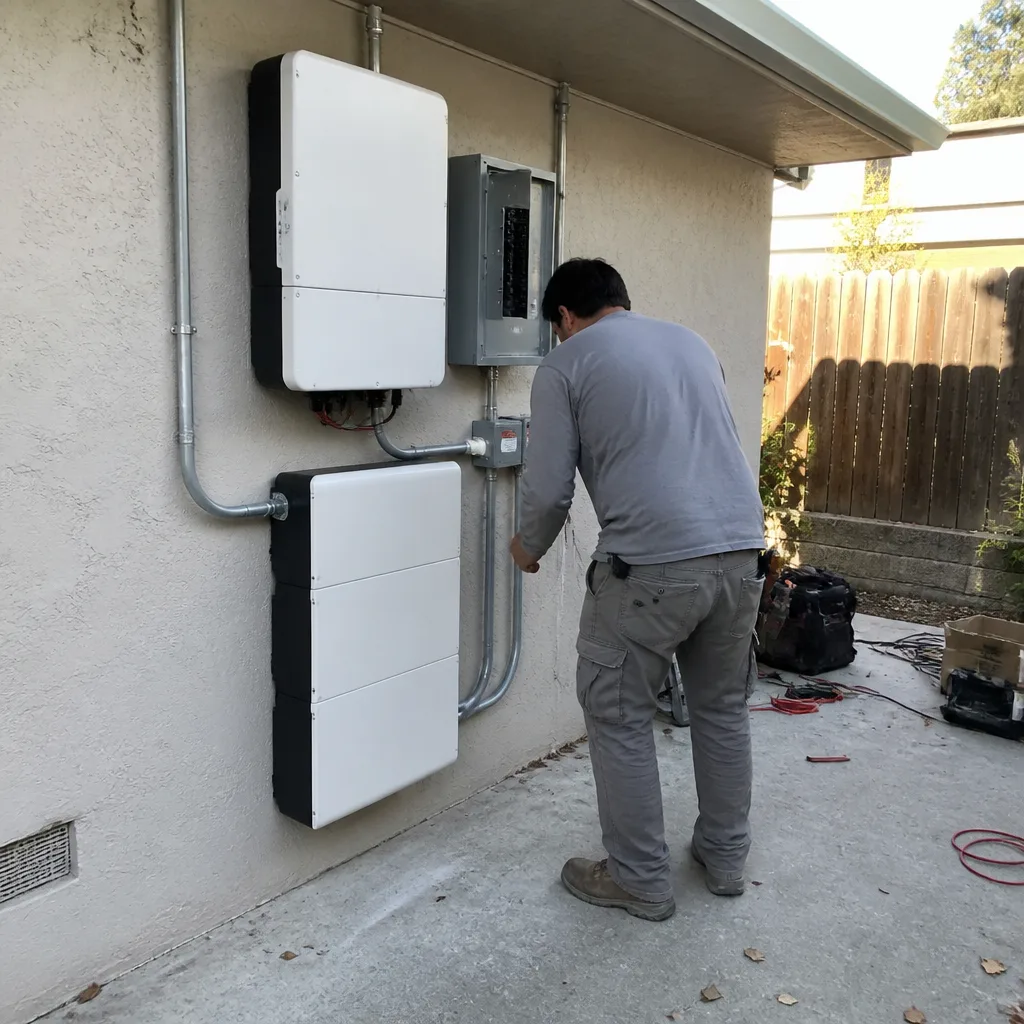 After
After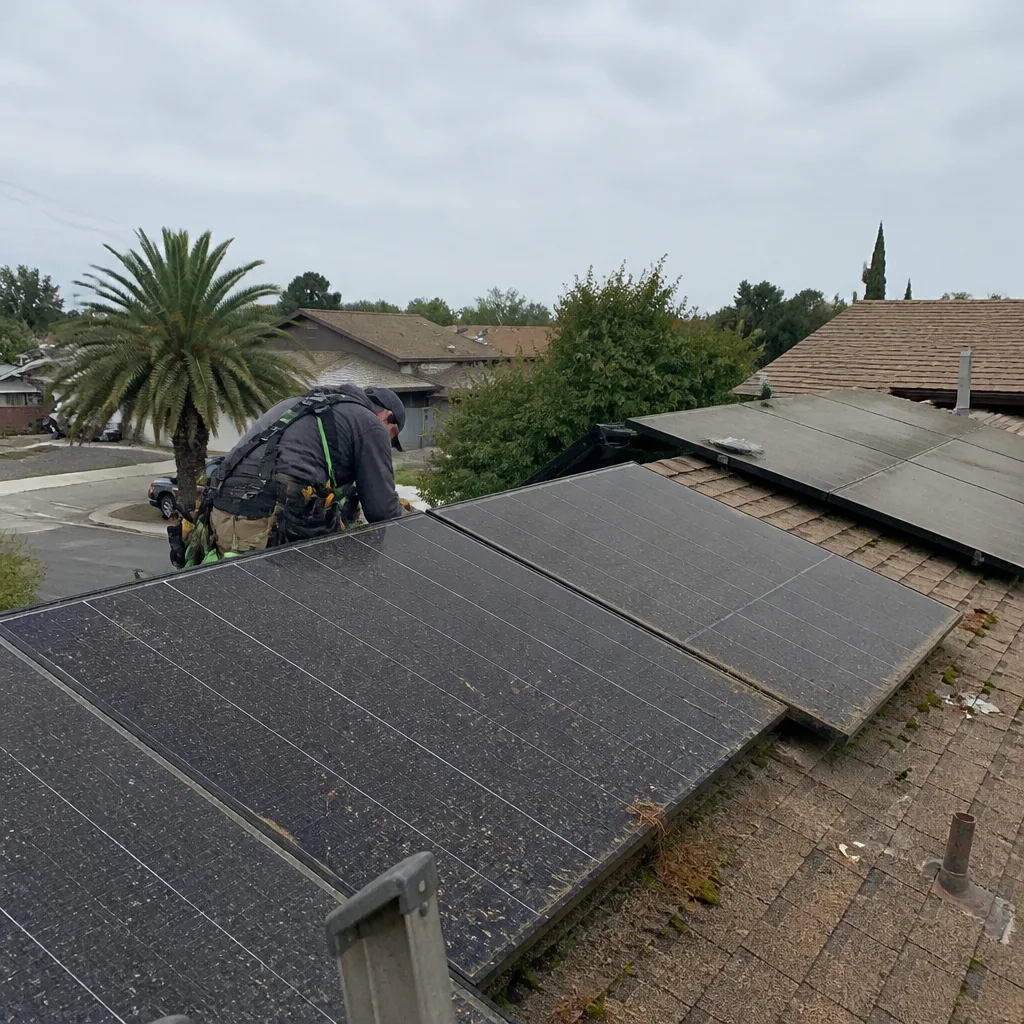 Before
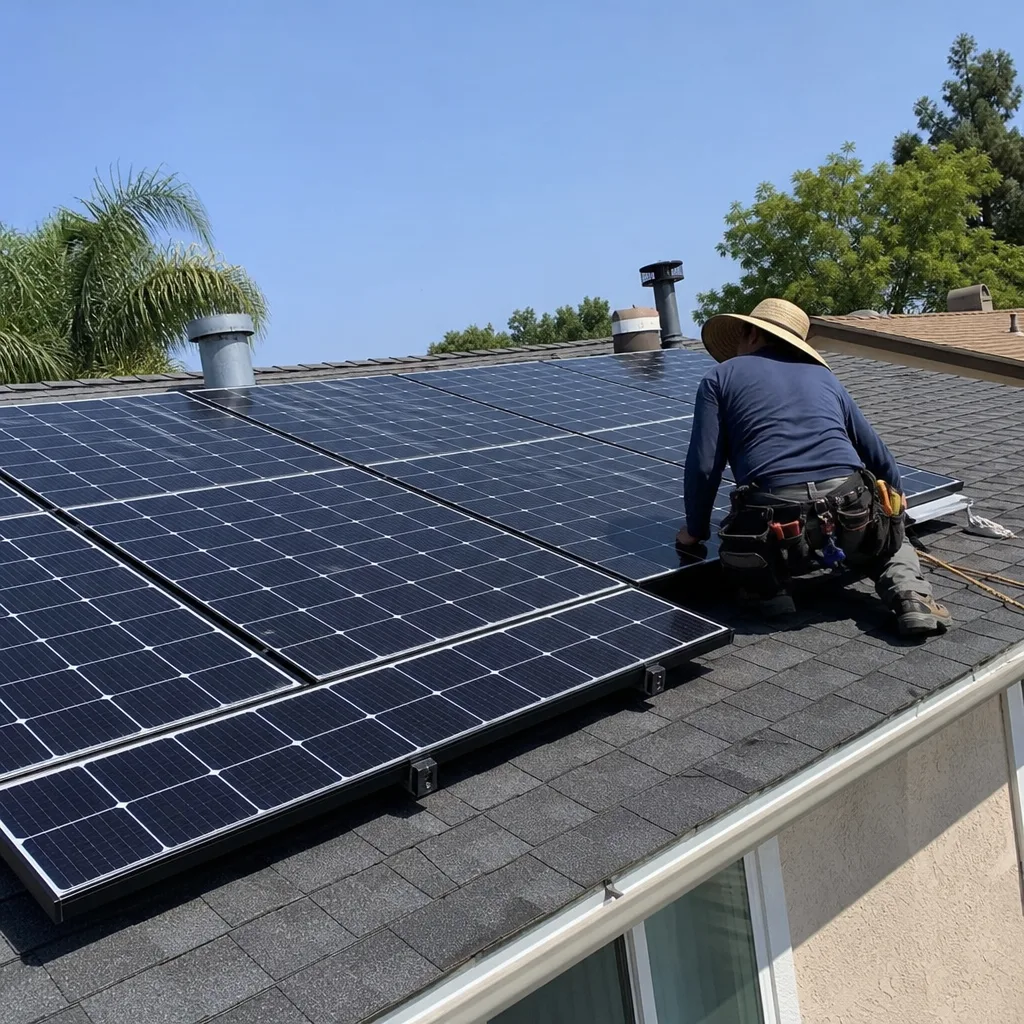 After
After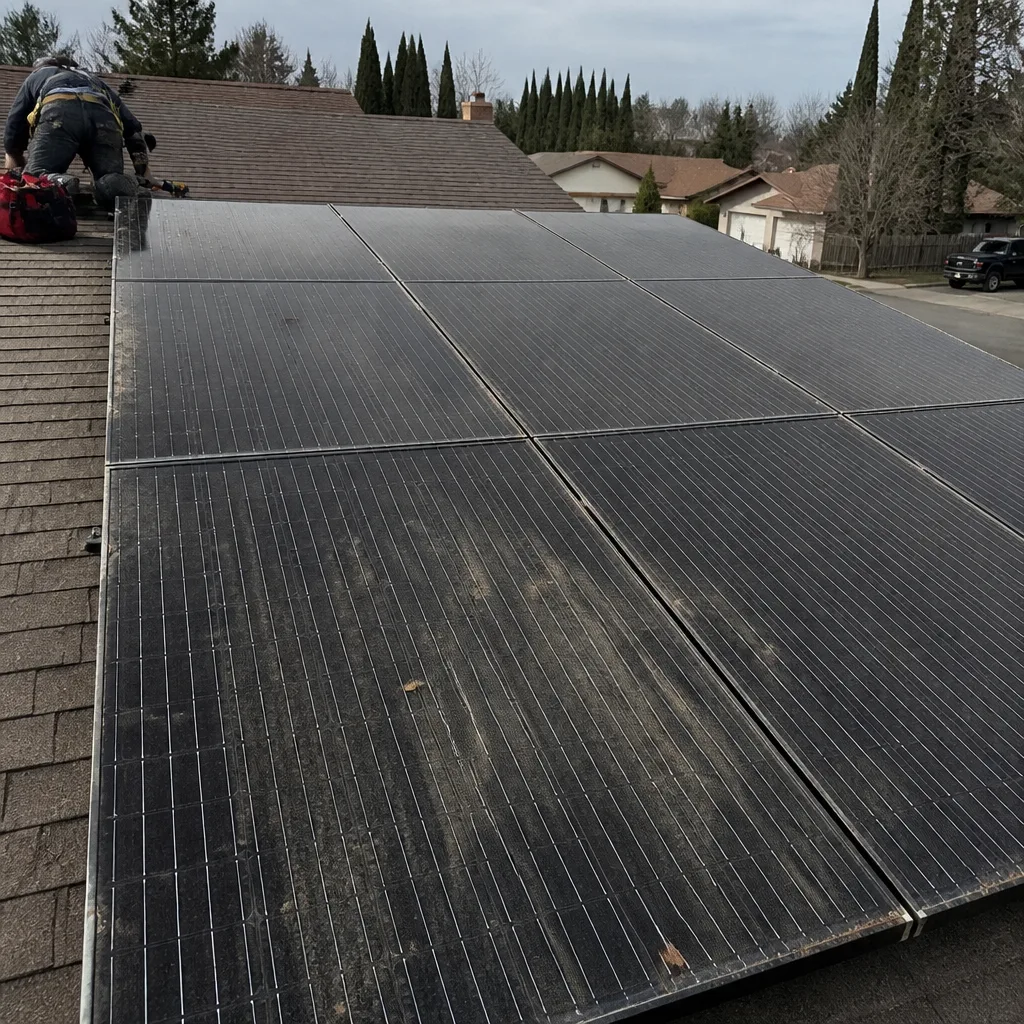 Before
 After
AfterFast, Reliable Solar Panel Maintenance & Monitoring Across Winters
Solar panel maintenance and monitoring in Winters usually costs between $150 and $350 per visit, and most routine checks are completed within a two-hour window. Gus’s Solar runs a real maintenance crew that knows the 95694 ZIP code well enough to find your place without GPS help on the back roads. If your system is underreporting, throwing fault codes, or you simply want someone to confirm the numbers on your PG&E bill match what your panels should be making, call (877) 550-6892 and a live person picks up. Not a voicemail. Not a ticket queue.
Winters is a different kind of service territory than Davis or Woodland. Farms off Highway 128, ranches along Putah Creek Road, older Victorians downtown, mid-century ranchers on the side streets. Each property has a different roof, a different inverter setup, a different set of demands. We’ve been handling dirty, complex, agricultural-scale maintenance calls here long enough that most of what we see does not surprise us anymore. That matters when production drops and you need an answer, not a guess.
Our Solar Panel Maintenance & Monitoring team handles systems of every age and brand, from ground-mount arrays behind almond orchards to rooftop installations on Craftsman homes near downtown Winters. We monitor, diagnose, clean guidance, firmware updates, and warranty support under one roof, without subcontractors or someone else’s crew showing up.
Why Gus’s Solar Is Winters’s Preferred Solar Panel Maintenance & Monitoring Company
Gus Petrakis founded this company in 2011 and he still answers his own phone. That alone sets us apart from the solar outfits that cold-call Winters homeowners with a clip board and a handshake. When a replacement microinverter is back-ordered, you hear it from us. When a firmware update breaks an app configuration, our team fixes it and calls you. When a monitoring alert fires at 11:30 on a Saturday night, a human being sees it. That is the difference between a maintenance provider and a sales operation with a service department.
Winters customers have called us for everything from loose MC4 connectors on farm shop roofs to a full inverter replacement on a Victorian near Railroad Avenue. We live in the Sacramento Valley too. We know the roads. We know how fog season changes solar production assumptions. We know the panel types older Winters homes carry. We know what a tule fog false alarm looks like on an Enphase portal, and we know what a genuine string fault looks like on a SolarEdge inverter. That kind of local judgment does not come from a remote call center.
We carry a 90-Day Done Right Promise in writing on every maintenance job. If something is not right, one call brings Gus back. No escalation tree, no third-party warranty administrator, no finger pointing.
Our Solar Panel Maintenance & Monitoring Services in Winters
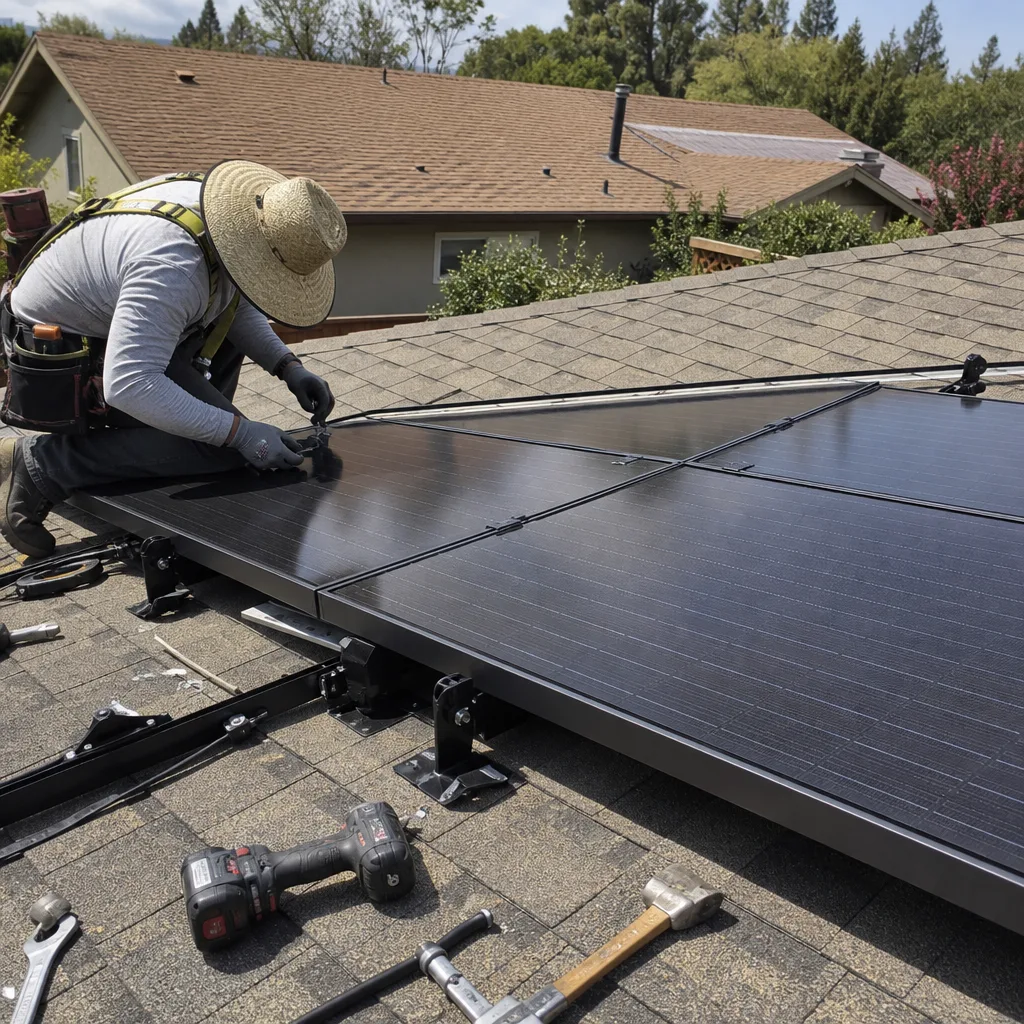
Production Monitoring Setup
We see many Winters farms and homes with solar installed by out-of-market crews that never configured the monitoring portal correctly. The hardware works. The app shows a green checkmark. But nobody set the baseline production to reflect local conditions. That green checkmark means nothing if your Enphase or SolarEdge portal is comparing against a default profile built for coastal California. Our team configures production monitoring to match actual conditions for Winters: 5.5-6.0 peak sun hours on the valley floor, dense tule fog from December through February, and panel temperatures that routinely exceed 140°F in July. Correct baselines mean real alerts. Incorrect baselines mean a wall of false alarms that train you to ignore the app.
If you have a PG&E agricultural rate with demand charges, that configuration matters even more. A production alert that fires during a low-production fog week is not the same as one that fires during a high-demand irrigation-pump afternoon. We set up monitoring that understands the difference.
Underperformance Diagnostics
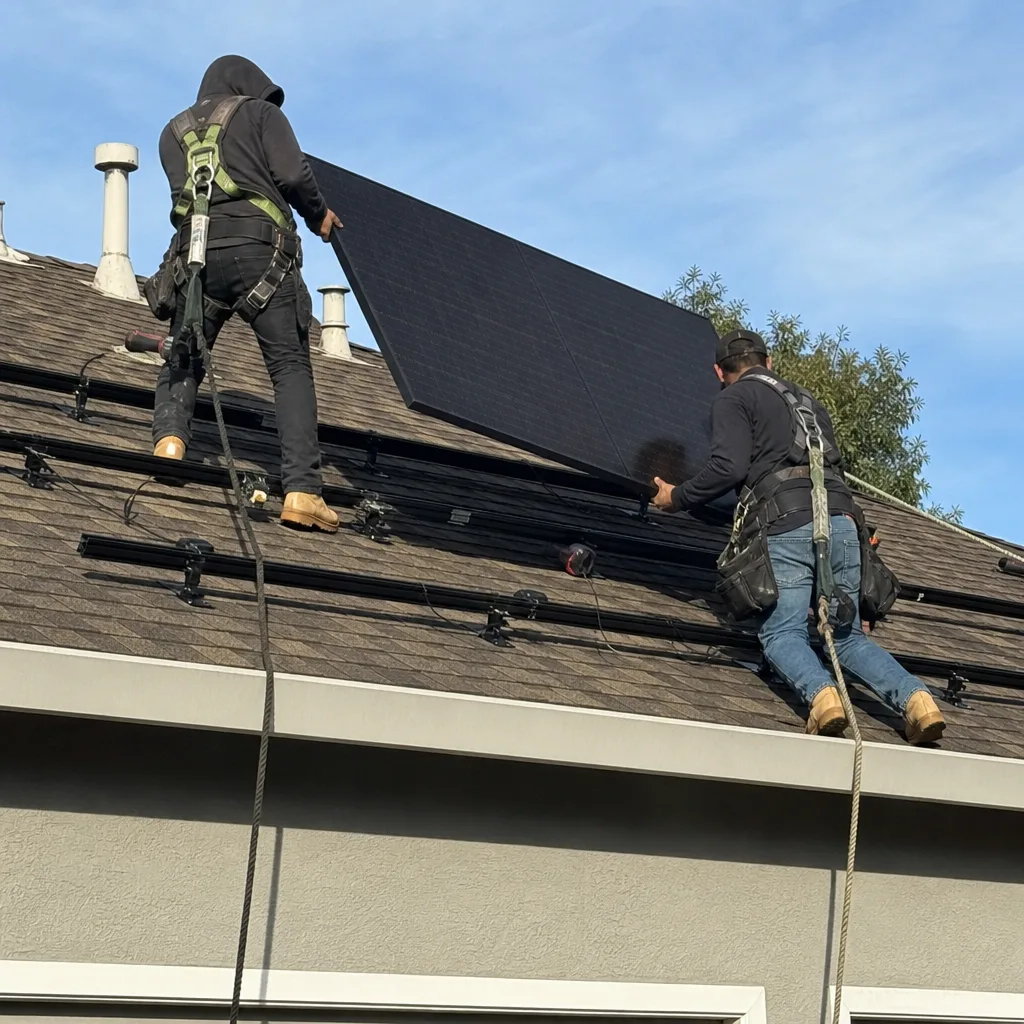
On a ranch off Putah Creek Road, our tech arrived to diagnose an Enphase microinverter array on a pole-mounted system that had been underreporting production for weeks. The culprit was a failed microinverter that had tripped rapid shutdown. We replaced it and reconfigured the production monitoring portal to flag any future inverter-level faults, getting the farm’s true-up statement back on track before another demand-charge cycle hit.
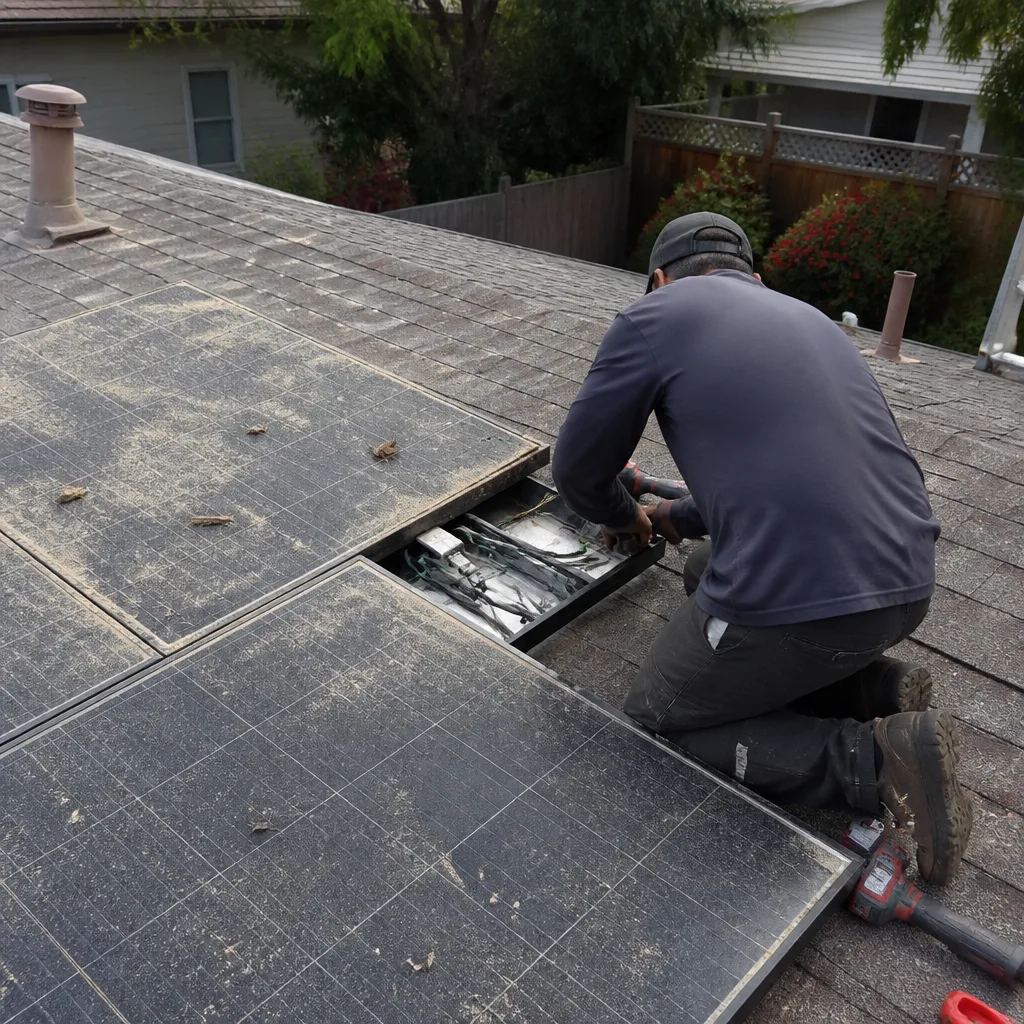
That is not an unusual call for Winters. Underperformance here usually traces back to one of four things: loose MC4 connections from thermal movement on aging ag-structure roofs, a single failed microinverter dragging down an entire string report, monitoring software that was never updated to reflect local weather patterns, or a panel coating of valley dust and agricultural residue that cuts output more than people expect. We find the actual cause. We fix the actual cause. We tell you what we found in plain English.
Preventive Maintenance Plans
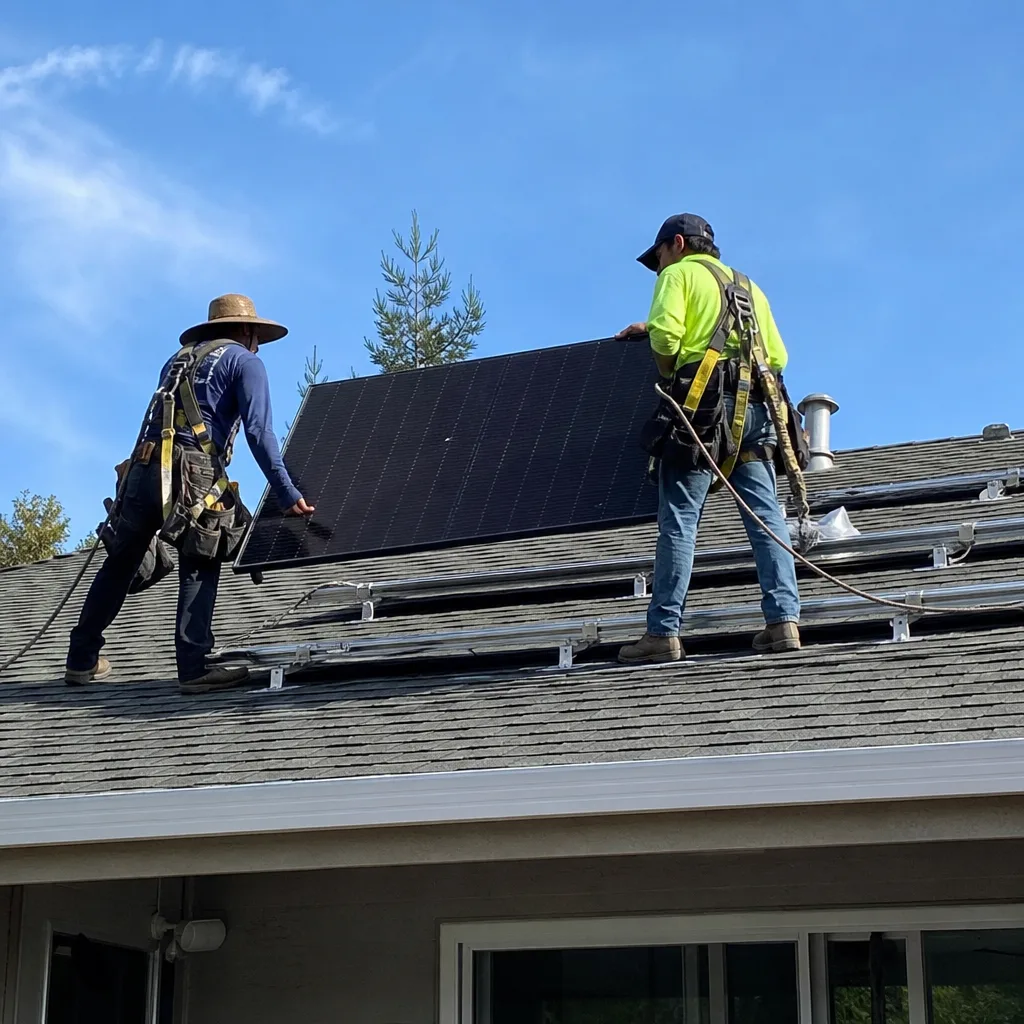
Winters owners with rural acreage tend to be self-reliant. They do not want a subscription for the sake of a subscription. But they do want someone checking the system twice a year so a small fault does not become a September surprise. Our preventive maintenance plans cover two visits per year, including panel inspection, connector checks, inverter diagnostics, production report review, and firmware updates. The value is catching things before they cost real money. We have seen panels underperforming for ten months because a single MC4 connector loosened and nobody noticed until the true-up bill arrived. A maintenance plan is cheaper than that.
Firmware & App Configuration
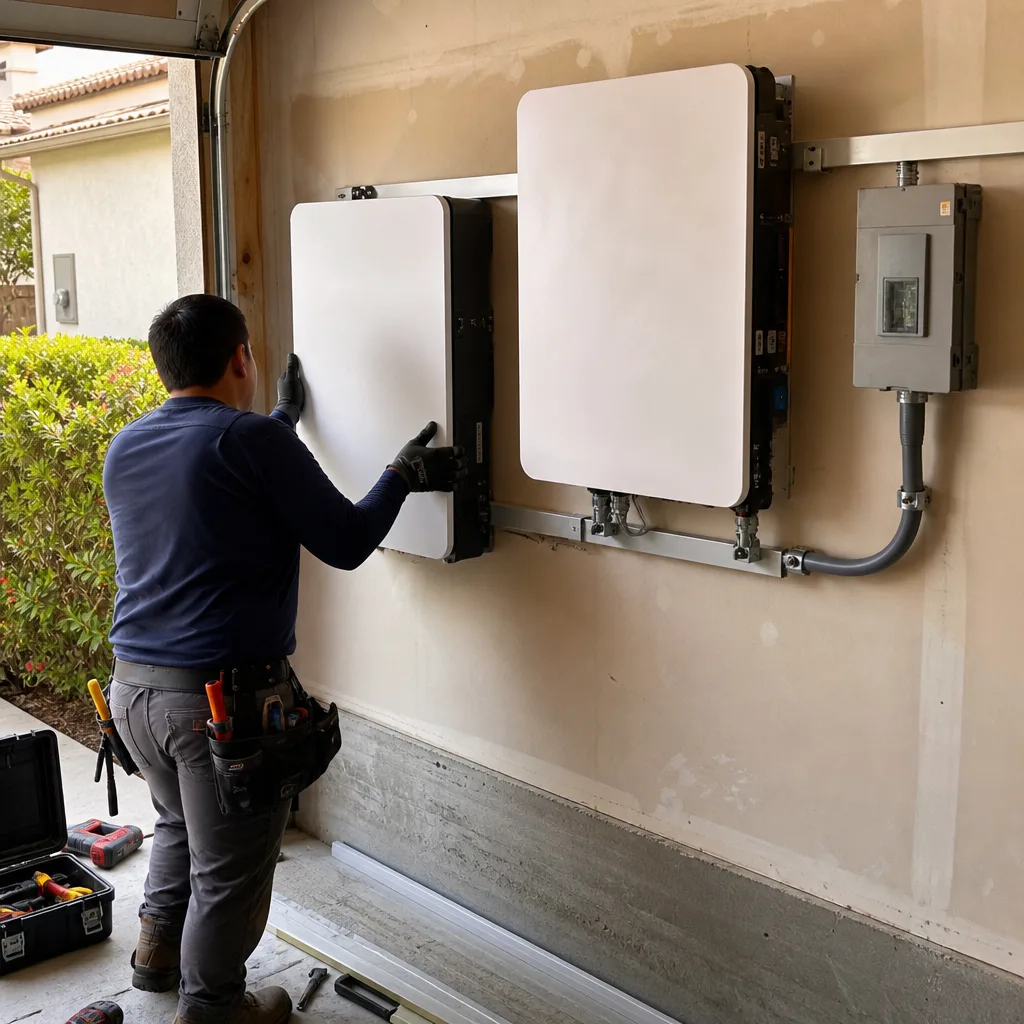
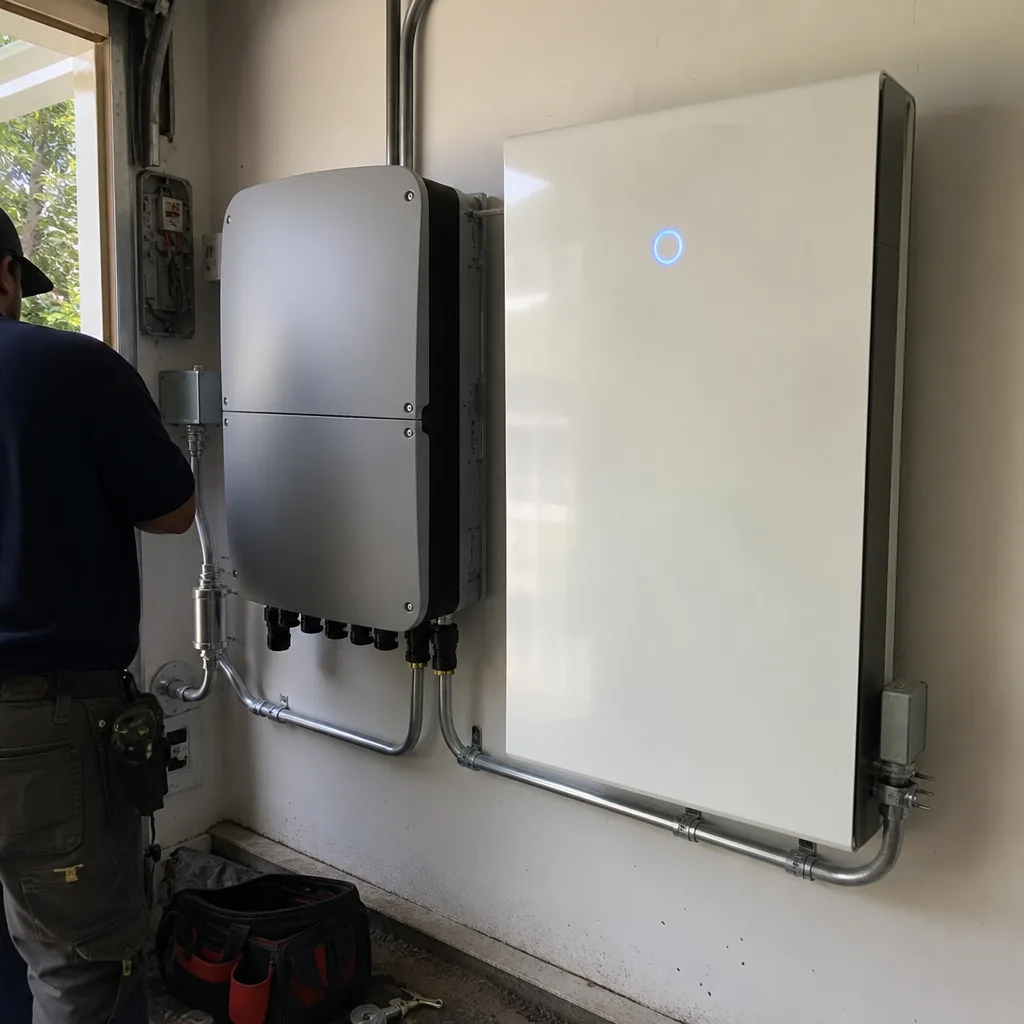
Inverter firmware updates break monitoring apps. It happens every week. A homeowner calls us because the app stopped displaying data, or it shows a string that is not actually there, or the reporting interval changed from 15 minutes to 4 hours. We handle firmware updates and app reconfiguration for Enphase, SolarEdge, Tesla, and other major systems. If your installer is no longer in business, that responsibility falls to you unless you call someone like us. We also handle network connectivity issues, which hit Winters homes more often than you would expect because many rural properties still run on flaky DSL or point-to-point wireless internet rather than municipal fiber.
What happens when you call
- 1
A real person answersNo phone trees - you reach a local pro.
- 2
You get an upfront price rangeHonest numbers before anyone is dispatched.
- 3
A background-checked tech heads outLicensed & insured, dispatched right away.
- 4
You approve before work beginsNothing starts until you say go.
Trusted Brands We Service in Winters
We service and monitor systems built on Panasonic, Canadian Solar, and JinkoSolar panels, along with inverters and battery equipment from Enphase, SolarEdge, Tesla, and FranklinWH. Because we are brand-agnostic, our only interest is what works best for your specific roof orientation and electric load. We do not push a brand because of a preferred-vendor rebate. What we do is keep parts moving. For common failure components like microinverters, rapid shutdown devices, and MC4 connectors, we keep stock so a maintenance call does not turn into a two-week wait for a freight delivery. That matters in Winters where a missed production week in summer is not theoretical money.
Common Solar Panel Maintenance & Monitoring Problems We See in Winters Homes
- Tule fog trigger false underperformance alarms. From December through February, dense radiation fog settles over the valley floor and cuts production 40-60% on some days. If your monitoring portal is configured for clear-sky expectations, it will fire alerts all winter and train you to ignore them. We adjust baseline logic for fog-season reality so real alerts still stand out.
- Undersized 100-amp panels in older homes cause breaker trips. Winters’s Victorian and Craftsman homes frequently still run on 100-amp service. Solar output plus AC load on a hot afternoon can push that panel to its limit. Skipping maintenance on the main breaker and bus bars leaves some Winters homeowners with nuisance trips they blame on their inverter.
- Loose MC4 connectors on agricultural structures. Wood-framed and metal-roofed farm buildings move more with temperature swings than residential roofs. That thermal movement loosens connectors over time, causing intermittent string faults that go unnoticed until a production estimate falls short on paper.
- Dust and agricultural residue coating panels. Orchards, vineyards, and tilled fields put particulate in the air. That residue settles on panels and cuts output by 3-7% between cleanings. It is not dramatic, but on a 10 kW system producing 14,000 kWh per year, it is real money.
Pricing for Solar Panel Maintenance & Monitoring in Winters, CA
A typical annual inspection in Winters runs $150-$250. Production monitoring setup ranges $100-$300 depending on whether it is a basic Enphase portal configuration or a full PG&E agricultural rate integration with demand-charge tracking. Underperformance diagnostics run $180-$350 when it involves on-site connector testing or inverter-level fault isolation. Firmware and app configuration is usually $75-$150 if we can do it remotely, or $150-$250 if a trip to your property is needed. Preventive maintenance plans start around $199 per visit when booked as a twice-annual plan.
What changes the number: ground-mount arrays are easier and faster to service than steep residential roofs, but they involve more panel-level testing. Systems with battery backup add a layer of diagnostic time. Agricultural accounts with demand-charge monitoring need more configuration labor than standard net-metering setups. The price we quote is the price you pay. No signature is wanted tonight. Bring us your last PG&E bill and we will build the math from your actual usage, not a brochure estimate.
We also honor several standing offers on maintenance work: $40 off any repair over $200, free second opinions on any written estimate, no trip charge inside our own county, and a senior and veteran 10% discount that never expires. Call (877) 550-6892 for an exact quote. Estimates are free and you will not be pressured into anything.
We Also Serve Cities Near Winters
Our maintenance and monitoring service extends to Vacaville, Dixon, Davis, and Woodland as well as the rural parcels between them. If you are on a county road outside Winters proper or splitting your time between a home in town and acreage outside the city limits, we are already making that drive. Same crew. Same standards. Same live person on the phone when you call.
Serving Winters, CA - Our Local Coverage Area
We’re based in the Winters area and know this community well. Use the map below to see our service coverage - if you’re nearby, we can almost certainly help.
FAQs - Solar Panel Maintenance & Monitoring in Winters
Tule fog significantly reduces panel output during December through February, which means your monitoring portal needs to be configured with a lower winter baseline or you will get false underperformance alerts every single foggy morning. The fix is straightforward once someone with local weather data adjusts the parameters. Call (877) 550-6892 if your app is crying wolf all winter.
Yes. We routinely configure production monitoring for Winters farm accounts on PG&E’s Schedule AG to flag when production is trending below what is needed to offset high-demand irrigation pump loads. Without that configuration, you find out about a demand-charge spike after the bill arrives, not before. That is exactly the kind of monitoring setup out-of-market reps miss.
They need different diagnostic attention but similar overall care. Ground-mount arrays are easier to access for panel cleaning and connector checks, but they have more exposed conduit runs, more MC4 connection points, and more wildlife exposure, including rodents that chew wiring insulation. We check those specific failure points on every farm maintenance visit.
You can get maintenance on the solar side regardless of panel size. The 100-amp panel matters when you are adding new equipment or upgrading your system, but it does not stop us from inspecting, cleaning, diagnosing, or monitoring your existing array. We will tell you if the panel is creating a safety concern that should be addressed.
Most modern panels degrade at 0.5-0.7% per year, but sustained exposure to valley heat can push that toward the higher end over a 20-year span. Real-world systems in the Sacramento Valley often show 10-14% total degradation by year 20, slightly higher than coastal installations. Annual monitoring data is the only way to know your specific system’s curve. Call us for a production history review if you have more than five years of data.
Contact Gus’s Solar for Solar Panel Maintenance & Monitoring in Winters
When production numbers look off, when the app stops making sense, or when you just want a set of experienced eyes on the system before another summer of AC load, call (877) 550-6892. A live person answers, 24/7. We will talk through what is happening, give you a real number, and if you need us to come out, we will be there. No pressure, no contracts for maintenance, no signature before you are ready. That is how Gus has run things since 2011, and that is how we run every Winters visit. Take two weeks if you need them. The price will be the same.
Written by Gus Petrakis, Owner at Gus’s Solar, serving Winters and surrounding Yolo County communities since 2011.