
Free bill analysis - bring a power bill, get the production math for your actual roof, panel brands like Qcells and REC compared side by side
If the pitch starts at your door and ends with "sign tonight for the special," sleep on it. The sun will still be there tomorrow; so will we.
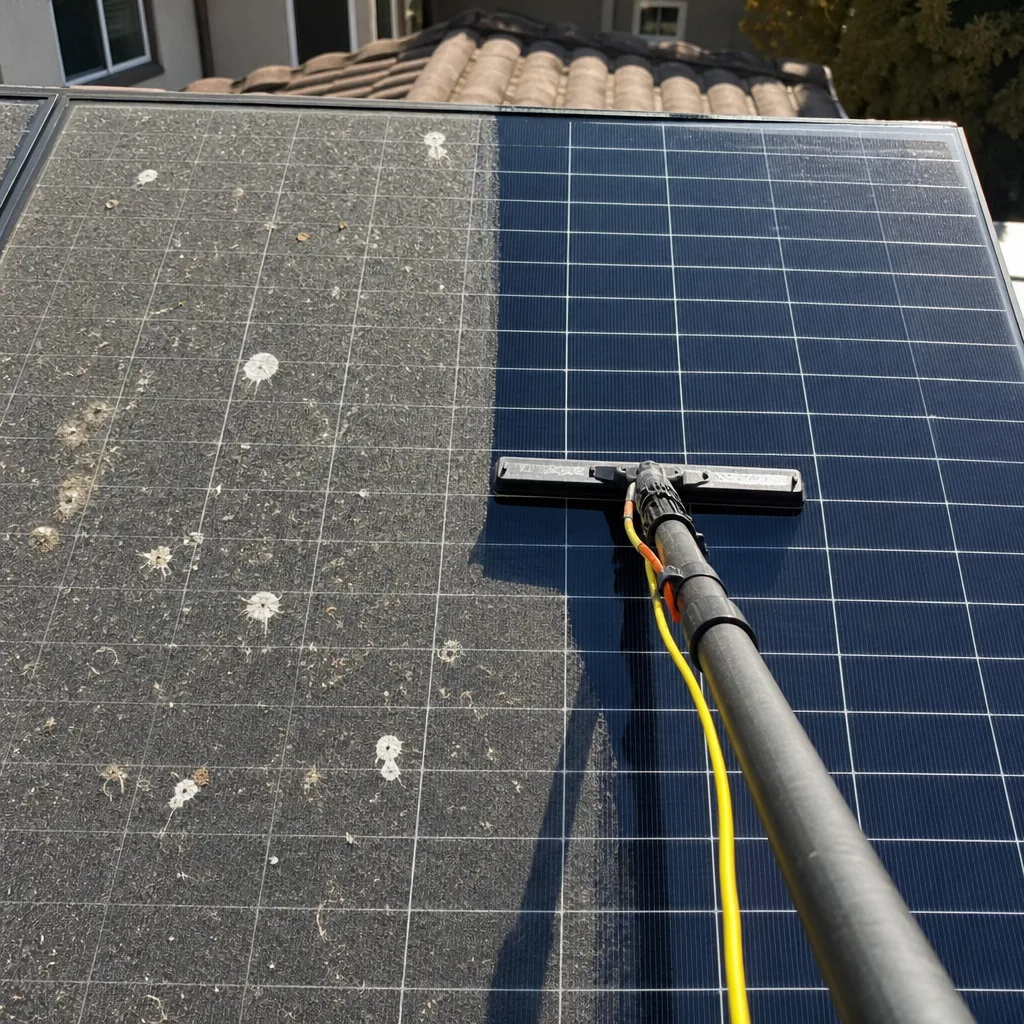
 Before
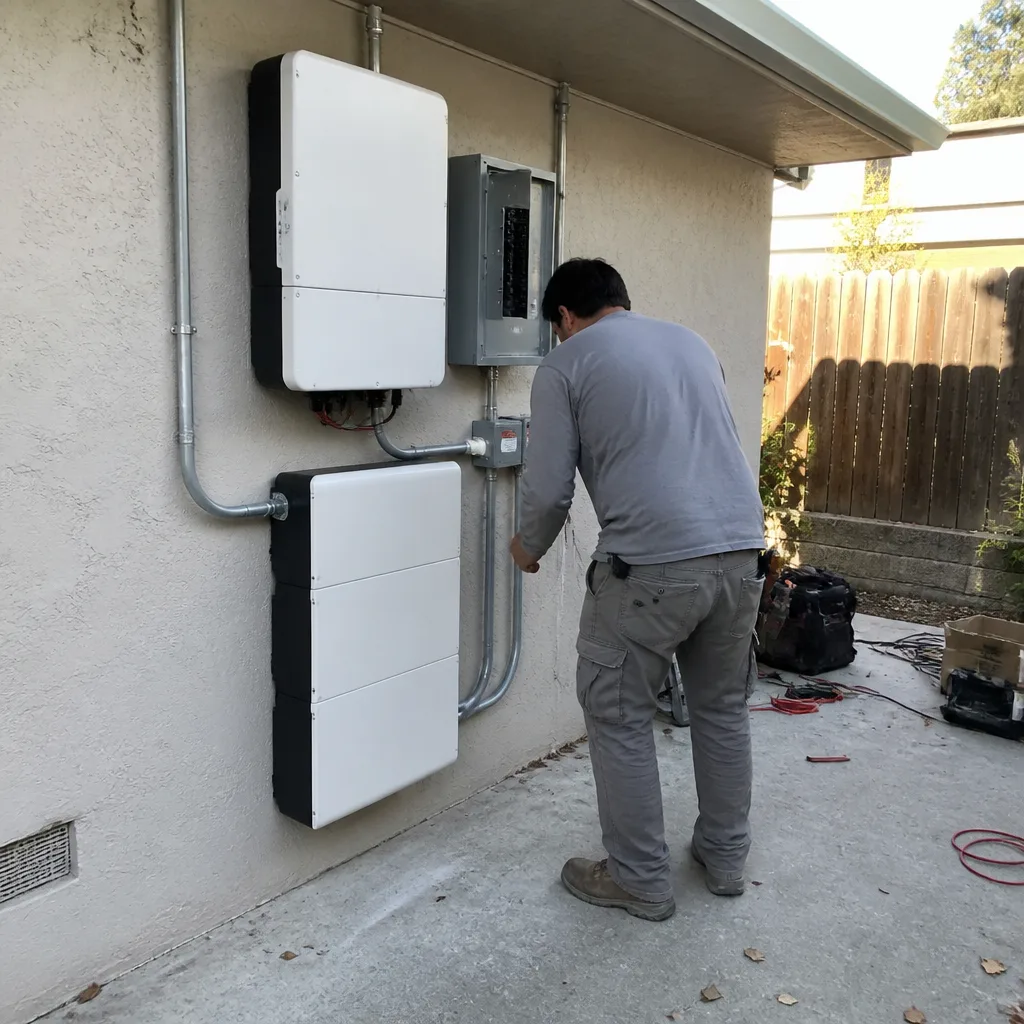 After
After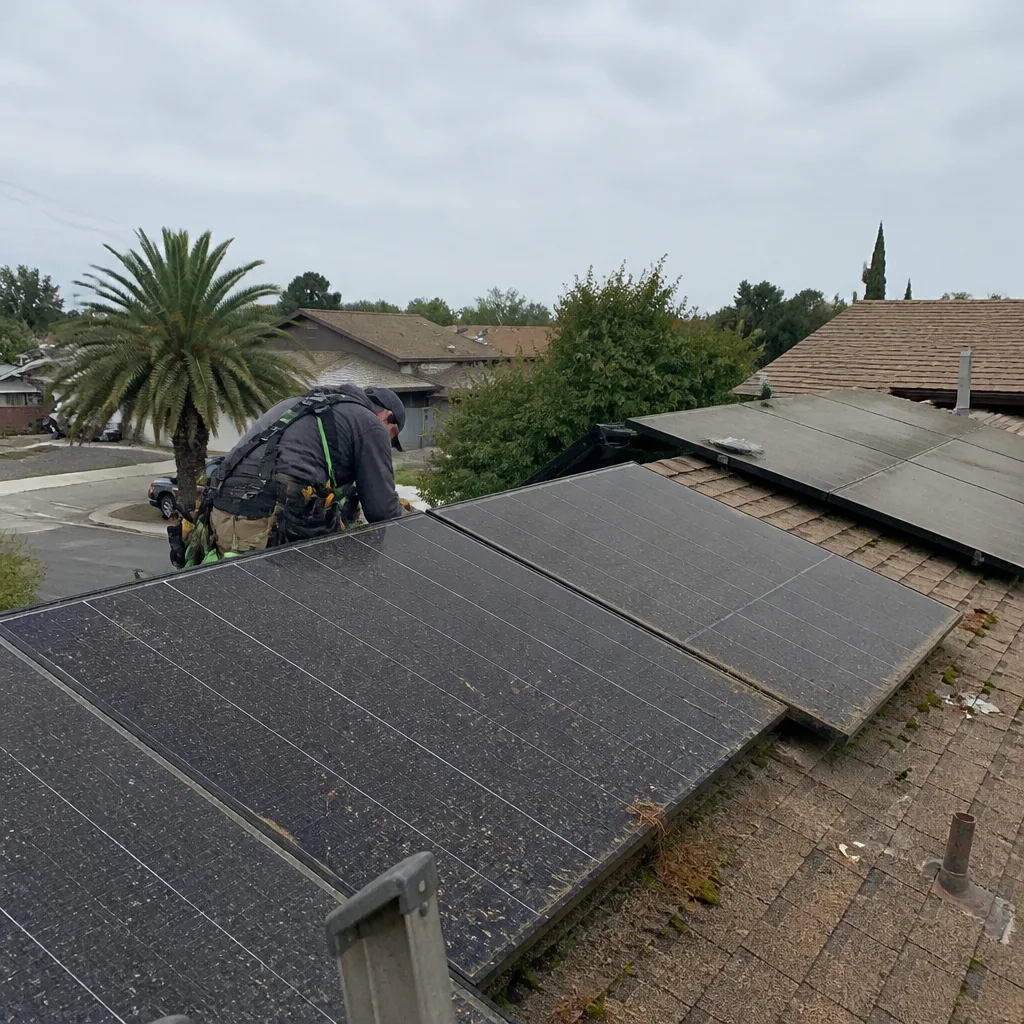 Before
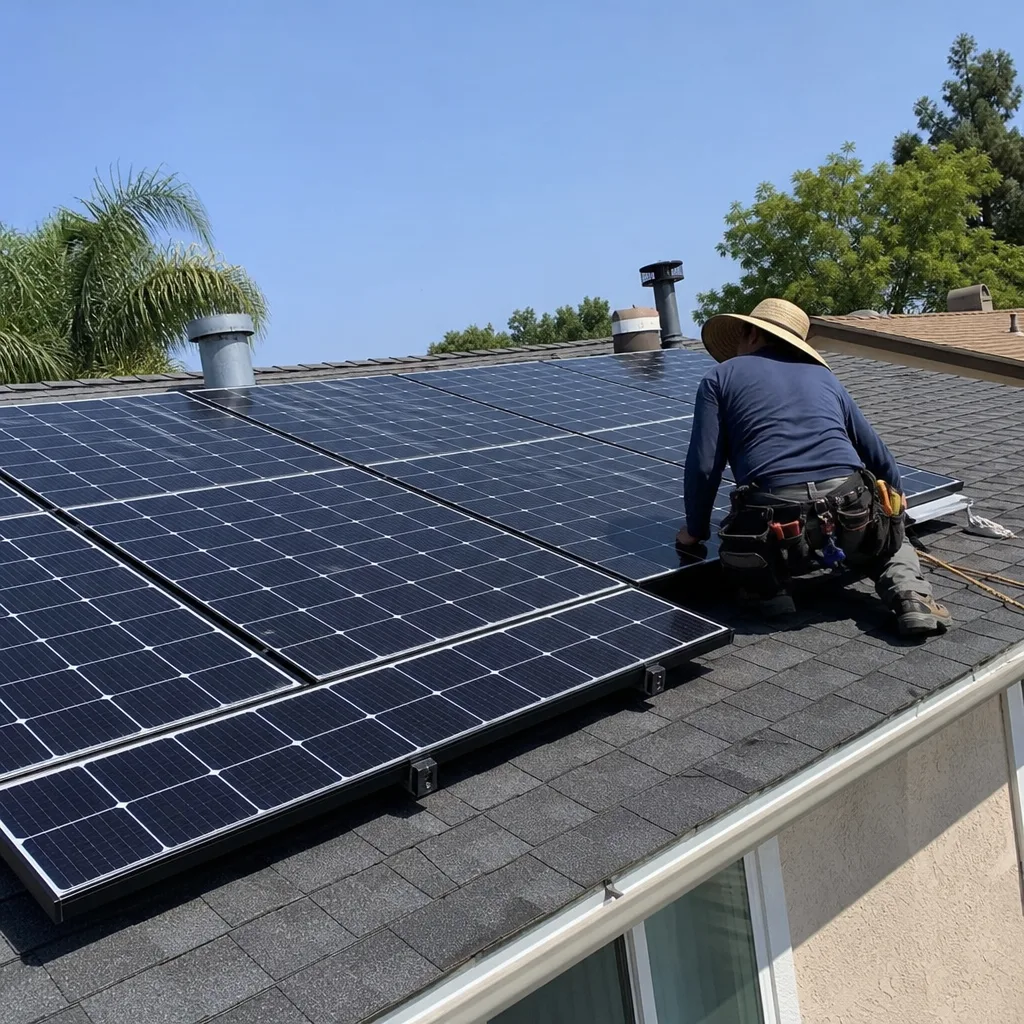 After
After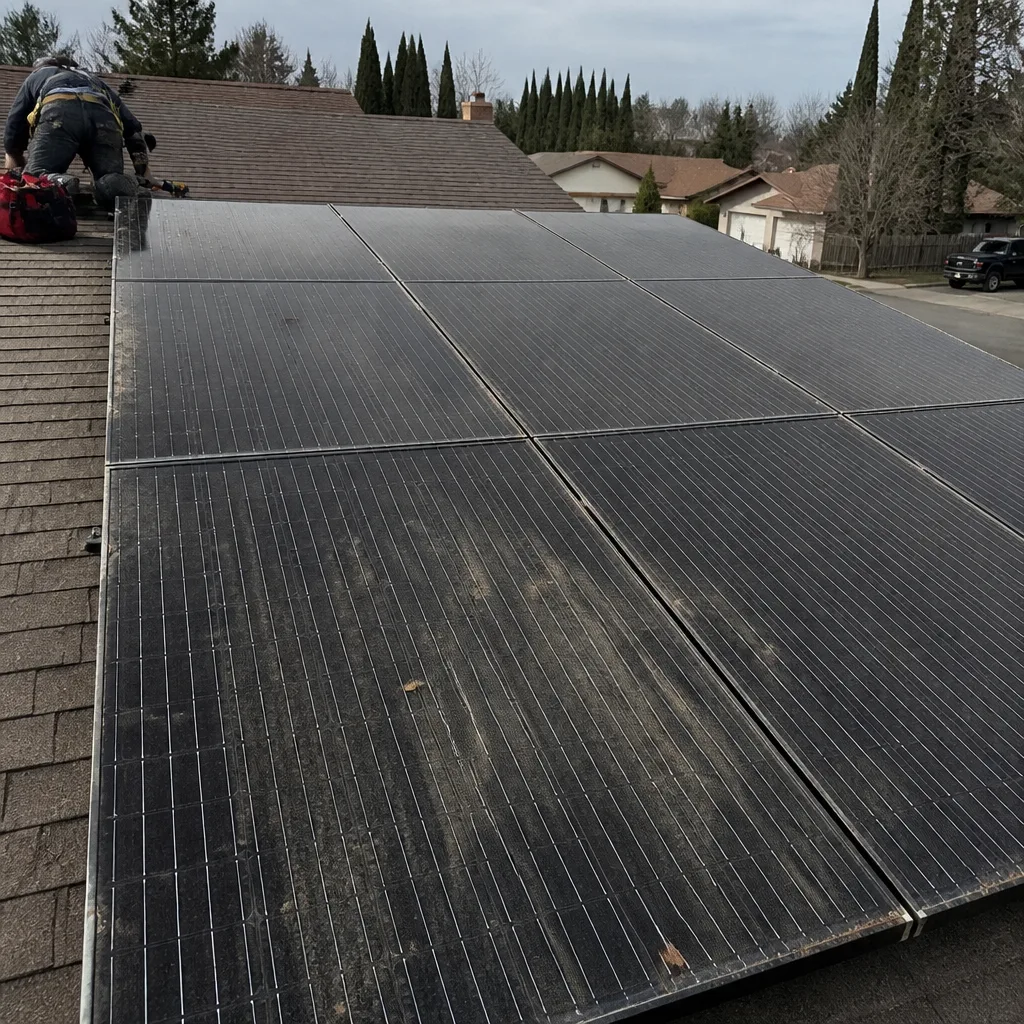 Before
 After
AfterFast, Reliable Solar Panel Maintenance & Monitoring Across Sunnyslope
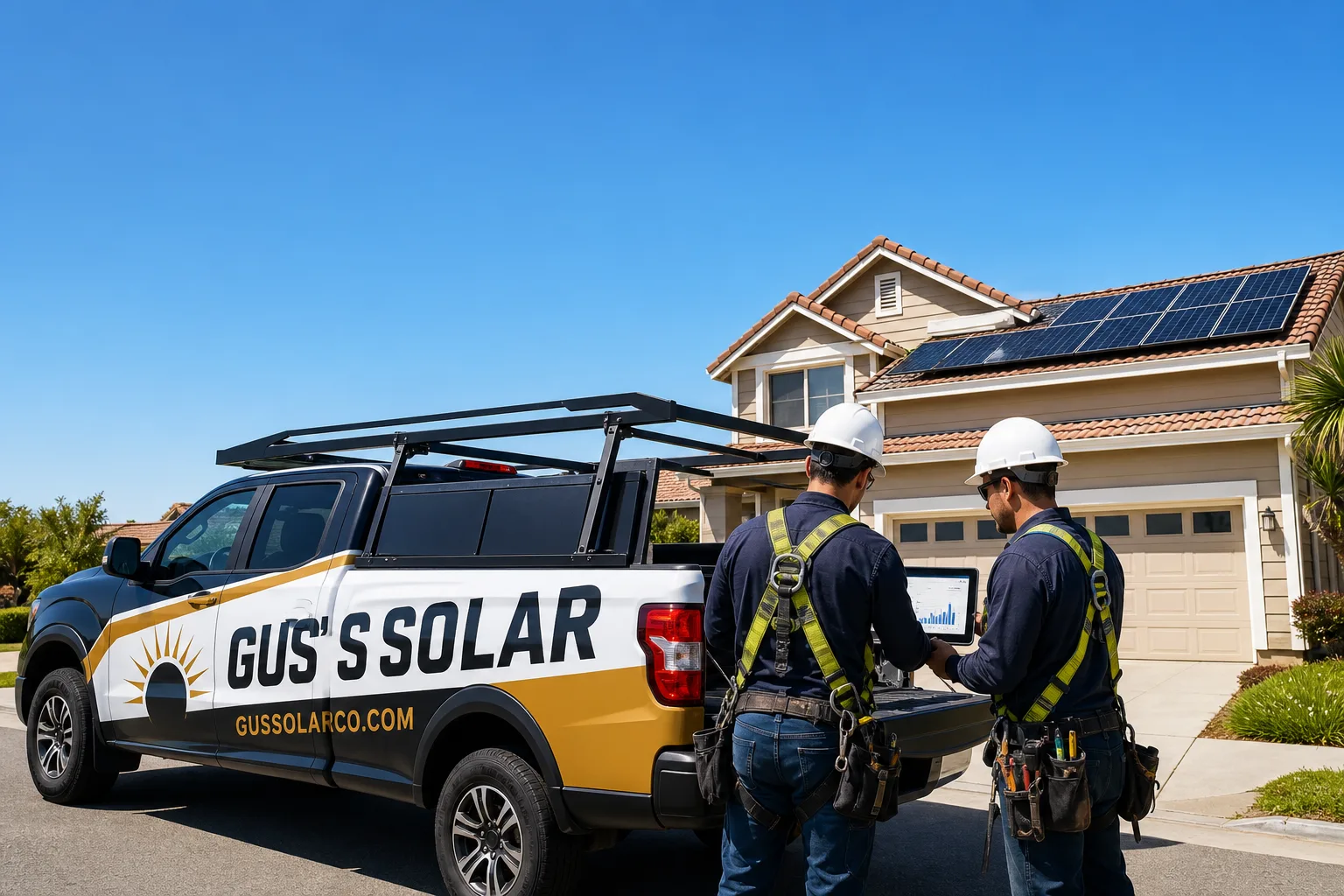
Our Solar Panel Installation in Sunnyslope team knows maintenance isn’t a luxury add-on. It’s the difference between a system that pays your SCE bill and one that quietly underproduces while you keep writing checks to the utility. Gus’s Solar monitors, diagnoses, and fixes rooftop arrays throughout Sunnyslope’s 92509 corridor, and we send our own background-checked, uniformed crew, never a sub. Call (877) 550-6892 any time. A live person answers. That’s the whole point of Gus putting his name on the truck.
Why Gus’s Solar Is Sunnyslope’s Preferred Solar Panel Maintenance & Monitoring Company
We’ve spent over a decade working rooftops in the Inland Empire heat corridor, and Sunnyslope’s conditions demand a different kind of solar care than what coastal installers are used to seeing. When a SolarEdge inverter’s fans clog with fine dust off the surrounding acreage, it throttles output. When an Enphase system’s heat-soaked connections trigger false rapid shutdown events, someone has to know what they’re looking at. Gus Petrakis has been doing this since 2011, and he still answers his own phone.
Our Solar Panel Maintenance & Monitoring team knows Sunnyslope’s housing stock: the 1960s ranch homes along the Jurupa corridor, the manufactured homes on permanent foundations, the original 60 to 100 amp panels that heat-soak in July. We don’t just clean glass and call it a day. We check the whole system and tell you honestly if something is costing you money.
Every visit to Sunnyslope is backed by the 90-Day Done Right Promise. If something isn’t right, Gus comes back and makes it right. In writing. That’s not a slogan, it’s how we operate in Sunnyslope.
Our Solar Panel Maintenance & Monitoring Services in Sunnyslope
Annual System Inspection
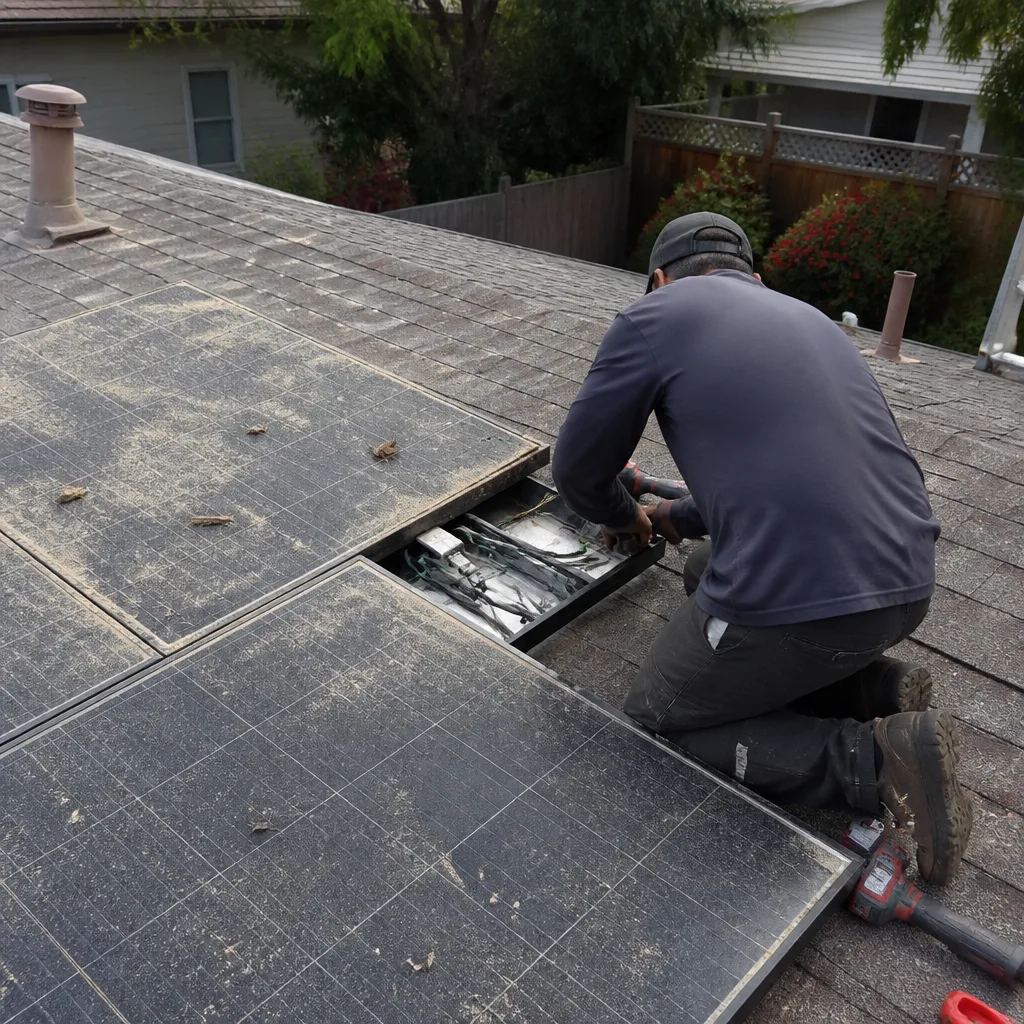
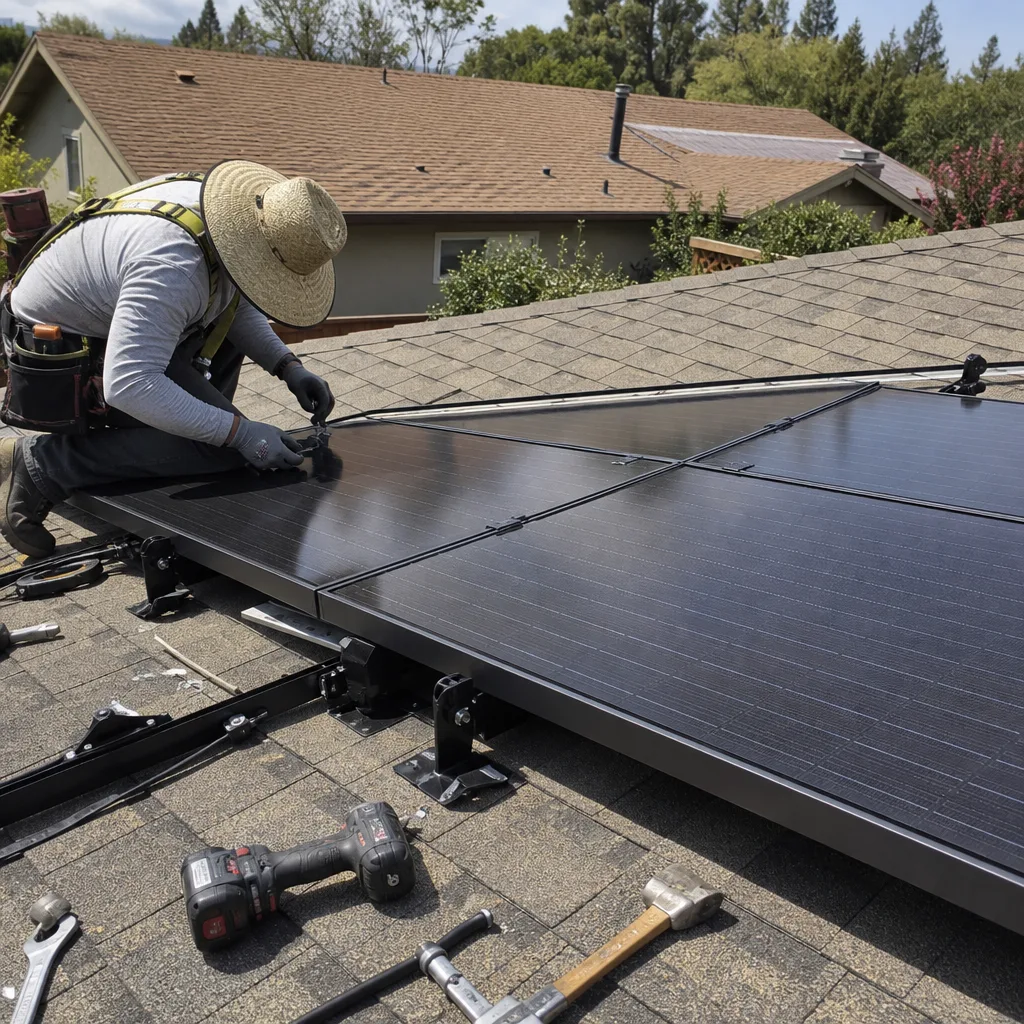
Rooftop temperatures in Sunnyslope regularly push panels well past their Standard Test Condition rating. An annual inspection in July means checking every MC4 connector for heat stress, verifying racking bolts haven’t loosened through thermal cycling, and measuring actual output against the system’s year-25 projection, not the day-one brochure number. If a panel’s degraded faster than it should have, we document it for warranty support.
Production Monitoring Setup
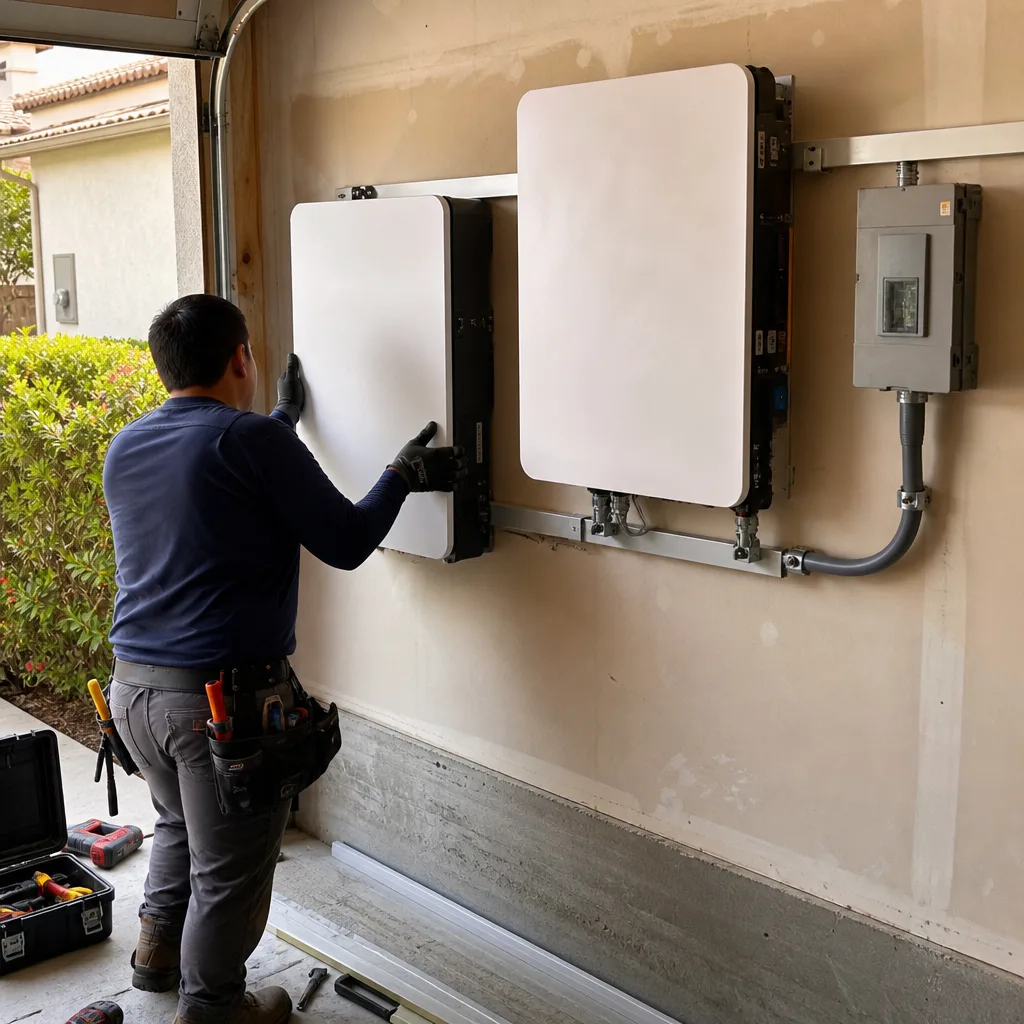
The single most common failure we see in Sunnyslope isn’t a dead panel. It’s a system that was never configured to send real production alerts. The homeowner thinks their monitoring app works, but the inverter’s alert thresholds were left at factory defaults, so a 20% production drop never triggers a call. We configure monitoring to flag underperformance deeper than 10%, and we show you exactly what to watch in the app. If the system throws a code at midnight, you’ll know by morning.
Underperformance Diagnostics
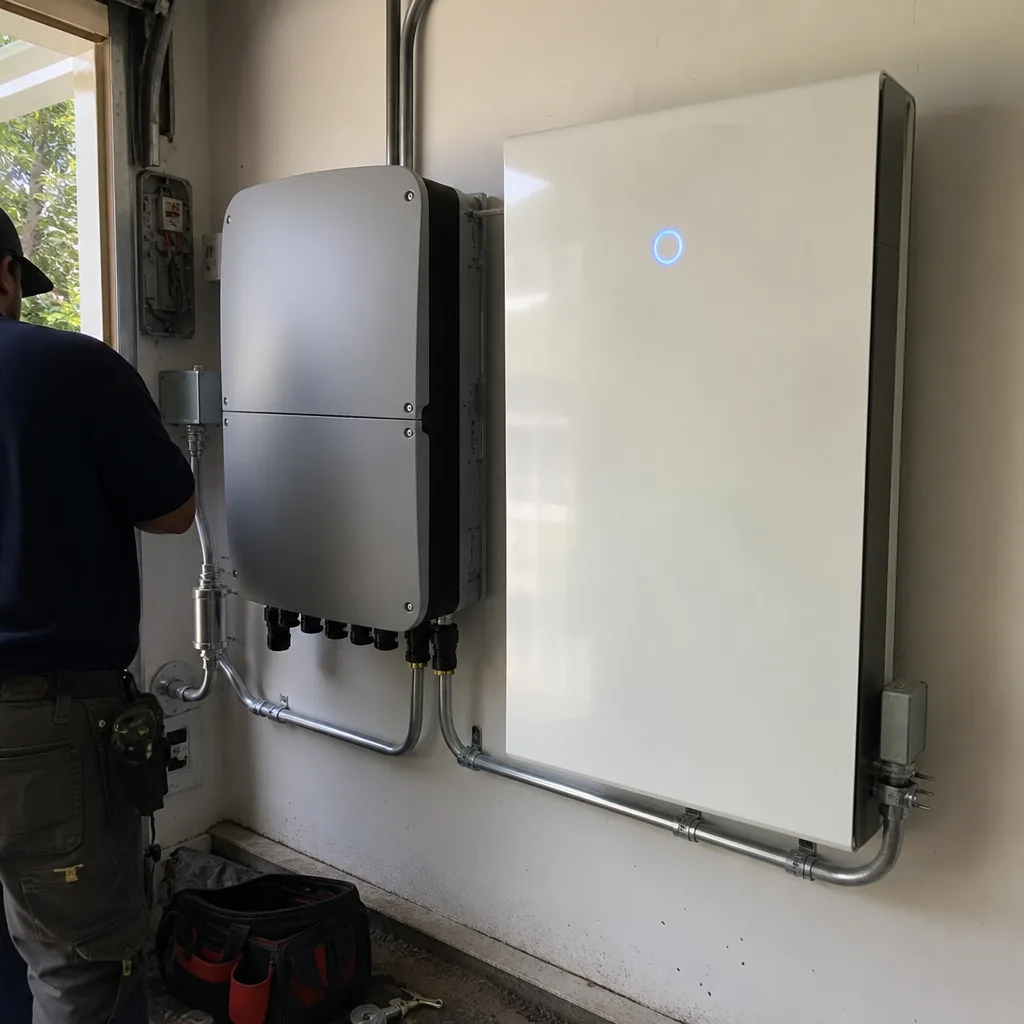
Sunnyslope’s heat doesn’t just reduce output in the moment. It accelerates degradation in ways that show up as a slow, steady decline month after month. We diagnose underperforming arrays by pulling actual production data, checking each string and optimizer, and finding the exact component that’s dragging the system down. Then we fix it, same trip whenever possible, so you’re not waiting weeks for a follow-up visit.
Firmware & App Configuration
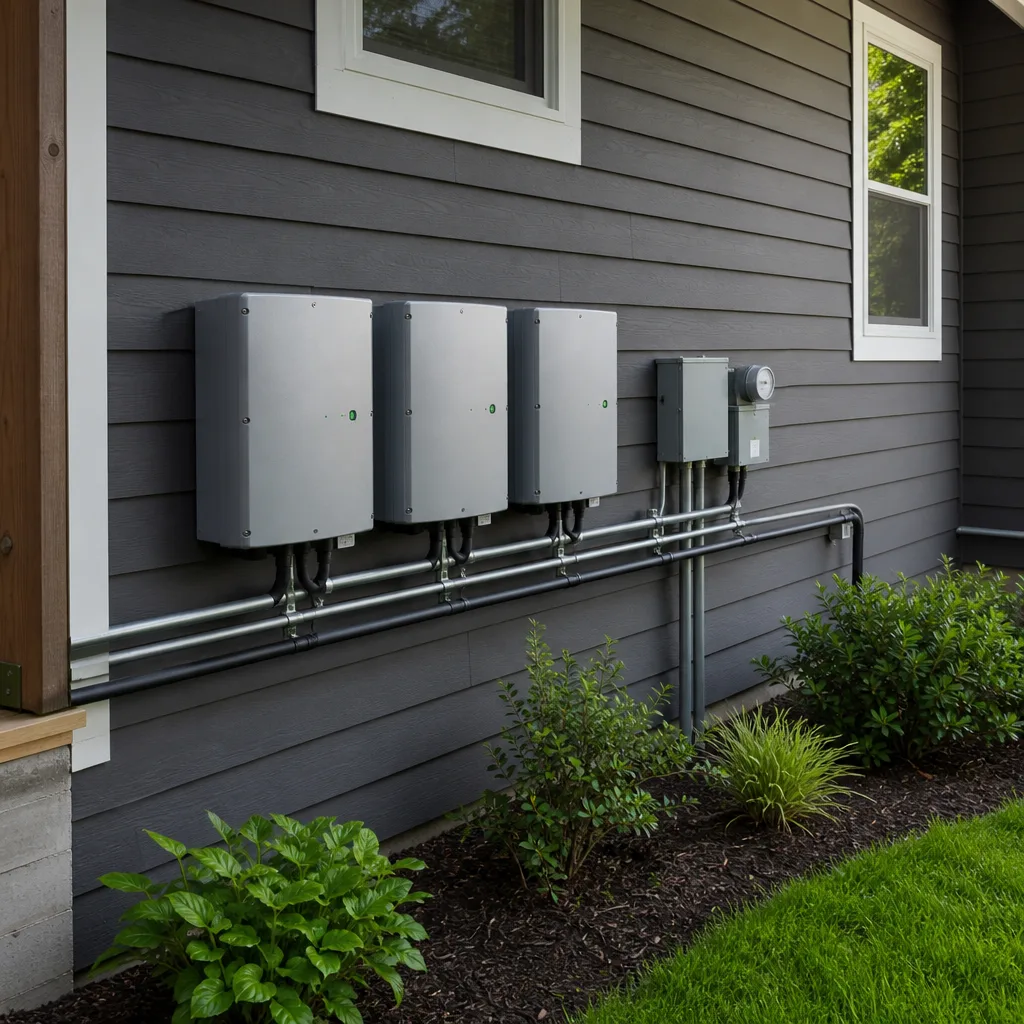
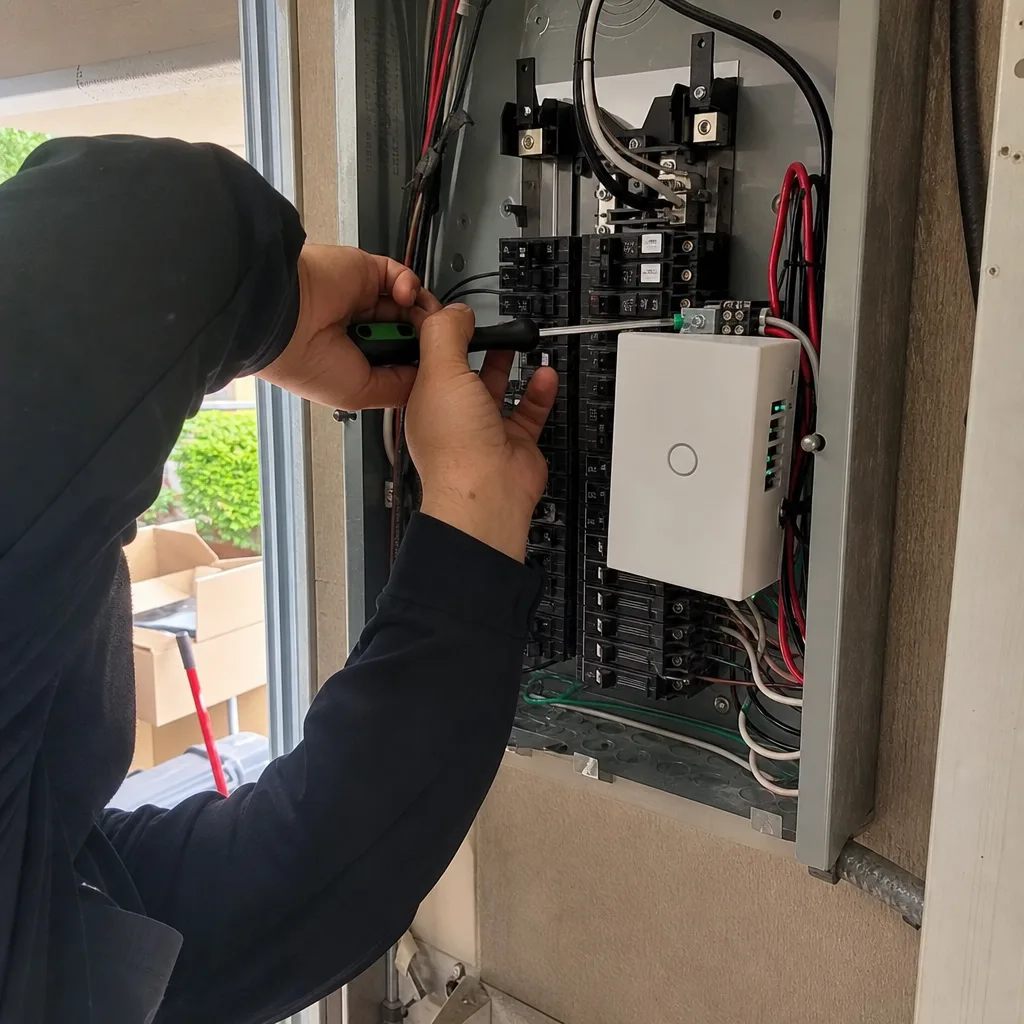
Inverter firmware goes out of date quietly. Older SolarEdge and Enphase systems in Sunnyslope sometimes run firmware that doesn’t handle rapid shutdown events correctly, especially when those original 60 to 100 amp panels heat up in August. We re-flash firmware, update the monitoring portal, and make sure the app on your phone matches what’s actually happening on the roof.
What happens when you call
- 1
A real person answersNo phone trees - you reach a local pro.
- 2
You get an upfront price rangeHonest numbers before anyone is dispatched.
- 3
A background-checked tech heads outLicensed & insured, dispatched right away.
- 4
You approve before work beginsNothing starts until you say go.
Trusted Brands We Service in Sunnyslope
We maintain and monitor systems built on Qcells, REC, and SunPower panels, along with Enphase microinverters and SolarEdge string inverters. Because we work on these brands every week across Sunnyslope’s 92509 corridor, we keep common replacement parts and diagnostic gear on the truck. That means one trip instead of three. If your system uses something else, call anyway. If it converts sunlight to electrons, we’ve probably worked on it.
Common Solar Panel Maintenance & Monitoring Problems We See in Sunnyslope Homes
These are the issues that keep coming up on Sunnyslope rooftops and inside Sunnyslope garages:
- Inverter thermal throttling from clogged fans. Fine dust from surrounding agricultural acreage works its way into inverter housings. The fan clogs, the inverter runs hot, and production silently drops 15 to 20 percent during the hottest weeks of summer. A simple cleaning and fan check fixes it, but most monitoring portals won’t flag the problem because the system’s still technically producing.
- Silent underproduction on older string inverters. Homeowners skip annual maintenance on systems with physical red fault lights tucked away on a garage wall. The inverter was never configured to send true production alerts, so the first sign of trouble is a shocking SCE true-up bill. By then, a year’s worth of lost production is gone.
- Manufactured home arrays tripping arc-fault interruptions. The 1960s-era electrical connections on older manufactured homes in 92509 heat-soak under Sunnyslope’s trapped radiant heat. That causes nuisance arc-fault trips and false rapid shutdown events that make the system go dark for hours at a time. Maintenance that checks and tightens those connections stops the false trips without disabling a single safety feature.
- Heat-driven production loss nobody explained upfront. Panels in Sunnyslope routinely run 15 to 25 percent below their Standard Test Condition output because roof-deck temperatures exceed 105°F. A homeowner who doesn’t know this thinks their system is broken. A quick review of actual production data against the system’s temperature-adjusted expectations gives you a straight answer.
Pricing for Solar Panel Maintenance & Monitoring in Sunnyslope, CA
A standard annual inspection and cleaning in Sunnyslope runs $165 to $280 depending on system size and roof access. Production monitoring setup and app configuration typically costs $120 to $220 if you don’t need new hardware. Underperformance diagnostics run $180 to $350 when it requires pulling production data, testing strings, and isolating the failing component. Firmware re-flashing and monitoring portal fixes are usually $95 to $175. If we need to replace a failed optimizer or DC component, parts run separately and we quote the exact price before any work starts. Every estimate comes with the same math built off your actual production data and SCE bill, not a brochure figure.
Bring us your SCE bill from the last year. Gus will show you the math. And then take two weeks to think about it. The price will be the same.
We Also Serve Cities Near Sunnyslope
Gus’s Solar covers Sunnyslope and the surrounding Jurupa Valley corridor. Our crews also serve Solar Panel Maintenance & Monitoring in Sunnyslope neighbors in Glen Avon, Pedley, Rubidoux, and Riverside. Response times to these areas are typically within one business day, and same-day emergency service is available when the system’s down entirely and the house is running on utility power.
Serving Sunnyslope, CA - Our Local Coverage Area
We’re based in the Sunnyslope area and know this community well. Use the map below to see our service coverage - if you’re nearby, we can almost certainly help.
FAQs - Solar Panel Maintenance & Monitoring in Sunnyslope
No, maintenance can’t override the physics of heat. What it can do is make sure heat isn’t compounding with another fixable problem. Sunnyslope’s roof-deck temperatures regularly exceed 105°F, which pushes panel output 15 to 25 percent below the Standard Test Condition rating installers use in their proposals. That loss is real and expected in this climate. What’s not expected is when a clogged inverter fan, a failed DC optimizer, or a loose connection adds another 10 to 15 percent on top of the heat loss. That’s what maintenance finds and fixes. Call (877) 550-6892 and we’ll pull your actual production data and show you where your system stands against its temperature-adjusted baseline.
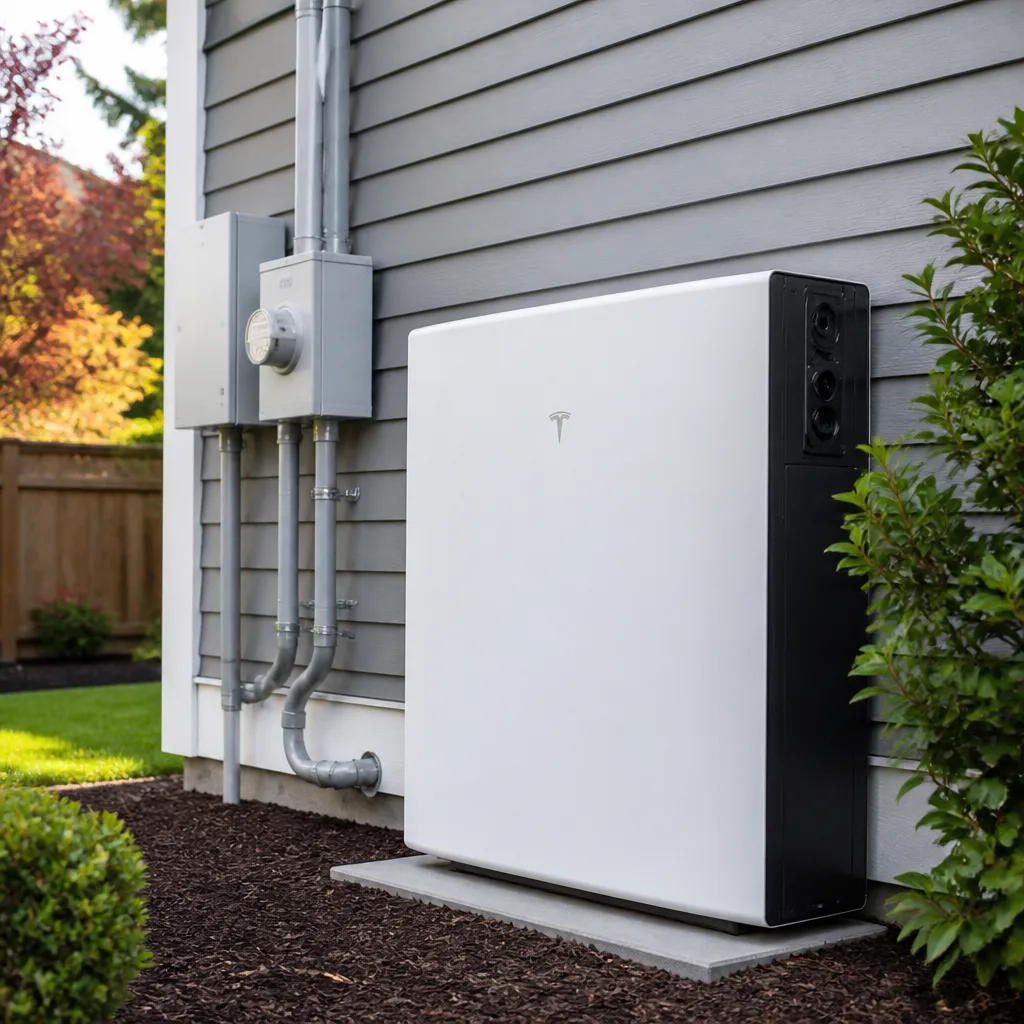
Time-of-use disconnect is the most common cause. Your panels produce strongest from 10 AM to 3 PM, but your SCE bill charges the highest rates from 4 to 9 PM, when production is dropping and the whole house AC is running hard. The monitoring app is telling the truth: the system produces fine. But production without storage during SCE’s peak window means you’re exporting cheap mid-day credits and then buying back expensive evening power. In Sunnyslope’s 105°F summers, that mismatch gets brutal. The fix isn’t maintenance on the panels. It’s adding Solar Battery Storage & Backup - Sunnyslope so your own production covers the peak window. Call (877) 550-6892 and bring us a bill. We’ll show you the actual dollar difference a battery makes in this exact ZIP code.
Maintenance can’t cause arc-fault issues, but it can reveal them. The older electrical connections on manufactured homes in Sunnyslope heat-soak under the valley’s trapped radiant heat, and that thermal expansion creates resistance that can trigger false arc-fault interruptions and rapid shutdown events. A thorough maintenance visit includes checking those connections, tightening what needs tightening, and documenting the panel’s condition. If your 100-amp panel needs an upgrade before the array can safely interconnect with new equipment, we quote that upfront, in writing, before any work happens. No sticker shock at permit time.
Microinverter systems should be checked quarterly via the monitoring portal, with a full-site inspection once a year. The data to watch: per-panel production compared against the array’s average, any panel consistently producing 5 percent or more below its neighbors, and the system’s total daily output compared against the same month last year. In Sunnyslope, also watch inverter temperatures on the hottest days. Enphase microinverters throttle above 149°F, and roof-deck temperatures here push right up against that line in late afternoon. If you see repeated throttling, panel-level airflow improvements may pay for themselves quickly. Call (877) 550-6892 and we’ll walk you through what to look for in your specific app.
Because Sunnyslope’s combination of extreme roof-deck heat, agricultural dust, and older housing stock creates failure modes that a generic plan never checks for. A standard plan in Riverside might clean panels once a year and dust off the inverter. A Sunnyslope plan needs to include thermal throttling checks on inverter fans, arc-fault connection inspections on 1960s-era electrical panels, temperature-coefficient-adjusted production verification, and SCE 4 to 9 PM time-of-use offset analysis. If the maintenance plan doesn’t account for the heat corridor you live in, it’s just a cleaning service with extra steps. Preventive Maintenance Plans from Gus’s Solar are built around what actually fails in this specific valley, and one call at (877) 550-6892 gets you a plan that fits.
Written by Gus Petrakis, Owner at Gus’s Solar, serving Sunnyslope since 2011.