

Free bill analysis - bring a power bill, get the production math for your actual roof, panel brands like Qcells and REC compared side by side
If the pitch starts at your door and ends with "sign tonight for the special," sleep on it. The sun will still be there tomorrow; so will we.

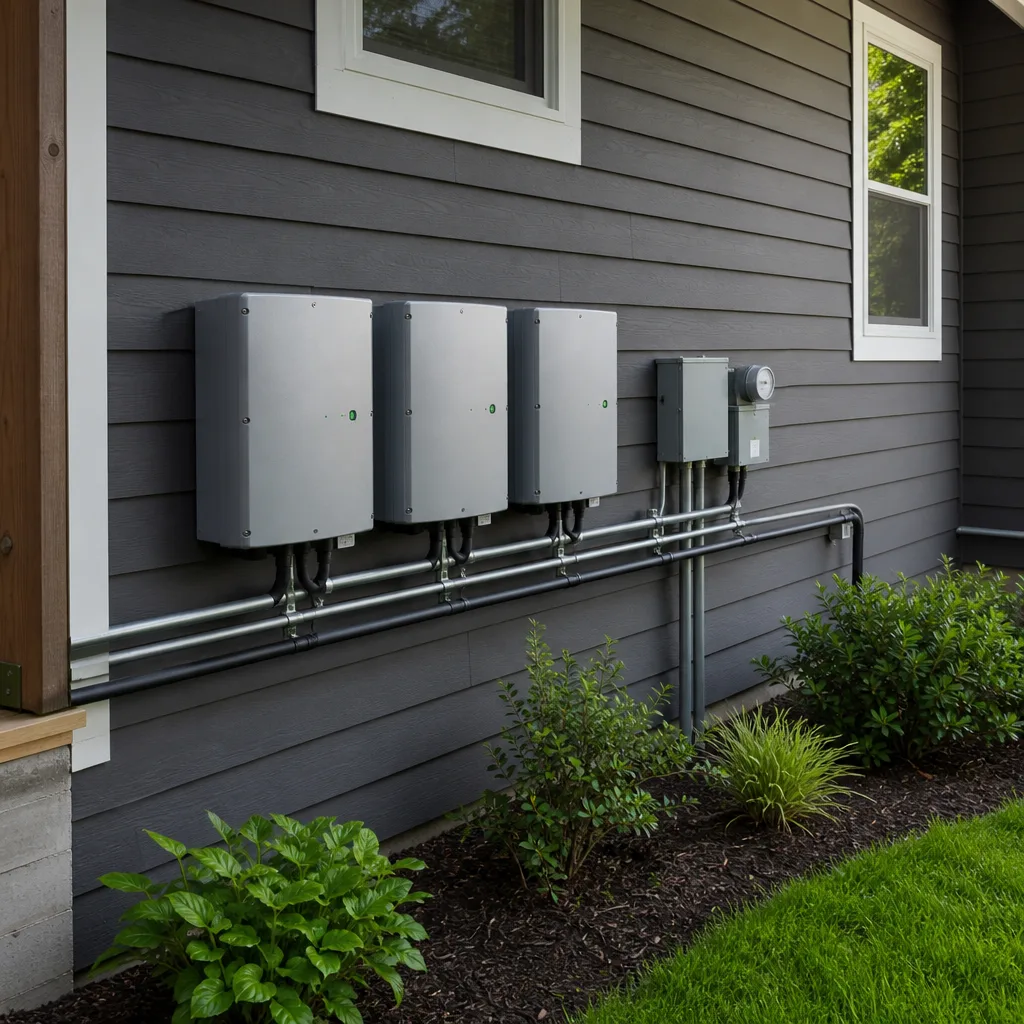
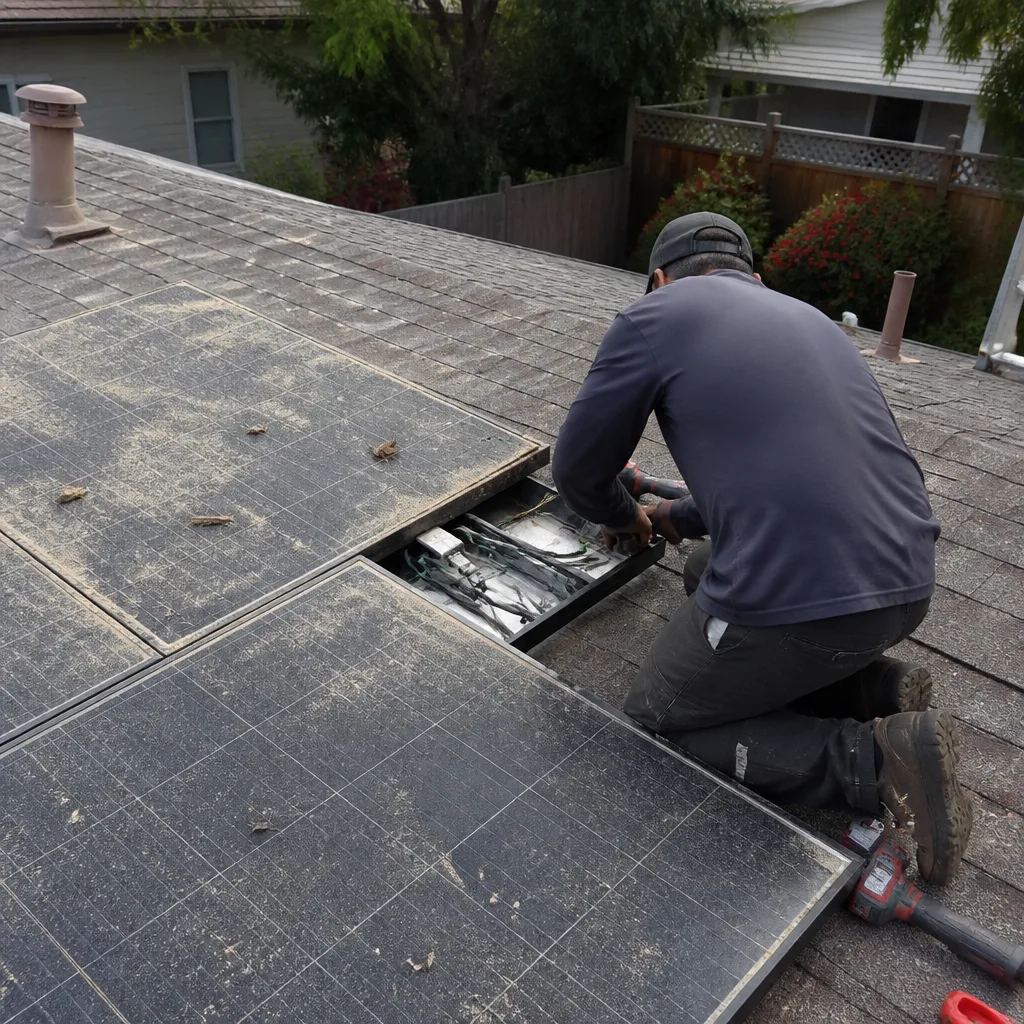 Before
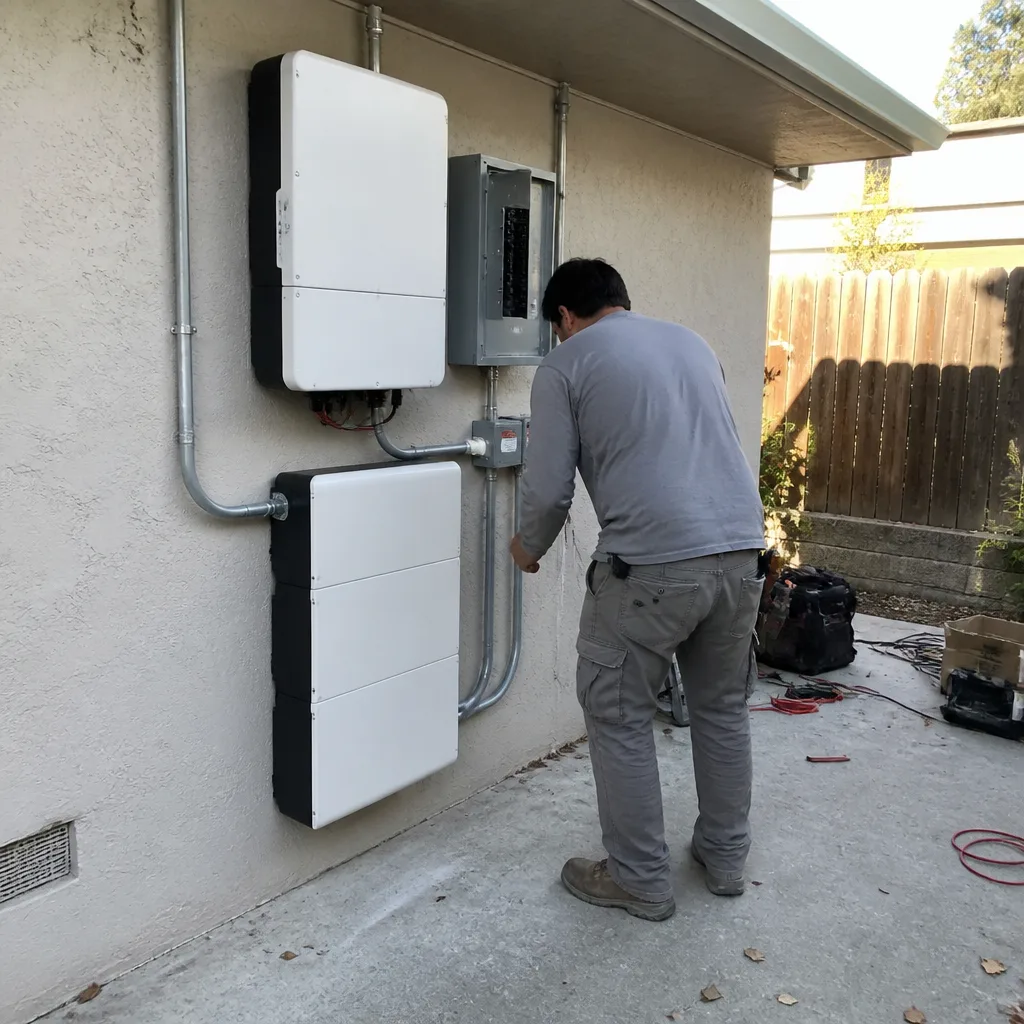 After
After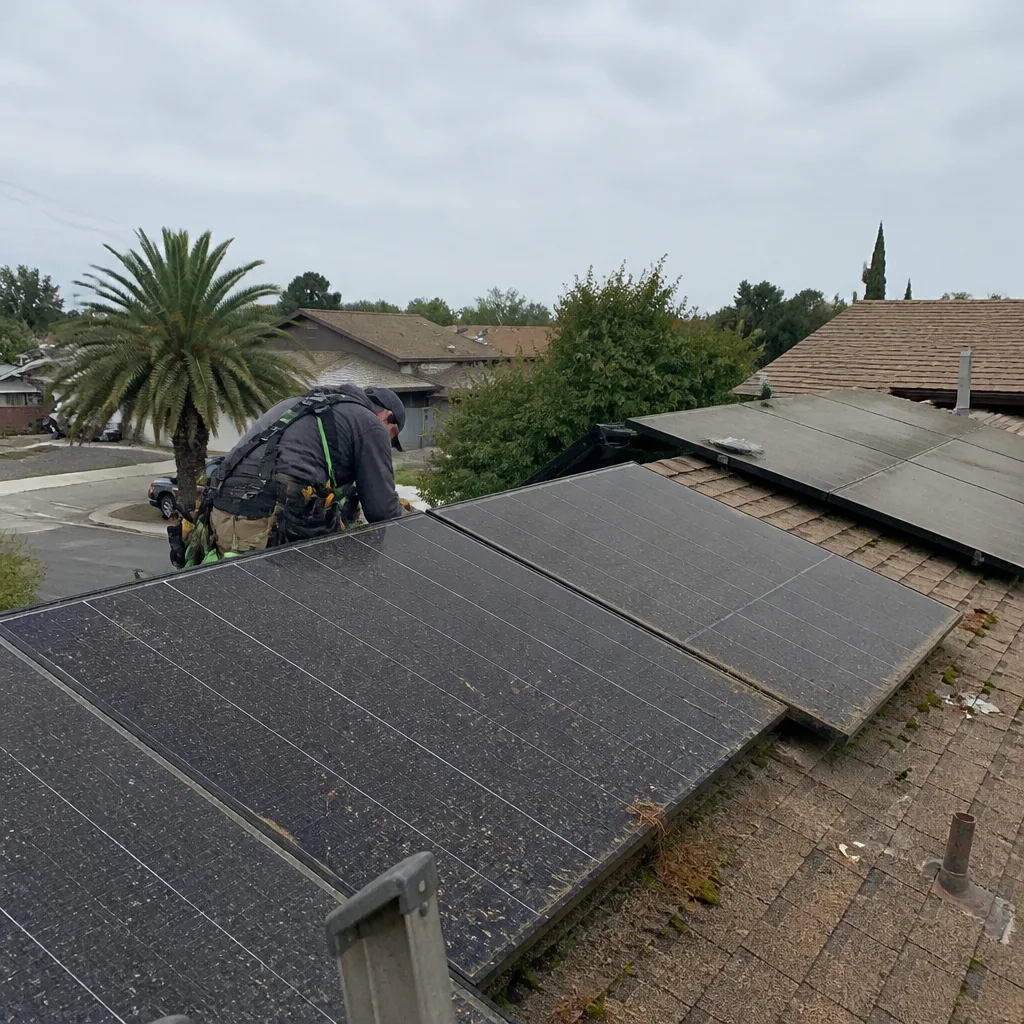 Before
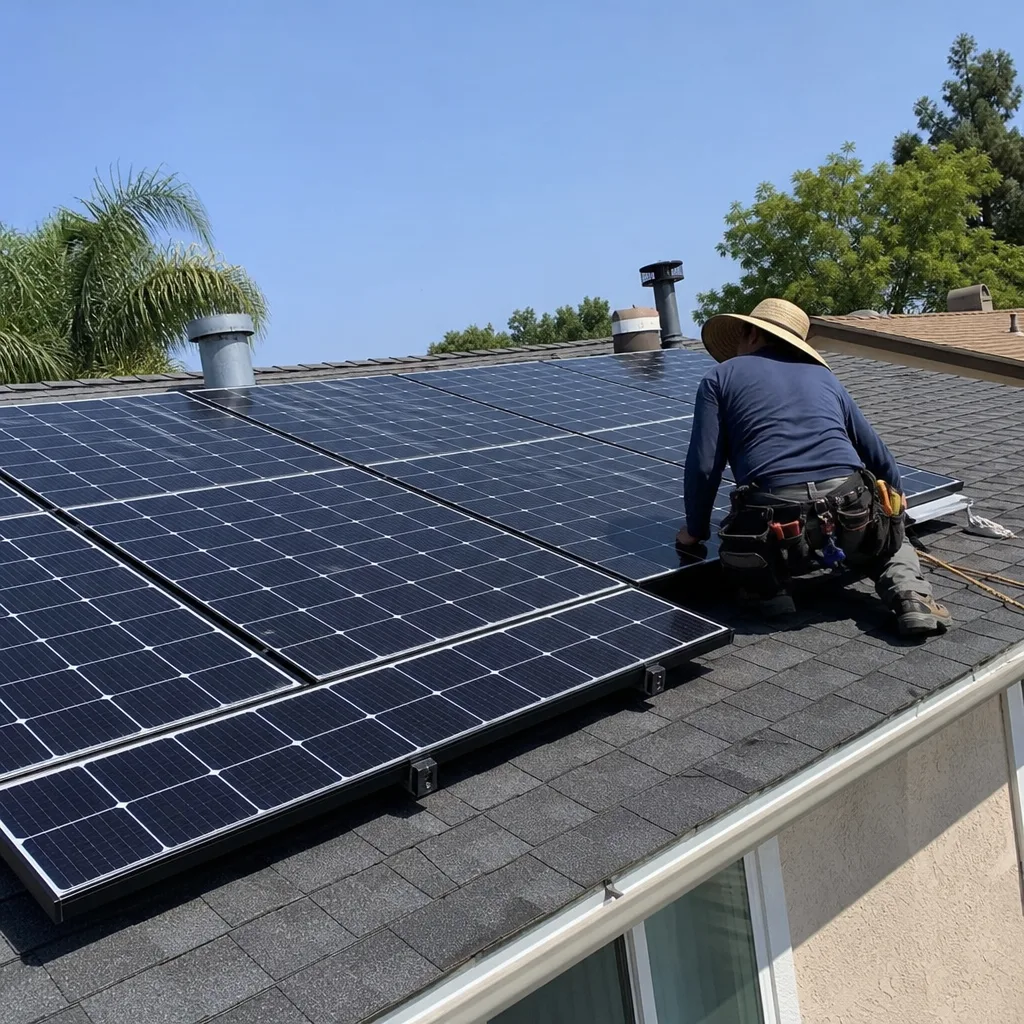 After
After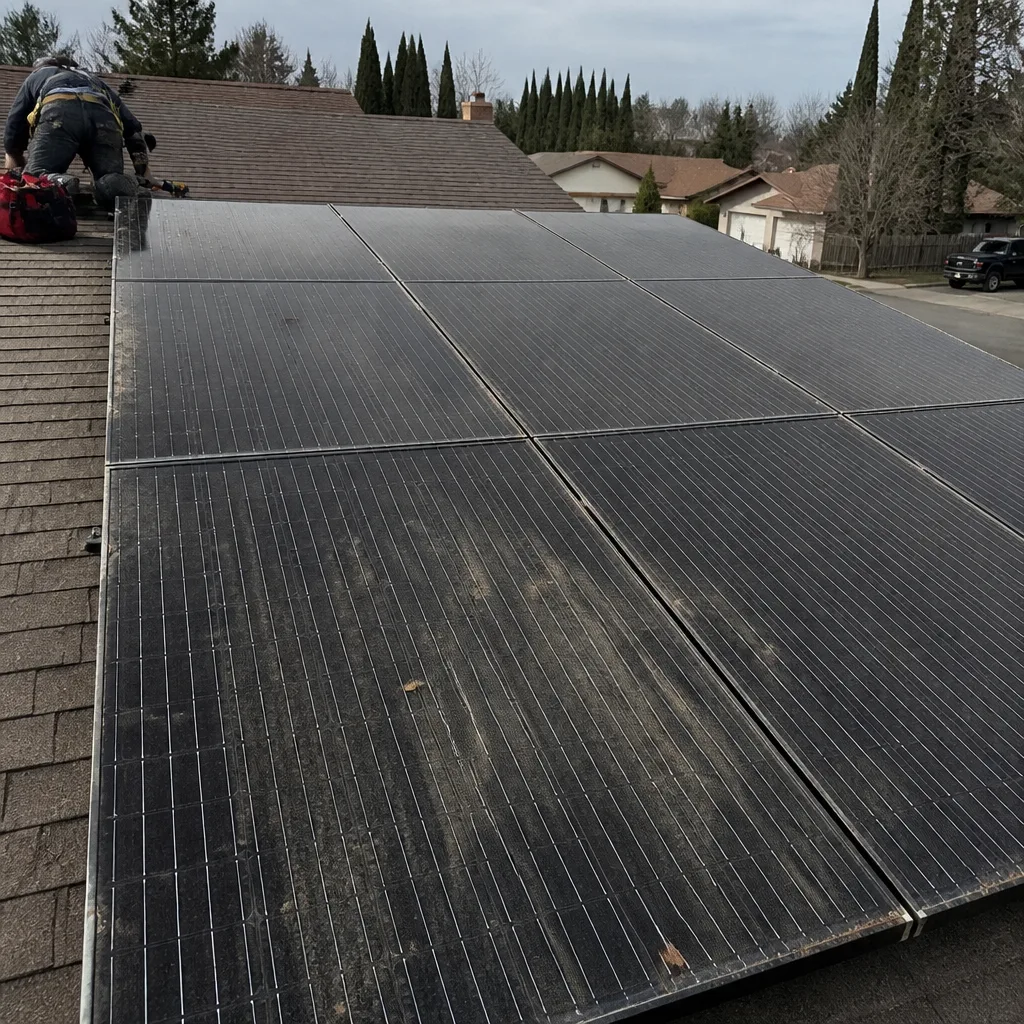 Before
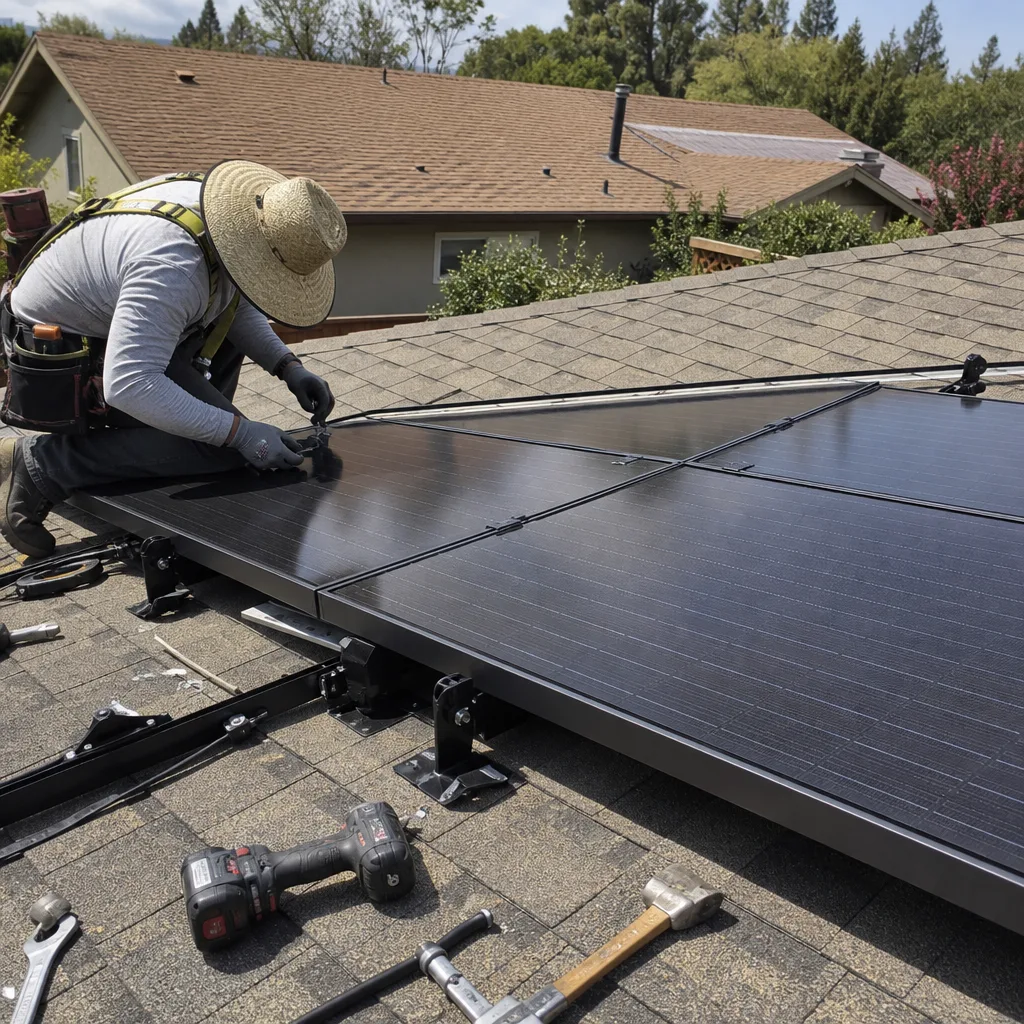 After
AfterFast, Reliable Solar Panel Maintenance & Monitoring Across Strawberry
If you own a cabin in Strawberry, your solar array is probably the one thing on the property you check the least, and the one thing that can quietly cost you an entire season of production. Solar panel maintenance and monitoring in Strawberry, CA typically runs $150 to $450 for an annual inspection and production audit, and we can usually be at your place within a day or two. The real cost isn’t the inspection though. It’s what happens when nobody looks at the system from November to April and a buried panel or locked-up inverter sits silent for six months. Call us at (877) 550-6892 and we’ll come look.
Key Takeaways for Strawberry Cabin Owners
- Multi-foot snow loads shift rails and loosen mounting bolts on aging cabin roofs, often unnoticed all winter because the place is empty.
- Remote production monitoring catches a dead inverter in January, not in April when your true-up statement shows zero credits.
- Annual inspections in Strawberry run roughly $150-$250 for a single-array cabin; full maintenance plans with remote monitoring typically run $300-$450 per year.
- Gus’s Solar answers the phone with a live person 24/7, and we come to Strawberry ourselves. We don’t send a third-party crew.
Why Gus’s Solar Is Strawberry’s Preferred Solar Panel Maintenance & Monitoring Company
Gus Petrakis puts his name on the truck and answers his own phone. That’s not a slogan. When you call our office, a person picks up. When a Strawberry cabin owner needs someone to hike up a snow-cleared driveway in December to check an array, we’re the ones who show up. We’ve been doing this since 2011, and our Solar Panel Maintenance & Monitoring team has worked on enough Sierra systems to know what mountain conditions do to panels, rails, and inverters that were designed for valley weather.
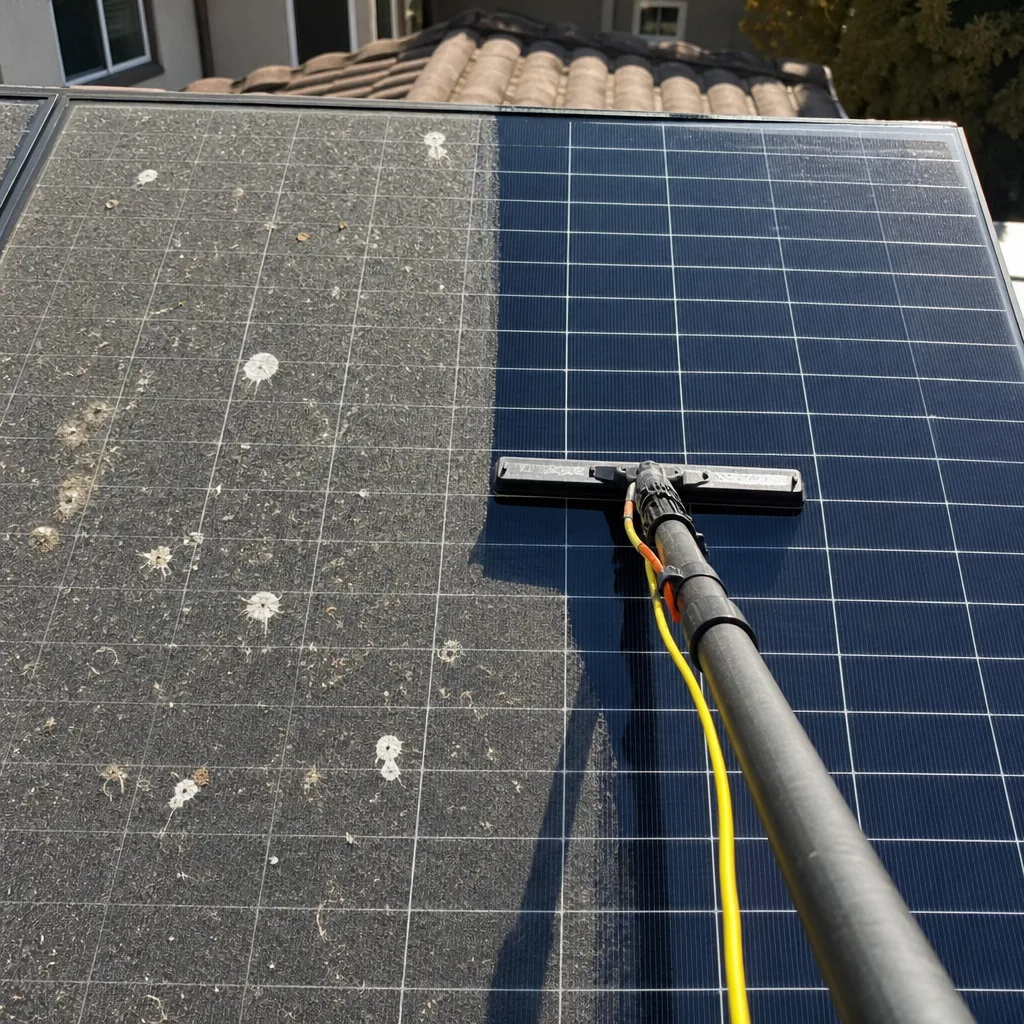
Strawberry sits along the Highway 108 corridor at 4,500 to 5,000 feet, and the snow here isn’t a novelty. It’s several feet deep, it sits for months, and it flexes aging rafters on 1960s and 1970s A-frame cabins that were never built with solar racking in mind. Our crew has repeatedly found mounting bolts worked loose during winter thaw cycles, rails shifted a quarter inch or more, and rapid shutdown devices frozen solid. Valley installers never see this. We do, every year. Our 90-Day Done Right Promise covers every maintenance call: if we missed something, we come back and make it right. In writing. No fine print.
Our Solar Panel Maintenance & Monitoring Services in Strawberry
Here’s what we actually do when a Strawberry homeowner calls. Every one of these services is built around one fact: your cabin is probably empty when the system fails, so the fix has to be caught remotely or found fast the moment someone arrives.
Annual System Inspection
A full inspection in Strawberry means we don’t just glance at the panels. We check every rail attachment point against the specific snow-load stress your roof has been absorbing each winter. We torque bolts, inspect flashing on the steep pitch of a typical Strawberry A-frame, and test each string’s output against what it should be producing at that altitude. A basic single-array inspection here runs $150 to $250. If we find loose hardware, we tighten it on the spot and document it so you can see what we found.
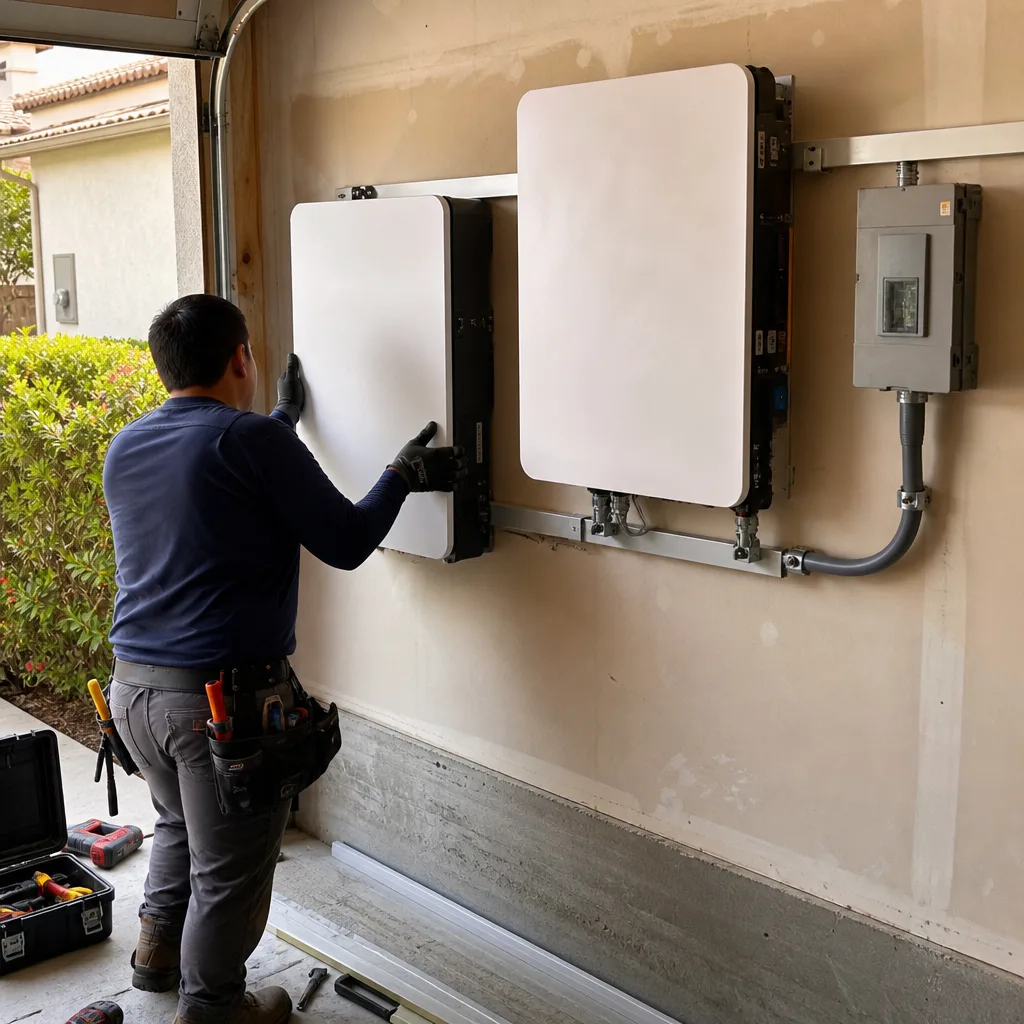
Production Monitoring Setup
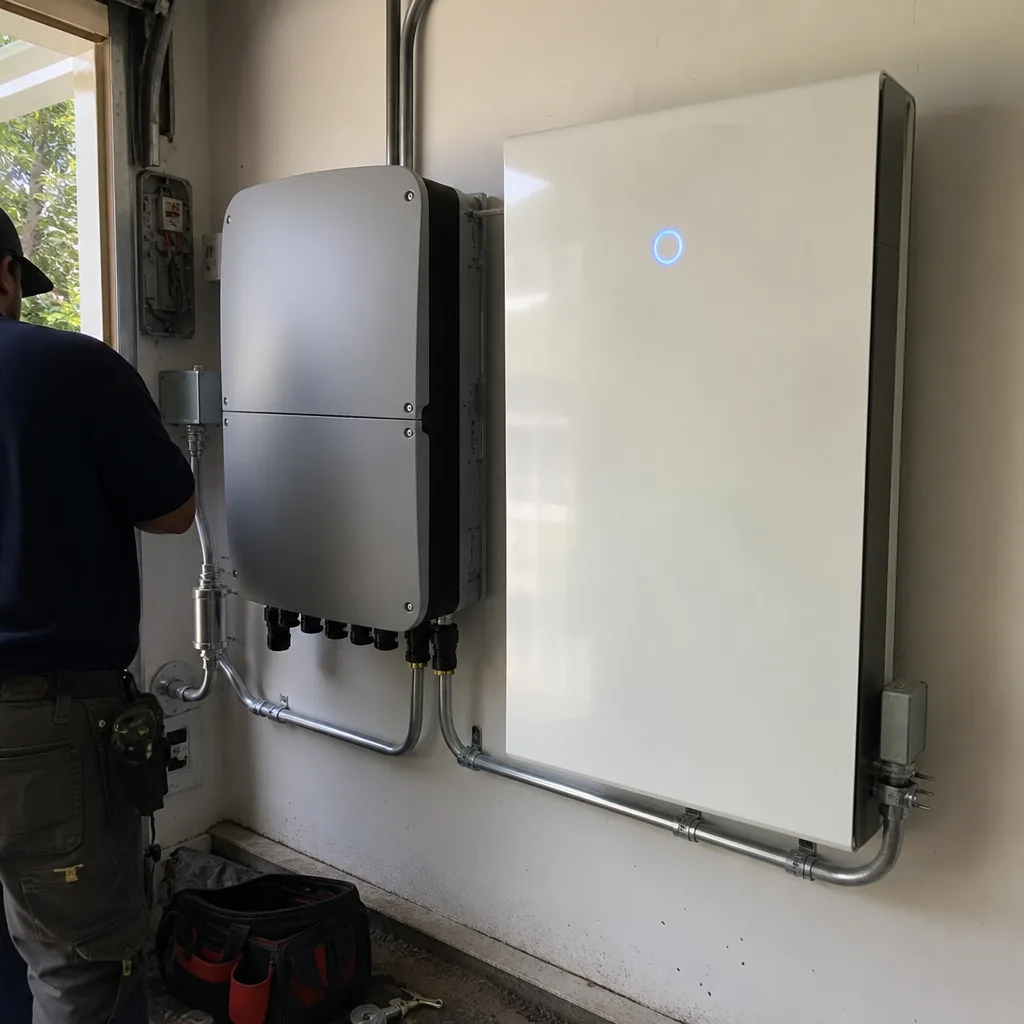
This is the service most Strawberry owners need and don’t know they need. We set up remote monitoring through your inverter’s app or a third-party platform, configured to send you a monthly output report and an immediate alert if production stops. For cabin owners who aren’t on site from November through April, this is the difference between losing three weeks of production and losing an entire snow season. Setup typically runs $200 to $400 depending on the inverter brand and whether we need to add a monitoring gateway. If you already have monitoring but nobody’s looked at it in a year, we review it as part of a maintenance plan.
Underperformance Diagnostics
You get a true-up statement showing higher charges than last year, but the system looks fine from the road. That’s the call we get most from Strawberry. We trace the whole chain: panel output under current sun angles, string wiring, inverter error logs, and production history. On mountain systems, the culprit is often a string inverter that locked up after repeated PG&E outages flicked the power. Or a rapid shutdown device that tripped during a hard freeze and never reset. Diagnostics run $175 to $350 depending on complexity, and we give you a written report before we recommend any repair.
Firmware & App Configuration
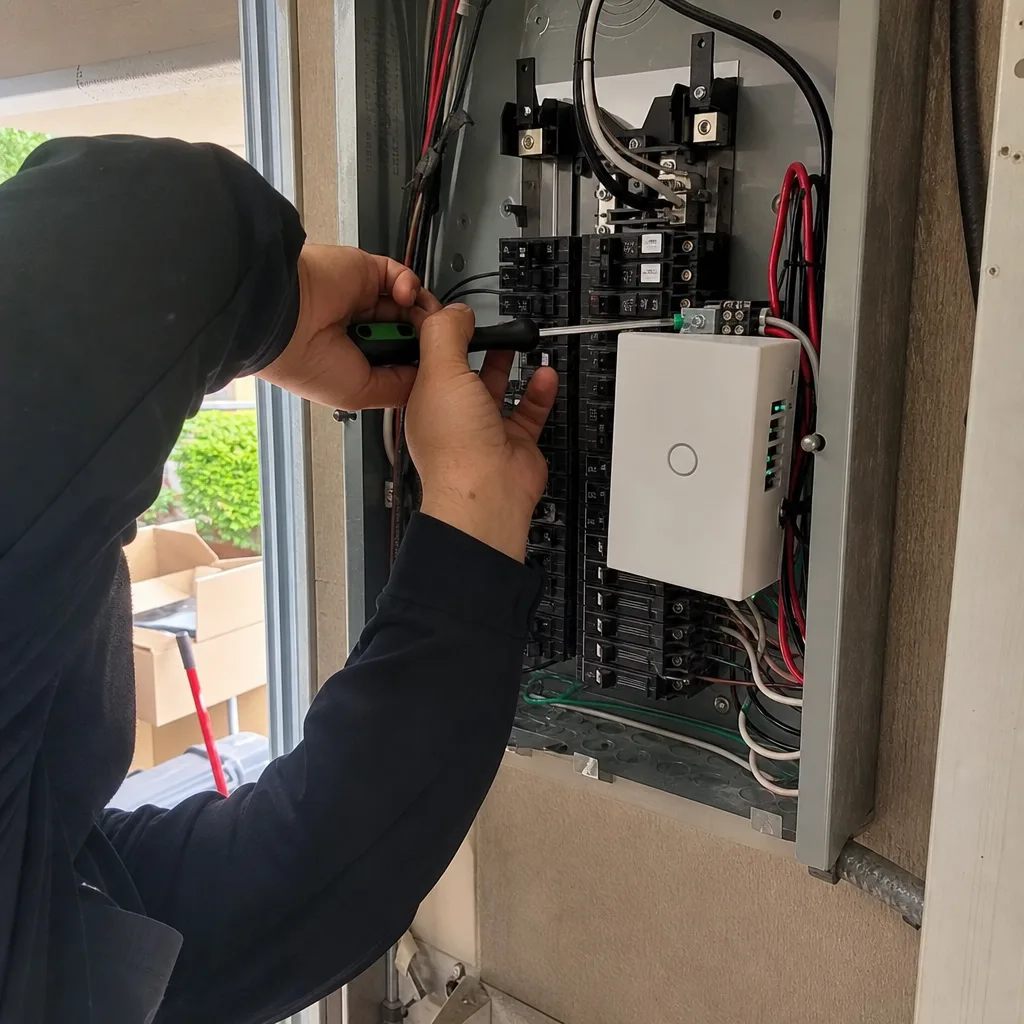
Inverter firmware goes stale, apps stop syncing, and the monitoring portal from the installer who vanished five years ago starts sending errors to a dead email address. We update firmware on SolarEdge, Enphase, and other systems, rebuild the monitoring connection, and make sure alerts go to the right inbox. For Strawberry’s seasonal owners, we also configure winter alerts: if production drops below a set threshold for more than 48 hours during snow months, you get an email. This runs $100 to $200 on its own, and is included in our annual maintenance plan.
We also handle Preventive Maintenance Plans and Warranty Claim Support for Strawberry customers. If your Qcells or REC panels had a manufacturer defect, we document it, file the claim, and handle the replacement. You shouldn’t have to navigate a warranty portal alone from three hours away.
What happens when you call
- 1
A real person answersNo phone trees - you reach a local pro.
- 2
You get an upfront price rangeHonest numbers before anyone is dispatched.
- 3
A background-checked tech heads outLicensed & insured, dispatched right away.
- 4
You approve before work beginsNothing starts until you say go.
Trusted Brands We Service in Strawberry
We work on all of the common equipment found on Strawberry roofs: SolarEdge and Enphase inverters, Qcells, REC, SunPower, and Panasonic panels. That matters here because Sierra systems age differently than valley systems, and we know which components fail first in freezing conditions. We stock the most common replacement parts for the brands customers have, so when you’ve only got a weekend at the cabin and the inverter is dead, we can often fix it in one trip instead of ordering a part and making you wait another week.
Common Solar Panel Maintenance & Monitoring Problems We See in Strawberry Homes
- Snow load flexes aging rafters. A 1970s A-frame with a steep roof sheds snow well, but the rafter bays were never sized for the added dead load of panels plus snow. Rails shift, bolts back out, and by March the array is a quarter-inch out of alignment. We check structural attachment points every inspection.
- Inverter firmware lockups after repeated outages. PG&E’s distribution lines through the Highway 108 corridor go down regularly in winter storms. Each outage cycle is a chance for an inverter to lock up, and if nobody’s there to see the red fault light, the system sits dead until the true-up statement arrives.
- Rapid shutdown devices freeze. Roof-mounted RSDs are rated for cold, but a hard Sierra freeze followed by thaw can trip them into a permanent fault state. This triggers nuisance alerts that get ignored until spring, when the owner arrives to find the system has been off since January.
- Absentee owners miss the failure entirely. The cabin next to yours in Strawberry might have a system producing zero output right now, and the owner in the Bay Area won’t know until their annual true-up statement shows hundreds of dollars in unexpected charges. Remote monitoring with real alerts is the only practical fix for this.
Pricing for Solar Panel Maintenance & Monitoring in Strawberry, CA
Here are the real numbers for Strawberry’s market, not a brochure range that stretches from “maybe cheap” to “maybe expensive.” A one-time annual inspection on a typical Strawberry cabin array runs $150 to $250. Full preventive maintenance plans that include the inspection, firmware updates, and year-round remote monitoring run $300 to $450 per year. Diagnostics for an underperforming system run $175 to $350 depending on how deep we need to trace the failure. Monitoring setup from scratch runs $200 to $400. If you bring us a written quote from any other company, we’ll give you a free second opinion. And the number we quote is the number you pay. No trip charge if you’re in our county. Call (877) 550-6892 for an exact quote, and take two weeks to think about it. The price won’t change.
We Also Serve Cities Near Strawberry
Our crew regularly works the Highway 108 corridor and the surrounding foothill towns. If you’re in Strawberry, we’re already close. We also serve Pollock Pines, Ione, Oakdale, and Waterford with the same live-answer phone and the same 90-Day Done Right Promise.
Serving Strawberry, CA - Our Local Coverage Area
We’re based in the Strawberry area and know this community well. Use the map below to see our service coverage - if you’re nearby, we can almost certainly help.
FAQs - Solar Panel Maintenance & Monitoring in Strawberry
After every winter with significant snowpack, which in Strawberry means most years. A post-snowmelt inspection in April or May catches loose rails, backed-out bolts, and freeze-damaged rapid shutdown devices before another outage season starts. Call (877) 550-6892 to schedule a spring inspection, and we’ll fit you in before the summer heat climbs.
No. A panel under two feet of snow produces essentially zero output, and if the snow sits for weeks (which it does in Strawberry), the array isn’t just idle. It’s also carrying a tremendous dead load with no production to pay it back. The goal is to have remote monitoring that tells you when output drops so you can decide whether clearing is worth it, and to have an inspection after every heavy snow season to check for structural damage. That’s the mountain reality valley installers never plan for.
Because your array spends a big chunk of the winter buried in snow while your friend’s valley system keeps producing. Modesto gets rain; Strawberry gets multi-foot snowpack from November through April. If your system isn’t monitored, you won’t even know which weeks were lost until the true-up shows it. Remote monitoring with alerts tells you the exact day production stopped. Call us at (877) 550-6892 and we’ll show you your lost production numbers for the last two winters.
Yes, and this is the service we recommend first for seasonal and absentee Strawberry owners. We configure your inverter’s monitoring to send alerts to your phone and email, and we review the output history every quarter or on an annual maintenance plan. When something stops producing, you’ll know in days, not in April when the true-up statement arrives.
We inspect the structure first. Many Strawberry cabins were built between the 1950s and 1980s, and their rafters were never sized for snow plus panels. In some cases, we can spread the attachment points or reinforce the rafter bays from inside the attic. In others, we recommend a ground-mounted array or a smaller panel count that respects the roof’s actual capacity. We don’t guess. We put an engineer’s eye on it and tell you straight. Senior and veteran homeowners get a 10% discount that never expires, and that discount applies to maintenance work too.
Call Gus’s Solar for Strawberry Maintenance & Monitoring
If your Strawberry system hasn’t been inspected in a year or more, or if you don’t know whether it’s producing right now, call (877) 550-6892. A live person answers, 24/7. We’ll schedule a visit to your place on the Highway 108 corridor, do a real inspection, and give you a straight answer. Free estimate. No pressure. Bring us your utility bill and we’ll bring you the math. If a salesman needs an answer tonight, the answer is no. Ours is always the same the next morning.
Written by Gus Petrakis, Owner at Gus’s Solar, serving Strawberry and the Highway 108 corridor since 2011.