
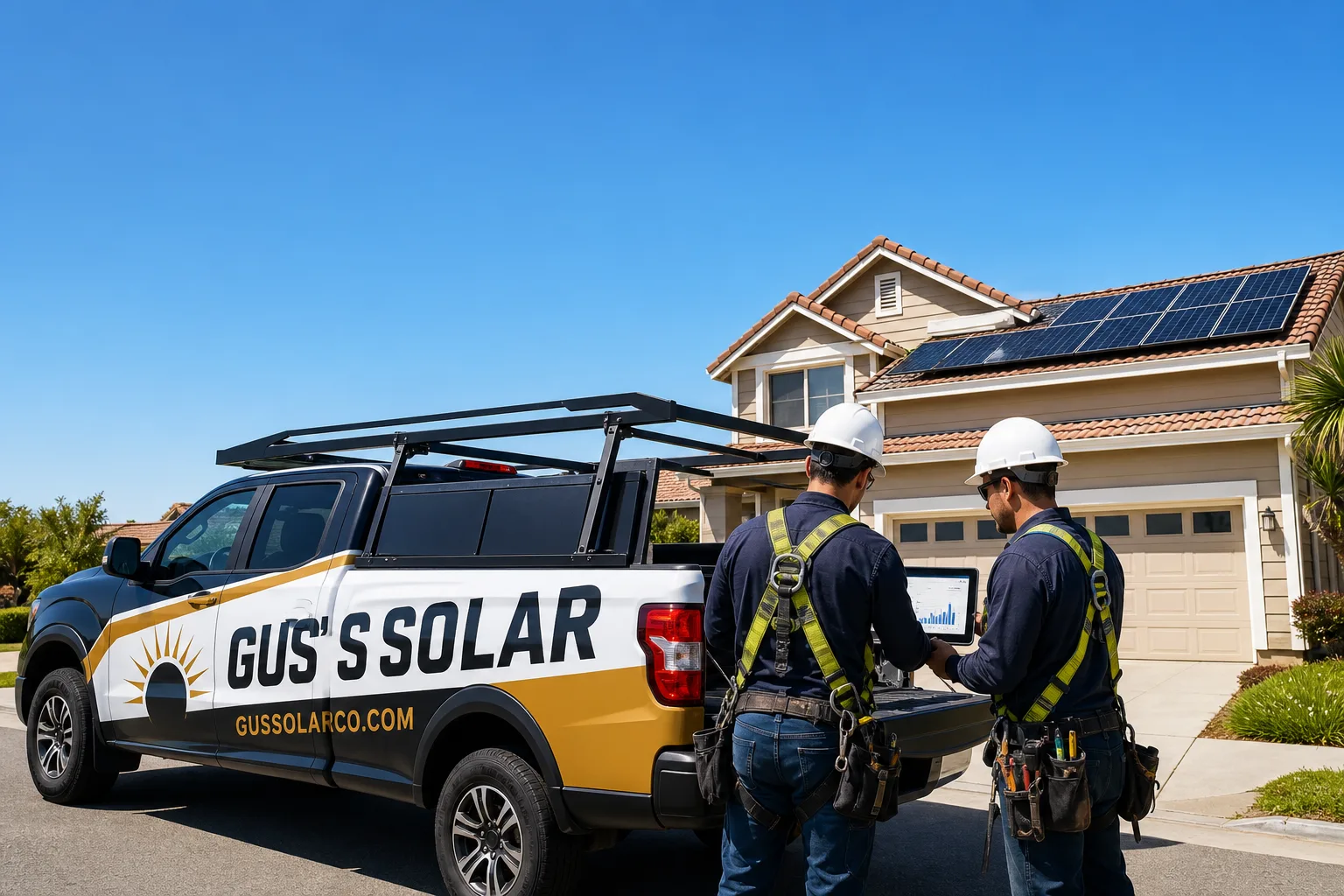
Free bill analysis - bring a power bill, get the production math for your actual roof, panel brands like Qcells and REC compared side by side
If the pitch starts at your door and ends with "sign tonight for the special," sleep on it. The sun will still be there tomorrow; so will we.
 Before
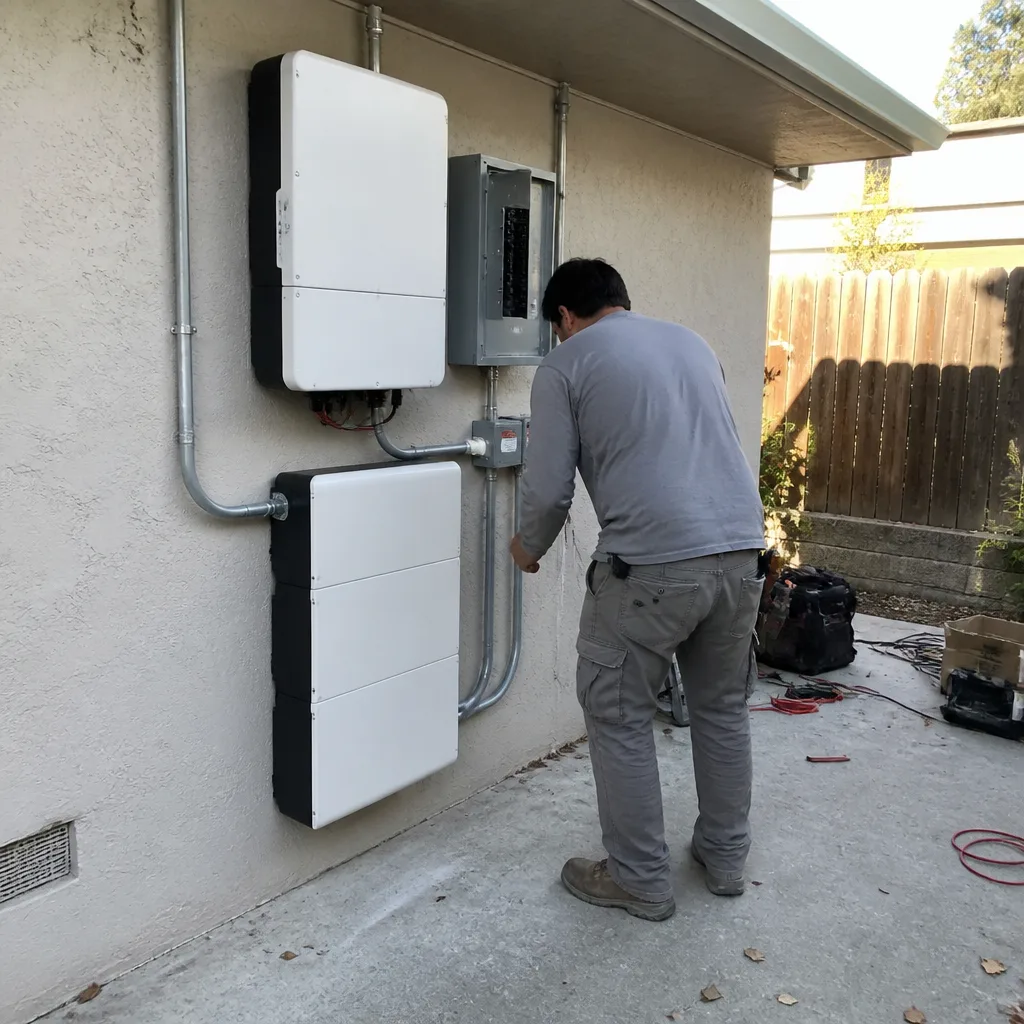 After
After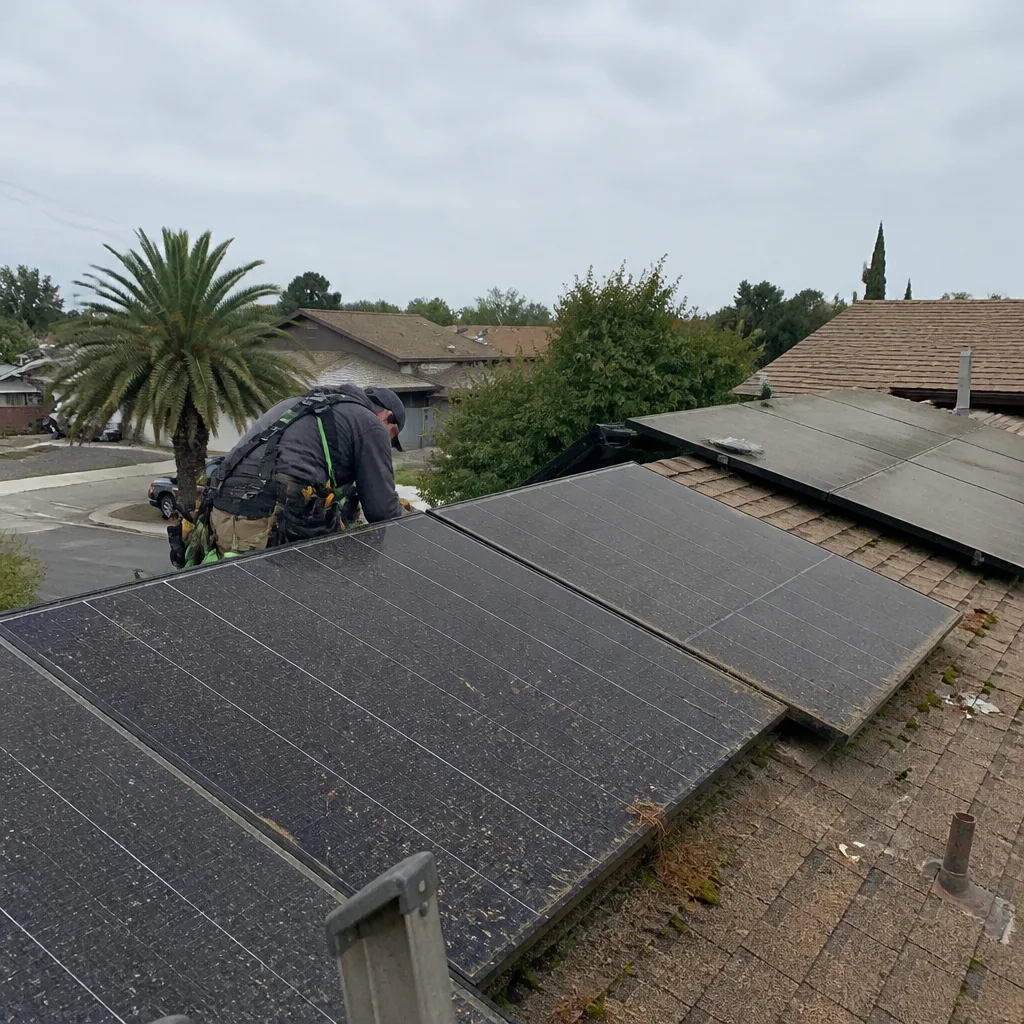 Before
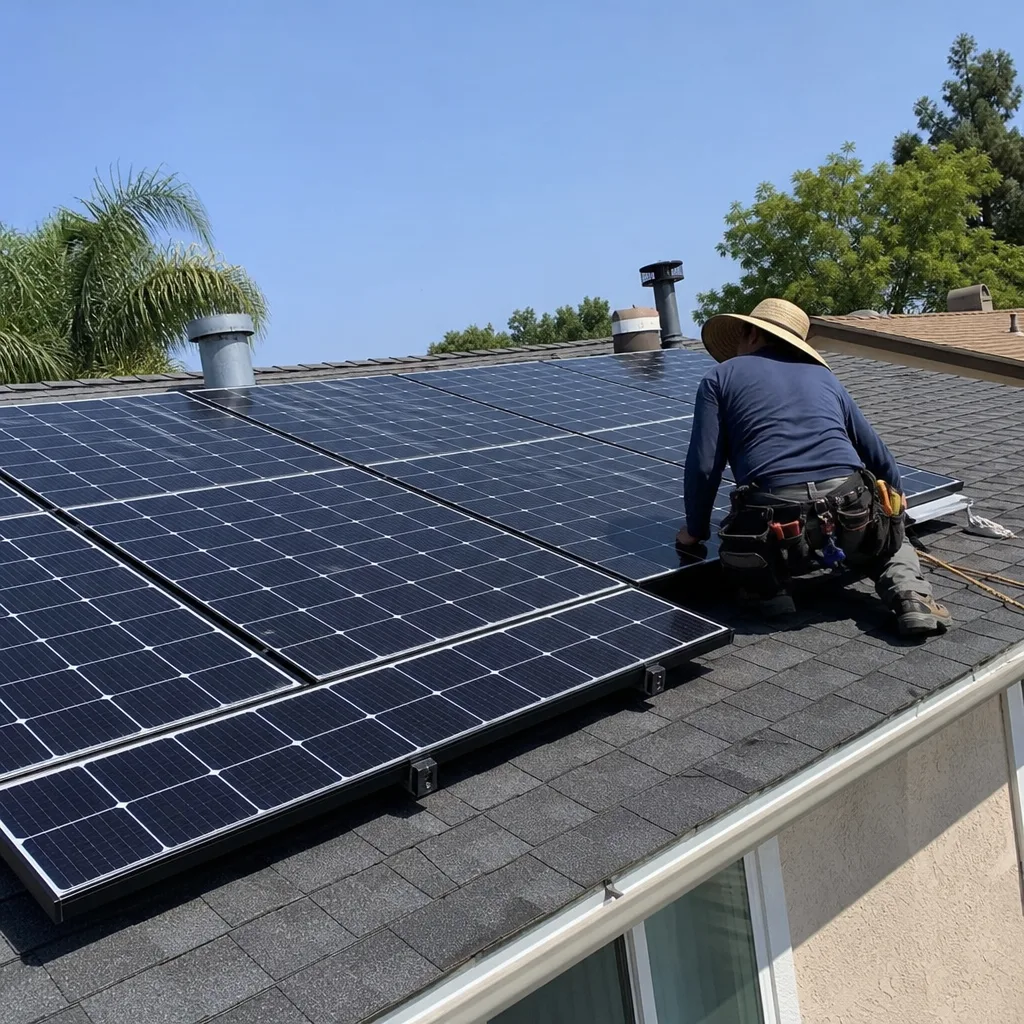 After
After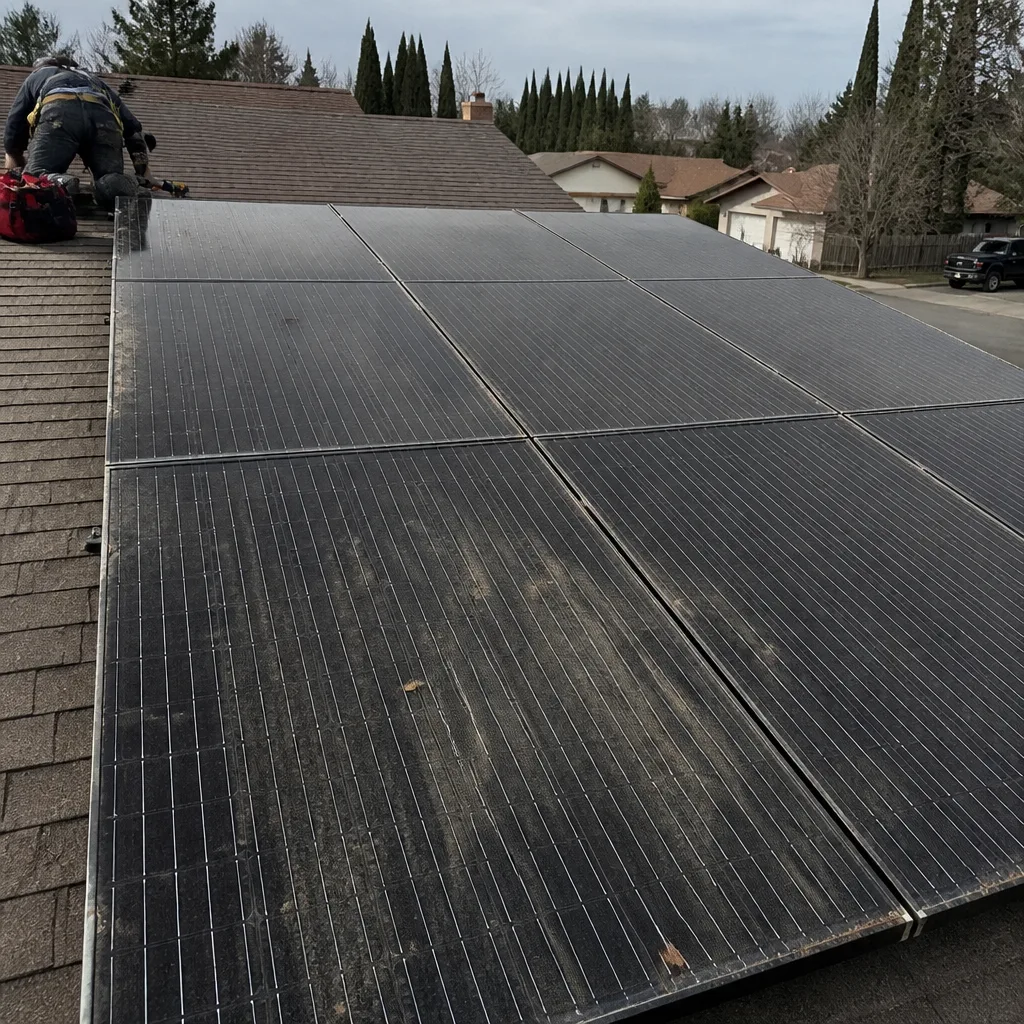 Before
 After
AfterFast, Reliable Solar Panel Maintenance & Monitoring Across Rosamond
If your system was installed by an out-of-town crew who has not answered the phone since the paperwork cleared, you are not alone out here. We get calls from Rosamond homeowners every week whose panels are underperforming and nobody can tell them why. Solar Panel Maintenance & Monitoring in Rosamond is not a side service for us. It is how we make sure the system on your roof produces what the year-25 spec sheet promised, not just what it happened to do in week one. Call (877) 550-6892 and a live person answers, day or night.
Why Gus’s Solar Is Rosamond’s Preferred Solar Panel Maintenance & Monitoring Company
Gus Petrakis has been running this shop since 2011 with his own name on the truck and his own phone in his pocket. That matters in a town like Rosamond, where a lot of solar work got sold hard and serviced soft by crews who are long gone. We pull real numbers off your actual utility bill before we quote anything. If a salesman needs an answer tonight, the answer is no. Take two weeks. Think about it. The price will be the same.
Our Solar Panel Maintenance & Monitoring team knows the difference between a dusty panel and a failing optimizer, and we do not guess. The Antelope Valley punishes sloppy work, and Rosamond homeowners notice when output drops. That is why we quote the year-25 output, not the day-one brochure number. Gus’s crew does the work, not a sub. Background-checked, uniformed, and local enough to run into you at the hardware store on Sierra Highway.
Our Solar Panel Maintenance & Monitoring Services in Rosamond
Annual System Inspection
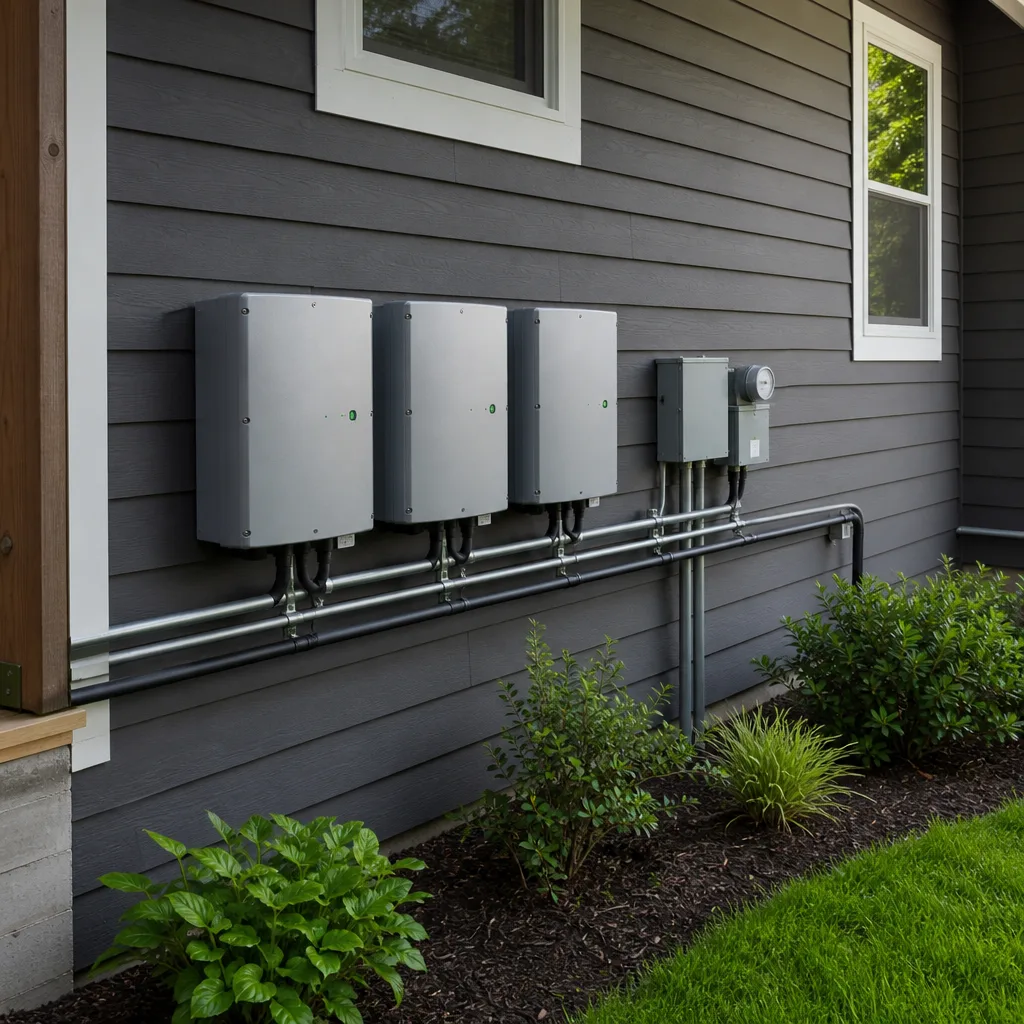
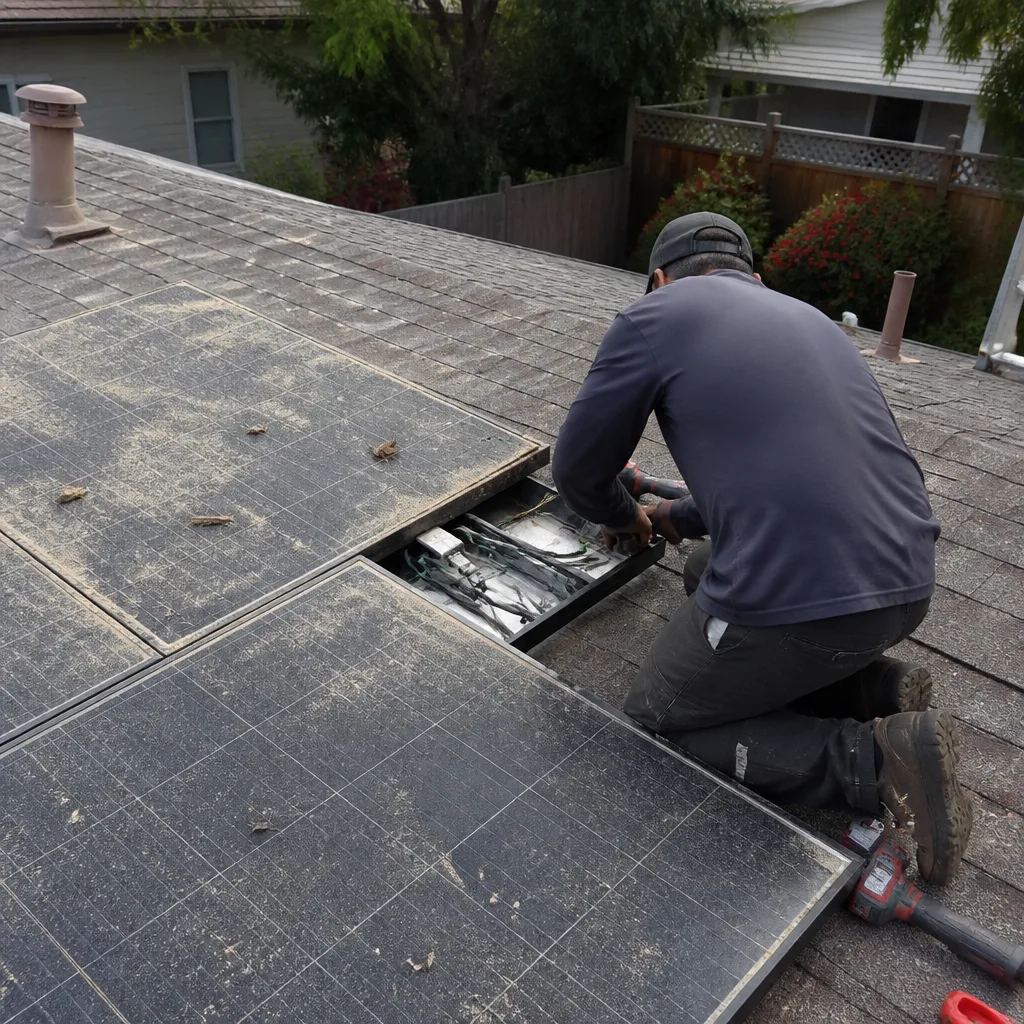
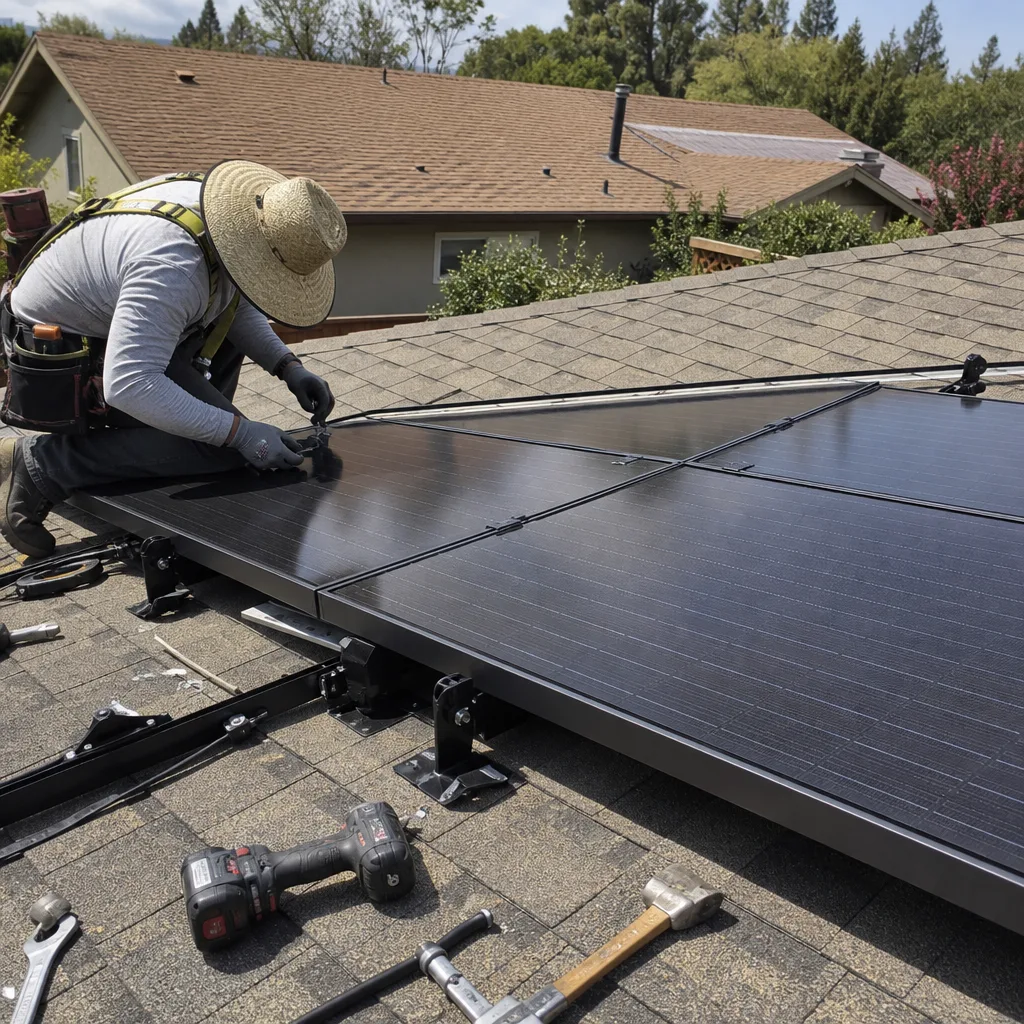
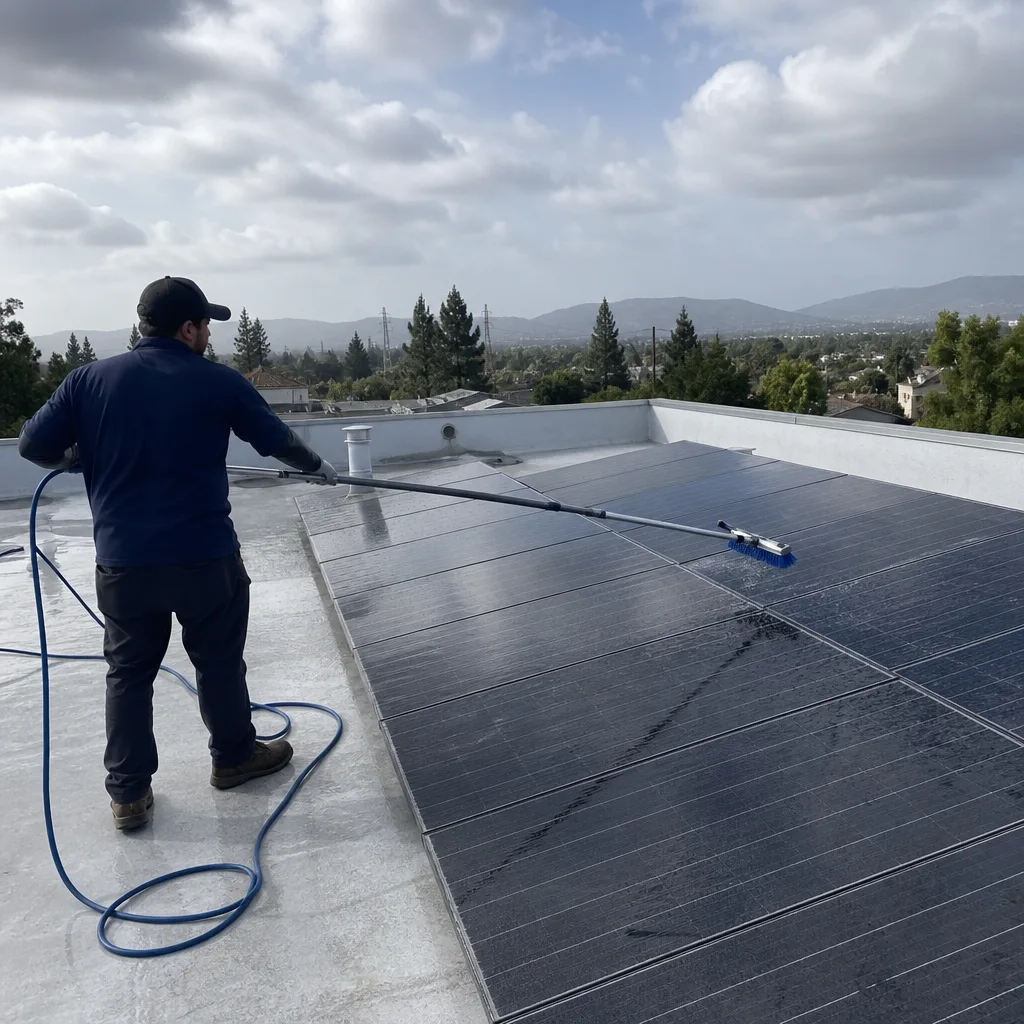
Once a year, we walk the whole system. Panels, rails, conduit, inverter, disconnects, labeling, and the data your monitoring portal is quietly collecting. In Rosamond, we pay extra attention to dust caking on the undersides of panels near the edges, because Mojave wind carries fine grit that settles where rain never rinses it. We look at torque on racking bolts too. Wind events funneling through Tehachapi Pass can work bolts loose on older installs.
Production Monitoring Setup
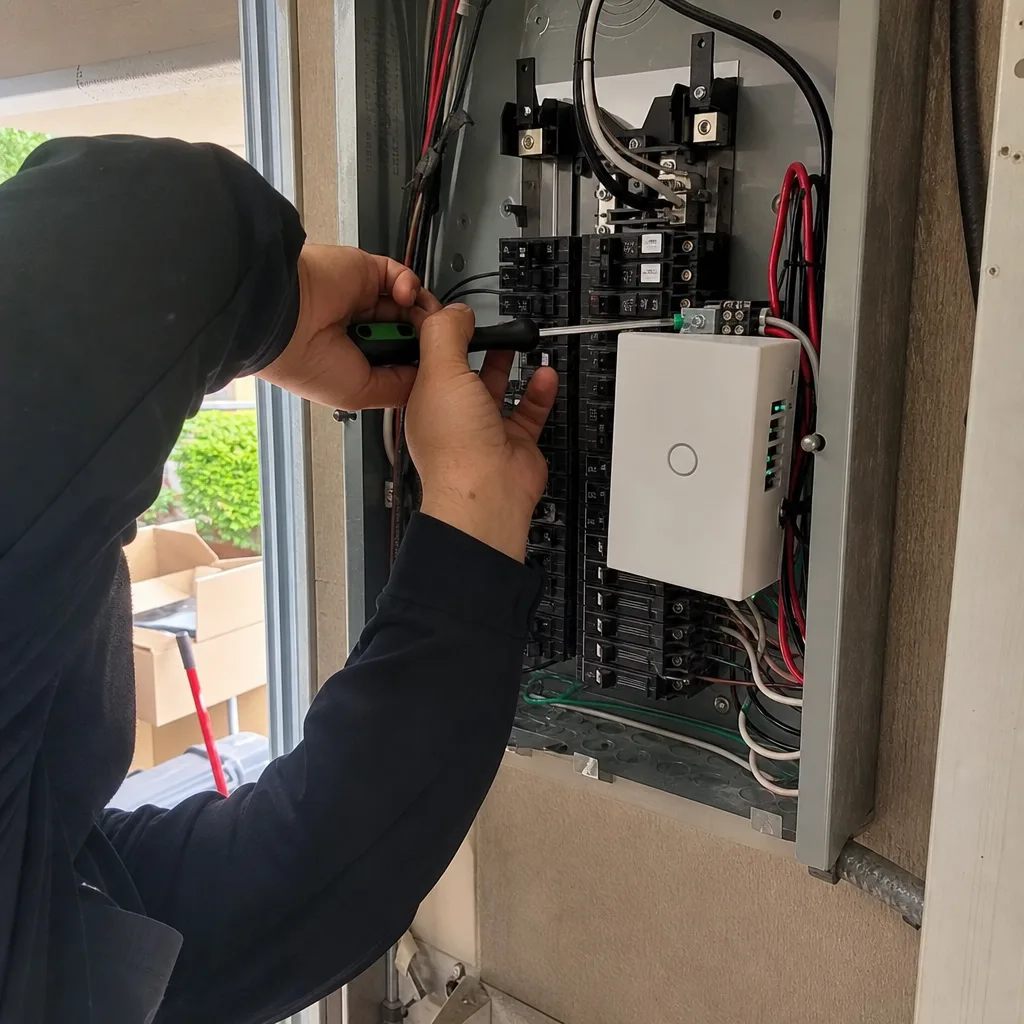
Most systems in Rosamond should have been configured with real production monitoring from day one, but plenty were not. We set up or repair access to Enphase and SolarEdge portals, get your app talking to your inverter again, and most importantly, calibrate the baselines so an alert actually means something. A generic “low production” email at 10 a.m. on a smoky day is noise. A configured alert that flags a 22% drop after a Santa Ana windstorm is actionable. That is the difference.
Underperformance Diagnostics
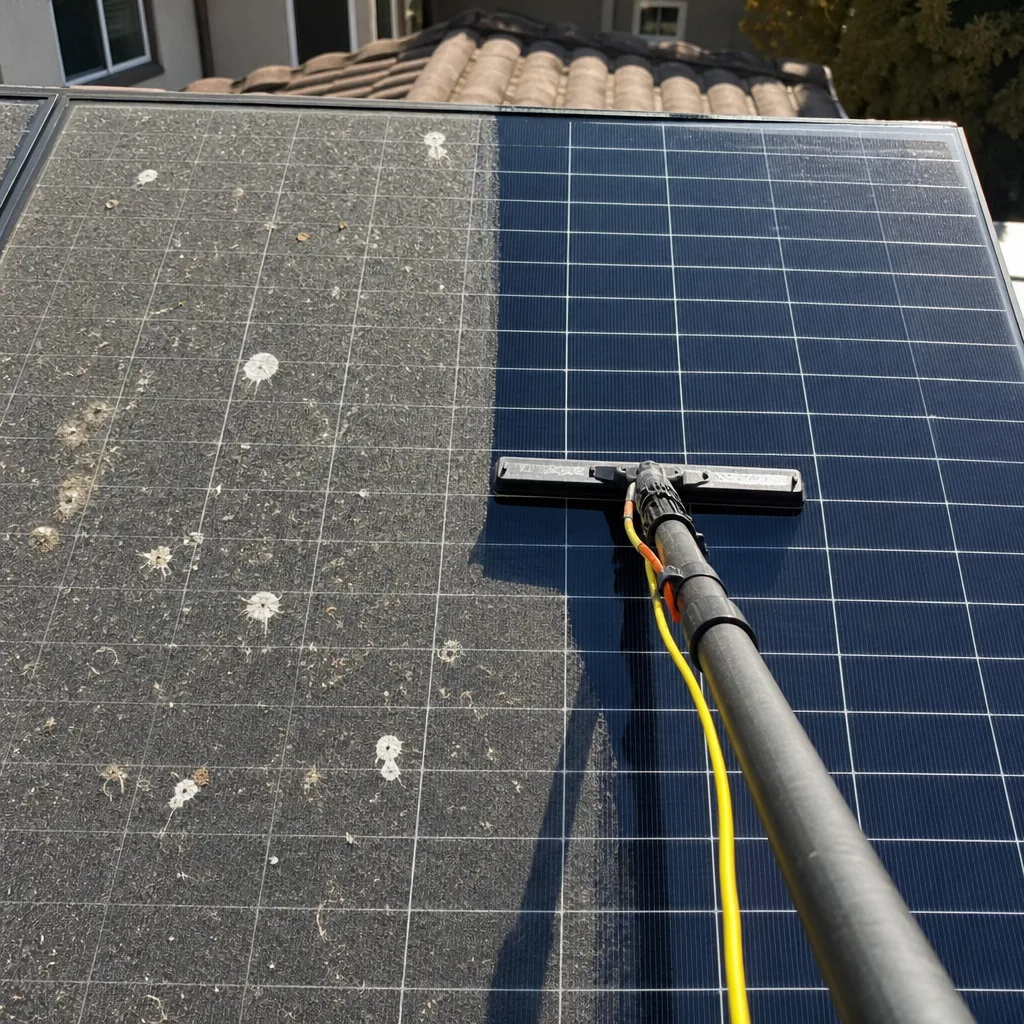
This is where we earn our keep in Rosamond. Dust-driven soiling, inverter derating on 108°F afternoons, and aging 100-amp panels all mask themselves as “normal.” They are not. We test string voltages, check optimizer or microinverter data module-by-module, and compare actual output against the modeled curve for your exact tilt, azimuth, and local irradiance. We will tell you if the problem is dirt, a bad optimizer, or a panel degrading faster than the warranty sheet admits.
Firmware & App Configuration
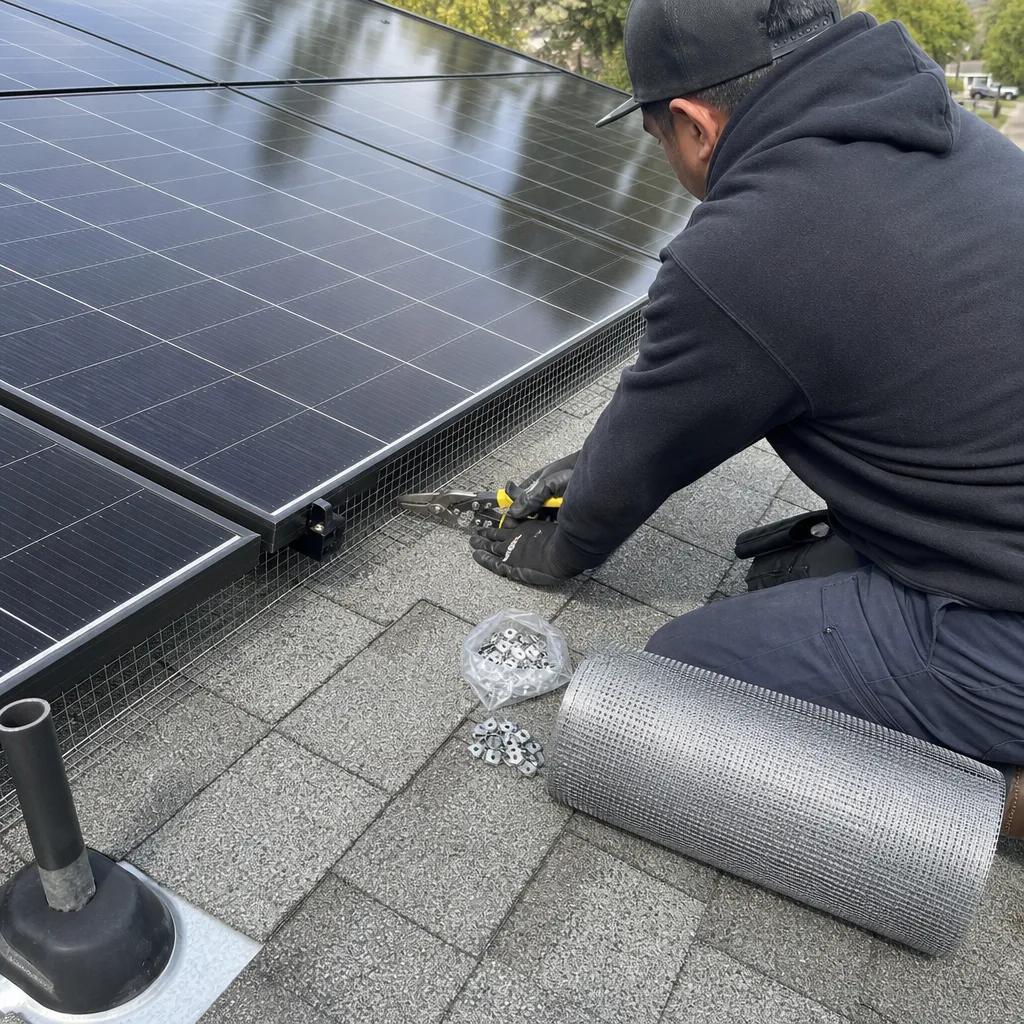
Your inverter is a small computer with firmware that needs updates and settings that need checking. Enphase and SolarEdge push updates that sometimes break offline monitoring or reset your home profile. We handle firmware updates, app reconnection, and the unglamorous settings work that keeps your production data honest. For Rosamond, we also toggle the heat-response settings on inverters when the manufacturer default is too aggressive for our summer temperatures.
What happens when you call
- 1
A real person answersNo phone trees - you reach a local pro.
- 2
You get an upfront price rangeHonest numbers before anyone is dispatched.
- 3
A background-checked tech heads outLicensed & insured, dispatched right away.
- 4
You approve before work beginsNothing starts until you say go.
Trusted Brands We Service in Rosamond
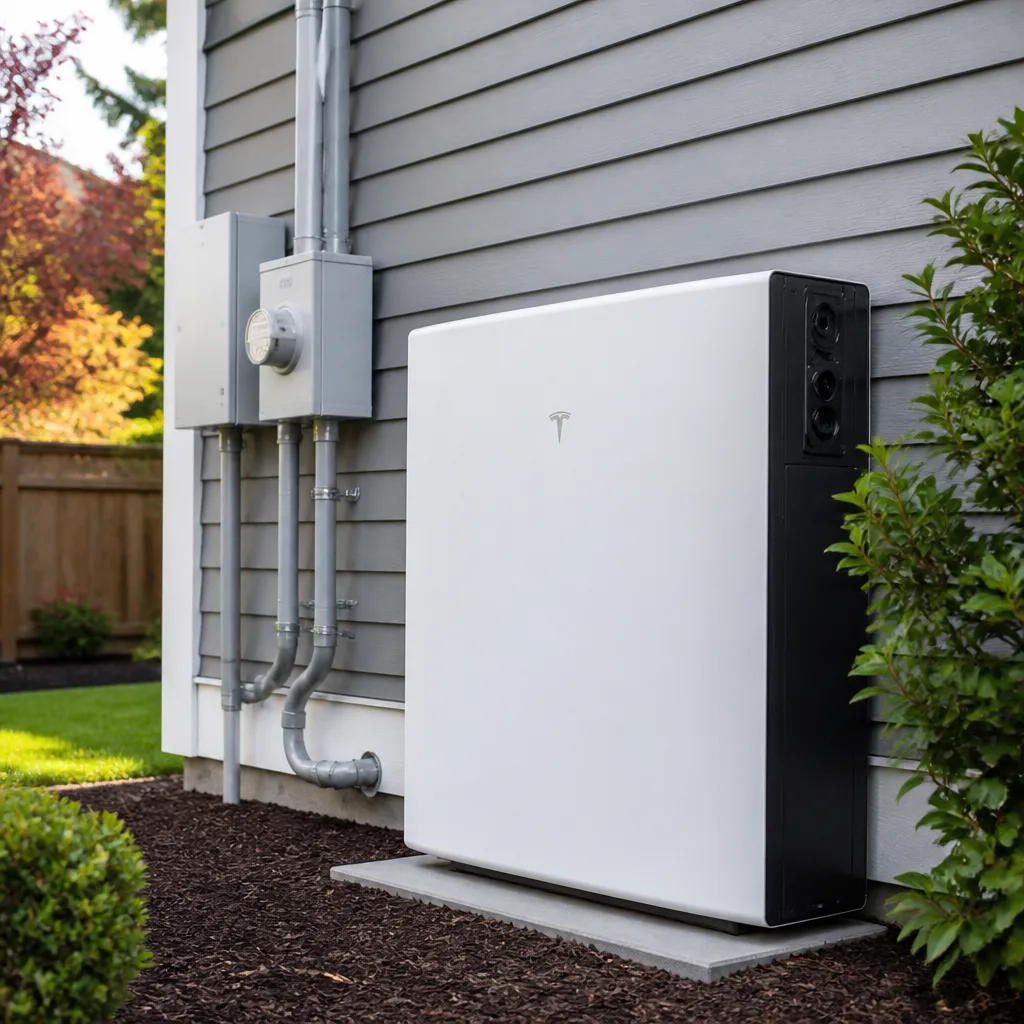
We work on Tesla, Enphase, SolarEdge, and FranklinWH equipment every week. That covers the vast majority of systems installed across Rosamond and the surrounding Antelope Valley towns. Because we service these brands daily, we keep common parts and diagnostic gear on the truck, which means fewer return trips and faster turnaround when you are watching your production numbers sag. We do not play favorites with hardware. We play favorites with what keeps your system running right.
Common Solar Panel Maintenance & Monitoring Problems We See in Rosamond Homes
- Inverter overheating and derating: On a 108°F July afternoon, the air around an inverter mounted on a west-facing wall can hit 140°F. SolarEdge and Enphase inverters will throttle output or shut down entirely to protect themselves. The fix is often shade, spacing, or relocation, not a new inverter.
- Dust-driven soiling losses: After a spring windstorm through Tehachapi Pass, panels can lose 15-25% of output within two or three weeks. The worst cases are homes with low-tilt arrays near Rosamond Boulevard where the dust just sits there. If your tilt is under 10 degrees, you are fighting a losing battle.
- Aging 100-amp panels tripping breakers: Most Rosamond homes were built in the 1980s and 1990s with 100-amp electrical panels. Adding monitoring hardware, rapid shutdown devices, and especially battery-ready circuits can push those panels past their safe operating range. We see nuisance breaker trips and occasional burn marks at the bus bar.
- Silent optimizer or microinverter failures: On older SolarEdge systems, optimizers fail one at a time, quietly. The system keeps producing, but at a fraction of what it should. Without module-level monitoring, a homeowner can lose months of production before noticing. Rosamond’s heat accelerates capacitor aging in these units.
Pricing for Solar Panel Maintenance & Monitoring in Rosamond, CA
An annual system inspection in Rosamond typically runs $150-$300 depending on system size and roof access. Underperformance diagnostics run $200-$450, and if a repair is needed, we apply the diagnostic fee toward the repair cost. Production monitoring setup or repair runs $100-$250 when no hardware is required. Preventive maintenance plans, which include one annual inspection, one cleaning, and year-round monitoring oversight, typically run $350-$650 per year for most Rosamond homes. We offer a $40 discount on any repair over $200 and a free second opinion on any written estimate. The price we quote is the price you pay. Call (877) 550-6892 for a free estimate.
We Also Serve Cities Near Rosamond
From our base serving Rosamond, we also cover Lancaster, Quartz Hill, Golden Hills, and Tehachapi. If you are in the Antelope Valley or up toward the pass, the same crew and the same standards apply. No call centers, no subcontracted teams, just Gus’s Solar on the truck and a live person on the phone.
Serving Rosamond, CA - Our Local Coverage Area
We’re based in the Rosamond area and know this community well. Use the map below to see our service coverage - if you’re nearby, we can almost certainly help.
FAQs - Solar Panel Maintenance & Monitoring in Rosamond
Realistically, 15-25% within a few weeks after a sustained wind event if your panels are mounted at a low tilt angle. We have measured a 22% production drop on a system off Rosamond Boulevard three weeks after the last cleaning. The fix is not just more cleanings; it is often a tilt adjustment to 12 degrees or more so dust does not settle as aggressively. Call (877) 550-6892 for an exact quote, estimates are free.
Yes. Any drone-based inspection or thermal imaging pass over a Rosamond property requires checking FAA NOTAMs for restricted military airspace, because the base sits directly adjacent to town. We handle that paperwork before we ever launch. For ladder-and-hand inspections, the airspace does not matter, but the heat in August certainly does; we schedule early morning climbs whenever possible.
It is almost certainly thermal derating. When ambient temperatures exceed 108°F, inverters mounted in direct sun or against hot walls exceed their rated operating range and shut down to protect their internal capacitors. We check mounting location, clearance, and ventilation before we ever recommend replacing the unit. In many homes the fix costs a few hundred dollars, not a few thousand.
You should be aware of it, and we check it as part of our work. Most 1980s and 1990s Rosamond homes were built with 100-amp panels that are already running near their limit. Adding battery-ready circuits or rapid shutdown devices can push them past safe operating range. We will tell you honestly if a panel upgrade is required, and we will not pad the estimate with work you do not need. Call (877) 550-6892 for a straight answer.
You compare actual production against a modeled baseline built for Rosamond’s specific irradiance and your panel’s specific tilt and azimuth. Most monitoring portals show you a rough number, but they do not account for Mojave dust soiling, heat-driven inverter derating, or the degradation curve of your specific module brand. We do. We will run a module-level diagnostic and show you the delta between what your array should be producing and what it is actually producing, then tell you exactly why. Call (877) 550-6892 for a free estimate.
Maintenance for Panels That Live in Dust, Heat, and Military Airspace
Rosamond is not San Diego. It is not even Fresno. The Mojave’s fine alkaline dust sticks to glass differently than coastal grime or Central Valley pollen, and the heat does things to inverter electronics that milder climates never see. Add in the FAA airspace overlay from Edwards Air Force Base and you have a maintenance set that generic solar checklists simply do not cover.
Our field team has relearned a few lessons out here. Low-tilt flush-mounts that look clean and modern on design software turn into dust shelves by May. Inverters mounted on west-facing walls without shade cook themselves by August. And 100-amp panels from the Clinton administration were never designed to handle the kind of monitoring hardware and battery-ready circuits we are being asked to layer onto them. We see these three failure modes every single week in Rosamond, and each one has a fix that costs far less than replacing the system.
The Edwards AFB Drone Inspection Step Nobody Talks About
If you hire a solar company that wants to fly a drone over your Rosamond roof for a thermal imaging inspection, they need to check FAA NOTAMs first. Rosamond sits directly against Edwards Air Force Base, and much of the airspace over town is restricted or requires specific clearance. We handle that check before every drone-based inspection we run. It is a small step, but it is the kind of local detail that tells you whether the company actually works here or just put “Rosamond” on a service-area page.
For most maintenance jobs, we do not need a drone at all. A trained technician with a good ladder, a thermal camera, and a module-level monitoring readout can diagnose nearly everything. The drone comes out for large arrays or roofs with access issues. Either way, the airspace question stays on our checklist, not yours.
Dust, Tilt, and the 22% Production Drop
Our crew serviced a 2016 SolarEdge system on a ranch-style home off Rosamond Boulevard where chronic Mojave dust from spring Santa Ana windstorms had cut production by 22% within three weeks of the last cleaning. We performed an underperformance diagnostic, confirmed the optimizers were healthy, and recalibrated the tilt angle recommendation from the original 8-degree flush-mount to a 12-degree tilt to reduce soiling losses before setting up automated production monitoring alerts. That homeowner now gets a text when output drops more than 10% below the modeled baseline, instead of discovering the loss three months later on a utility bill.
That is the difference between maintenance and monitoring. Maintenance finds the problem. Monitoring tells you about it while it is still small enough to fix cheaply. In Rosamond’s dust-and-heat environment, “wait until the annual inspection” can mean losing hundreds of dollars in production between visits.
What Preventive Maintenance Looks Like in Rosamond
For homes in the 93560 zip code, a practical preventive maintenance plan has three parts. First, an annual inspection that documents panel condition, racking torque, inverter temperatures, and electrical panel health. Second, a cleaning schedule matched to your tilt angle and exposure to the Tehachapi wind corridor. Lower tilt, more frequent cleanings. Third, monitoring with alerts tuned to Rosamond-specific baselines, so a 15% production dip after a windstorm triggers a call from us, not a surprise on your True-Up bill.
Bring us a bill, we will bring you the math. That is how we quote maintenance and monitoring too. Not a brochure rate, not an online estimator, but a number built from your system’s age, brand, tilt, and production history. Take two weeks. Think about it. The price will be the same.
Written by Gus Petrakis, Owner at Gus’s Solar, serving Rosamond and the Antelope Valley since 2011.
Get Your Rosamond System Producing Again
Call (877) 550-6892 and a live person answers. We will ask about your system, pull your utility data if you are willing to share it, and give you an honest read on whether you need a cleaning, a diagnostic, or nothing at all. If a salesman needs an answer tonight, the answer is no. We will be here in the morning.