
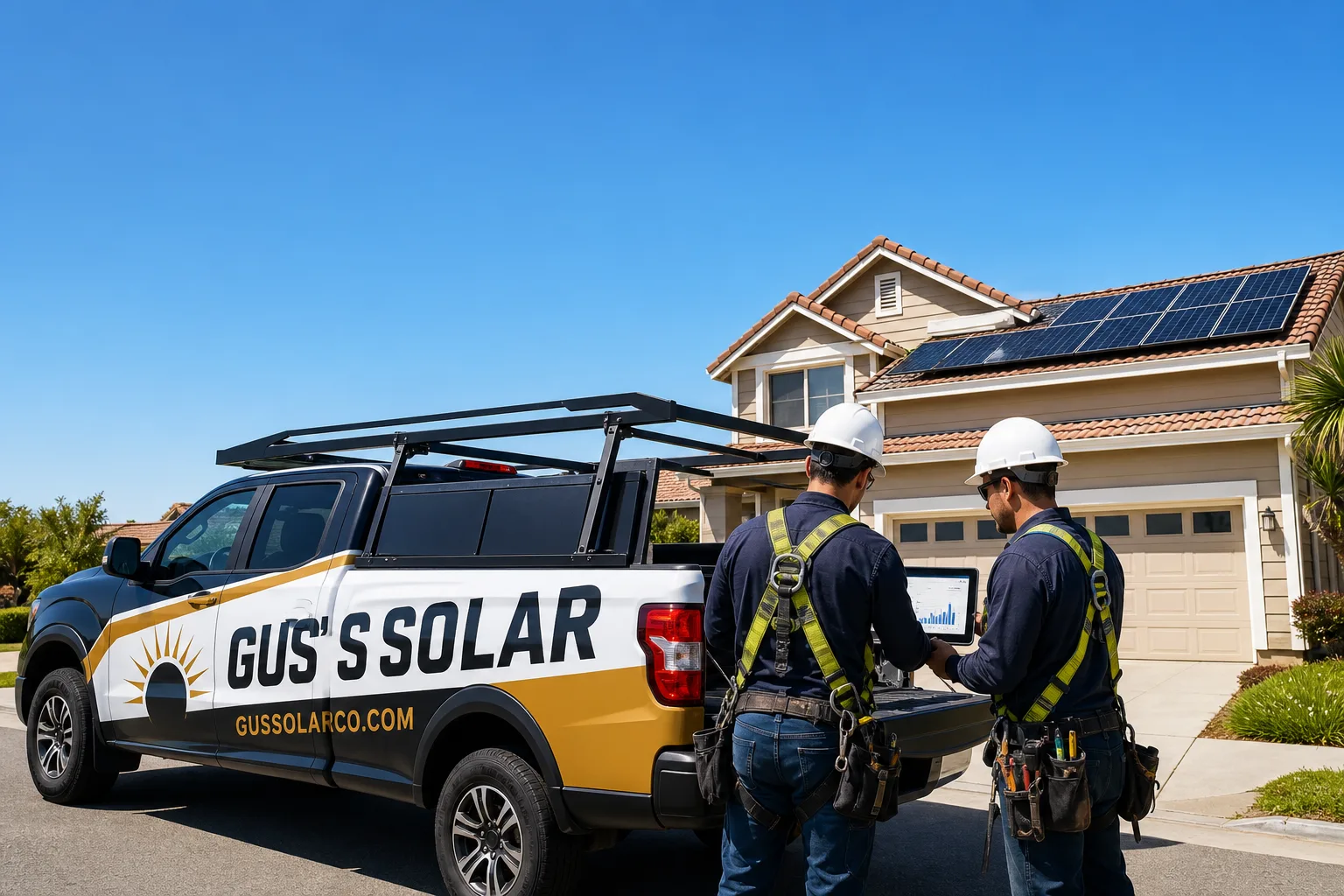
Free bill analysis - bring a power bill, get the production math for your actual roof, panel brands like Qcells and REC compared side by side
If the pitch starts at your door and ends with "sign tonight for the special," sleep on it. The sun will still be there tomorrow; so will we.
 Before
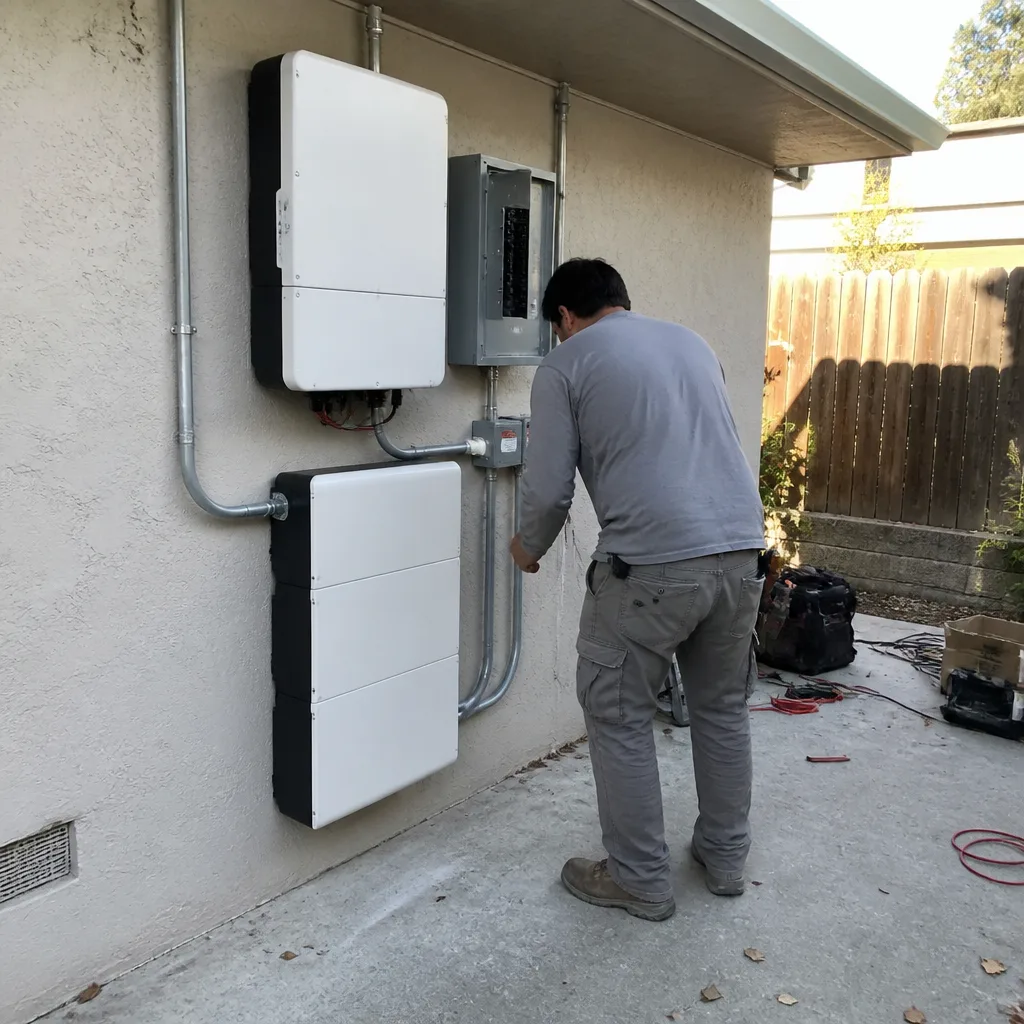 After
After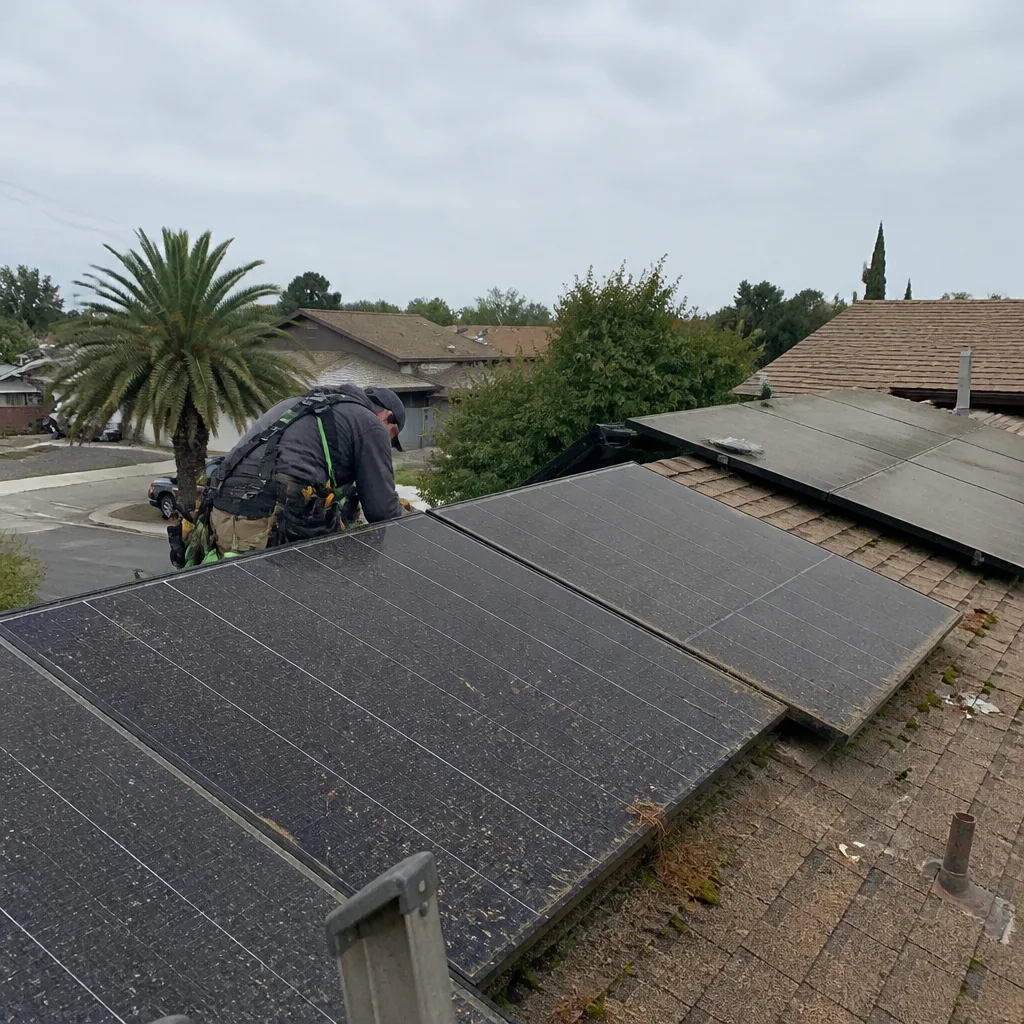 Before
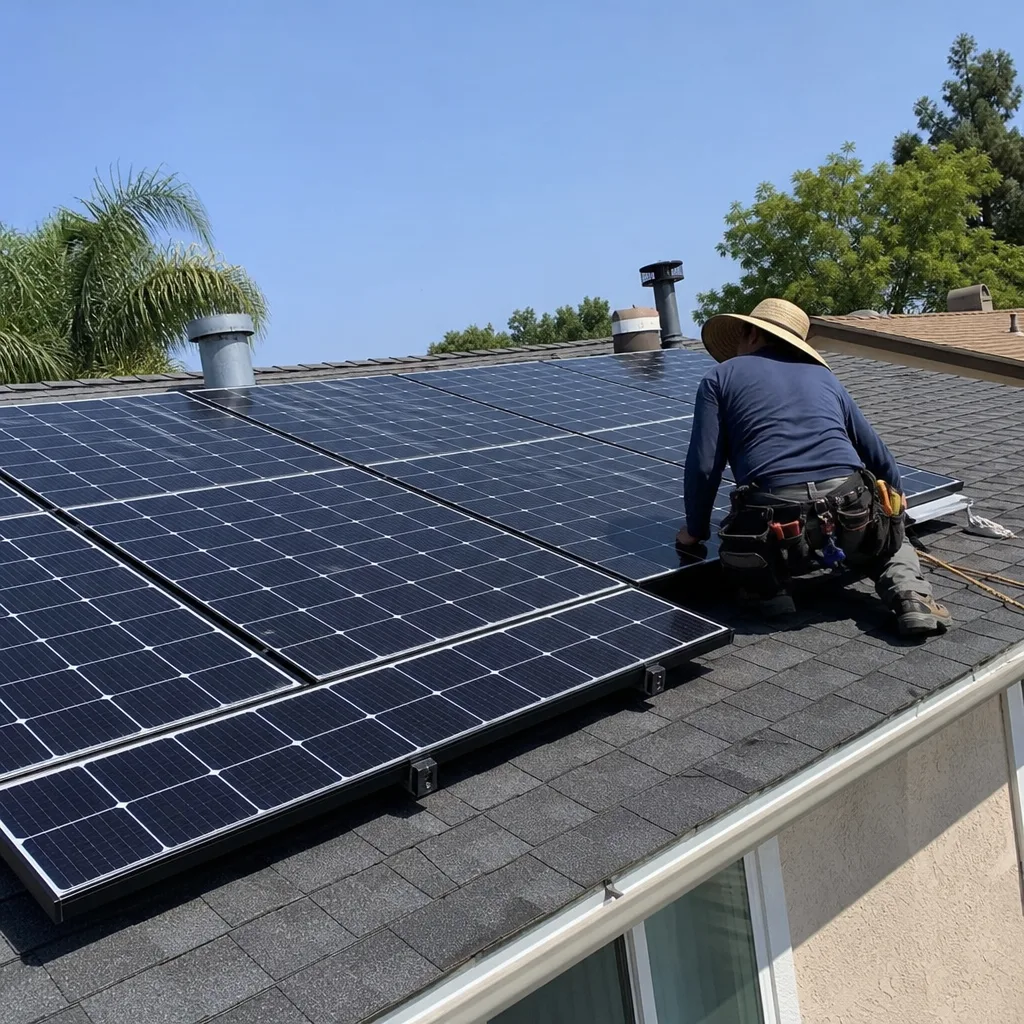 After
After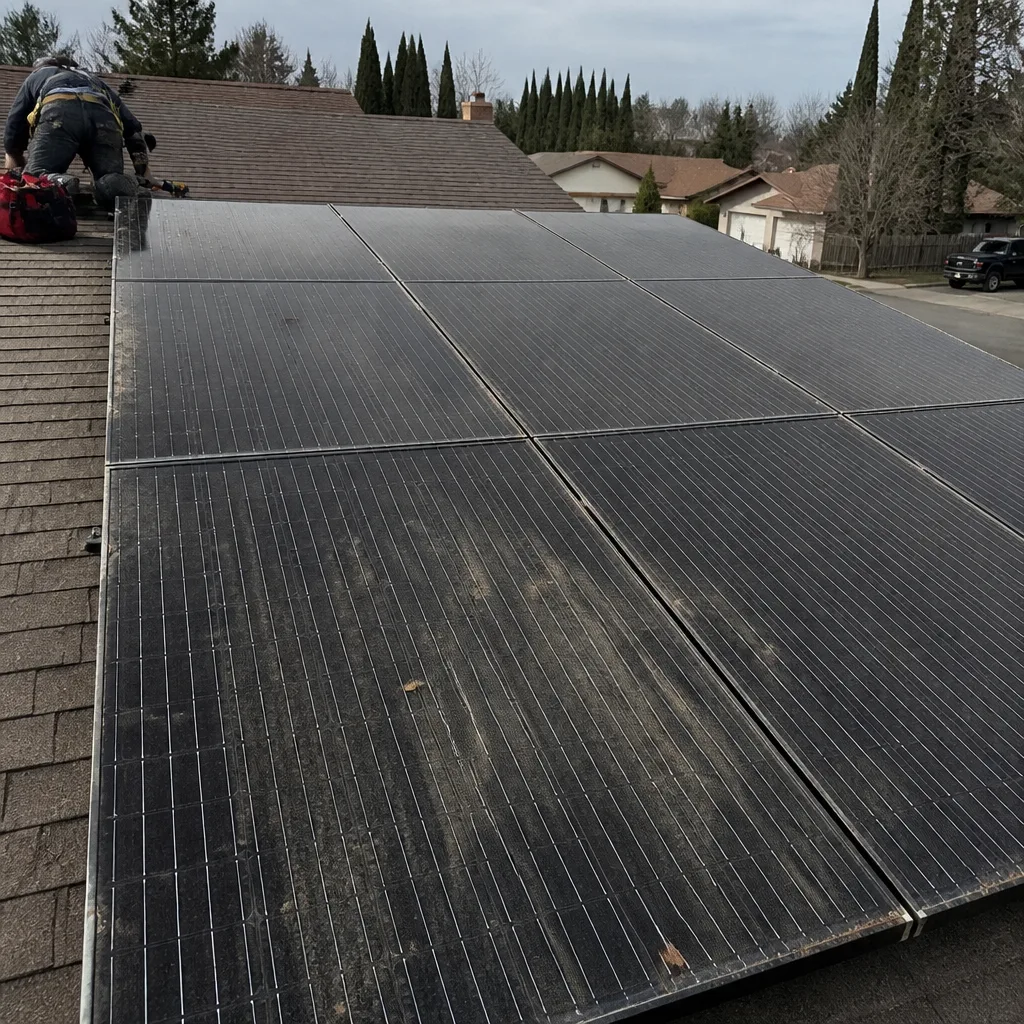 Before
 After
AfterCommercial Solar Installation in Big Bear City: What It Really Costs and What It Really Takes
Commercial solar installation in Big Bear City runs $2.10 to $2.85 per watt for most rooftop and ground-mount projects, meaning a 100 kW system on a warehouse or retail building typically lands between $210,000 and $285,000 before the 30% federal Investment Tax Credit. The bigger cost driver here is not the panels. It’s the engineering. San Bernardino County requires full structural review for any array on a commercial building in the 92314 corridor, and the snow-load math changes everything compared to a job in Yucaipa or Mentone. If you own a business up here, you need an installer who has actually pulled permits at 6,750 feet, not a valley crew guessing at it.
Call Gus’s Solar at (877) 550-6892 for a straight answer on your building. Gus Petrakis opened this shop in 2011 and he still answers his own phone.
Why Gus’s Solar Is Big Bear City’s Preferred Commercial Solar Installation Company
Big Bear City businesses call us because we already know what the county is going to ask for before we submit the permit. That saves weeks. The Commercial Solar Installation work we do up here lives and dies on the snow-load calculation, and Gus’s crew has done enough of these to know exactly what the structural engineer needs to see on day one. We’re not guessing at tilt angles or racking specs from a flatland playbook.
Most of our Big Bear City commercial customers found us the same way: they got burned by a door-knocker or an out-of-state outfit that quoted valley pricing, then discovered the racking and reinforcement pushed the real number up 40%. Gus tells everyone the same thing: bring me a bill, I’ll bring you the math. And he means your actual utility bill, not a brochure. You’ll see year-25 output numbers, not day-one marketing figures. We serve Big Bear City and the surrounding mountain communities from our Inland Empire office, and a live person answers our phones 24/7. Not a voicemail. Not a call center. A person.
The crew you’ll see on your roof is background-checked and uniformed, and they’re our own employees. Gus doesn’t hand work off to subs. Every commercial job carries our 90-Day Done Right Promise in writing: if it’s not right, Gus makes it right. One call brings him back. That’s the L.O.C.A.L. code we operate by: Local roots, On time, Community first, Accountable, Loyal.
Our Commercial Solar Installation Services in Big Bear City
Commercial Rooftop Solar
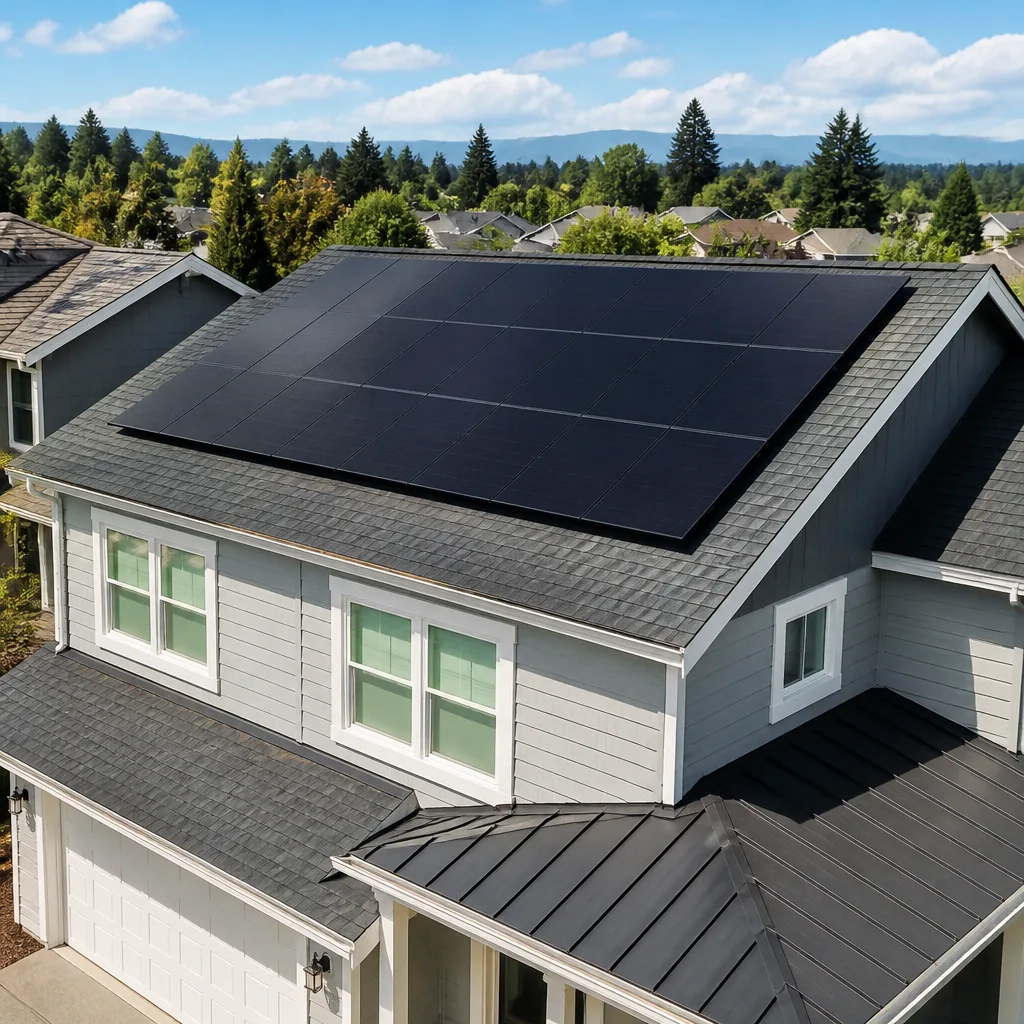
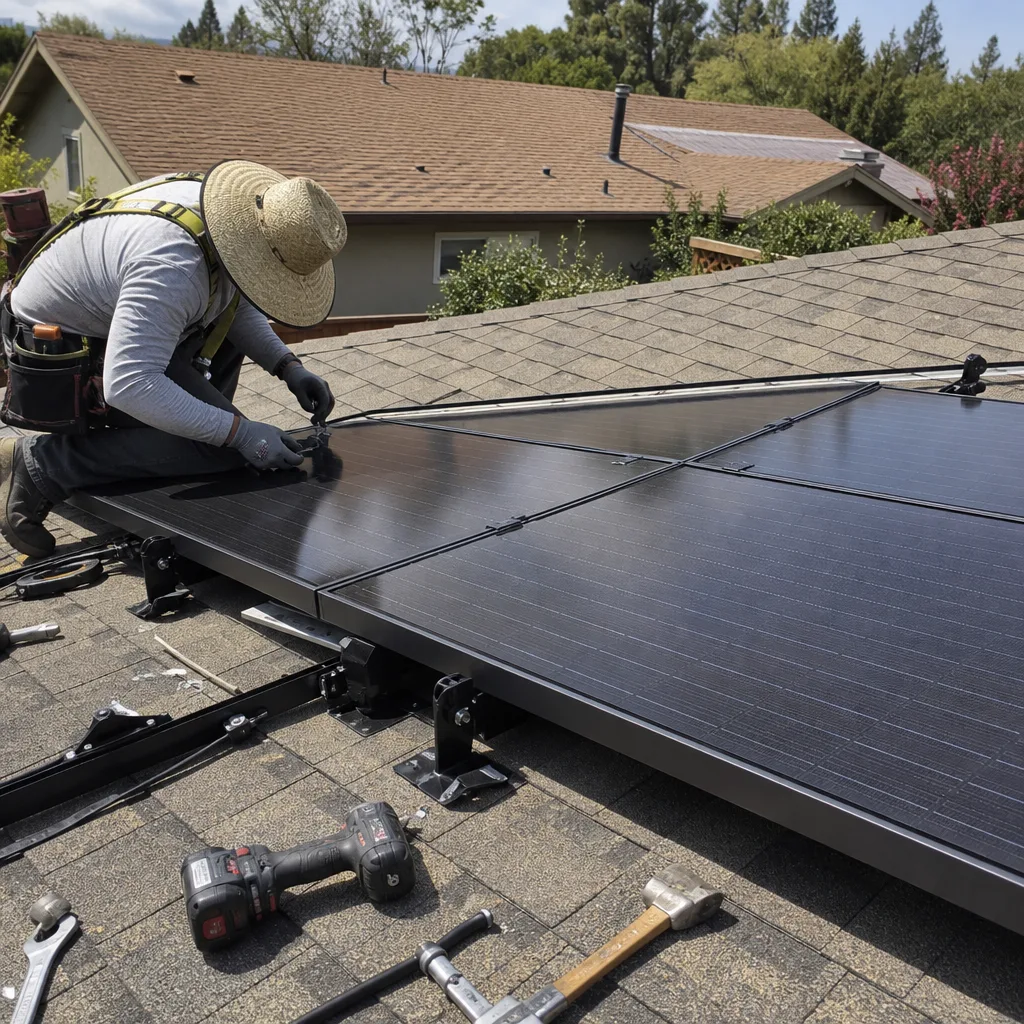
A commercial roof in Big Bear City is not the same animal as a commercial roof in the valley. The 1950s-through-1980s building stock up here includes a lot of wood-framed warehouses and lodge-style retail buildings whose rafters were never meant to carry a 100+ psf ground snow load plus a solar array. Our Commercial Solar Installation team starts every rooftop job with a structural assessment, not a sales pitch. If the rafters need reinforcement, we tell you before you sign anything, and that cost goes in the first quote. No surprises later.
Warehouse & Industrial Solar
On a warehouse retrofit near the 92314 corridor, our crew installed a 120 kW rooftop array using SolarEdge inverters with module-level rapid shutdown and a tilt-and-rail system built to shed the 100+ psf snow load, after we reinforced the aging rafters to meet county engineering. The system now offsets 92% of the building’s kWh load, with a production estimate that holds above 95% even after February drift cycles. That’s the kind of number we can show you for your own roof, based on your own meter data.
Commercial Battery Storage
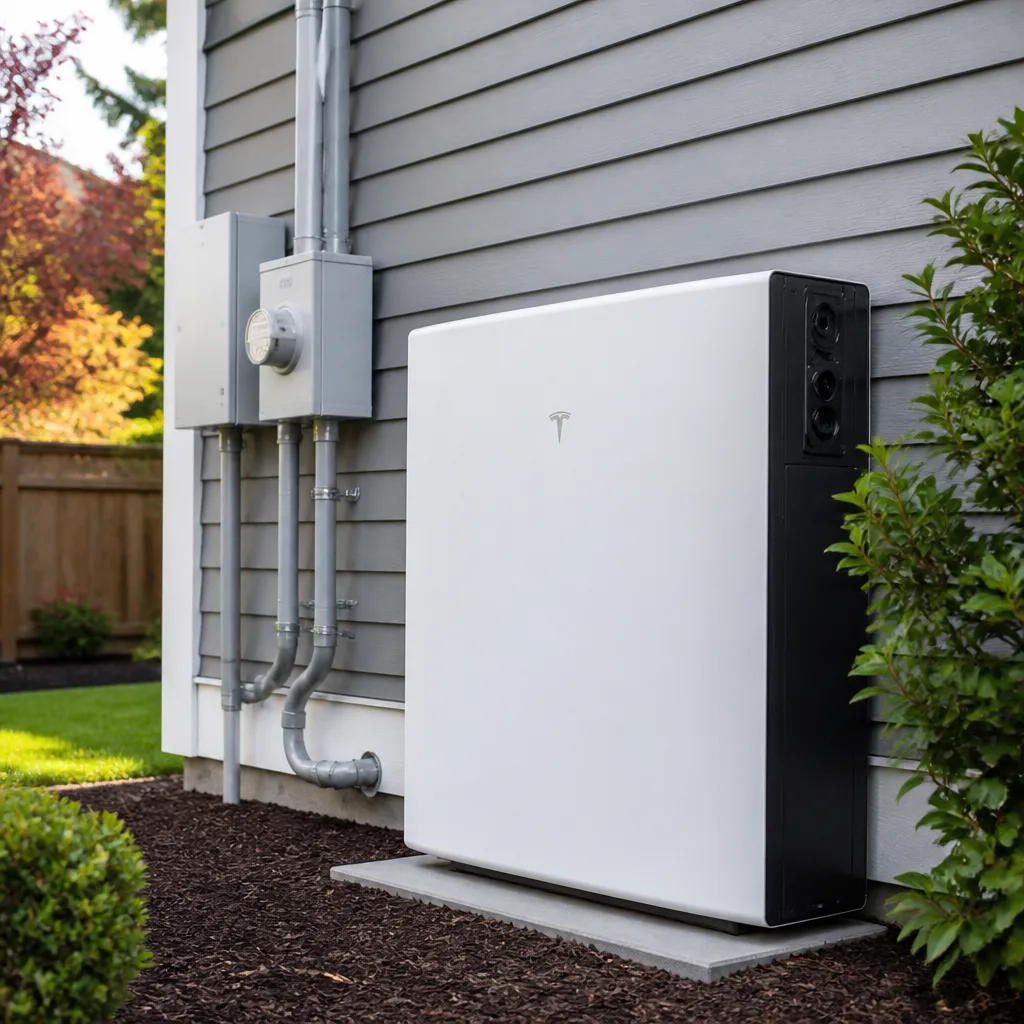
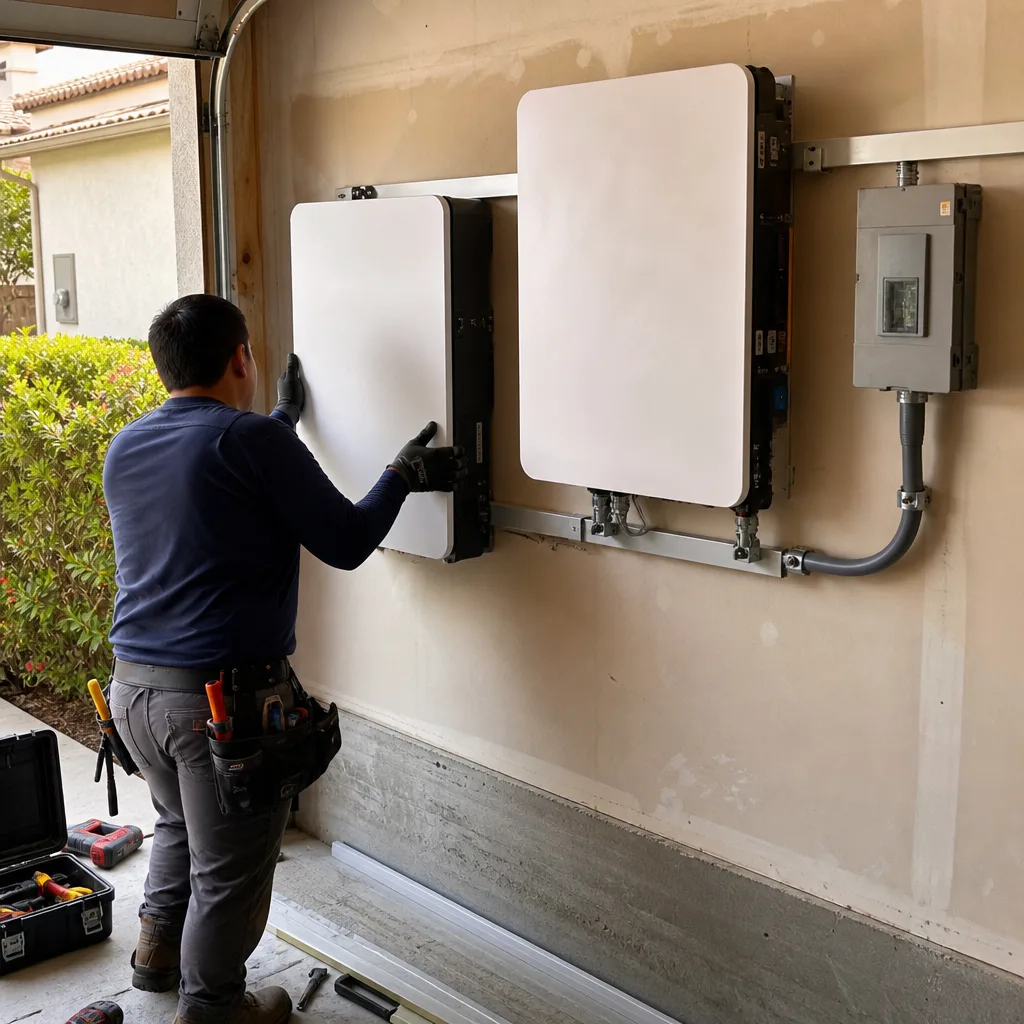
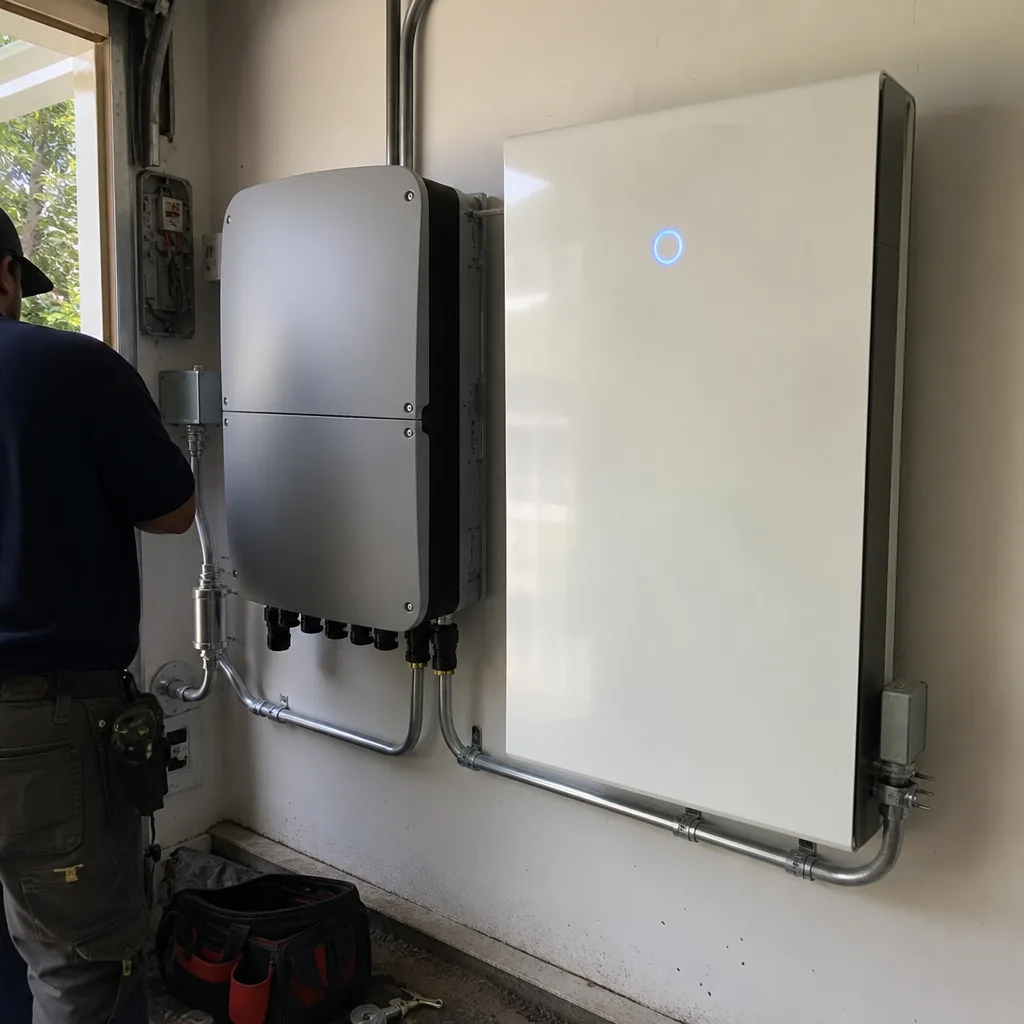
Battery storage does more up here than back up the lights. Many Big Bear City businesses run on propane heat, and propane trucked up Highway 18 costs $5 to $6 a gallon. Pair a commercial solar array with battery storage and a heat-pump conversion, and you’re no longer writing that propane check. The savings from displaced propane alone can shorten a payback period by years, and it’s an argument that means nothing to a solar company that has never spent a winter up here. For restaurants, lodges, and retail shops that lose power during heavy snow events, FranklinWH and Tesla Powerpack systems keep the doors open.
Commercial Solar Maintenance
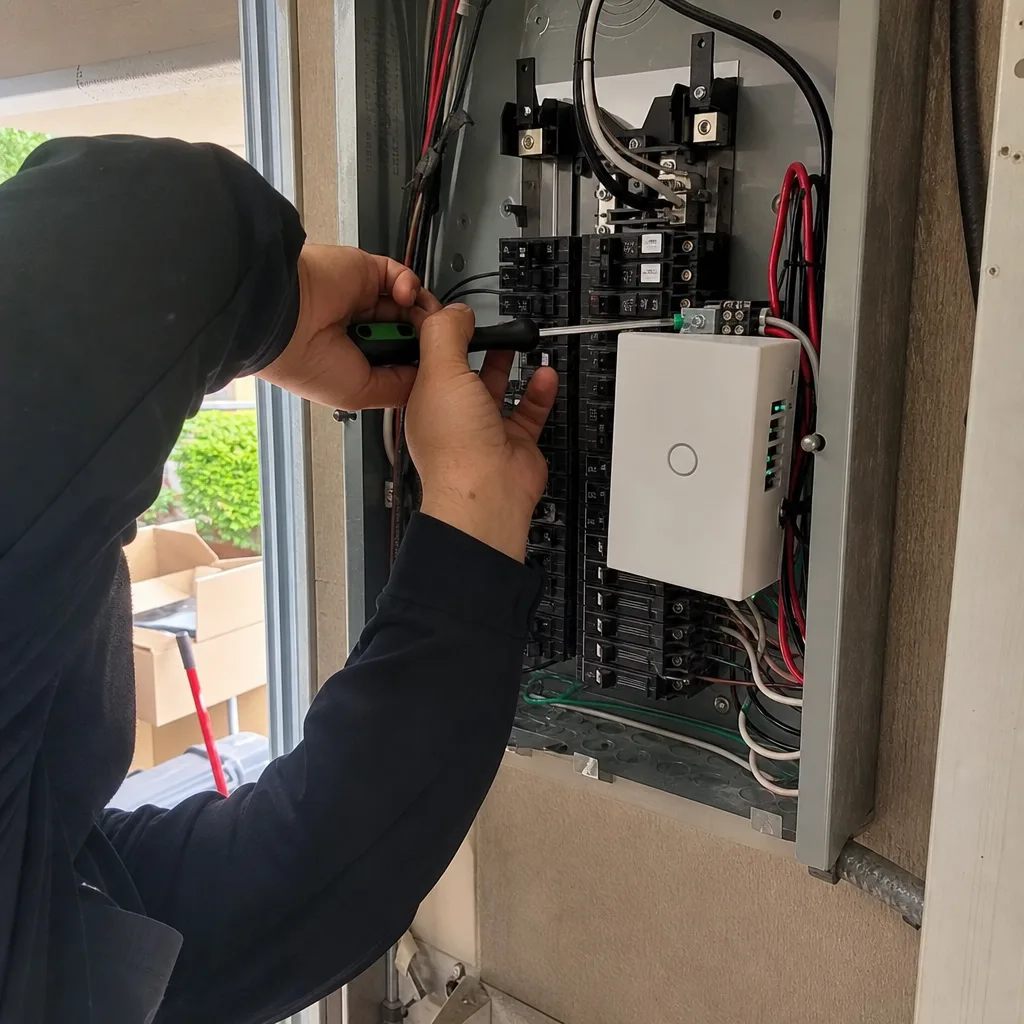
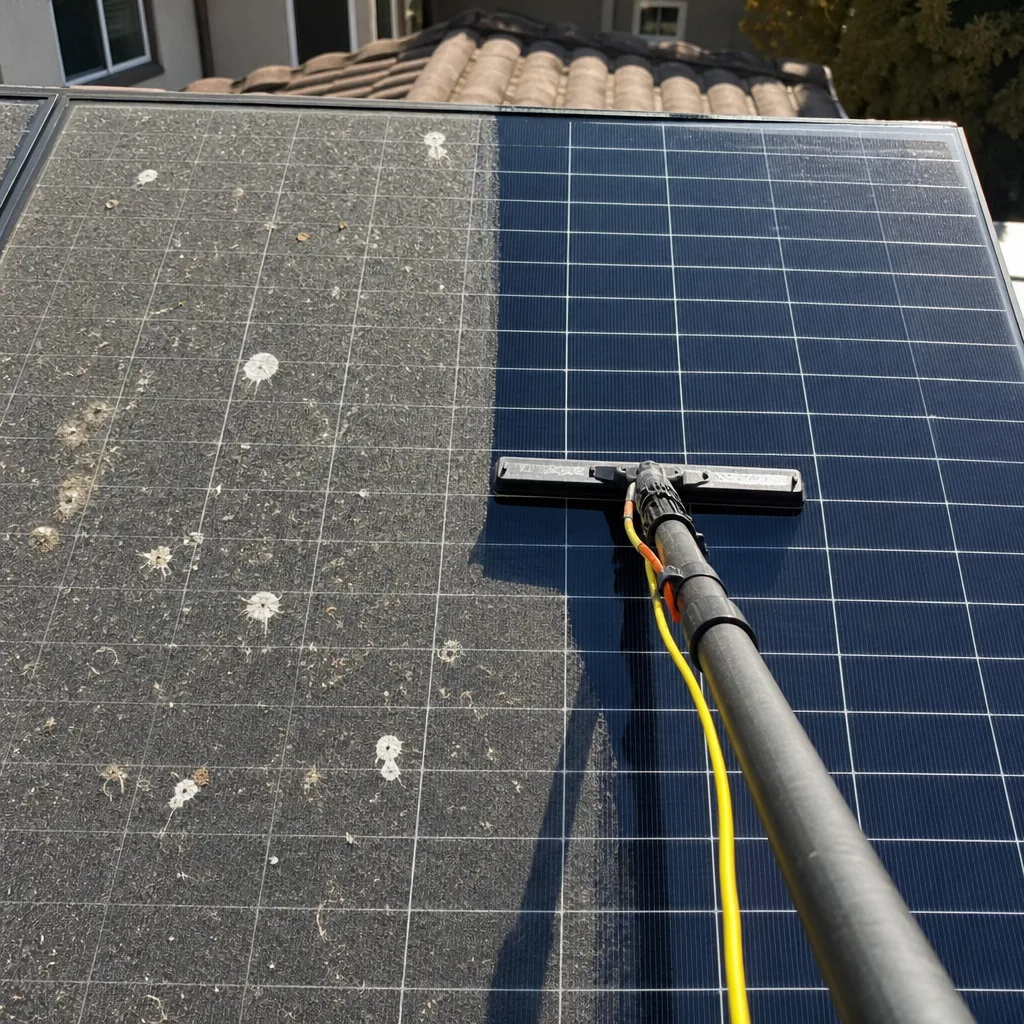
Snow and ice do things to racking and flashing that most SoCal maintenance plans never account for. Freeze-thaw cycles work sealants loose. Drifted snow buries inverters and disconnect switches for weeks. We service what we install, and we also take over maintenance on systems other companies abandoned. If your Big Bear City array has been underproducing and your original installer won’t answer the phone, call us. We’ll send someone up with a meter and a plan.
What happens when you call
- 1
A real person answersNo phone trees - you reach a local pro.
- 2
You get an upfront price rangeHonest numbers before anyone is dispatched.
- 3
A background-checked tech heads outLicensed & insured, dispatched right away.
- 4
You approve before work beginsNothing starts until you say go.
Trusted Brands We Service in Big Bear City
We install and service equipment from Qcells, SunPower, and Panasonic, and we design around SolarEdge and Enphase electronics. The important thing for Big Bear City isn’t just the brand name, it’s the configuration. Qcells panels paired with SolarEdge inverters and a properly engineered racking system will outperform a pricier panel on the wrong tilt every single winter. We stock common replacement parts for the brands we install, so a failed optimizer or a cracked panel doesn’t mean waiting two weeks for a truck from down the hill.
Common Commercial Solar Installation Problems We See in Big Bear City
- Racking sized for valley snow loads. Standard Southern California racking fails under Big Bear City’s 100+ psf snow load, causing array collapse or roof leaks at flashing points. If a quote doesn’t show the snow-load calculation, walk away.
- Low-tilt arrays that hold snow for weeks. Panels installed at shallow angles gather snow and produce near-zero kWh while drift blocks access to inverters and disconnect switches. Panel tilt here is a design decision, not an afterthought.
- Propane-displacement math that never got done. Commercial buildings that skip battery storage and heat-pump integration lose the $5 to $6 per gallon displacement argument, which pushes the solar payback period years longer than it should be. A valley installer won’t even bring it up.
- Flashing and sealant failures from hard freeze cycles. Big Bear City’s repeated freeze-thaw cycles degrade improperly seated flashing and sealants faster than anywhere else in the county. We see leaks at mounting points on systems that are only three or four years old, and most of them were installed by crews who didn’t know what 6,750 feet would do to a sealant bead.
Pricing for Commercial Solar Installation in Big Bear City, CA
Here are straight numbers for Big Bear City’s market. A small commercial rooftop system in the 25 to 40 kW range on a retail or office building typically runs $55,000 to $110,000 before incentives. A mid-size rooftop array in the 60 to 100 kW range lands between $150,000 and $275,000, with warehouse reinforcement adding $15,000 to $40,000 depending on the existing rafters. Solar carport installations run $3.00 to $3.75 per watt due to foundation work and the county’s snow-load engineering requirements on freestanding structures. Ground-mount agricultural arrays start around $180,000 for a 75 kW system, plus site grading and trenching. Every quote includes the full structural review, the racking upgrade for mountain loads, and the year-25 production estimate. No signature wanted tonight. Take two weeks. Think about it. The price will be the same.
We Also Serve Cities Near Big Bear City
Our commercial crews work throughout the mountain communities and down into the foothills. We’re regularly on job sites in Big Bear Lake, Lucerne Valley, Yucaipa, and Mentone, and we know the county permitting differences between each one. If your business sits on the edge of Big Bear City proper or one valley over, call and ask. Chances are we’re already working in your ZIP code.
Serving Big Bear City, CA - Our Local Coverage Area
We’re based in the Big Bear City area and know this community well. Use the map below to see our service coverage - if you’re nearby, we can almost certainly help.
FAQs - Commercial Solar Installation in Big Bear City
Yes. San Bernardino County enforces snow-load requirements of 100+ psf ground snow load for Big Bear City, and that means commercial racking must be engineered specifically for those loads. Standard racking rated for valley snow loads will not pass the structural review, and using it risks array collapse under a heavy Sierra-style winter. Any reputable installer in the 92314 area will show you the snow-load calculation as part of the permit package.
Snow coverage is the main reason. Big Bear City gets significant annual snowfall that blankets panels for days or weeks at a stretch, and a flat or low-tilt array will hold that snow far longer than a properly tilted one. The altitude and cold temperatures actually help panel efficiency, which is why a steep-tilt array that sheds snow will produce strong winter numbers, but design decisions on tilt and array placement relative to prevailing drift patterns determine whether your system produces in February or sits frozen under a foot of snow. Call (877) 550-6892 if your existing array is underproducing in winter, and we’ll tell you whether the tilt or the racking is the problem.
Sometimes, but not during winter months. Big Bear City’s high solar irradiance and cool temperatures mean your array will overproduce in spring and summer, building net metering credits that offset fall and winter consumption. However, weeks of snow cover will temporarily zero out production, so most commercial customers pair solar with battery storage to ride through those gaps. The combination of solar, battery, and heat-pump integration is what gets most Big Bear City businesses to a near-zero annual electric bill, not solar alone. For an exact calculation based on your meter data, bring us a bill and we’ll bring you the math.
Very often, yes. Much of Big Bear City’s commercial building stock was built between the 1950s and 1980s, and many rooftops were framed for a snow load, but not for snow plus the added weight of a solar array and its racking. The county requires a structural engineering review, and if the rafters don’t pass, reinforcement is mandatory before installation proceeds. We’re upfront about that cost in the first quote, which is more than you’ll get from a company that prices the job before they’ve ever looked at a rafter.
Dramatically. Propane trucked up Highway 18 runs $5 to $6 a gallon, and many Big Bear City businesses burn thousands of gallons a year on heat and hot water. If you pair your commercial solar array with battery storage and a heat-pump conversion, the amount of propane you stop buying gets folded into the savings calculation. That shortens payback periods by years compared to the same array on a valley business that runs on natural gas, and it’s a number a flatland solar company never even asks about. Call (877) 550-6892 and ask Gus to run the propane numbers alongside the electric numbers. Estimates are free.
Get a Straight Answer on Commercial Solar in Big Bear City
If a salesman needs an answer tonight, the answer is no. That’s the rule Gus runs by, and it’s the rule you should run by too. Bring us a bill, give us access to the roof, and we’ll come back with a price that includes the engineering, the racking, the reinforcement if the building needs it, and the year-25 production estimate. Then take two weeks. The price won’t change. Call (877) 550-6892 for a free estimate, or ask for Gus directly. A live person answers, day or night.
Written by Gus Petrakis, Owner at Gus’s Solar, serving Big Bear City and the surrounding mountain communities since 2011.