

Free bill analysis - bring a power bill, get the production math for your actual roof, panel brands like Qcells and REC compared side by side
If the pitch starts at your door and ends with "sign tonight for the special," sleep on it. The sun will still be there tomorrow; so will we.

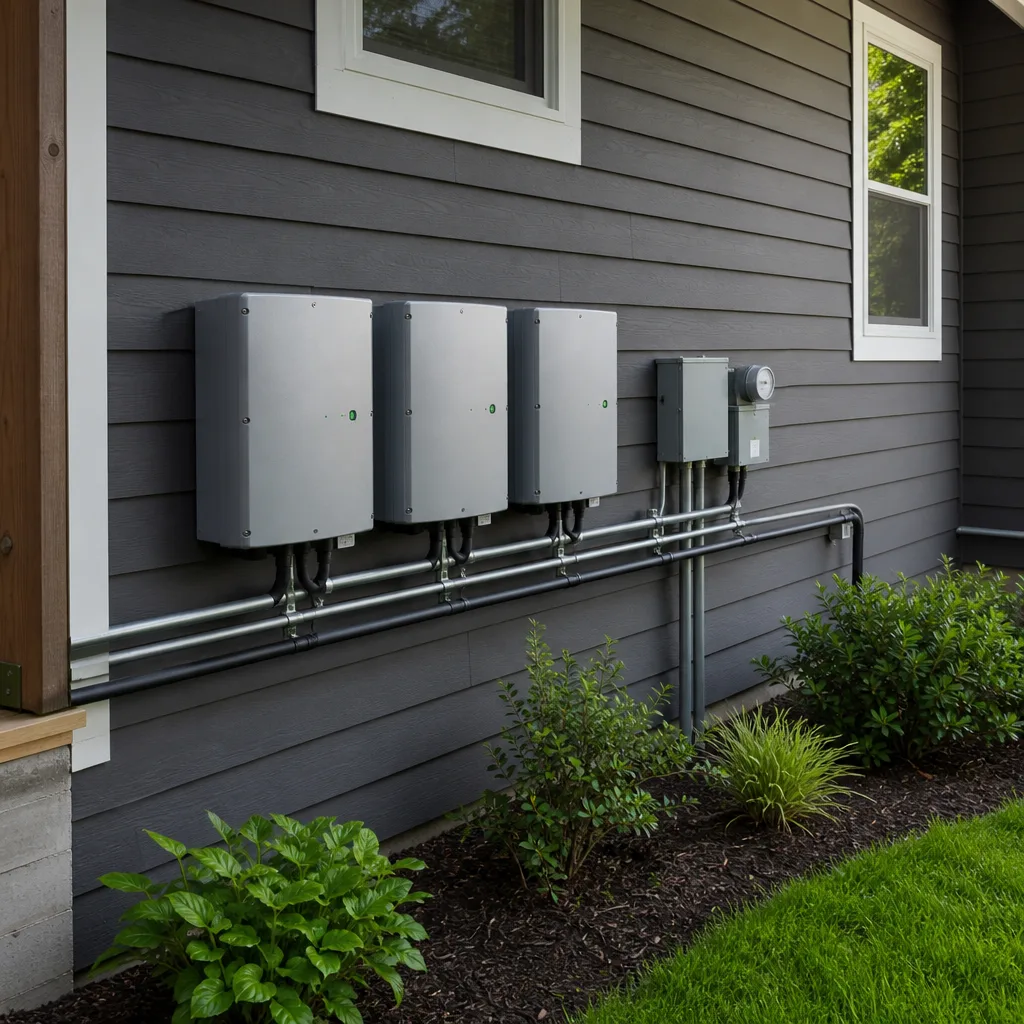
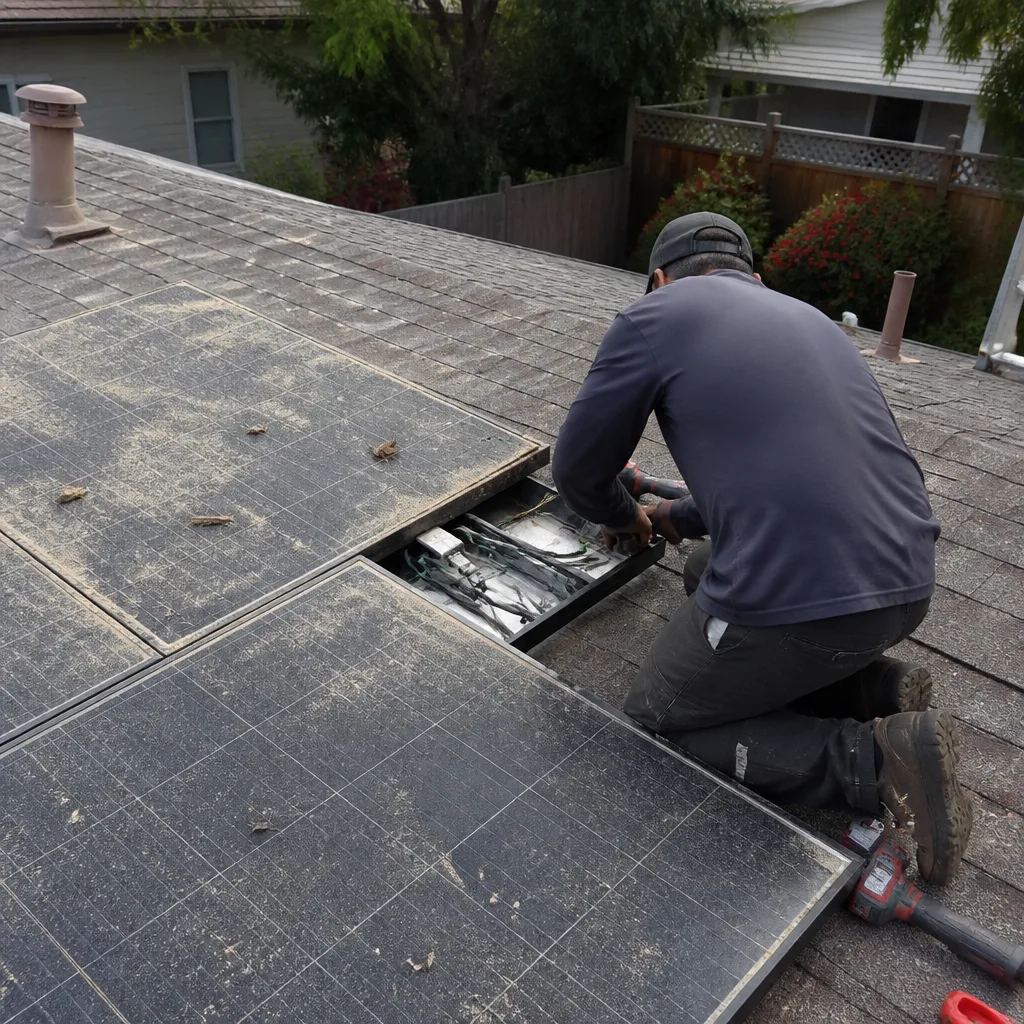 Before
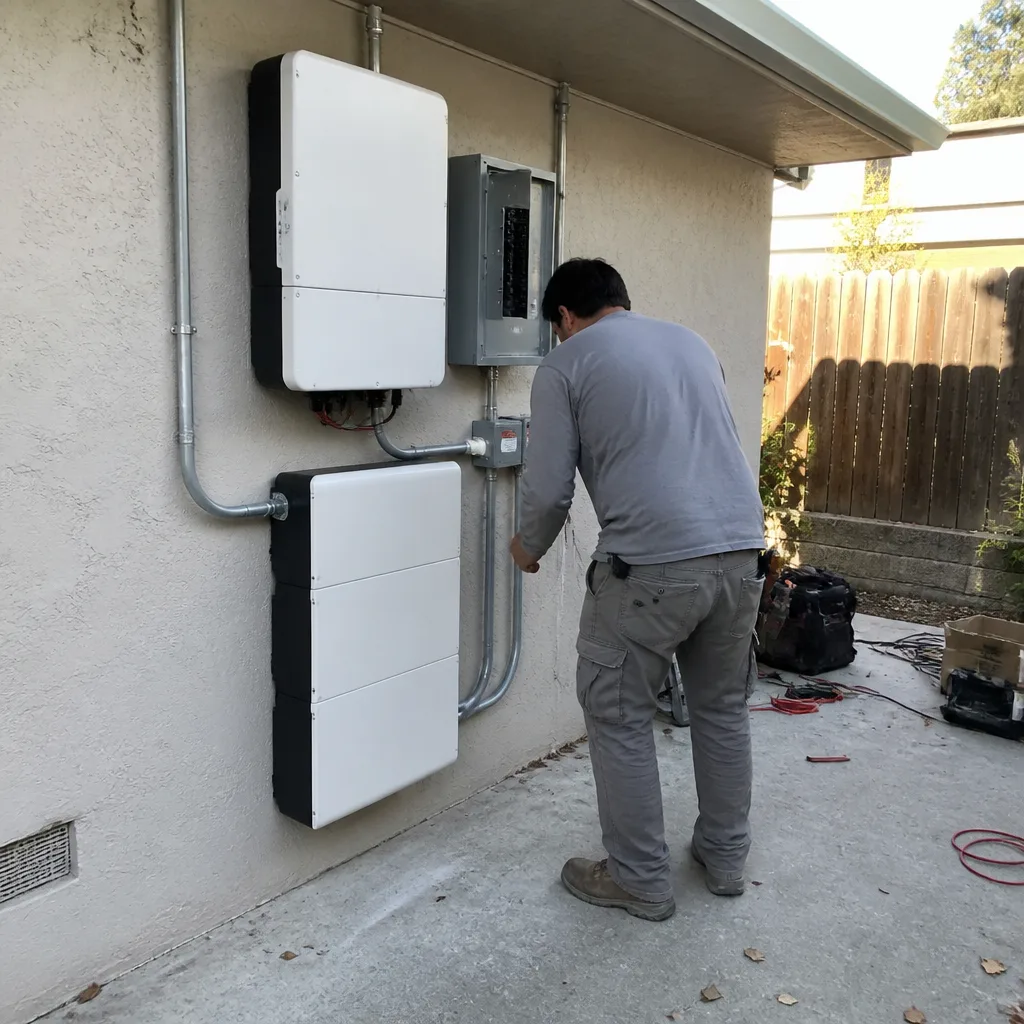 After
After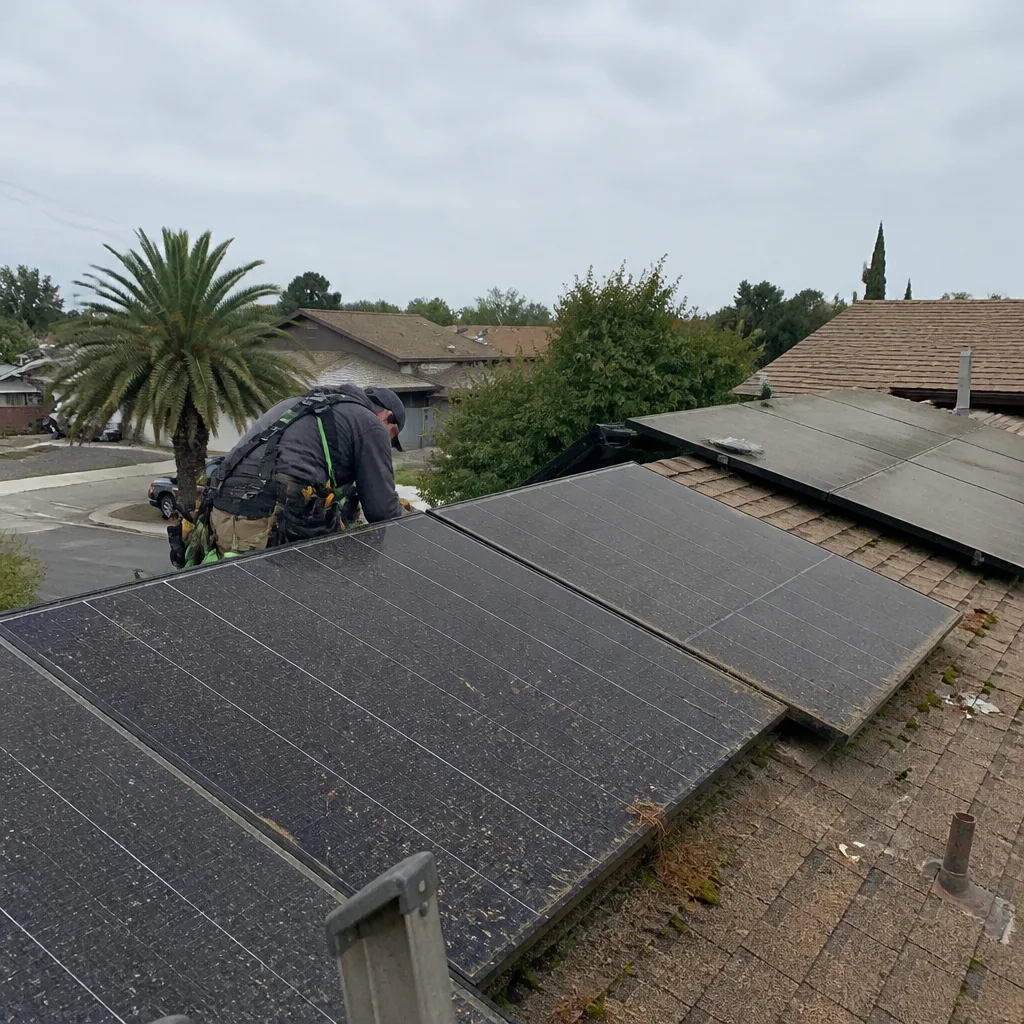 Before
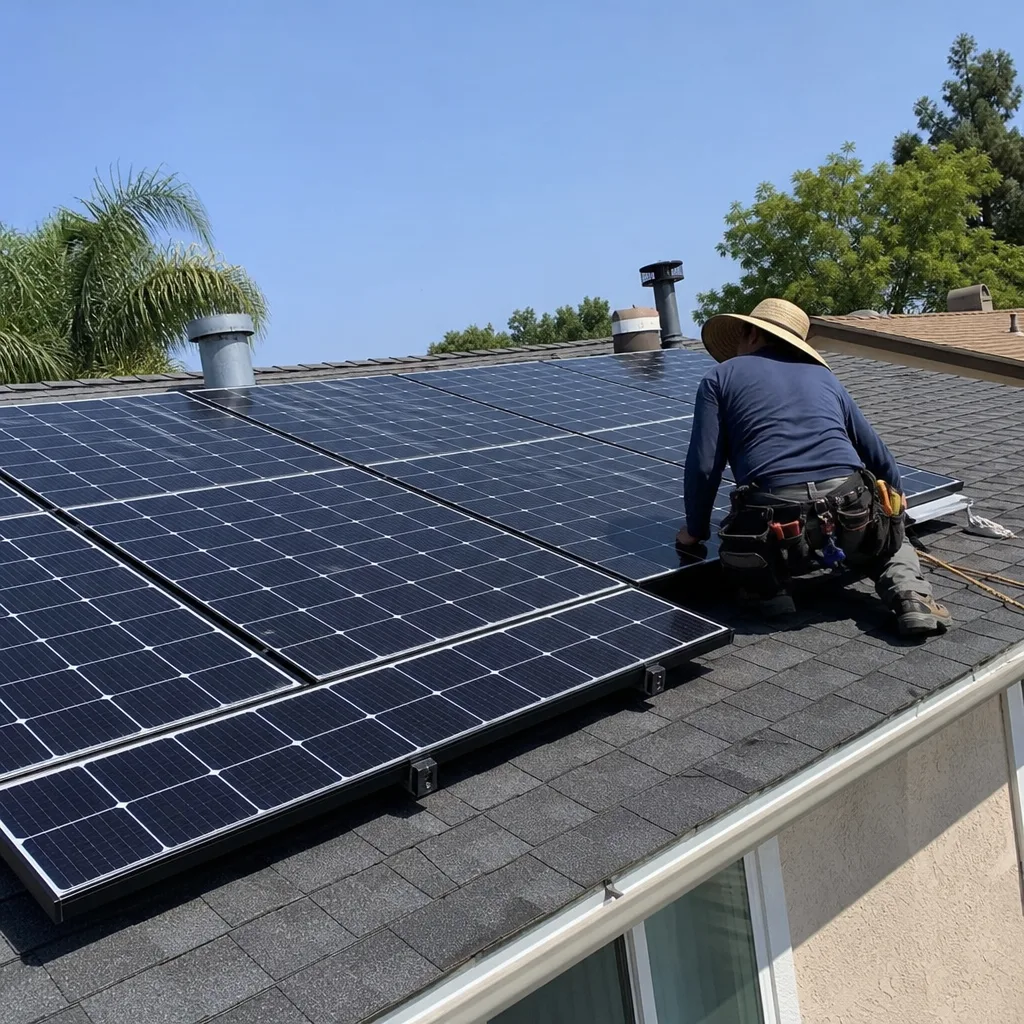 After
After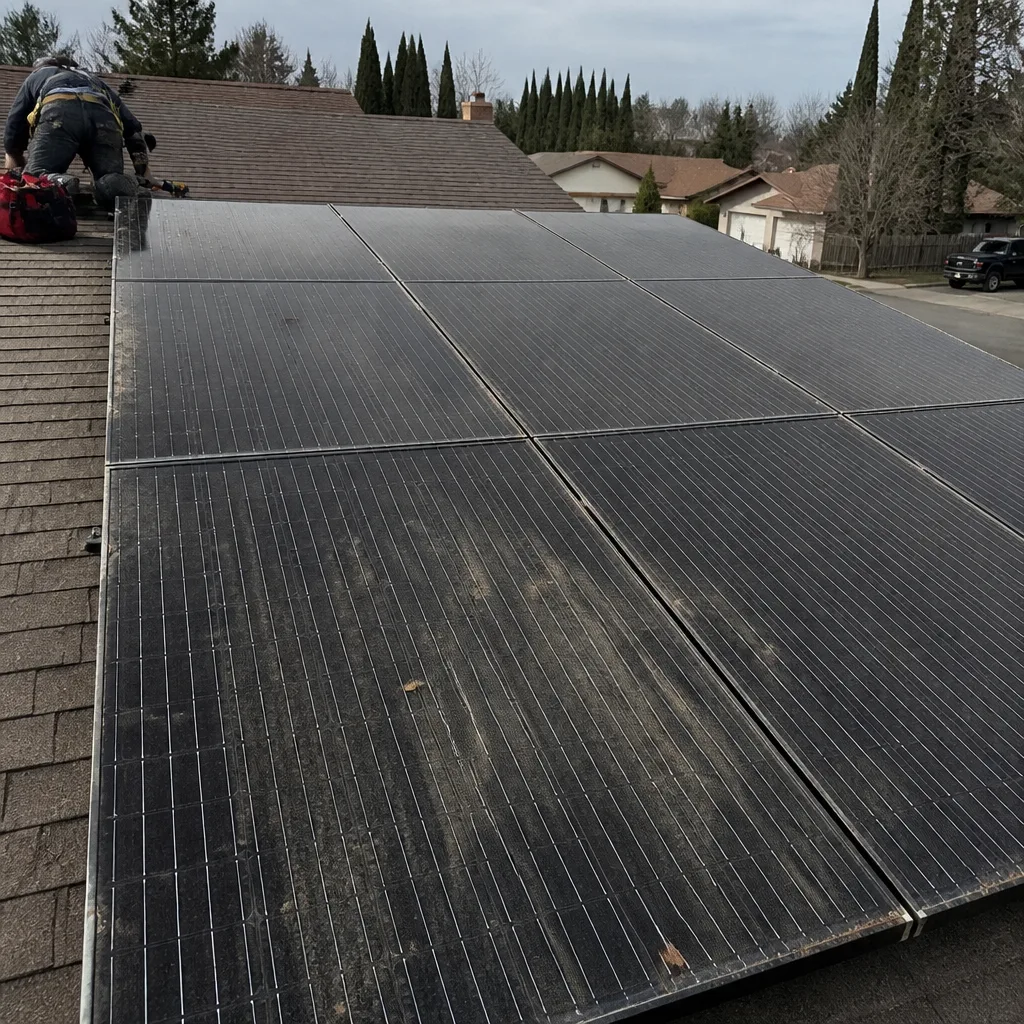 Before
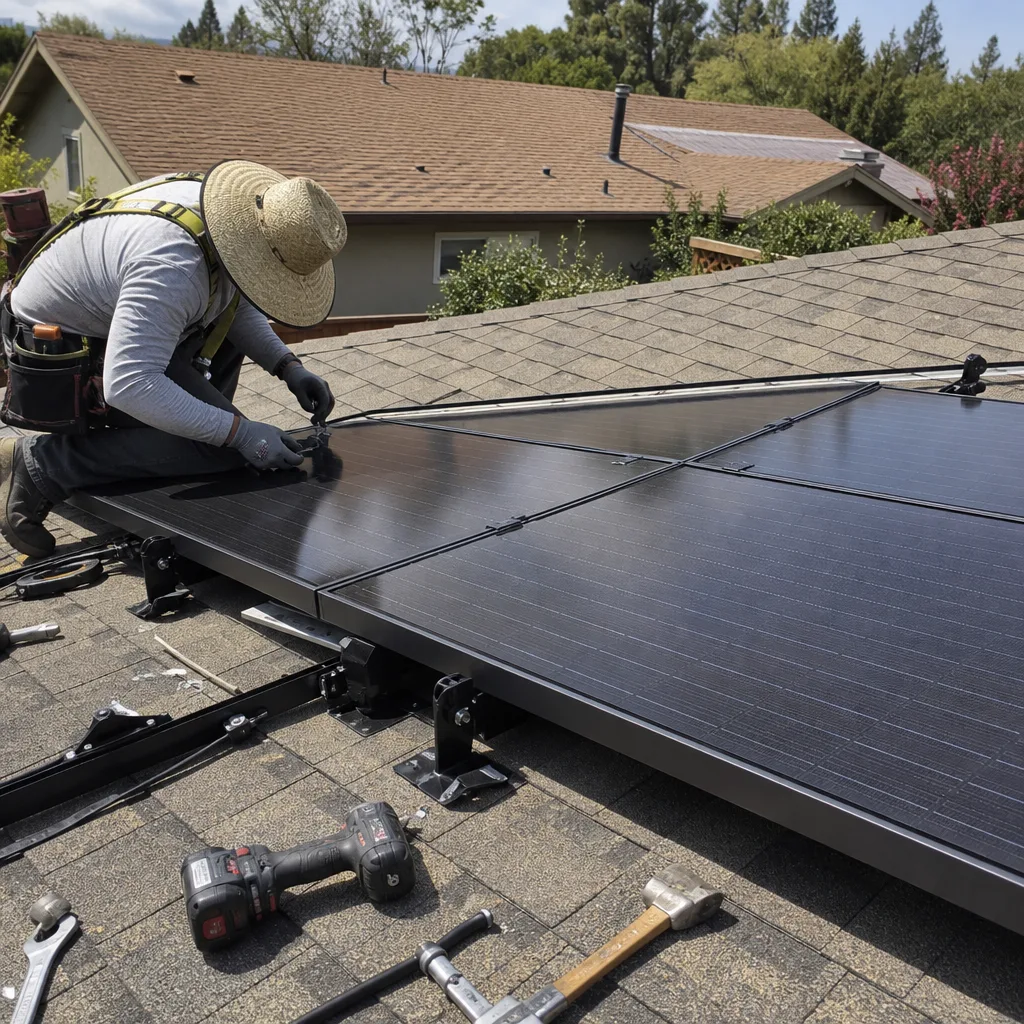 After
AfterFast, Reliable Solar Panel Maintenance & Monitoring Across Plumas Lake
Most solar panel maintenance and monitoring calls in Plumas Lake come down to one thing: a system that was installed during the mid-2000s housing boom, wired into a 100-amp panel, and never touched again. If your production numbers look wrong or the monitoring app stopped updating, call Gus’s Solar at (877) 550-6892. We serve Plumas Lake homeowners who want a straight answer about what their system is actually producing, not a sales pitch for a replacement they might not need. Gus Petrakis has been running this shop since 2011, and the crew knows the exact housing stock, electrical panels, and weather patterns that shape solar performance here in Yuba County.
Why Gus’s Solar Is Plumas Lake’s Preferred Solar Panel Maintenance & Monitoring Company
Plumas Lake is not a place where you want to gamble on an out-of-area contractor. Nearly every home here was built between 2003 and 2008, which means nearly every home has the same electrical infrastructure, the same roof orientation, and the same monitoring headaches. Gus’s crew has worked on enough of these houses to know what they will find before the ladder goes up. Plumas Lake homeowners call us because we answer the phone with a live person, not a voicemail, and because the person quoting the work is the same person who owns the company. Our customers in the 95992 zip code tend to say the same thing: the price quoted is the price paid, and nobody asks for a signature tonight.
We take a different approach than the big national outfits. We tell Plumas Lake homeowners to take two weeks to think about any recommendation we make. Bring me a bill, I’ll bring you the math. That is how Gus runs every estimate, including maintenance and monitoring jobs. No pressure. No overnight deadlines. If a salesman needs an answer tonight, the answer is no.
Our Solar Panel Maintenance & Monitoring Services in Plumas Lake
Our full Solar Panel Maintenance & Monitoring service line covers everything from a one-time diagnostic visit to a year-round preventive plan. Here is what matters most for homes in Plumas Lake specifically.
Production Monitoring Setup
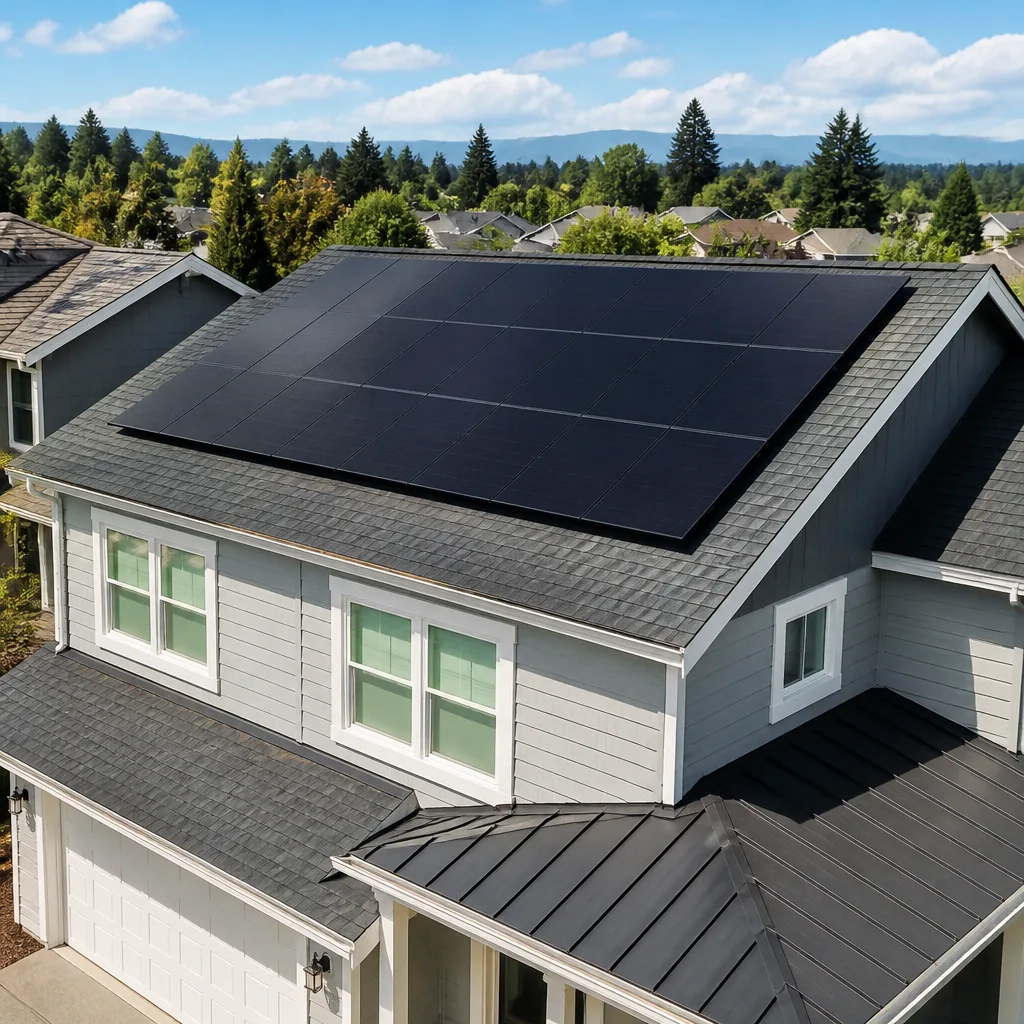
Most Plumas Lake systems have the monitoring hardware but never got the full setup done right. The inverter reports total output, maybe, but the per-panel data is missing or the consumption CTs were never installed. On the master-planned street grid here, south- and west-facing roof planes generate most of the power, and without panel-level monitoring you cannot tell if the west array is underperforming while the south array carries the load. Gus’s crew sets up true production monitoring so you can see per-panel kWh output in the app, and we verify the numbers against your actual PG&E bill. This matters more in Plumas Lake than in older cities because the housing stock is so uniform, and a monitoring setup that works across a mid-2000s 100-amp panel is not the same job as one on a newer 200-amp service.
Underperformance Diagnostics
When a Plumas Lake system drops 15 to 20 percent on the true-up statement, the cause is rarely dirty panels. We dig into inverter logs, string voltages, and firmware versions. A lot of what we find is specific to this area: July heat pushing a 100-amp Square D or Siemens load center past its limit while the AC and inverter both draw peak current, which trips the monitoring circuit and erases production data for days at a time. Or December tule fog cutting winter output so sharply that homeowners think the panels failed. Our Plumas Lake diagnostic work starts with the data, then moves to the roof, then to the panel. That order saves you money.
Preventive Maintenance Plans
Gus’s annual maintenance plans for Plumas Lake homes cover what this specific housing stock actually needs: torque checks on all connections, infrared scanning for hot spots, monitoring system calibration, and seasonal yield baseline adjustments. The last one matters here. A solar array that looks underperforming in February might be tracking exactly where it should be given the fog season. A preventive plan that does not include seasonal baseline work will chase phantom faults all winter and bill you for the privilege. Gus’s plan is built around Yuba County weather patterns, not a generic checklist.
Annual System Inspection
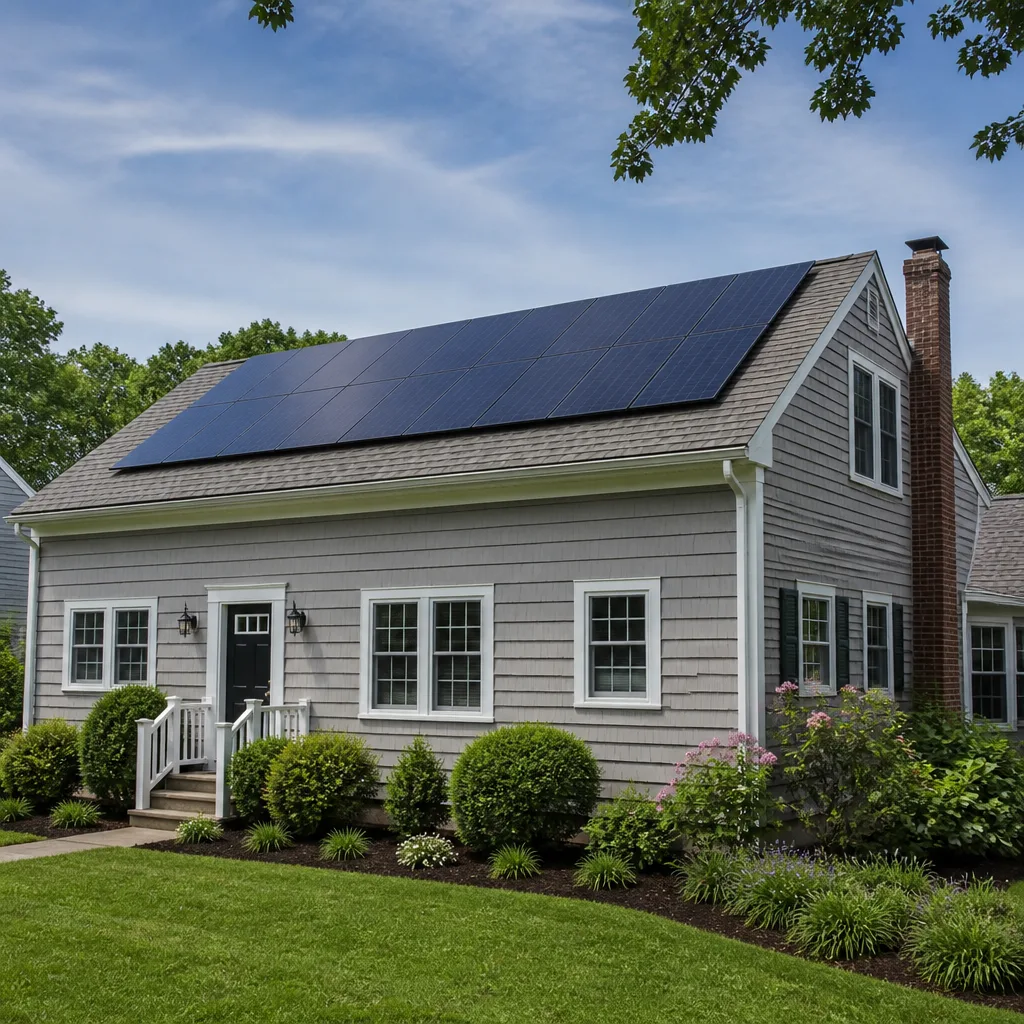
Every mid-2000s home in Plumas Lake should get an annual inverter and panel inspection. Roof penetrations from the original install are now 15 to 20 years old. The composition shingle roofs have held up well, but the flashing and sealant around the racking feet do not last forever. We inspect every penetration point, check for arc faults, test rapid shutdown compliance, and document everything with photos. If a warranty claim ever comes up, you will have the records to back it.
What happens when you call
- 1
A real person answersNo phone trees - you reach a local pro.
- 2
You get an upfront price rangeHonest numbers before anyone is dispatched.
- 3
A background-checked tech heads outLicensed & insured, dispatched right away.
- 4
You approve before work beginsNothing starts until you say go.
Trusted Brands We Service in Plumas Lake
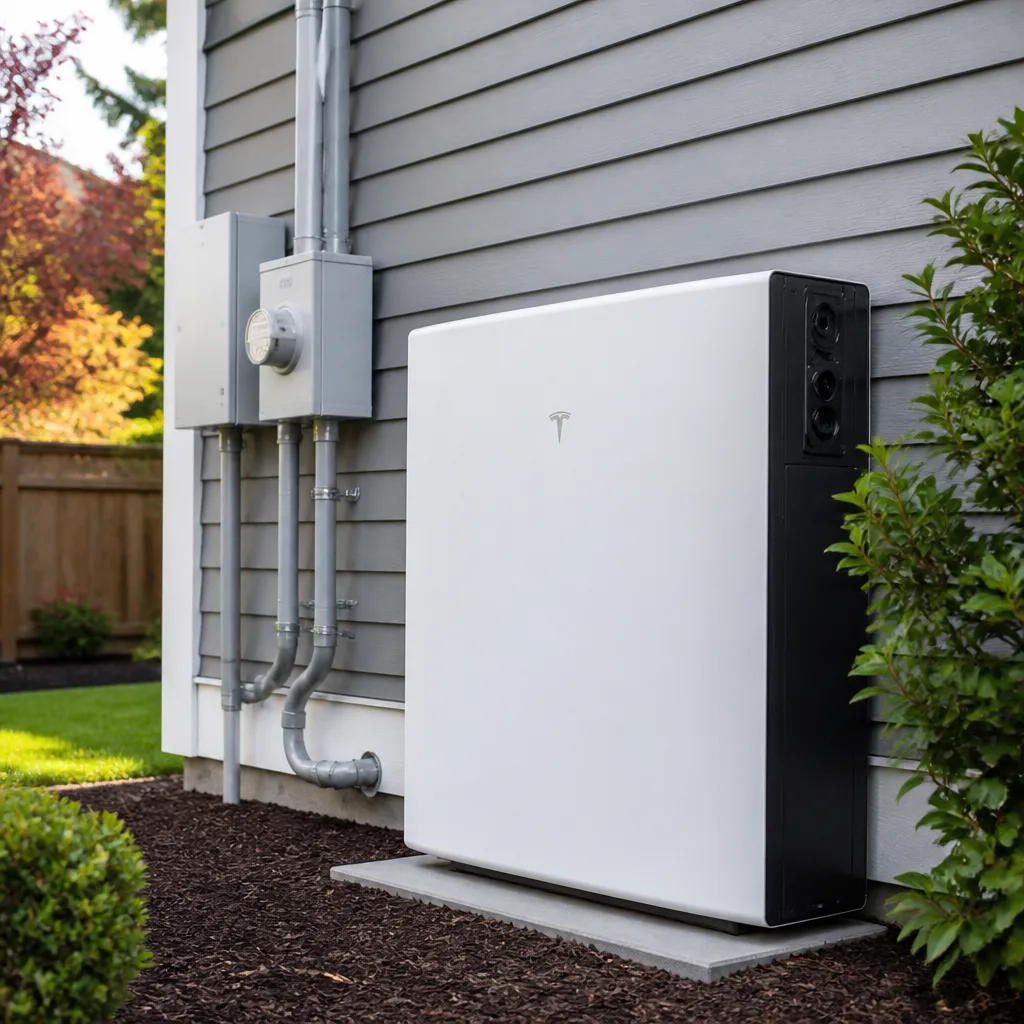
Gus’s crew works on Enphase, Tesla, and SolarEdge systems every week in Plumas Lake, plus the full range of panel brands installed during the 2003-2008 build window. Because so many homes here used the same equipment, we keep common monitoring components and inverter parts stocked for fast turnaround. You will not wait two weeks for a CT sensor or a firmware update while some out-of-area shop orders the part. If it is a common failure on a mid-2000s Yuba County install, we have probably already fixed it this month.
Common Solar Panel Maintenance & Monitoring Problems We See in Plumas Lake Homes
- July load-center trips wiping out monitoring data. The original 100-amp Square D or Siemens panels from 2003-2008 cannot handle peak AC draw plus inverter output plus monitoring hardware all at once. The monitoring circuit trips silently, and your production history has gaps you never noticed until true-up.
- Tule fog making winter output look like a panel failure. December through February, the valley fog cuts production sharply. Without a seasonal baseline, even good techs will chase phantom underperformance faults. We build the fog factor into every diagnostic we run in Plumas Lake.
- Rapid shutdown errors that are not a panel problem at all. Uniform roof planes and minimal obstruction mean the system works fine until the inverter firmware or rapid shutdown module gets out of sync. A true-up shortfall of 15 percent is often a firmware mismatch, not a failing panel.
- Ground faults on 2005-2007 Tesla and SolarEdge inverters. We have seen a pattern on homes off River Oaks Boulevard and the eastern subdivisions: the original inverter throws repeated ground-fault alerts, and the root cause is the undersized load center, not the inverter itself.
Pricing for Solar Panel Maintenance & Monitoring in Plumas Lake, CA
We Also Serve Cities Near Plumas Lake
Gus’s Solar handles maintenance and monitoring across the southern Yuba County area, including Yuba City, Linda, Olivehurst, and South Yuba City. If you are in one of those communities and your monitoring app has gone dark or your true-up bill surprised you, our crew can be out the same week. The same owner, the same crew, and the same straight answers apply no matter which side of the county line you are on.
Serving Plumas Lake, CA - Our Local Coverage Area
We’re based in the Plumas Lake area and know this community well. Use the map below to see our service coverage - if you’re nearby, we can almost certainly help.
FAQs - Solar Panel Maintenance & Monitoring in Plumas Lake
Plumas Lake sits in the Sacramento Valley tule fog zone, and that fog can cut December-February production by 50 percent or more compared to July. Your panels are not failing; the sun is simply not reaching them. We build seasonal yield baselines into our monitoring setup so you can see the difference between fog-related dips and a real equipment fault. If your true-up statement looks off, call (877) 550-6892 and we will pull the data before we recommend any repairs.
In most cases, no. The 100-amp Square D and Siemens load centers installed throughout Plumas Lake during the 2003-2008 build window do not have the headroom for the additional consumption CTs that accurate monitoring requires. We have seen the monitoring circuit trip repeatedly in July when the AC and inverter both pull peak current. The fix is a 200-amp panel upgrade, which we quote plainly and can usually complete in a day or two. Call us for a straight answer on whether your particular panel can support monitoring as-is.
You compare your per-panel production data against a seasonal baseline, not against a brochure number. Panels from the mid-2000s typically degrade at about 0.5 to 0.7 percent per year, but tule fog and July heat make raw monthly totals swing wildly. Gus’s crew sets up per-panel monitoring and compares your numbers against the expected curve for Yuba County weather, so we can tell you within a year or two whether degradation is normal or accelerated. Call (877) 550-6892 and we will run the comparison on your system.
Yes. Your net metering plan determines how PG&E credits your exported production, which changes the math on whether underperformance actually costs you money. Under the newer net billing structures, a 10 percent production shortfall hits differently than it did on the old NEM 1.0 and NEM 2.0 plans. Gus reviews your actual utility bill and current export rates before recommending any monitoring changes or repairs, so you are not spending money to chase a shortfall that does not matter on your rate plan. Call for a free evaluation.
On most Plumas Lake homes we see, it is neither. It is usually a firmware mismatch between the inverter and the rapid shutdown modules, which is common on mid-2000s installs that never got a firmware update. In some cases the 100-amp load center compounds the issue by dropping voltage to the inverter under heavy summer load. We run the inverter logs first, then test the rapid shutdown circuit, then check the panel. That sequence solves most of these jobs in one visit. Call (877) 550-6892 and we will walk through what your inverter is actually reporting.
Key Takeaways
- Plumas Lake’s mid-2000s housing stock means 100-amp panels are the most common limiting factor for monitoring and inverter upgrades.
- Tule fog from December through February causes apparent underperformance that is not a panel fault.
- Per-panel monitoring setup runs $350-$650 on most Plumas Lake systems.
- If your monitoring data has gaps during July, your load center is probably tripping the monitoring circuit.
- Gus’s Solar answers the phone 24/7 with a live person, and every quote is built off your actual utility bill.
Call Gus’s Solar for Straight Answers in Plumas Lake
If your solar monitoring has gone quiet, your true-up bill surprised you, or you just want to know whether your mid-2000s system is still performing, call Gus’s Solar at (877) 550-6892. We will send our own crew, not a subcontractor. We will quote you a real number and tell you to take two weeks to think about it. The price will be the same. Gus Petrakis put his name on this business in 2011, and he still answers his own phone. That is the difference in Plumas Lake, and it is the reason families here call us back for every service issue and every upgrade.
Written by Gus Petrakis, Owner at Gus’s Solar, serving Plumas Lake and Yuba County with Solar Panel Maintenance & Monitoring since 2011.