

Free bill analysis - bring a power bill, get the production math for your actual roof, panel brands like Qcells and REC compared side by side
If the pitch starts at your door and ends with "sign tonight for the special," sleep on it. The sun will still be there tomorrow; so will we.

 Before
 After
After Before
 After
After Before
 After
AfterFast, Reliable Solar Panel Maintenance & Monitoring Across Nipomo
Solar panel maintenance and monitoring in Nipomo keeps your system producing the kilowatt-hours you were promised, not the ones the fog allows. Around here, the dune-fed marine layer cuts into morning production from May through October in ways that a generic SLO County maintenance checklist misses entirely. We fix that. Gus Petrakis and his crew monitor Nipomo systems against Mesa-specific irradiance data, not county-wide averages, so when your array underperforms we know whether it’s the fog, the firmware, or a failing microinverter. If your system is drifting off its projected output, call (877) 550-6892 and we’ll tell you honestly what’s going on.
Key Takeaways for Nipomo Homeowners:
- Summer fog from the Guadalupe-Nipomo Dunes suppresses morning production here more than any other part of SLO County
- A typical annual inspection in Nipomo runs $149-$249; full diagnostics with firmware updates run $250-$450
- Underperformance diagnostics are the most common service we perform on the Mesa, especially for systems installed before 2015
- Gus’s Solar answers the phone 24/7 with a live person, and we service every brand installed in Nipomo
Why Gus’s Solar Is Nipomo’s Preferred Solar Panel Maintenance & Monitoring Company
Gus Petrakis founded this company in 2011 and put his own name on the truck. That matters in Nipomo, where half the systems we inspect were sold by out-of-state crews who vanished the week after install. Homeowners here want a real shop with a published address, a license number, and an owner who answers his own phone. That’s us. Gus’s crew does the work ourselves. No subs, no third-party call center, no ticket portal. When you call about a monitoring alert on your Enphase gateway, the person who picks up knows what a gateway is.
We’ve spent years working the 93444 ZIP code, from the Blacklake golf-course community to the western Mesa edges near the dunes. That time on the ground teaches you things no training manual covers: how fog lingers differently on the western-facing lots, which 2000s-era tract homes got builder-grade inverters that clip early, and why your concrete tile roof’s underlayment age matters before we touch a single mount point. Nipomo homeowners leave us reviews that mention the same thing over and over: we show up when we say we will, and we explain the numbers in plain English.
Response time to Nipomo is same-day for most calls. We coordinate scheduling from our Los Angeles area office, but our crews serve Nipomo directly and know the Mesa roads like locals. If your system throws a rapid shutdown error after a foggy morning, a live person answers 24/7 and we’ll have someone there that day.
Our Solar Panel Maintenance & Monitoring Services in Nipomo
The core of our work on the Mesa falls into four buckets. Each one is built around Nipomo’s specific production curve, not a generic template. Here’s what we actually do when we arrive in Nipomo.
Underperformance Diagnostics
This is the service Nipomo homeowners call about most often. Your system was sized and sold using one production model, but the dune-fed fog shaves real kilowatt-hours off your mornings from May through October. If your true-up statement shows credits drifting downward and nobody can explain why, we can. A typical underperformance diagnostic in Nipomo runs $250-$450 and includes panel-level output testing, inverter error log review, and a production comparison against Mesa-specific irradiance data. We find the answer and tell you straight, whether it’s a failed microinverter, a firmware issue, or simply the fog pattern your original quote ignored.
Production Monitoring Setup
If your Nipomo system was installed before 2018, there’s a good chance you’re flying blind. Builder-grade systems from the early 2000s development wave often have no working monitoring, or the original installer set up an app login you never received. We configure production monitoring that tells you exactly what your array generated each day, each month, and each year, so you can compare against what you were promised. Setup runs $300-$550 in Nipomo depending on your inverter brand and whether we need to add a communication gateway. For Enphase and SolarEdge systems already wired for monitoring but never activated, it’s usually toward the lower end.
Annual System Inspection
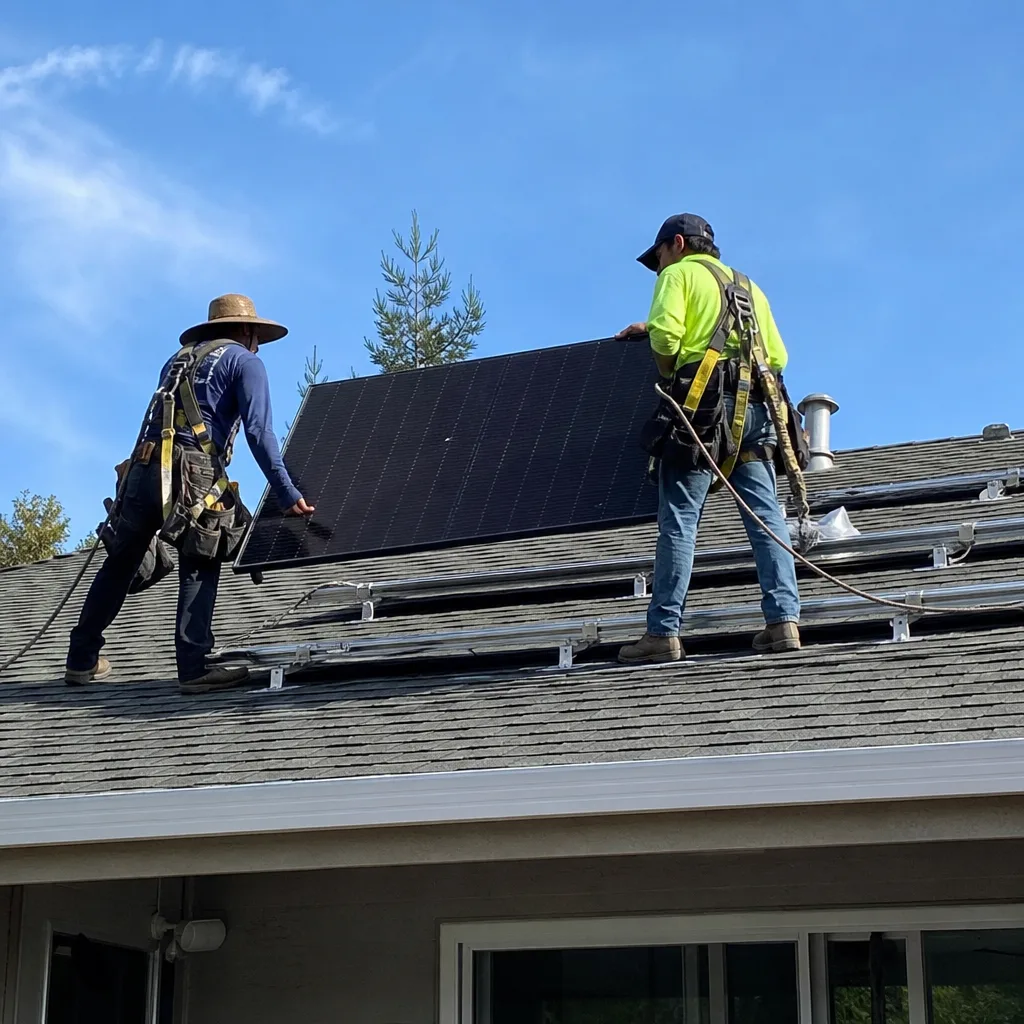
An annual solar inspection in Nipomo runs $149-$249 and takes about 90 minutes. We check every panel for microcracks and hot spots, torque the rail mounts, inspect the roof penetrations for signs of water intrusion, and review your inverter’s error log for anything brewing. On Nipomo Mesa homes with concrete tile roofs from the 1990s and 2000s, we pay special attention to underlayment condition around mount points. Those roofs are approaching the 20-30 year replacement window, and a small flashing issue caught in year 22 is a far easier fix than a ceiling stain in year 27.
Firmware & App Configuration
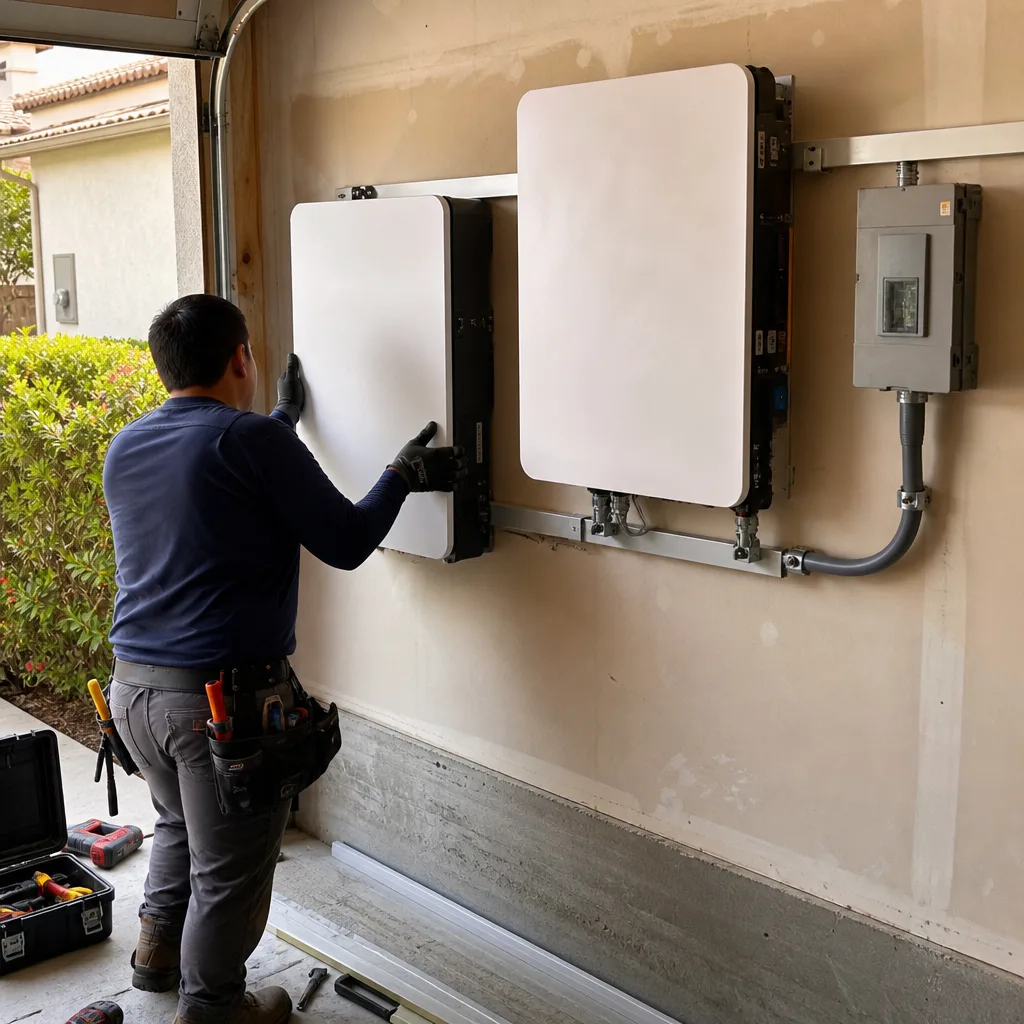
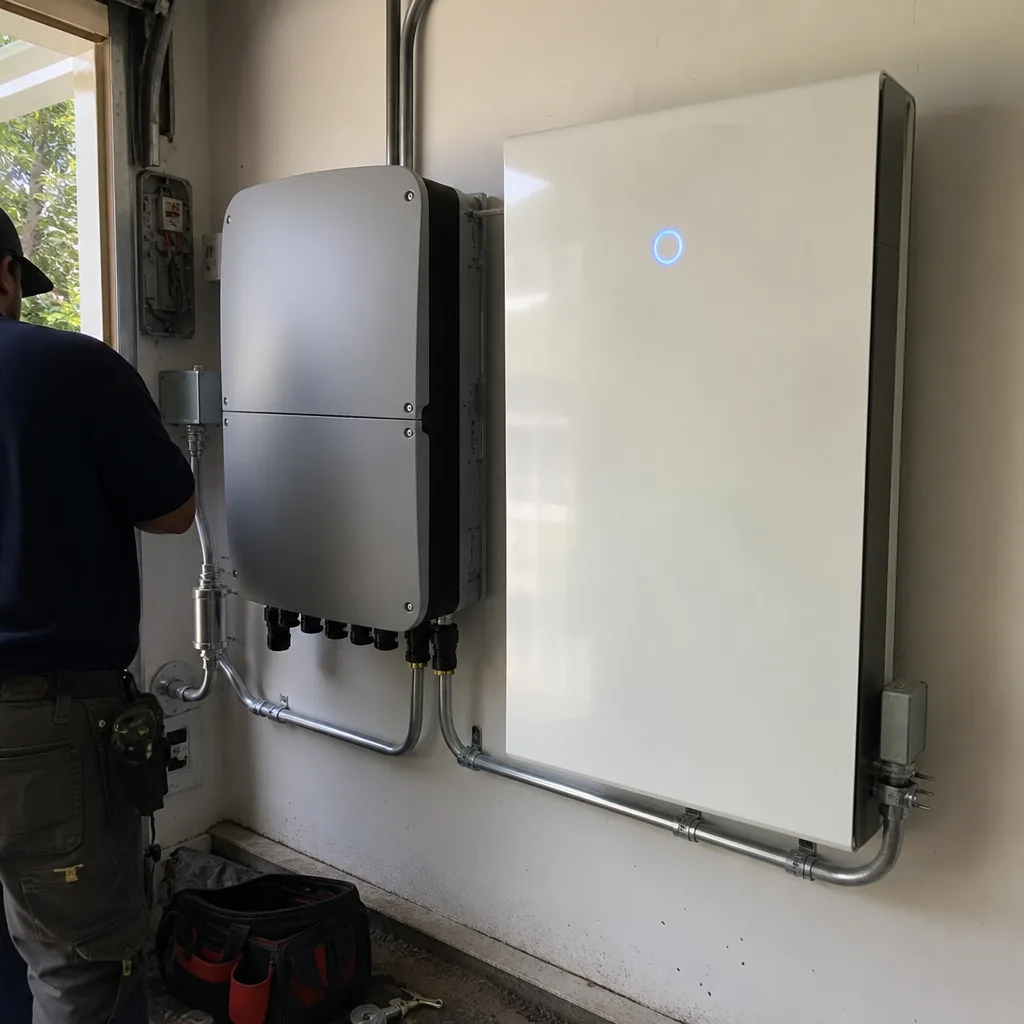
Your inverter and microinverters run on firmware, and firmware goes stale. We update SolarEdge, Enphase, and Tesla inverter firmware across Nipomo to fix known communication bugs, rapid shutdown errors, and monitoring gaps. We also reconfigure the app on your phone so you actually see useful data: daily production, per-panel output, and alerts set to notify you when something drops. Firmware and app configuration runs $125-$250, and it’s often folded into a bigger diagnostic call when the two are related. If your app shows “no data” or your inverter throws error codes after a foggy morning, that’s a call worth making.
What happens when you call
- 1
A real person answersNo phone trees - you reach a local pro.
- 2
You get an upfront price rangeHonest numbers before anyone is dispatched.
- 3
A background-checked tech heads outLicensed & insured, dispatched right away.
- 4
You approve before work beginsNothing starts until you say go.
Trusted Brands We Service in Nipomo
We work on every major residential brand installed in Nipomo, so you’re not calling four companies to service one system. Our techs are certified for Enphase and SolarEdge and we routinely service systems built with SunPower, Panasonic, Qcells, and REC panels. We keep common parts on the truck: Enphase microinverters, SolarEdge optimizers, communication gateways, and monitoring current transformers. For Nipomo customers that means faster turnaround when something fails, because we’re not waiting a week for a part to ship. If your system uses a brand we haven’t mentioned, call anyway. The odds are good we work on it.
Common Solar Panel Maintenance & Monitoring Problems We See in Nipomo Homes
- Fog-related morning underproduction. The marine layer off the Guadalupe-Nipomo Dunes sits on the Mesa until mid-morning during summer, and systems sized with inland SLO irradiance data underproduce against the original payback projection by 8-15%. This is normal for Nipomo, but nobody explains it to homeowners, so it looks like equipment failure.
- Builder-grade inverter clipping and stale firmware. Early 2000s tract developments around Blacklake and the Mesa got inverters and microinverters that were never updated. Degradation rates drift, true-up credits shrink, and no alarm ever fires because the monitoring was never activated properly.
- Concrete tile roof aging around mount points. The 1990s-2010s master-planned homes on the Nipomo Mesa have concrete tile roofs now reaching the 20-30 year replacement window. Underlayment age and tile condition around penetrations goes unchecked until the first winter rain finds a seam.
- Western Mesa fog shadow mismatches. Properties on the western-facing edges toward the dunes get longer fog exposure than eastern or southern Mesa slopes, so production estimates built on ZIP-wide averages miss the mark. A few hundred feet of elevation change can shift annual output projections enough to confuse a true-up statement.
Pricing for Solar Panel Maintenance & Monitoring in Nipomo, CA
Here’s what you can expect to pay for our services in Nipomo’s market. An annual inspection runs $149-$249. Production monitoring setup runs $300-$550, depending on your inverter brand and whether a communication gateway needs to be added. Underperformance diagnostics run $250-$450, and firmware plus app configuration runs $125-$250. If you have a written estimate from another company, bring it to us for a free second opinion. We honor a $40 discount on any repair over $200, and seniors and veterans get 10% off every service, no expiration date. The price we quote is the price you pay. Our estimates are free, and we never need a signature tonight to hold a number.
We Also Serve Cities Near Nipomo
Our crews cover the full Central Coast stretch around Nipomo. If you’re in Guadalupe, Santa Maria, Arroyo Grande, or Oceano, we can send the same Solar Panel Maintenance & Monitoring team to your door. And because we’re already working on the Mesa every week, scheduling in any of those cities is just a matter of catching us on the right day. See our Nipomo page for the full scope of work we do across this area.
Serving Nipomo, CA - Our Local Coverage Area
We’re based in the Nipomo area and know this community well. Use the map below to see our service coverage - if you’re nearby, we can almost certainly help.
FAQs - Solar Panel Maintenance & Monitoring in Nipomo
Your system is not broken. Nipomo sits 4-5 miles east of the Guadalupe-Nipomo Dunes, and the summer marine layer lingers on the Mesa until mid-morning from May through October, while Arroyo Grande sits closer to the ocean and burns off fog differently at a lower elevation. The result is a genuine production gap that inland installers quoting SLO County averages never model. We size and monitor Nipomo systems using Mesa-specific peak sun hour data, so your expectations match the actual weather you live with. Call (877) 550-6892 and we’ll run your production numbers against Nipomo irradiance, not Paso Robles data.
Probably, and here’s why. Nipomo Mesa tract homes from the 1990s-2000s were built fast, and concrete tile roofs from that era are now entering the 20-30 year replacement window. If we’re adding monitoring hardware or re-flashing penetrations, we need to know the underlayment under those mount points is still sound. If it’s not, you’ll want to address it before we harden the system, because a leak discovered after the fact is far more expensive. We’ll assess underlayment condition during any inspection and tell you straight if replacement belongs on your short list or if you have five more years.
Monocrystalline panels degrade about 0.5% per year, but on the Nipomo Mesa fog changes how that degradation shows up. Morning production loss from the marine layer compresses your daily production window, which means any panel-level degradation or inverter inefficiency becomes more visible in the afternoon hours when the sun finally clears. We routinely see Nipomo systems reporting 8-15% below original payback projections, and most of that gap traces back to fog, not failing equipment. A diagnostic will separate the two. We serviced a 2004 tract home in the Blacklake golf-course community where the Enphase microinverters were clipping at 9:45 a.m. because the builder-grade system had never been re-commissioned for the Mesa’s fog-delayed solar window. Our crew re-flashed the gateway firmware, corrected the azimuth offset in the production estimate, and reset the rapid shutdown parameters so the array no longer reported a 12% underperformance against the original payback period.
Because Nipomo and San Luis Obispo are not the same solar market, no matter what a county-wide chart says. Nipomo Mesa gets longer morning fog from the dunes, which shifts your production into the afternoon when rates and export credits may differ from SLO proper. Your friend’s system also likely has a different tilt, azimuth, and inverter type. Comparing true-up statements across cities is a fast way to create confusion, and it’s exactly why we build maintenance and monitoring plans around your specific system on your specific lot. Bring us your friend’s true-up statement if you want; we’ll show you where the numbers diverge.
Yes, and this is one of the most common fixes we perform in Nipomo. Foggy mornings cause moisture and temperature swings on the Mesa that older SolarEdge inverters sometimes read as a fault condition, triggering rapid shutdown errors. Firmware updates resolve many of these, and if the update does not clear it, we’ll know what the next step is. Firmware and app configuration runs $125-$250 in Nipomo, and same-day service is often available. Call (877) 550-6892 for an exact quote, and remember estimates are always free.
Written by Gus Petrakis, Owner at Gus’s Solar, serving Nipomo and the Central Coast since 2011.