
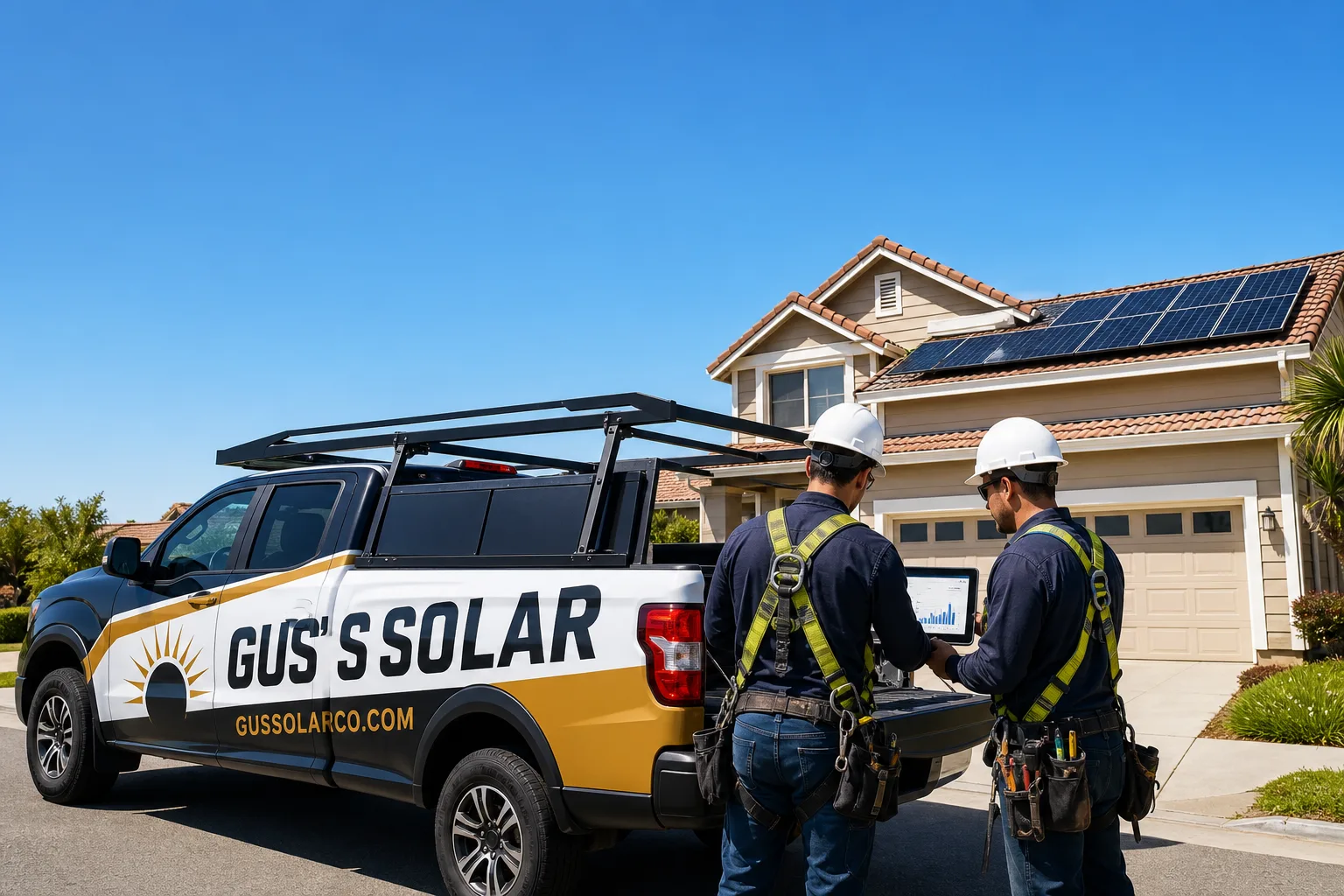
Free bill analysis - bring a power bill, get the production math for your actual roof, panel brands like Qcells and REC compared side by side
If the pitch starts at your door and ends with "sign tonight for the special," sleep on it. The sun will still be there tomorrow; so will we.
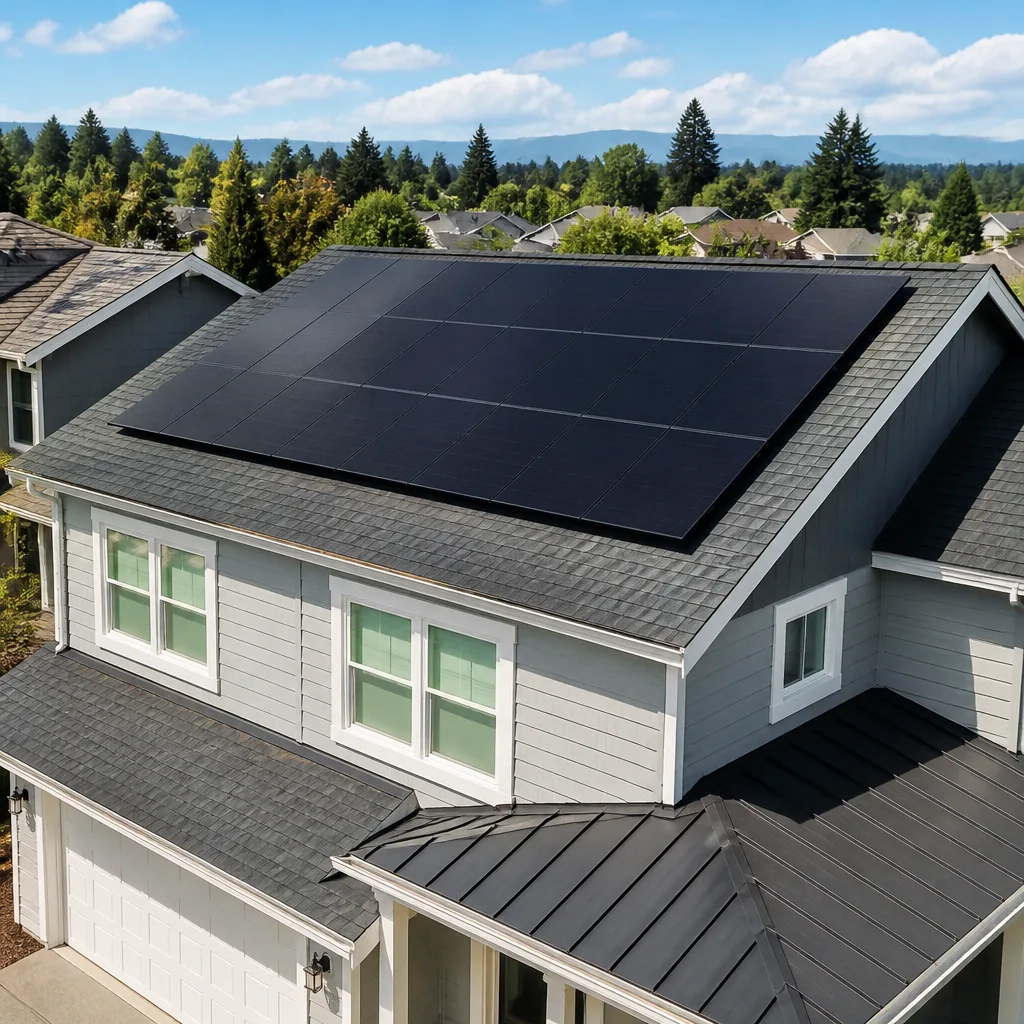
 Before
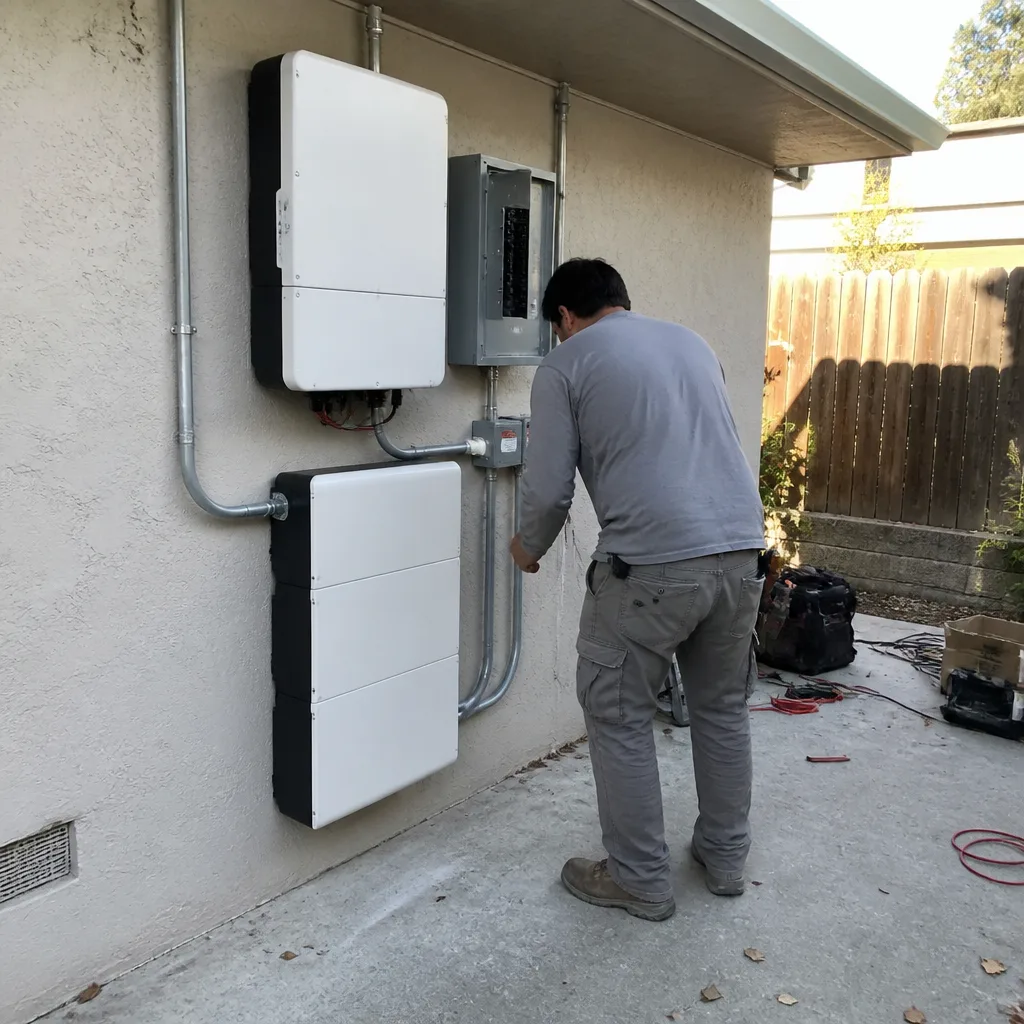 After
After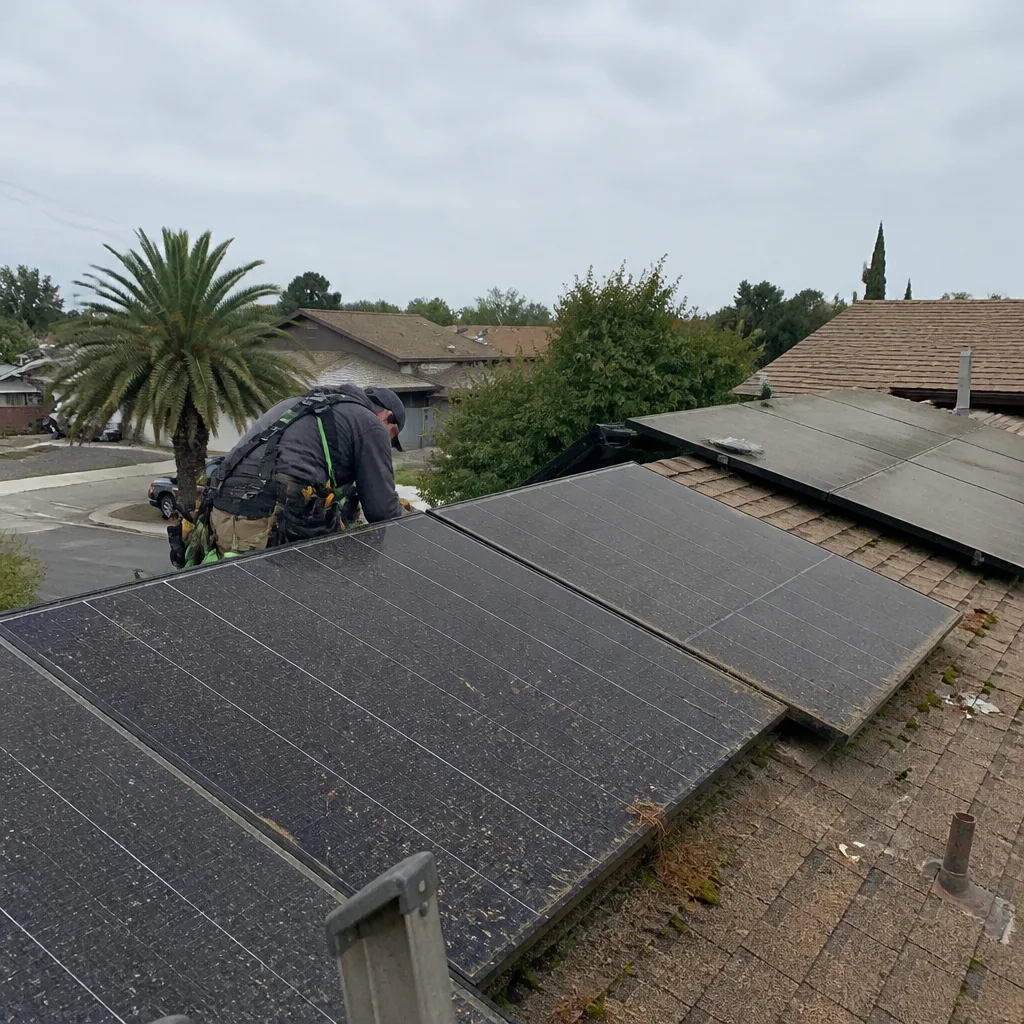 Before
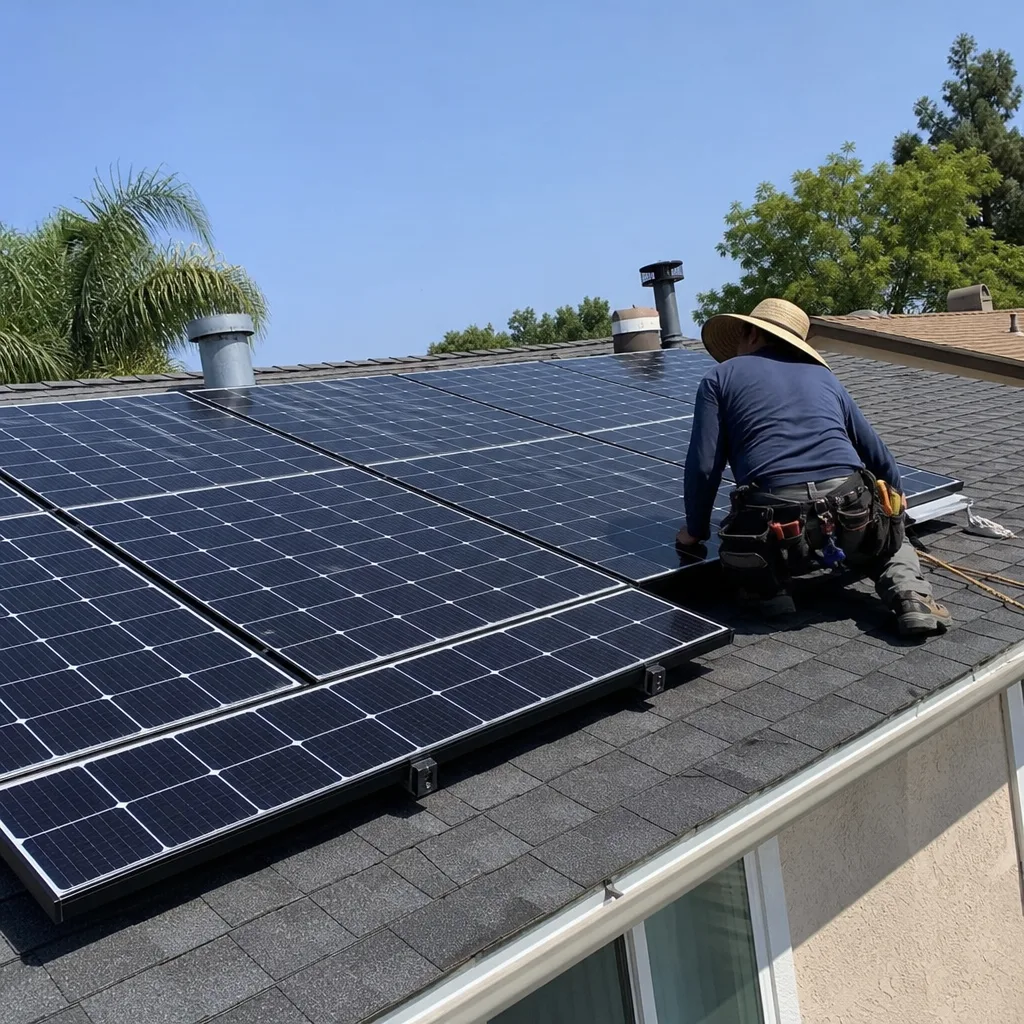 After
After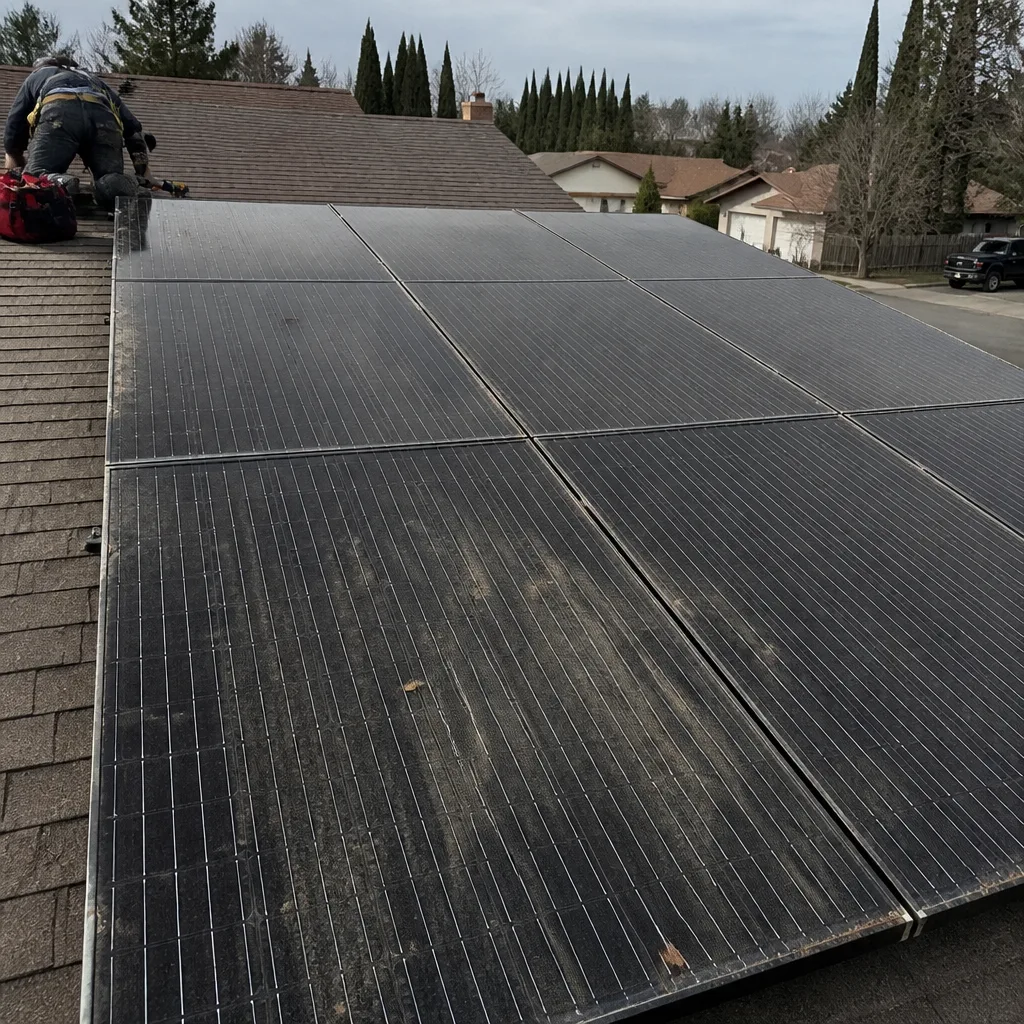 Before
 After
AfterFast, Reliable Commercial Solar Installation Across August
Commercial solar installation in August, CA typically runs $42,000 to $185,000 depending on system size, with most warehouse and industrial projects landing between $60,000 and $95,000 before incentives. We get your system permitted, installed, and producing in 4 to 8 weeks for most August rooftops. Gus Petrakis has put his own name on this work since 2011, and when you call (877) 550-6892, a live person answers. That is not a line. It is how we operate.
The 95205 corridor belongs to Stockton’s eastern edge, where warehouse roofs and aging commercial buildings sit under a San Joaquin Valley sun that delivers 260-plus clear days a year and a lot of dust along with them. That dust, the heat, and PG&E’s NEM 3.0 rate structure shape every commercial solar decision a August business owner needs to make. We know that because we work here. Our Commercial Solar Installation team has mounted arrays on flat-roofed warehouses, strip malls, and ag buildings throughout this corridor. We know which roofs hold, which inverters hold up to 105 degree afternoons, and how to model production numbers that match what your utility bill actually shows in year three, not just year one.
Why Gus’s Solar Is August’s Preferred Commercial Solar Installation Company
Gus Petrakis founded this company in 2011 and still answers his own phone. That matters in August, where a lot of commercial property owners have been burned by out-of-state outfits that quoted one number on the phone and sent another in the contract. We do not do that. Bring us your PG&E bill and we will build the math off your actual usage and current export rates. Take two weeks to think about it. The price will be the same. If a salesman needs an answer tonight, the answer is no.
Our standing in the 95205 corridor comes from showing up when we say we will and leaving roofs that do not leak. We hold a California contractor’s license, carry insurance and bonding, and publish our business address. Gus’s crew does the install. We do not hand your roof off to a sub crew we met last week. Our technicians are background-checked, uniformed, and they have worked on warehouses, carports, and ag structures throughout August and the surrounding county. Every job carries our 90-Day Done Right Promise in writing. If something is not right, one call brings Gus back.
Our Commercial Solar Installation Services in August
Commercial Rooftop Solar
Flat-roof warehouses along Wilson Way and the industrial streets north of Highway 4 present a specific set of conditions: low-slope membrane roofing, parapet walls, and HVAC units that crowd usable square footage. We design around all of it. A typical 50 kW rooftop array on a August warehouse runs $78,000 to $105,000 before the federal Investment Tax Credit, and we model production using San Joaquin Valley temperature coefficients, not Bay Area averages. That distinction alone can swing year-one output estimates by 6 to 9 percent.
Warehouse & Industrial Solar
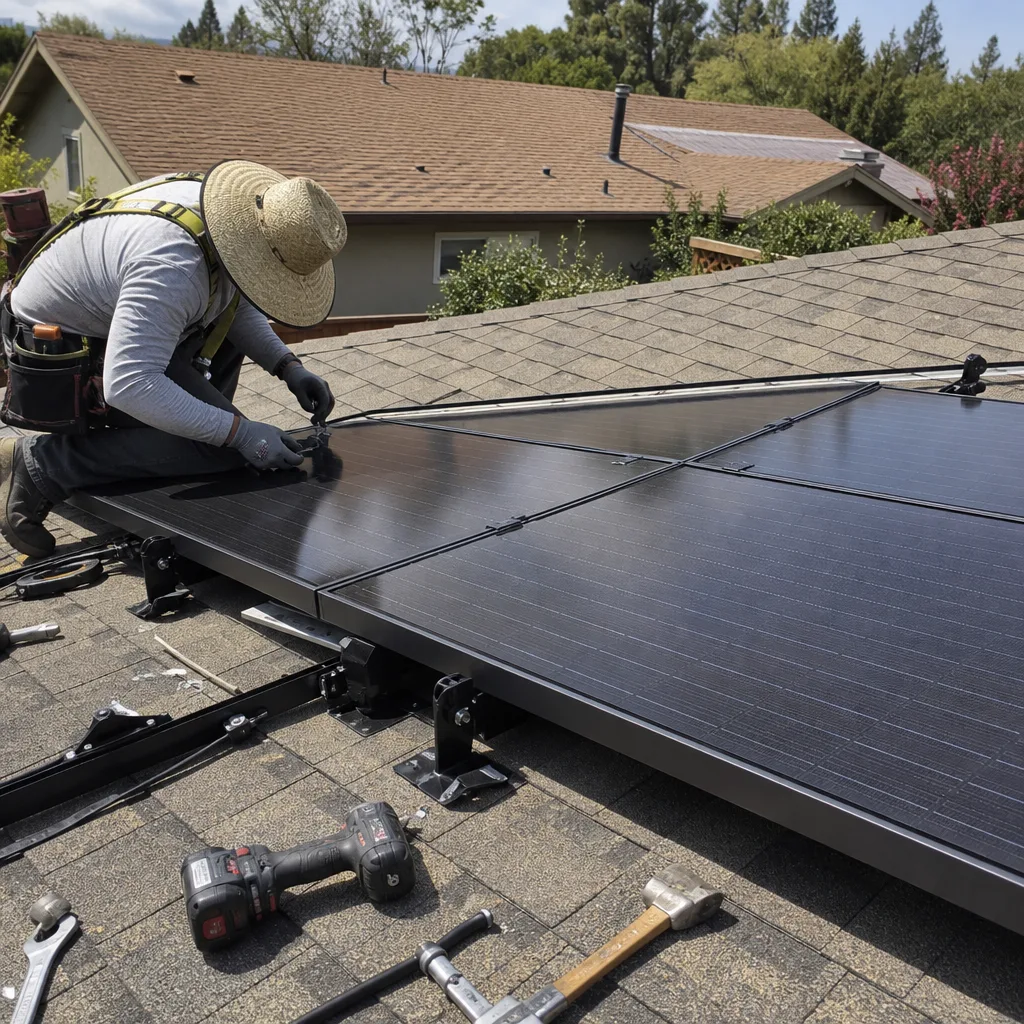
Our crew recently mounted a 38 kW rooftop array on a flat-roofed warehouse off Wilson Way in the 95205 corridor, where tight alley access and a gated lot meant our techs had to coordinate crane placement with security and stage panels on a street-side sidewalk. We consolidated the run to preserve south-facing azimuth with a 10-degree tilt, and we spec’d all-black 420W Qcells paired with SolarEdge power optimizers to handle the dust buildup and afternoon 105 degree thermal derating we see in August. That is the kind of job that does not fit a template. We figured it out on site, which is what commercial work here actually requires.
Solar Carport Installation
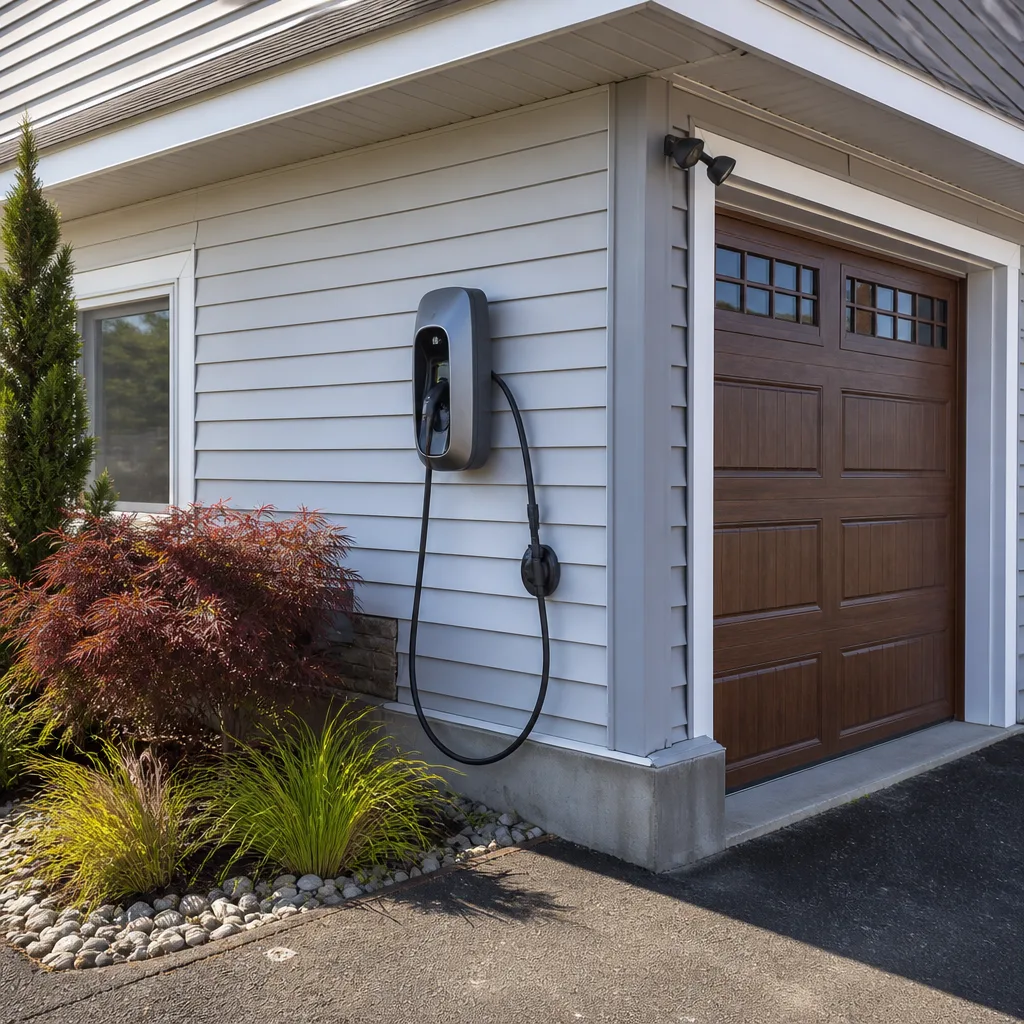
Carport solar makes sense for August businesses with parking lots and limited roof capacity. A 25-space carport array typically runs $95,000 to $160,000 depending on steel gauge, foundation depth, and whether you want EV charging integrated. The valley sun punishes steel and panels alike, so we spec powder-coated racking and high-wind engineering that holds up to Delta breezes and the occasional winter storm. Carports also solve a access problem: you do not touch the building roof at all.
Commercial Battery Storage
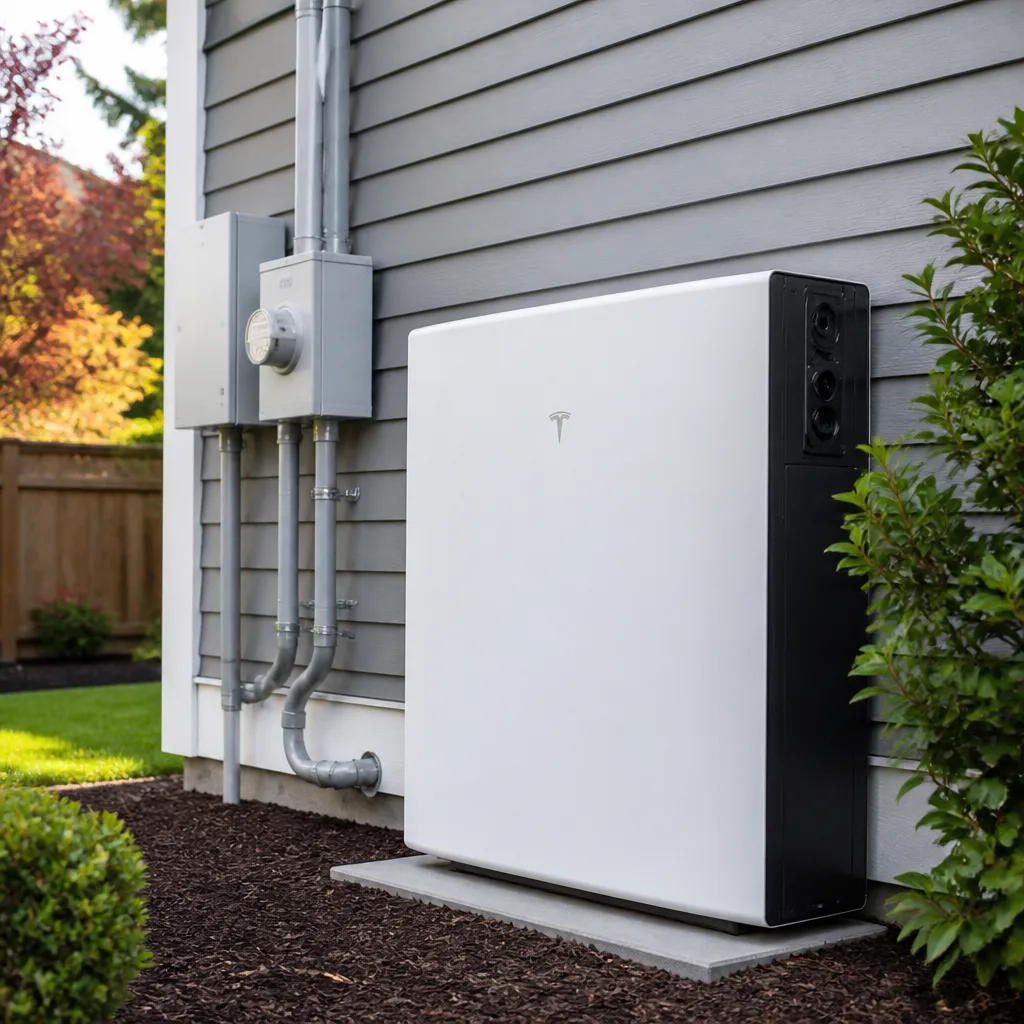
This is the piece most August businesses miss. PG&E’s NEM 3.0 transition hit San Joaquin Valley customers hard because the afternoon heat load, peak AC demand from 4 to 6 PM, aligns poorly with the new export rate schedule. An array that exports morning solar for pennies per kWh does nothing for your 5 PM air conditioning bill. Pairing a FranklinWH or Tesla Powerwall with your array and programming discharge for the evening peak changes the math entirely. A 30 kWh to 60 kWh commercial battery bank in August typically adds $28,000 to $55,000 to the project cost, and in most 95205 warehouses it is the difference between a 9-year payback and a 14-year payback. Gus quotes the year-25 output, not the day-one brochure number. That means battery economics get shown honestly, with your actual interval data on the table.
What happens when you call
- 1
A real person answersNo phone trees - you reach a local pro.
- 2
You get an upfront price rangeHonest numbers before anyone is dispatched.
- 3
A background-checked tech heads outLicensed & insured, dispatched right away.
- 4
You approve before work beginsNothing starts until you say go.
Trusted Brands We Service in August
We work with equipment that holds up to valley conditions: Qcells, REC, and SolarEdge are the brands we most often recommend for August commercial rooftops because their thermal derating curves and dust tolerance fit this climate. Qcells panels carry a 25-year performance warranty that holds up under sustained 100-plus degree summers, and SolarEdge power optimizers let each panel produce independently, which matters when dust settles unevenly across a flat roof. We keep common parts stocked locally so August service calls do not wait on a freight shipment from Texas. If your current system from another installer is underperforming, we service SunPower, Panasonic, and just about any major brand already on your roof.
Common Commercial Solar Installation Problems We See in August Homes
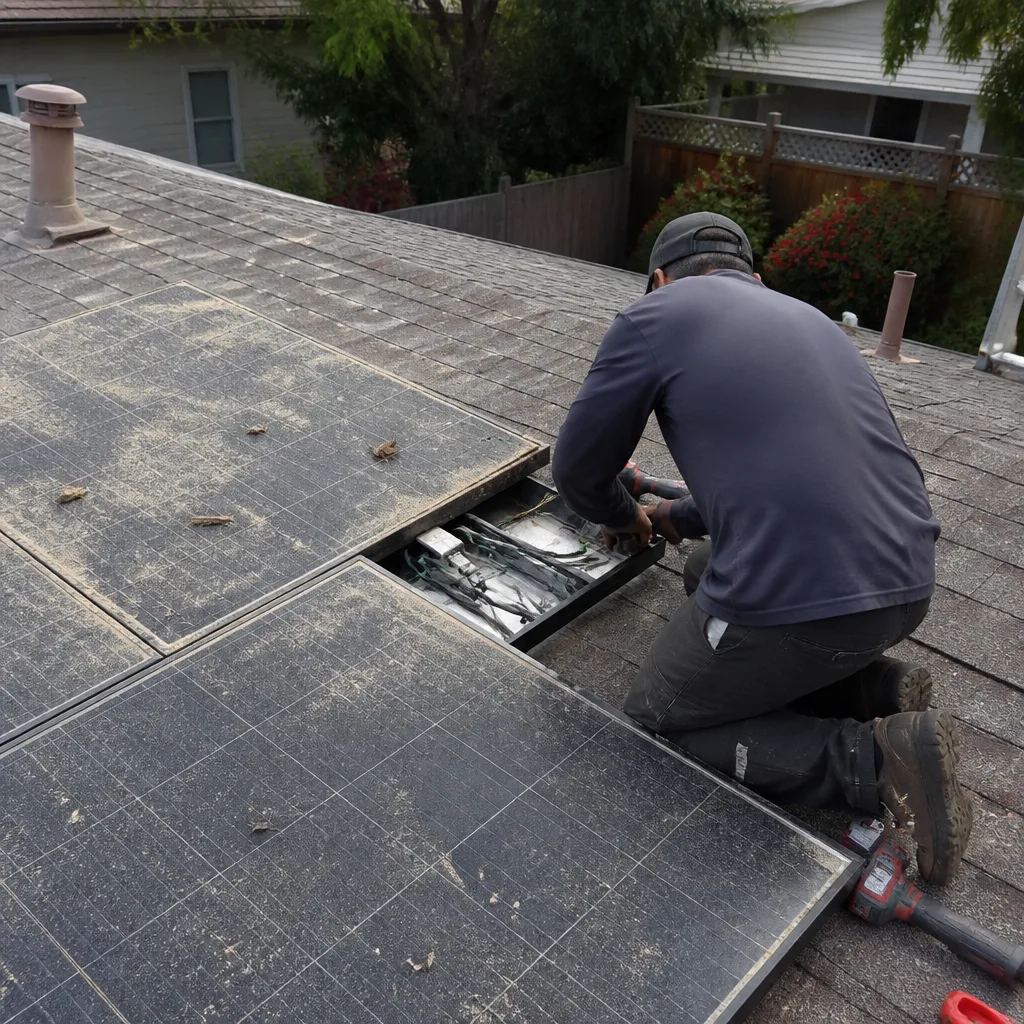
- Dust accumulation on flat-roof arrays near unpaved alleys. Almond and row-crop dust from the surrounding farmland settles fast on panels with low tilt angles. Within two months, production can drop 18 percent below model if no wash schedule or self-cleaning design was built in.
- Undersized roof decking on 1960s and 70s wood-frame buildings. Many August commercial structures have aging composition shingle roofs over decking that was never rated for point loads from solar racking. We assess decking before mounting, and we bundle reroofing where it adds real value instead of bolting onto wood that flexes.
- Grid-tied export designs that ignore NEM 3.0 afternoon peaks. Pure solar bids without storage leave August businesses exporting morning credits at low rates while paying peak prices for 4 to 6 PM AC load. That is a structural modeling failure, not a minor miscalculation.
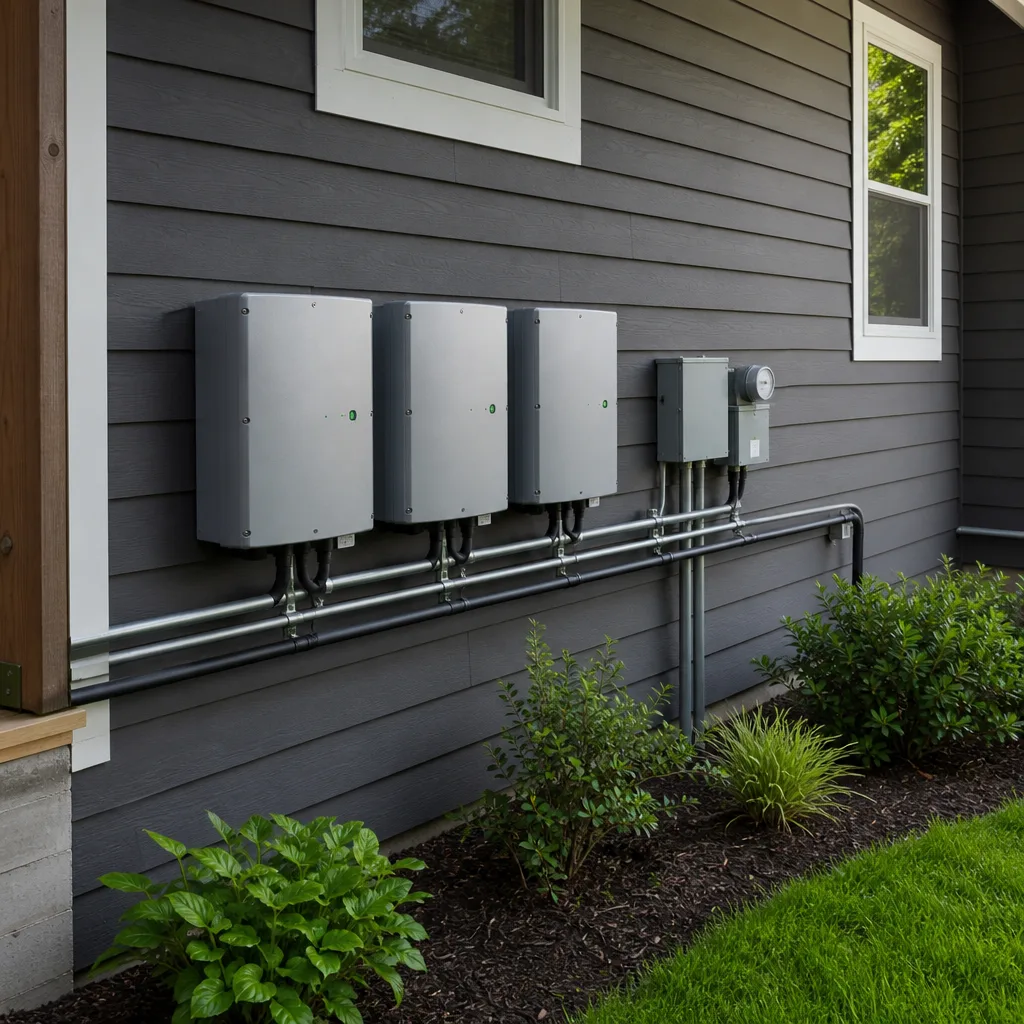
- Inverter failures from sustained 105 degree heat. String inverters mounted on south-facing walls without shade derate and fail faster in the valley than spec sheets suggest. We place inverters on shaded north walls or specify microinverters for rooftop arrays where rapid shutdown compliance matters.
Pricing for Commercial Solar Installation in August, CA
We Also Serve Cities Near August
Gus’s Solar serves the full eastern San Joaquin Valley corridor around August, including August, Stockton, Country Club, Garden Acres, and Lathrop. If your commercial building sits in any of these communities, the same crew, the same 90-Day Done Right Promise, and the same owner on the phone applies. Dispatch and scheduling are coordinated from our Fresno, Central Valley office, and crews serve August locally.
Serving August, CA - Our Local Coverage Area
We’re based in the August area and know this community well. Use the map below to see our service coverage - if you’re nearby, we can almost certainly help.
FAQs - Commercial Solar Installation in August
NEM 3.0 cuts export credits by roughly 75 percent compared to the old NEM 2.0, so a solar-only array on a August warehouse that exports morning generation will see payback stretch from 7 years to 12 to 14 years. The fix is pairing storage with your array and programming discharge for the 4 to 6 PM peak window, which typically brings payback back down to 7 to 9 years. Call (877) 550-6892 and we will run your actual interval data to show the difference.
We recommend a tilt angle of at least 15 degrees, self-cleaning panel coatings, and a seasonal wash schedule every 8 to 10 weeks during the dry season from May through October. Dust from almond and row-crop fields settles fast, and without mitigation, production can fall 18 percent below model within two months. We design wash access into the system from day one.
Sometimes. We assess the roof decking, rafter spacing, and shingle condition before mounting. Many 1960s and 70s buildings in the 95205 corridor have decking that flexes under point loads, and reroofing bundled with solar is the honest recommendation where structural deflection is a risk. If the decking is sound and the roof has 10-plus years of life left, we mount directly and warrant the penetrations for the life of the array.
Microinverters satisfy rapid shutdown at the module level, which is exactly what a strip-mall rooftop with multiple tenant spaces and fire access requirements needs. Each panel shuts down independently when the system is de-energized, which keeps firefighters safe and keeps your building code-compliant. For flat-roof warehouses with longer string runs, we use SolarEdge power optimizers to achieve the same module-level shutdown.
Expect 0.5 to 0.7 percent annual degradation from quality panels like Qcells or REC in August’s climate, which means your array still produces 82 to 87 percent of its day-one output at year 25. Thermal stress from sustained 100-plus degree summers accelerates degradation slightly compared to coastal installs, but proper ventilation, tilt, and panel selection keep the loss within warranty thresholds. That is the year-25 number we quote, not the day-one brochure figure.
Ready to see what commercial solar actually costs for your August building? Call (877) 550-6892. A live person answers, and we will schedule a free site assessment at your warehouse, strip mall, or ag facility. Bring us a bill. We will bring you the math.
Written by Gus Petrakis, Owner at Gus’s Solar, serving August’s commercial and industrial rooftops since 2011.