

Free bill analysis - bring a power bill, get the production math for your actual roof, panel brands like Qcells and REC compared side by side
If the pitch starts at your door and ends with "sign tonight for the special," sleep on it. The sun will still be there tomorrow; so will we.

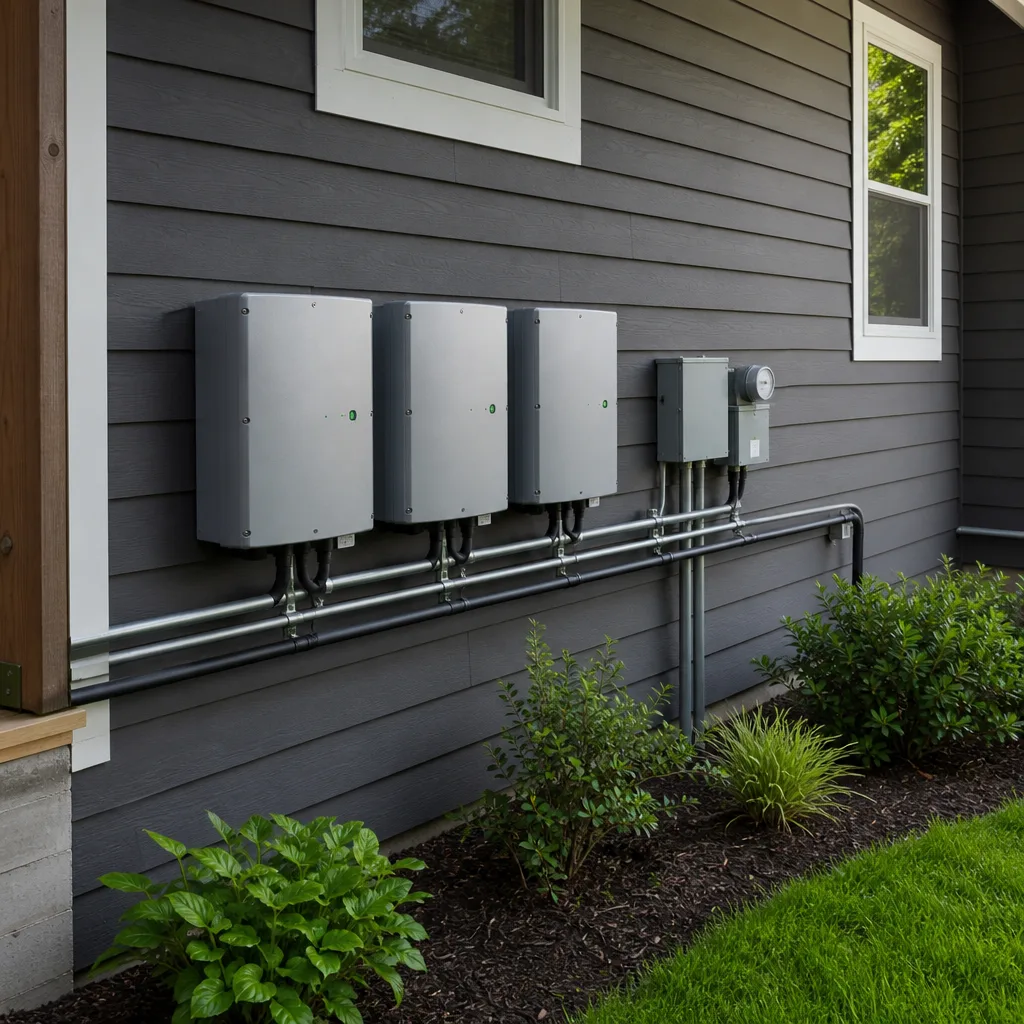
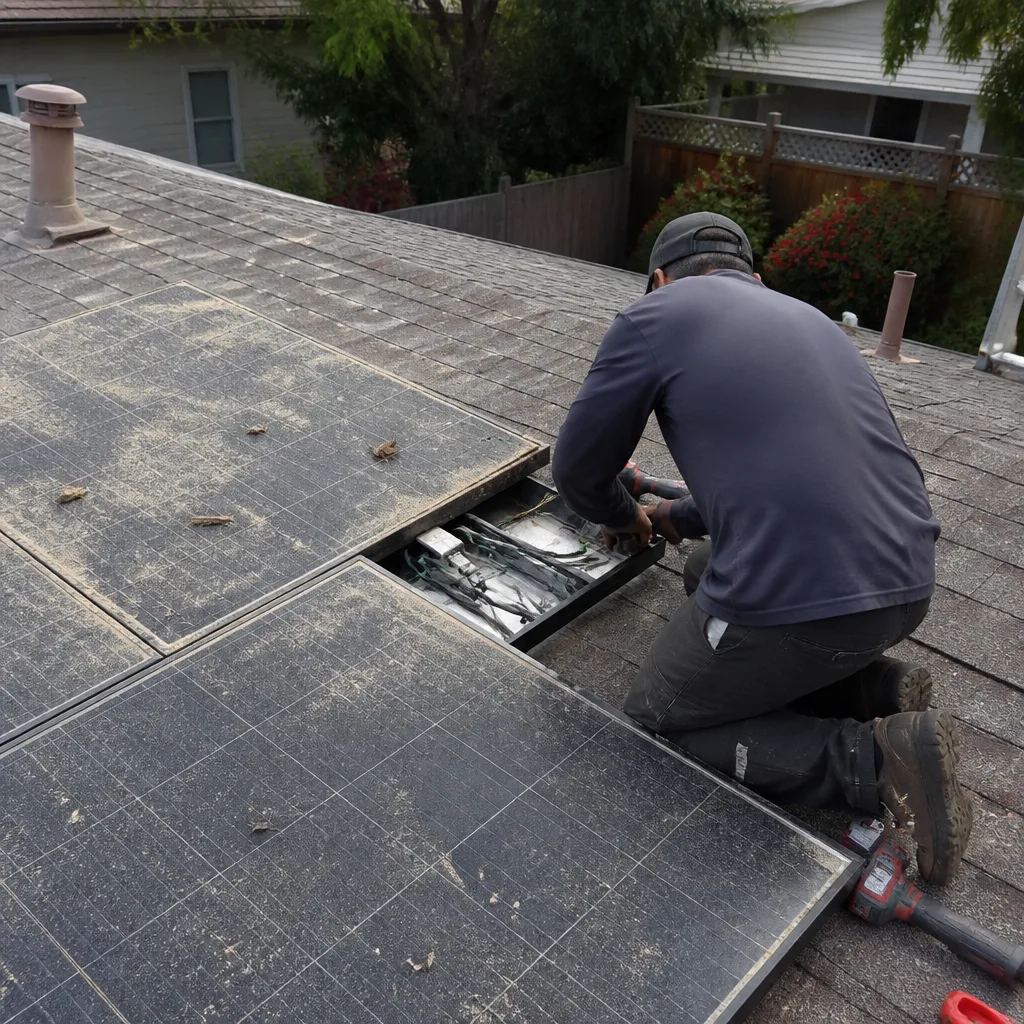 Before
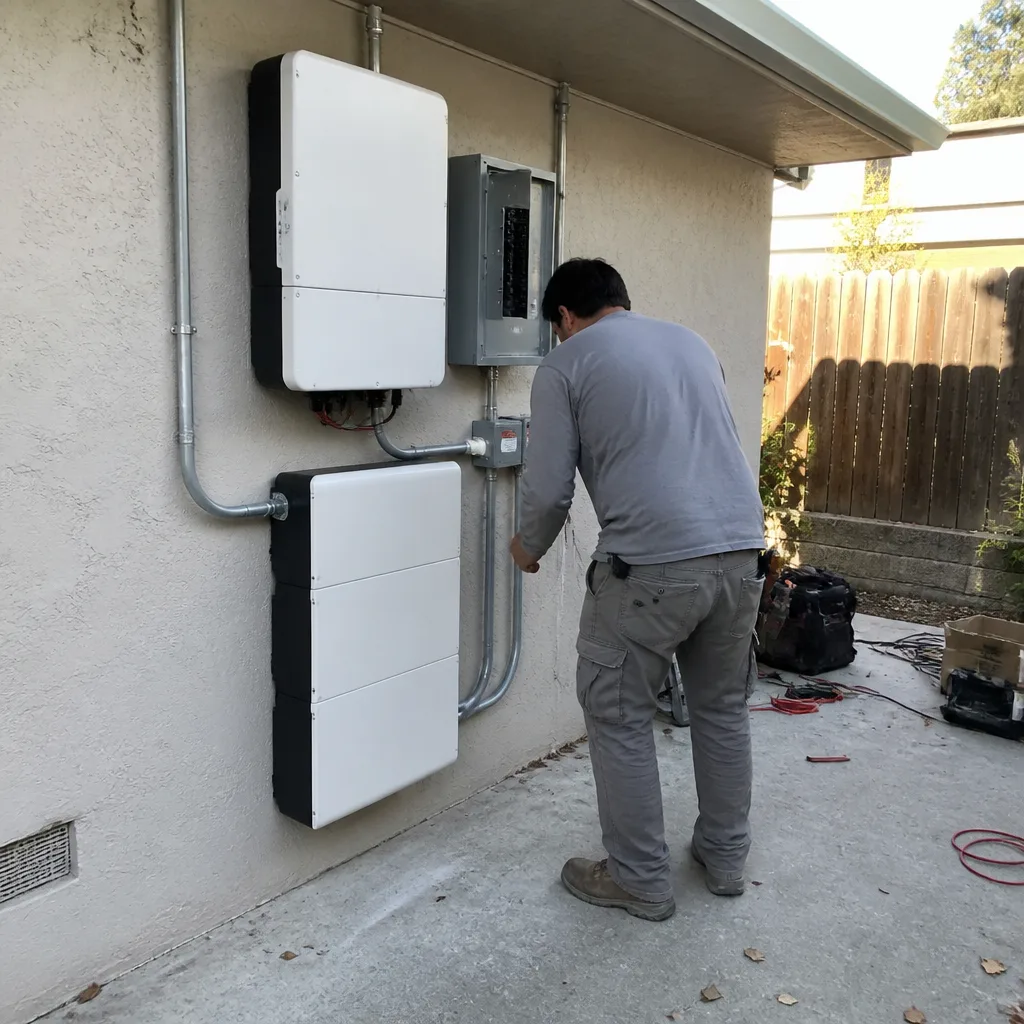 After
After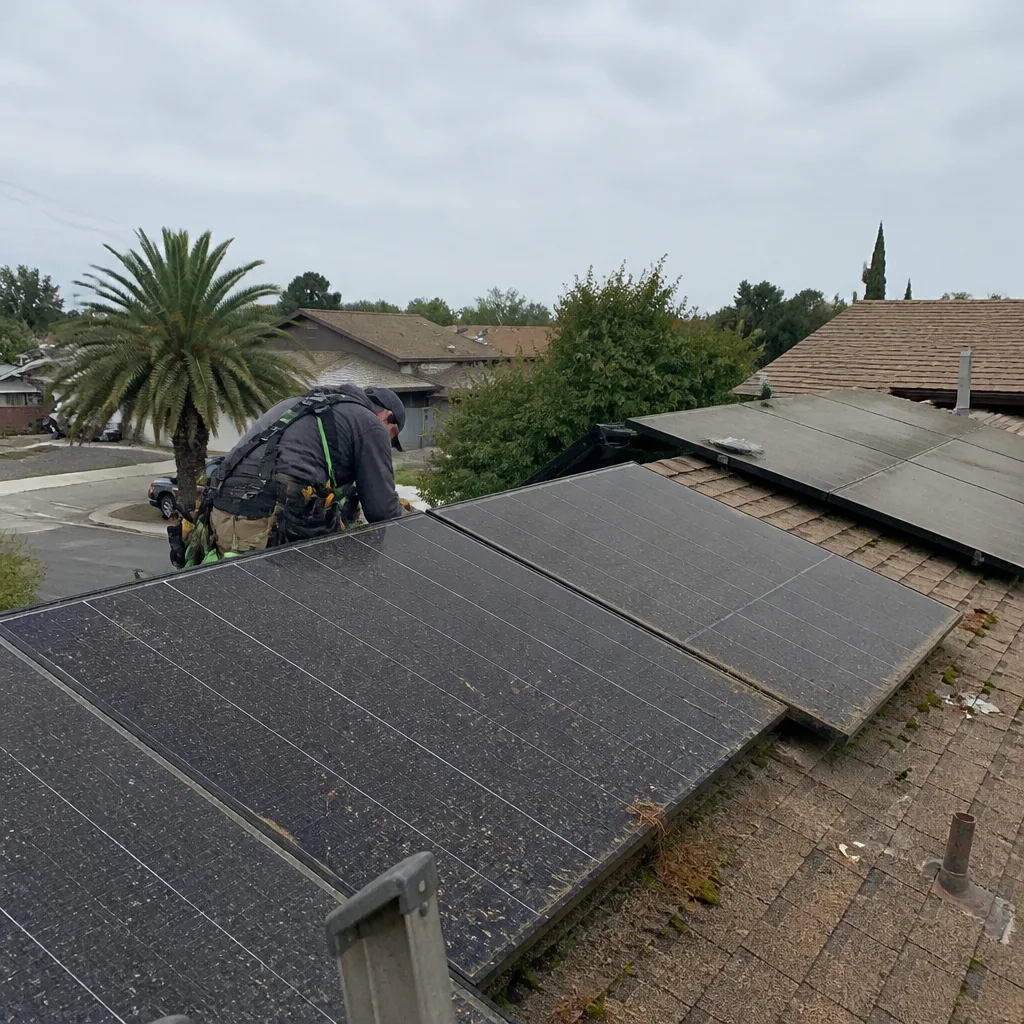 Before
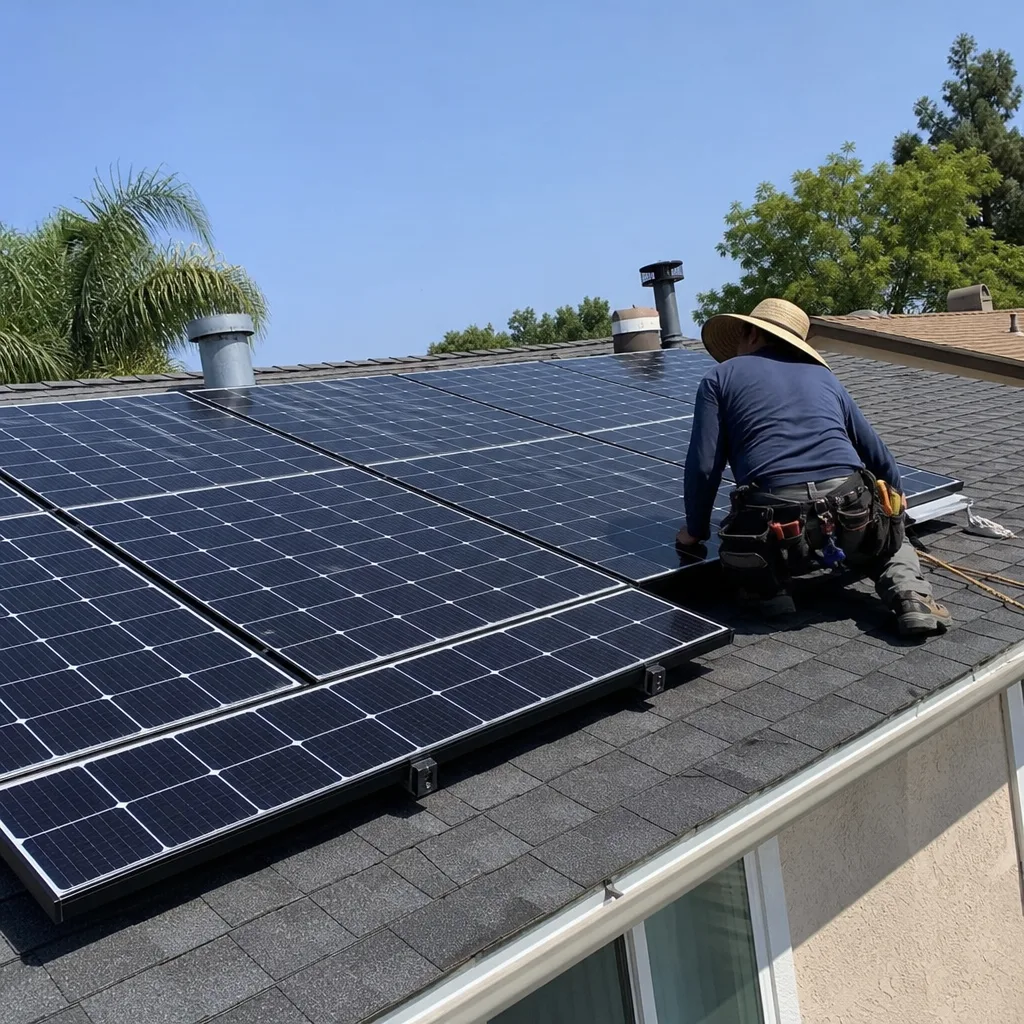 After
After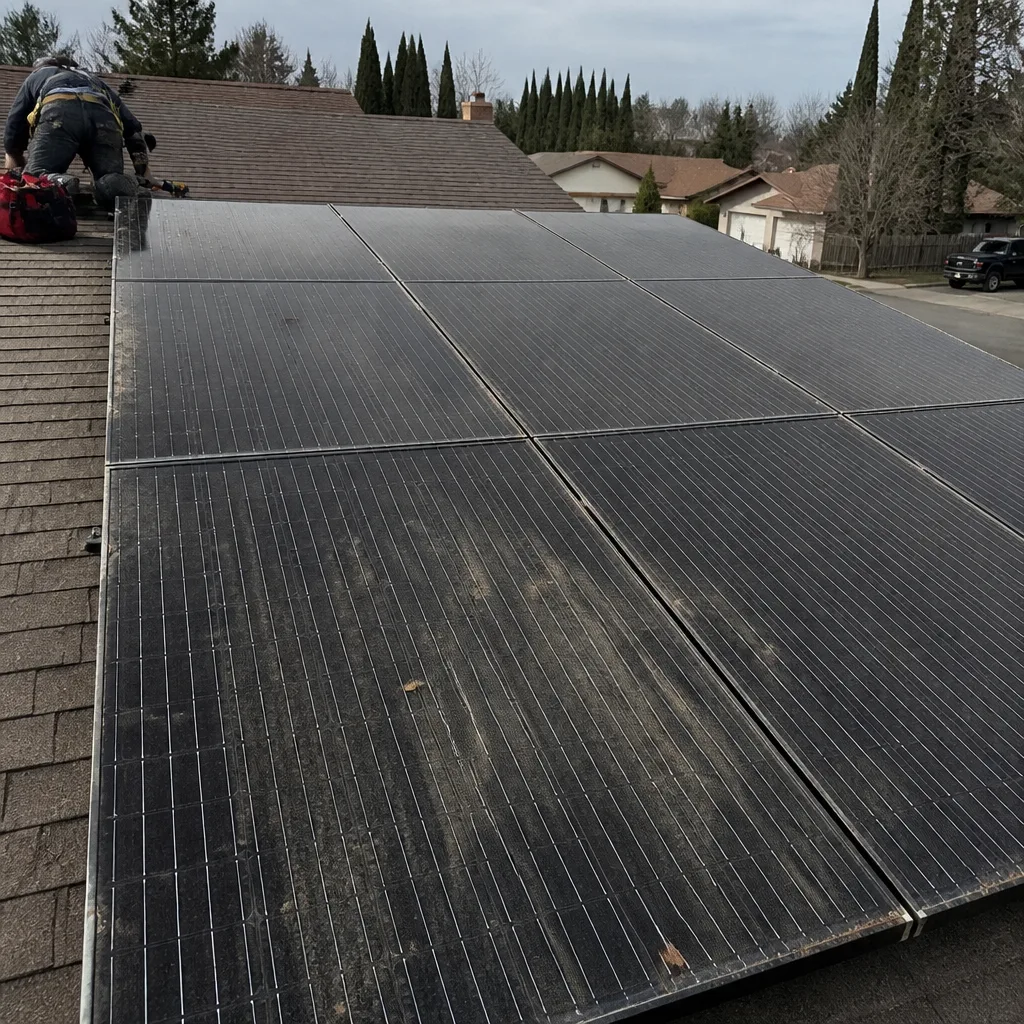 Before
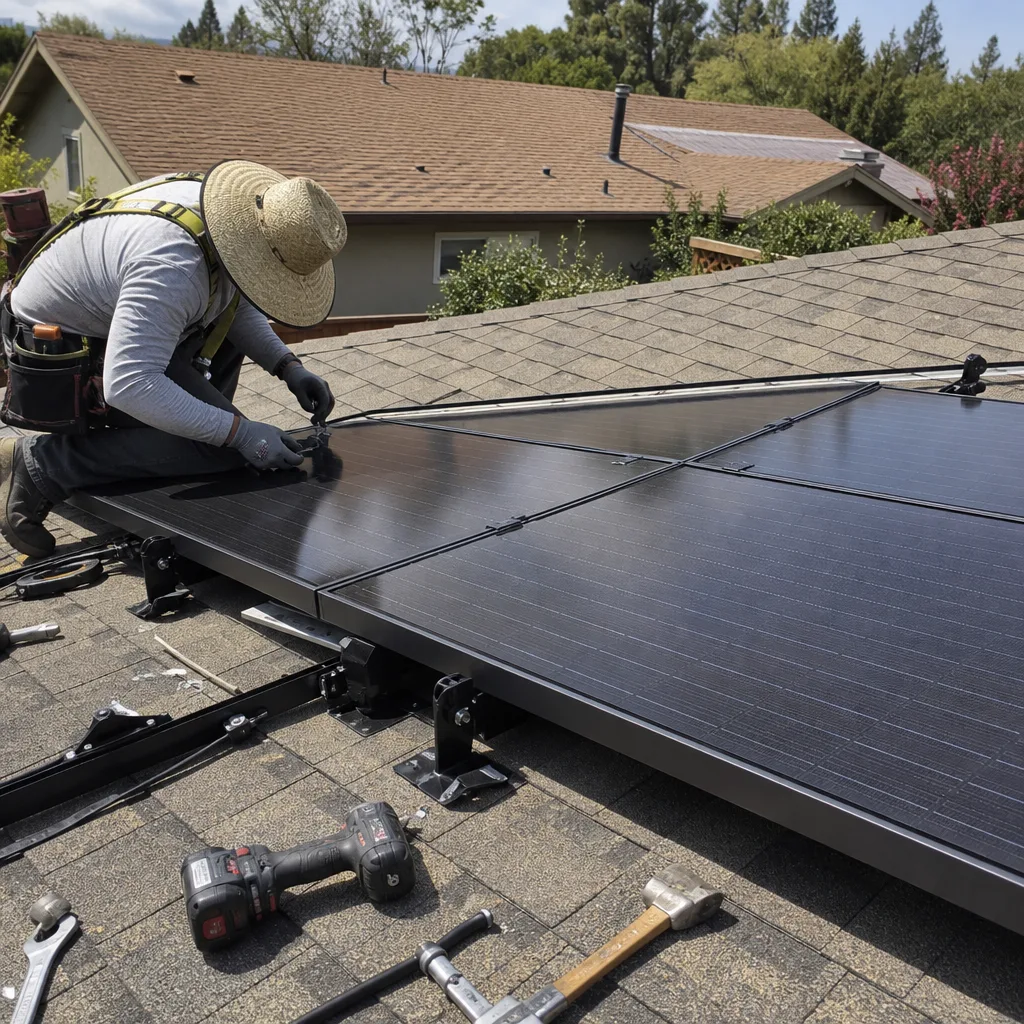 After
AfterFast, Reliable Solar Panel Maintenance & Monitoring Across Gustine
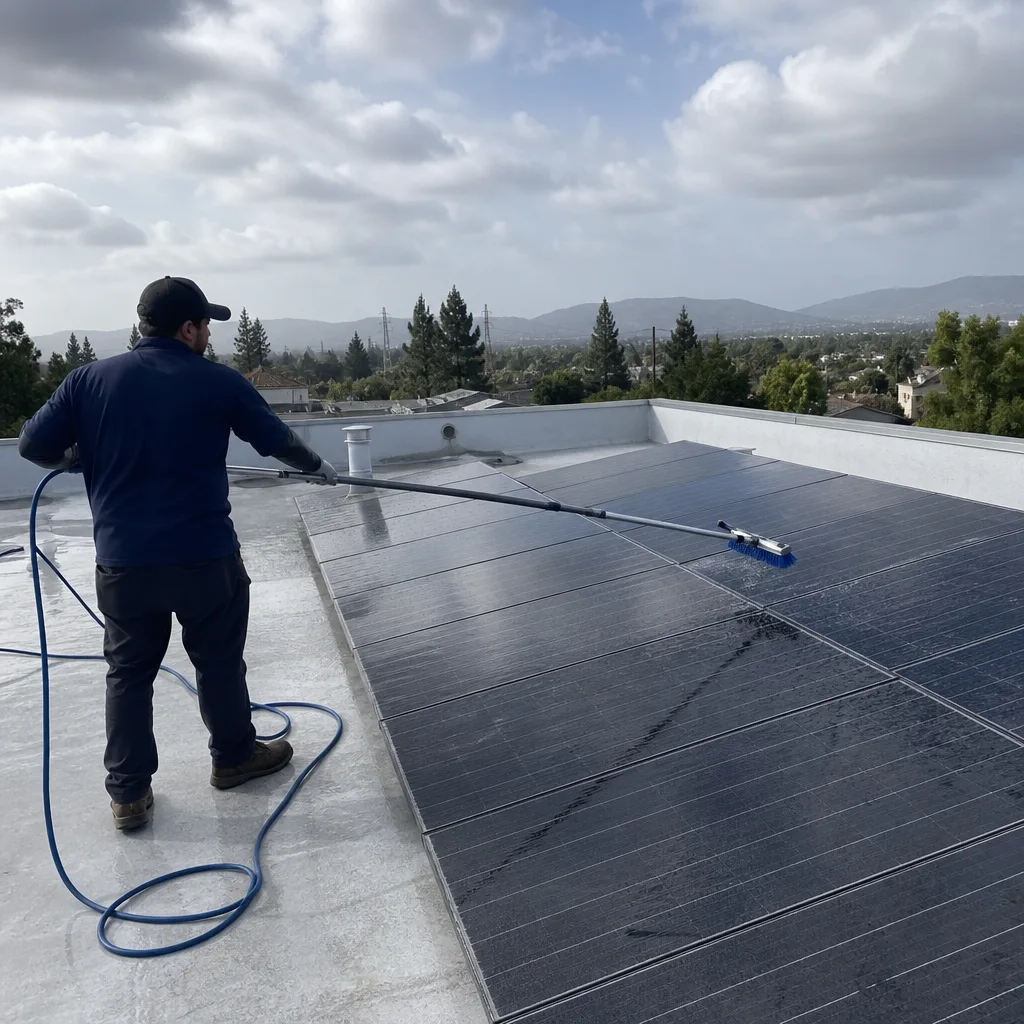
Solar panel maintenance in Gustine runs $145-$385 for a standard annual inspection and cleaning, while full production monitoring setup with app access typically costs $300-$550 depending on inverter brand. Most service calls to Gustine homes get a same-day or next-day visit from our crew, and if your system is underperforming we’ll usually identify the cause within one visit. We know this town’s roof profiles, panel configurations, and fog-season quirks because we work them every week. Call (877) 550-6892 and Gus himself will likely pick up.
Why Gus’s Solar Is Gustine’s Preferred Solar Panel Maintenance & Monitoring Company
Gus Petrakis founded this company in 2011 and never turned it into one of those out-of-state outfits with a call center and a rotating cast of subcontractors. The same crew that shows up on Third Avenue today is the crew you’ll see at the hardware store next month. Gustine homeowners call us because we answer the phone like humans and show up when we say we will. We’re not running a route from some warehouse in Sacramento. We’re Central Valley people serving Central Valley homes.
Our Solar Panel Maintenance & Monitoring work in Gustine comes with the same 90-Day Done Right Promise as every job we do. If something isn’t right after we leave, Gus makes it right. In writing. No argument, no runaround. That matters more in a town like Gustine, where word travels fast and a bad repair gets discussed at the feed store.
We also hold a live-person-answers-the-phone standard around the clock. Not a voicemail, not a ticketing portal. When a dairy operator calls at 5:30 a.m. because an inverter fault light is blinking during milking hours, someone picks up. That’s the whole point of hiring a local outfit instead of a national one.
Our Solar Panel Maintenance & Monitoring Services in Gustine
Annual System Inspection
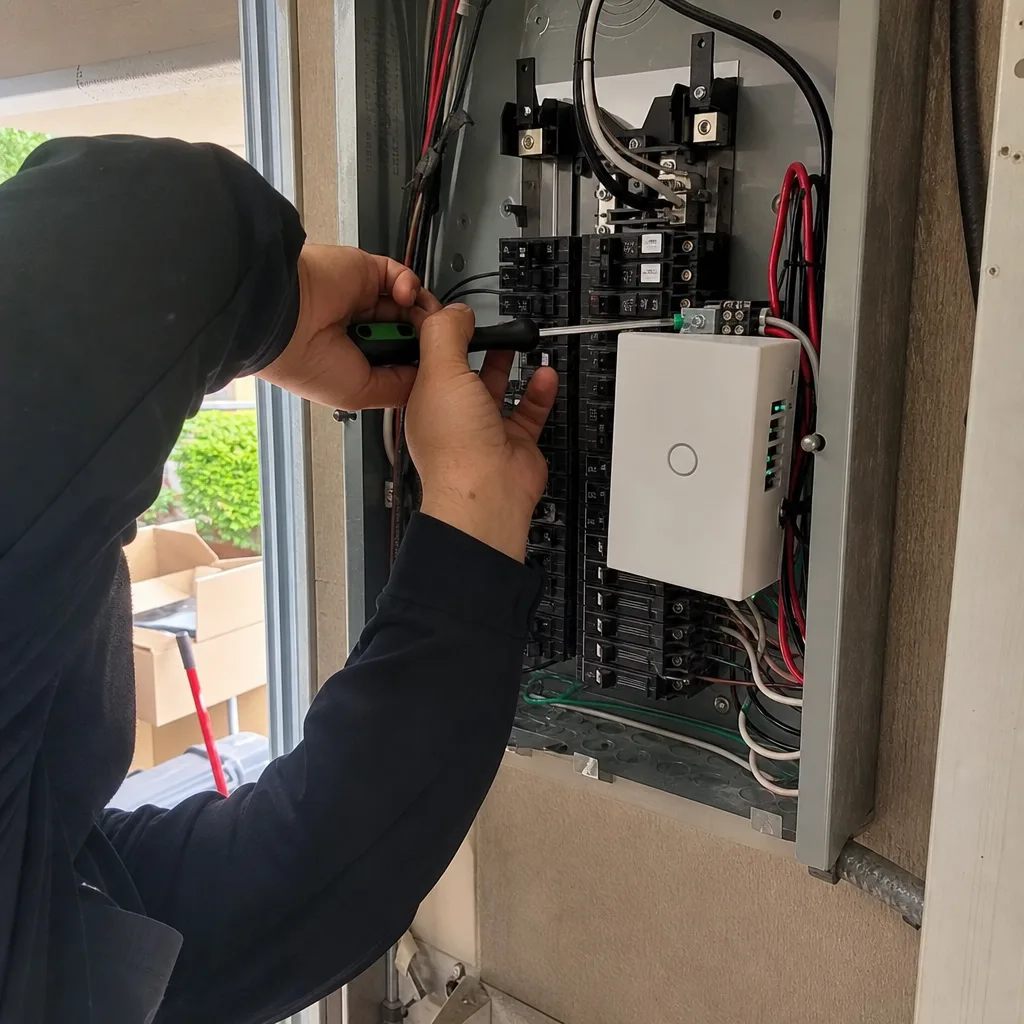
Every system in Gustine should get a thorough once-over every 12 months, and we mean thorough: thermal imaging on every panel, torque checks on racking bolts, microinverter or string-inverter reporting pulled and compared against historical output, junction boxes opened and inspected for moisture. On older 1950s-1970s homes near the 95322 corridor, we also check roof penetrations around the racking feet, because original composition shingles from that era break down faster under valley heat. A full inspection in Gustine runs $150-$250 for residential systems under 10 kW.
Production Monitoring Setup
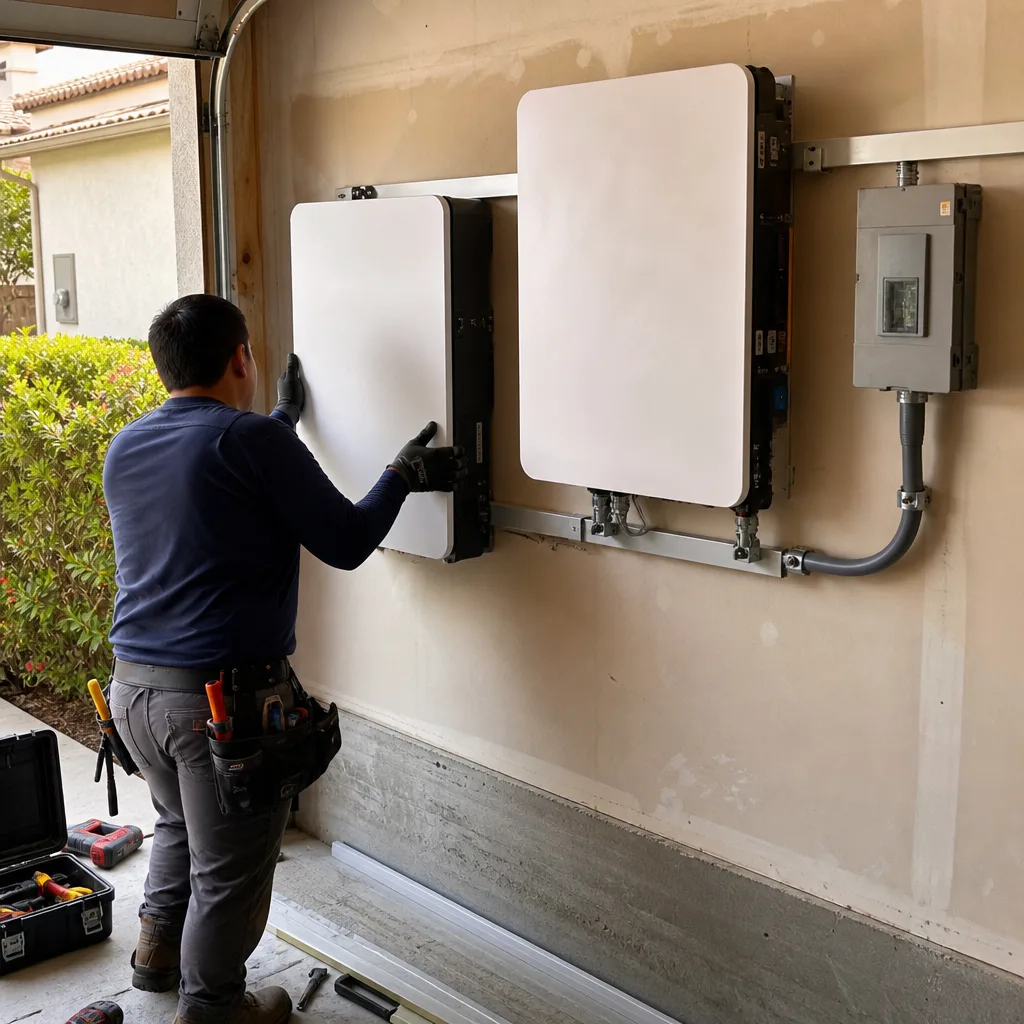
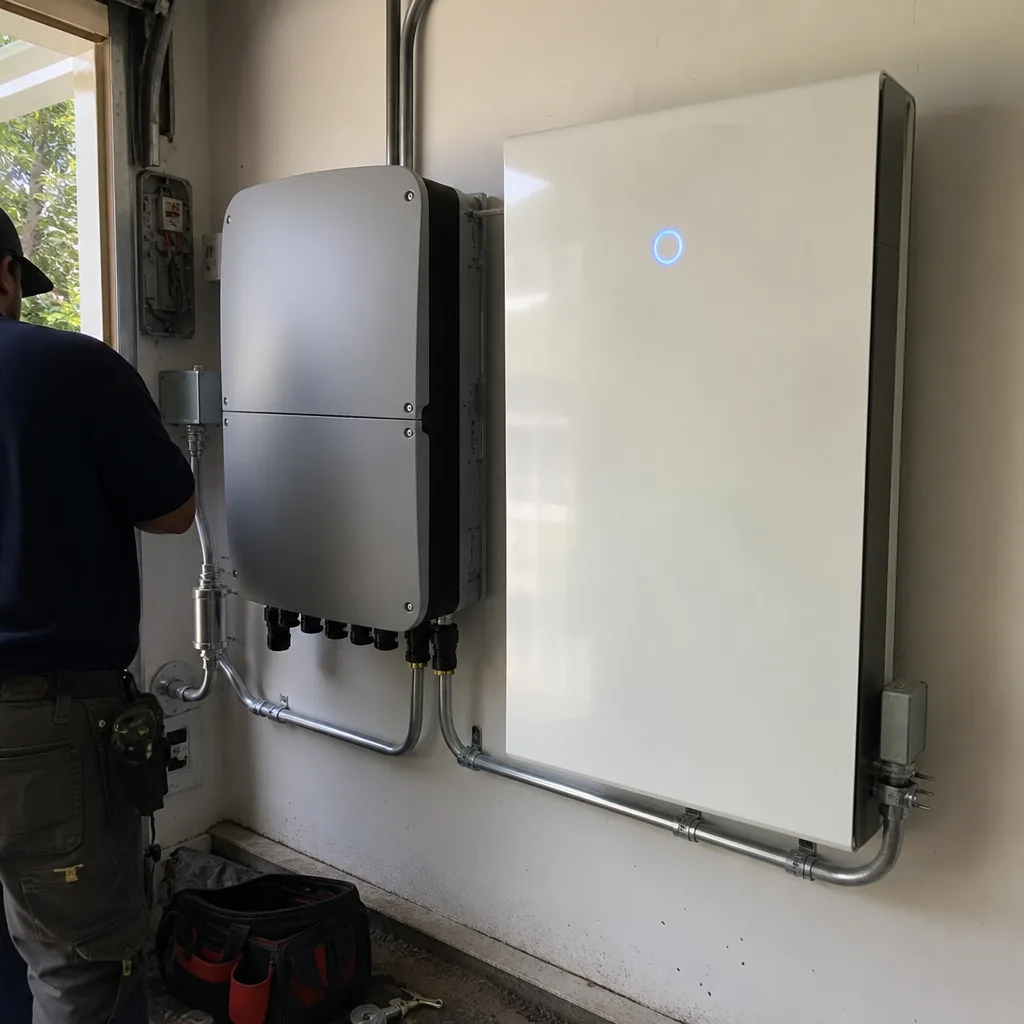
If your system was installed years ago and nobody ever connected you to the monitoring app, you’re flying blind. We configure Enphase, SolarEdge, Tesla, and other platforms so you can see per-panel production on your phone in real time. For Gustine specifically, we set fog-aware baselines so the November-through-February production dip doesn’t trigger false underperformance alerts. Setup typically runs $300-$550, including app walkthrough and a one-hour test window to confirm reporting accuracy.
Underperformance Diagnostics
This is the service that separates a real maintenance outfit from a guy with a ladder and a pressure washer. When production drops, we trace the cause: per-panel deviation mapping, string voltage testing, inverter error logs, shading analysis, and thermal scans for microcracks or hot spots. On Gustine’s dairy operations running 24/7 milk-cooling loads, a 2-3% production drop during a peak demand window can add real money to an AG-4 or AG-5 bill. Diagnostics run $200-$400 for most residential systems, and the price includes a written report with photos and repair recommendations.
Firmware & App Configuration
Inverter firmware goes stale. Utilities update their net metering protocols. Apps change their user interfaces. We update firmware on Enphase, SolarEdge, Tesla, and other gear, reconfigure alert thresholds, and make sure your reporting is actually reaching your monitoring dashboard. This is especially relevant in Gustine because PG&E’s net metering and demand-charge reporting for AG-rate meters can silently drop off after an update. Firmware work runs $125-$250 per visit, often bundled into an inspection.
Preventive Maintenance Plans
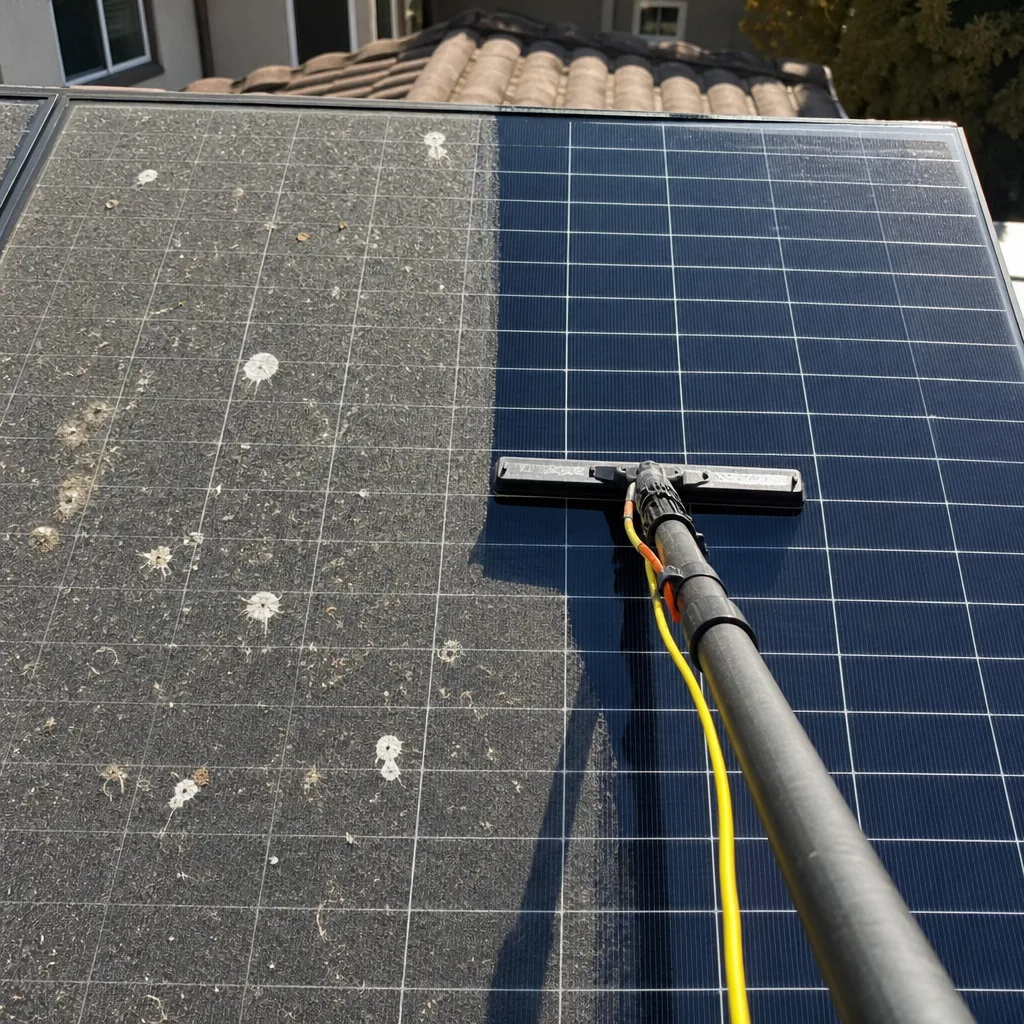
For homeowners and dairy operators who don’t want to think about their array, we offer annual maintenance plans that include the inspection, cleaning, firmware updates, and priority scheduling. Plans for Gustine residential systems start at $250/year. For agricultural systems with larger arrays, pricing scales by system size, and we quote after one site visit.
Warranty Claim Support
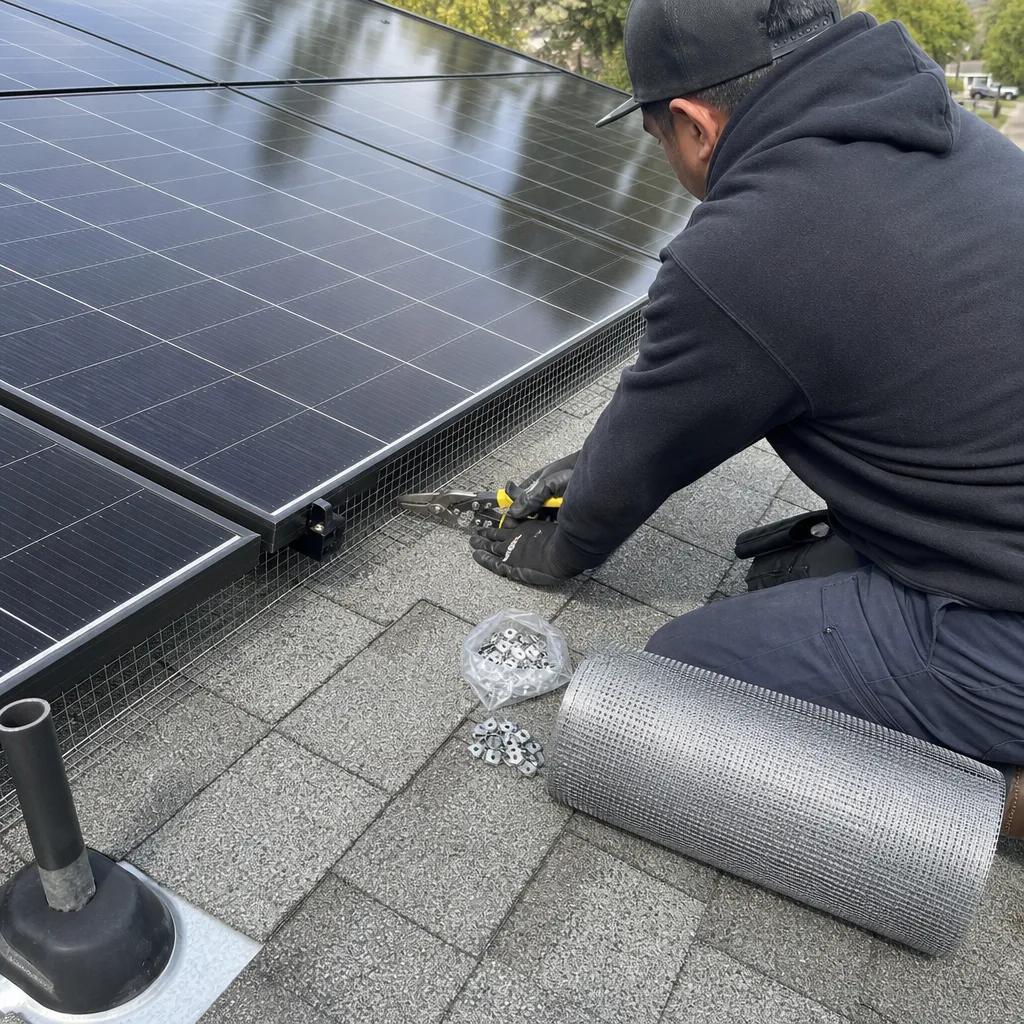
Panel manufacturers like Qcells, REC, SunPower, and Panasonic often require specific diagnostic documentation before honoring a warranty. We handle the paperwork, the testing, and the submission for you. If a panel is defective, we get it replaced. If it’s a microcrack from valley temperature swings, we document that properly. Fee: $150-$300 depending on claim complexity, waived if we installed the system originally.
What happens when you call
- 1
A real person answersNo phone trees - you reach a local pro.
- 2
You get an upfront price rangeHonest numbers before anyone is dispatched.
- 3
A background-checked tech heads outLicensed & insured, dispatched right away.
- 4
You approve before work beginsNothing starts until you say go.
Trusted Brands We Service in Gustine
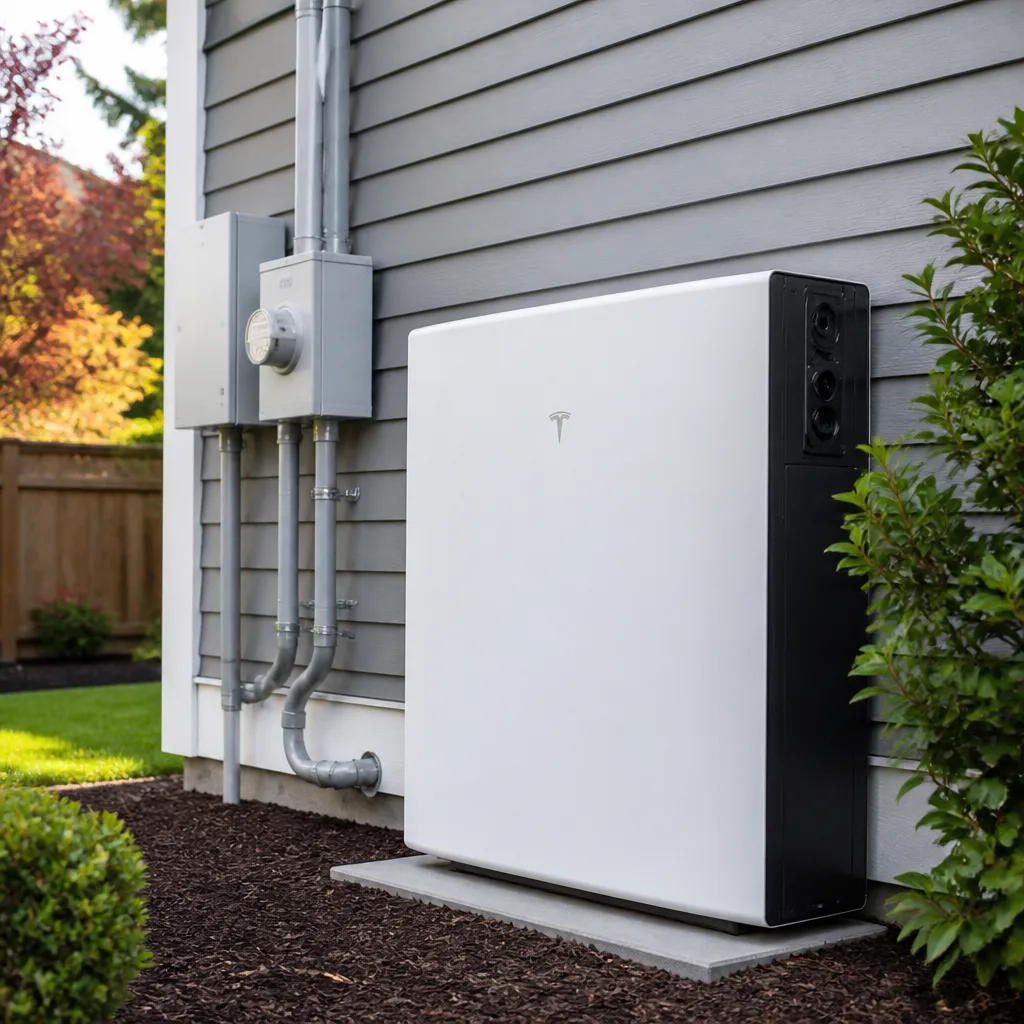
We work on Qcells, REC, SunPower, and Panasonic panels, plus Enphase, SolarEdge, and Tesla inverters and batteries. If your system was installed by one of the national chains that came through the Central Valley in the 2010s, we can take over maintenance regardless of who originally built it. We keep common parts for Qcells and REC arrays stocked in our van, so many Gustine repairs happen in a single trip instead of two.
Common Solar Panel Maintenance & Monitoring Problems We See in Gustine Homes
- Fog-season false alarms: Tule fog from December through February cuts winter production by 30-40% around Gustine. If your monitoring dashboard isn’t configured with a fog-aware baseline, it flags normal panels as underperforming and sends you into a panic about a system that’s working fine. We recalibrate dashboards so alerts mean something.
- Microcracks from valley temperature swings: Gustine summers hit 100°F and winter nights drop near freezing. That thermal cycling stresses panel cells over time, and microcracks show up as small but measurable per-panel losses. A thermal scan catches them before they spread and force a full panel replacement.
- Legacy 100-amp service panels lacking rapid shutdown labeling: Many 1950s-1970s Gustine homes still run original 100-amp panels. After certain solar repairs, code requires rapid shutdown labeling near the meter, and if your panel predates that requirement, a maintenance visit can uncover a compliance issue that blocks re-energization until resolved. We flag it early and handle the fix.
- Inverter firmware resets on AG-rate meters: On dairy operations with AG-4 and AG-5 meters, a firmware update can silently reset net metering and demand-charge reporting. The system produces fine, but the utility billing stops reflecting the solar contribution, and the true-up bill lands like a gut punch. We check and restore these settings as part of any maintenance visit.
Pricing for Solar Panel Maintenance & Monitoring in Gustine, CA
Here’s what Gustine homeowners and dairy operators typically pay:
- Annual system inspection: $150-$250 (residential under 10 kW)
- Production monitoring setup: $300-$550 including app configuration
- Underperformance diagnostic visit: $200-$400 with written report
- Firmware update / app reconfiguration: $125-$250 per visit
- Preventive maintenance plan: from $250/year (residential)
- Warranty claim support: $150-$300, waived for original installs
What moves the price? Roof access difficulty (two-story Gustine homes are rare but exist), system size for agricultural arrays, and whether we need to pull permits for panel or electrical work. Every quote is built off your actual system and your actual production history, not a brochure. Estimates are free, and no one will pressure you to sign tonight. Take two weeks. Think about it. The price will be the same.
How Gustine’s Dairy-Demand Rates Change Solar Maintenance Priorities
Gustine is not Los Banos. It’s not Patterson. This town sits at the center of Merced County’s dairy belt, and the solar economics are completely different from a bedroom community where panels just offset a house bill. Dairy operations here run 24/7 milk-cooling refrigeration on PG&E’s AG-4 and AG-5 rate schedules, which carry peak demand charges. That means a solar system on a dairy doesn’t just save money; it actively reduces demand-charge spikes during afternoon cooling load peaks.
But here’s the maintenance side nobody talks about: when a dairy array loses even 2-3% of production because of a microcracked panel, a failing microinverter, or a firmware reset that dropped net metering reporting, that loss doesn’t just show up as a slightly higher energy bill. It shows up as a demand-charge line item on a commercial utility statement that can dwarf typical residential losses. A residential installer from Los Banos who’s never quoted against an AG-4 schedule would look at a 2% production dip and say, “That’s within normal variance.” Around Gustine, that 2% could be hundreds of dollars a month on a milk-cooling operation.
This is exactly why we emphasize underperformance diagnostics and production monitoring setup for Gustine dairy clients. The monitoring has to be tuned for AG-rate billing logic, with alerts set to catch per-panel deviation before it becomes a demand-charge problem. That’s the information gain of hiring a crew that actually works in Merced County’s dairy economy.
What Our Crew Saw on Third Avenue Last Winter
Last winter, our crew was called out to a 1970s single-story home on Third Avenue after fog-season production dropped sharply. The Enphase microinverters were all reporting normally, so a simple dashboard glance would have said “system healthy.” But we ran thermal imaging and found one Qcells panel had developed a microcrack from years of summer expansion and winter contraction. The panel was under warranty, so we replaced just that one panel, then reconfigured the production monitoring to alert on per-panel deviation going forward. The homeowner avoided replacing an entire string on a guess. That’s the difference between reading numbers off a screen and actually diagnosing a system.
We Also Serve Cities Near Gustine
If you’re in Newman, Hilmar-Irwin, Livingston, or Delhi, our crew covers those areas too. The same local knowledge that makes us sharp on Gustine’s dairy loads and fog-season production patterns applies across this corner of Merced County. For anything solar, see our Gustine service area page or call us directly.
Serving Gustine, CA - Our Local Coverage Area
We’re based in the Gustine area and know this community well. Use the map below to see our service coverage - if you’re nearby, we can almost certainly help.
FAQs - Solar Panel Maintenance & Monitoring in Gustine
Tule fog from December through February cuts solar production in Gustine by 30-40%, and the best maintenance schedule accounts for that. We recommend scheduling your annual inspection in late October or early November, before fog season hits, so any issues are corrected while the system still has full production months ahead. If your monitoring dashboard is not configured with a fog-aware baseline, it will flag normal winter production as an underperformance problem. Call (877) 550-6892 if you’re seeing odd alerts this winter.
Yes, they need monitoring tuned for demand charges, not just kilowatt-hours. Residential monitoring systems are built around net energy metering, where the goal is offsetting consumption. On an AG-4 or AG-5 dairy meter, the monitoring has to watch peak demand windows and per-panel deviation closely, because small production drops during charge windows directly increase the demand-charge line item. We set up Gustine dairy systems with alert thresholds that catch a 2-3% drop before it shows up on a monthly bill.
It might, depending on what the maintenance visit uncovers. Original 100-amp panels on 1950s-1970s Gustine homes often lack the rapid shutdown labeling that current code requires after certain solar repairs. If we’re doing any work that touches the panel, we’ll flag the compliance issue up front. A panel upgrade is not always required for routine maintenance like panel cleaning or monitoring setup, but if you’re planning an expansion or a repair that involves re-energization, budget for a service panel upgrade in the $1,800-$3,200 range for Gustine homes.
It’s not overstated, and here’s the math. A single microcracked Qcells or REC panel on a dairy array in Gustine might lose 5-15% of its own output. On a 50 kW dairy system, one underperforming panel won’t move the energy total much. But if that loss occurs during the afternoon window when milk-cooling compressors are pulling peak demand, the demand-charge consequence can be substantial. A 2-3% production drop during a peak window can add real dollars to an AG-4 bill every month until fixed. That’s why we thermal-scan every panel, not just the ones that look dirty.
At least once a year, and more often if your inverter brand releases a major update. For residential net metering customers in Gustine, firmware updates rarely change billing behavior, but they do fix reporting errors and app disconnections. For AG-rate dairy customers, firmware updates can silently reset net metering and demand-charge reporting, which means your solar contribution stops showing up on the utility’s true-up statement. We check firmware and reporting settings during every maintenance visit and after any manufacturer update. (877) 550-6892 gets you a real person who can schedule it.
Call Gus’s Solar for Maintenance & Monitoring in Gustine
Bring us a bill. We’ll show you the math. Then take two weeks and think it over. If a salesman needs an answer tonight, the answer is no. Gus quotes the year-25 output, not the day-one brochure number, and he’s been doing it from the same local shop since 2011. For no-hassle upfront pricing on solar panel maintenance and monitoring in Gustine, call (877) 550-6892 today. Free estimates. Live person answers. No pressure, ever.
Written by Gus Petrakis, Owner at Gus’s Solar, serving Gustine and the surrounding Merced County communities since 2011.